
The Karamelka tomato is a Russian-bred variety that combines excellent flavor with decorative fruit. Its small cherry tomatoes resemble bright caramel; they are sweet and delicious, making you want to try them.
Who bred the Caramel tomato?
The Karamelka tomato was developed by breeders at the Semena Altaya agricultural firm. The variety was approved for use in 2007. It is recommended for cultivation in all regions of the country, including the Northern and Far Eastern regions.
Description of the variety
The Karamelka tomato plant grows in determinate form, reaching a height of 40 cm. Its leaves are small and dark green. This variety has compound inflorescences, and its stalks are articulated.
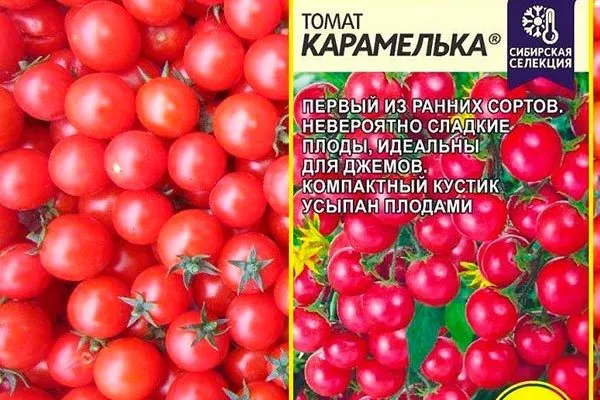
Brief description of fruits:
- Color of ripe fruits: pink.
- Color of unripe fruits: light green
- Form: ovoid.
- Skin: smooth, medium density, but durable.
- Pulp: juicy, medium density.
- Weight: 20 y.
Taste and purpose of fruits
The Karamelka tomato has a pleasant, delicate, and moderately sweet flavor, without a pronounced sourness. The fruits are eaten fresh, used in cooking and garnishing various dishes, and also for whole-fruit canning.
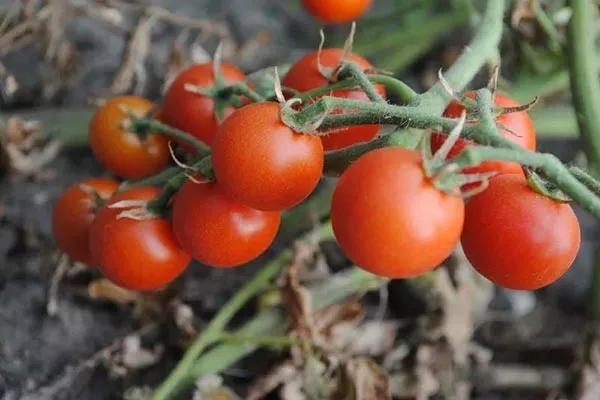
Characteristics of tomato Caramel
The Karamelka variety has excellent agronomic characteristics, allowing it to be grown both outdoors and indoors. This tomato is suitable for any climate, and even the most inexperienced gardener can handle it.
Productivity
This variety has a relatively low yield compared to many others. However, for a cherry tomato, especially a dwarf one, it yields quite a lot—1.8 kg per square meter.
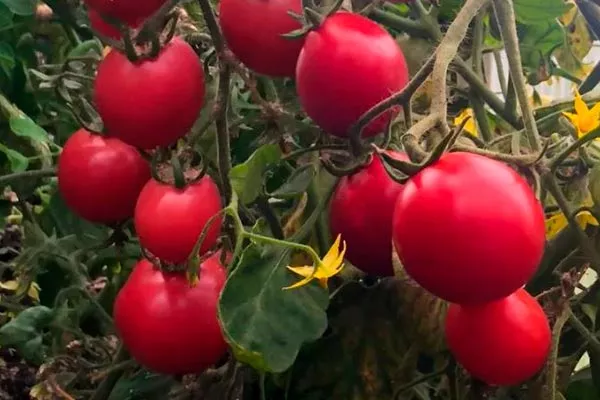
Under favorable circumstances, up to 1.5 kg of fruit can be harvested from one bush.
Ripening time
The Karamelka tomato is an ultra-early ripening variety. It takes 70 to 75 days from germination to fruit ripening.
The first harvest can be collected in early June. Subsequently, the fruits are harvested as they ripen throughout most of the summer.
Immunity to diseases
The Karamelka tomato is resistant to all nightshade diseases, including fusarium wilt, cladosporiosis, and mosaic virus. However, under unfavorable conditions, the risk of fungal and bacterial infections increases.
Pros and cons
The Karamelka tomato has become a favorite among gardeners choosing cherry varieties. This tomato has numerous advantages and almost no disadvantages. It's recommended to learn about all the pros and cons of the Karamelka tomato in advance.
Landing features
Grow the Karamelka tomato outdoors or in greenhouses, starting from seedlings first. It's important to obtain healthy seedlings and then plant them correctly and at the right time.
Seed preparation
Store-bought seeds are usually sold pre-treated; they don't require disinfection or nutrient treatment. However, home-grown seeds must be properly prepared for planting—calibrated, disinfected, hardened, soaked in a growth stimulator, and germinated.
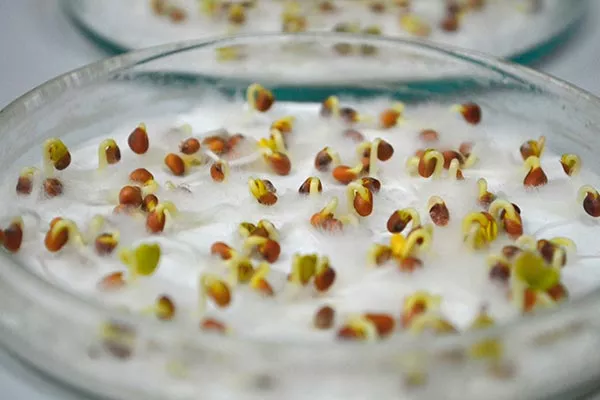
How to grow seedlings?
Karamelka tomato seedlings are sown in March. The exact timing depends on the region's climate. It's important that favorable weather conditions for planting occur within 60 days.
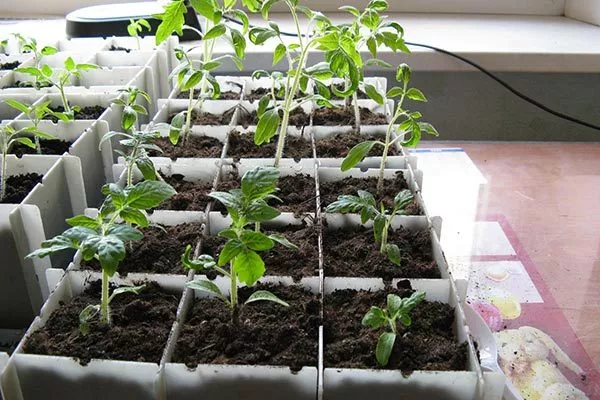
Features of growing seedlings:
- For planting, prepare planting containers—containers, cups, or peat pots. Empty containers are filled with ready-mixed soil from a local farm supply store, or a nutritious soil mixture is prepared from equal parts of fertile soil, peat, humus, and rotted sawdust.
- The soil is lightly compacted and the seeds are laid out at 1 cm intervals. The intervals between rows are 2-3 cm. Three seeds are placed per cup to ensure germination. The seeds are sprinkled with peat moss (1 cm thick), moistened with warm water, and covered with plastic wrap. The seeds are placed in a warm, bright location; the optimal temperature is 25°C.
- About a week later, when the seedlings emerge, the covering is removed. To prevent the sprouts from stretching excessively, they are moved to a cooler room, with a temperature of 15 to 16°C. The seedlings are kept in this mode for a week, and then the temperature is raised again to 20 to 22°C.
- After 1-2 true leaves have formed, the seedlings are pricked out and transplanted into individual containers or into larger ones if the seedlings were grown in cups. When pricking out, pinch the root tip to encourage lateral branching.
The next two months should be devoted to meticulous and careful care of the seedlings. It's crucial to provide them with optimal growing conditions; one mistake can cause the seedlings to grow weak or diseased.
Features of seedling care:
- As soon as the seedlings emerge, the lamps are turned on. Round-the-clock supplemental lighting lasts for 3-5 days. Then, it is reduced to 18-20 hours per day. By the fifth week, daylight is reduced to 11-12 hours.
- For the first three weeks, water the seedlings no more than 1-2 times a week, then increase watering to 3-4 times a week. Water should be applied carefully at the roots, avoiding any contact with the leaves or stems of the seedlings. Use a watering can with a thin spout.
- 2-3 times a week, the seedlings are sprayed from a spray bottle - a sprinkling procedure is carried out.
- Three weeks after germination, apply the first fertilizer. Bird droppings can be used for this purpose. Subsequently, apply fertilizer approximately once every two weeks.
- Two to three weeks before transplanting tomato seedlings outdoors, begin hardening them off. First, take the seedlings outside for 15 minutes, then for half an hour, and gradually increase the time spent outdoors to several hours.
Selecting a site
Choose a warm, sunny site for planting, protected from drafts and gusty winds. It should be level or elevated. Low-lying areas are unsuitable for tomatoes, as stagnant water leads to root rot.
- ✓ The site should be protected from northern winds to prevent plants from cooling.
- ✓ The soil must have good drainage to avoid water stagnation.
When planting tomatoes, it's important to follow crop rotation rules. They shouldn't be planted where nightshade crops like potatoes, peppers, eggplants, and tomatillos were grown. Cabbage, cucumbers, carrots, beets, and legumes are considered good predecessors for tomatoes.
Soil preparation
The soil for planting tomatoes is prepared in the fall. The area is cleared, plant debris is removed, and the soil is dug to a depth of a shovel. Humus, compost, and rotted manure are added during digging, and sand or vermiculite is used to loosen the soil.
Tomatoes grow best in sandy and loamy soils with low or neutral acidity (6.2-6.8 pH). Acidic soils can be deacidified with slaked lime, wood ash, or dolomite flour. High-moor peat moss can be added to soils that are not acidic enough.
In the spring, the plot is dug over again. To disinfect the soil and kill pathogenic microflora, the soil is watered with a potassium permanganate solution, and then the beds are prepared for planting the seedlings.
Transplanting
Seedlings are planted when they have 8-9 true leaves and at least one flower cluster. Furthermore, favorable conditions for tomato growth must be achieved—the air temperature must reach at least 15–18°C, and the soil temperature must reach 12–14°C.
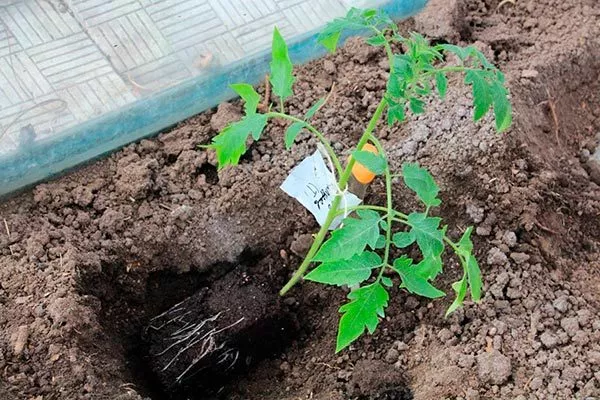
Features of planting seedlings:
- In the beds, prepare holes measuring approximately 15 x 20 cm. These holes should accommodate the seedlings' root systems without bending. The optimal planting pattern is 40 x 40 cm.
- Add a handful of wood ash and 30-40 g of complex mineral fertilizer to the holes and water. Once the water has been absorbed, place the seedling in the hole. Cover its roots with soil, compact the soil, and form a small depression around the stem for watering.
- Planted tomatoes are watered with warm, settled water, and when it is absorbed into the soil, the soil around the stem is mulched.
Care Features
The Karamelka tomato requires standard care. Nothing special is required to grow this variety. The bushes require regular watering, fertilizing, spraying, and other agricultural practices.
Watering
Water the Karamelka tomato plant 1-2 times a week. The recommended watering rate is 5 liters. The frequency of watering depends largely on the weather and soil conditions. The soil shouldn't dry out, but it shouldn't allow water to stagnate.
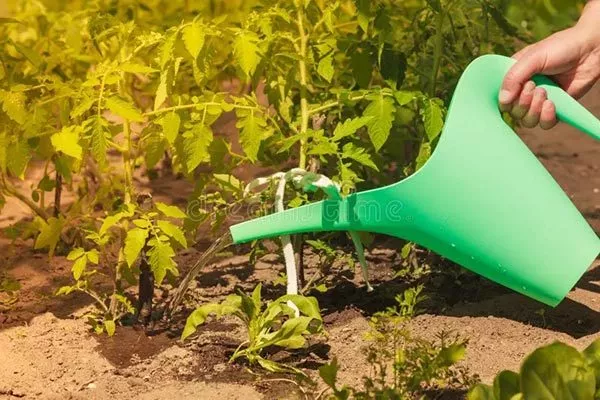
Use warm, settled water for watering. The best time to water is morning or evening. It's important to avoid water getting on the leaves and stems, as this can cause sunburn. If you don't water the Karamelka tomato regularly, the fruit will begin to crack.
In greenhouses, humidity levels must be maintained at 65%. This is achieved by ventilating the greenhouses daily. Watering is done only in the morning. This allows the moisture to be absorbed into the soil before the heat of the day sets in. This improves the seedlings' water supply and prevents rapid evaporation.
Fertilizing
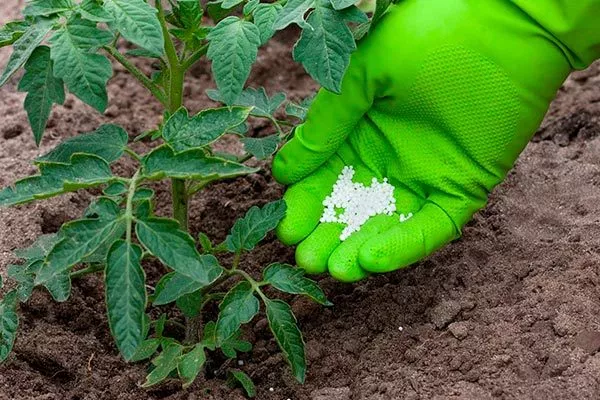
Tomatoes are fed every two weeks, alternating organic and mineral fertilizers. During the growing season, the bushes are provided with equal amounts of nitrogen, potassium, and phosphorus. During the ripening stage, more potassium should be added.
Loosening and weeding
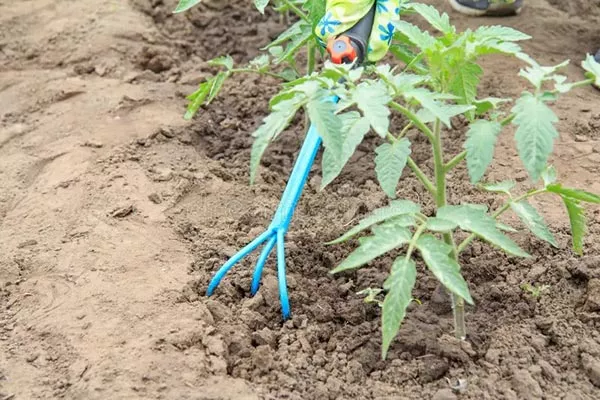
Garden beds require regular loosening. It's best to loosen the soil after every moisture event—rain or watering. Weeds should also be removed promptly, as they absorb nutrients, attract insects, and shade the tomato plants. To slow weed growth and moisture evaporation, mulch the soil with peat, humus, straw, etc.
Shaping and garter
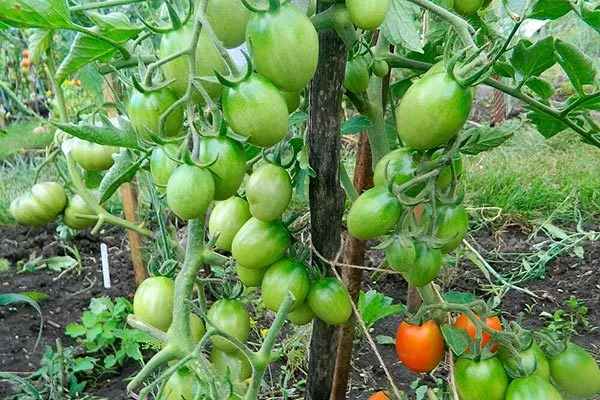
The Karamelka variety has small bushes and can grow without support. There's no need to remove side shoots. However, if you're growing tomatoes in garden beds, you should train them into two stems; if you're growing them in a greenhouse, train them into three or four stems.
Diseases and pests
The Karamelka tomato has fairly strong immunity to nightshade diseases. However, under unfavorable conditions, the bushes can be affected by fungal, bacterial, and even viral diseases. The most common diseases affecting tomatoes are late blight and tobacco mosaic virus. To prevent these diseases, use Fitosporin. You can also spray the bushes with a wood ash solution.
The biggest threats to the Karamelka tomato are aphids and spider mites. Spraying with a pink solution of potassium permanganate helps prevent them. Biopreparations, such as Bitoksibacillin and Actofit, are also safe for humans.
Harvesting and storage
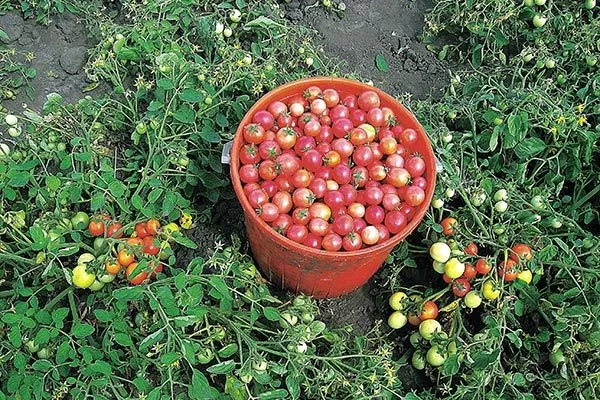
The fruits are harvested in dry, warm weather. Fully ripe tomatoes are used for eating, while unripe ones are used for storage and transportation. Store tomatoes in a cool, dry place; in the refrigerator, the "caramels" can last up to two weeks.
Reviews
The Karamelka tomato has all the qualities of an ideal cherry variety. If you're looking for tomatoes with small, tasty fruits that sit beautifully on the trusses, this is the one for you.