
Captain is a hybrid variety characterized by early fruiting and good productivity. The tomatoes are attractive, round, and medium-sized, with a red hue. They are suitable for fresh eating and canning. The compact, disease-resistant plants are suitable for both greenhouses and open ground.
Growing regions and origin
The crop was successfully bred in 2010 by specialists from Agrofirma Poisk LLC. V. V. Ognev, A. N. Kostenko, S. V. Maksimov, and N. N. Klimenko worked on the selection.
The main goal was to create a variety resistant to the climatic conditions of the central zone. In 2013, the hybrid was officially approved for cultivation. Recommended cultivation areas are the North Caucasus and Central Black Earth regions.
Description of the bush and fruits
The Captain is a compact plant 65-70 cm tall, and can reach 1 m in a greenhouse. Distinguishing features:
- leaves - medium size, emerald colored;
- inflorescences – simple, formed in the form of brushes;
- tomatoes - round, with slight ribbing and a rich red color;
- weight - varies from 100 to 130 g;
- pulp – dense, with a pleasant sweetness and slight sourness.
- ✓ Compact bush with a height of 65-70 cm in open ground and up to 1 m in a greenhouse.
- ✓ The presence of medium-sized emerald leaves and simple inflorescences in the form of brushes.
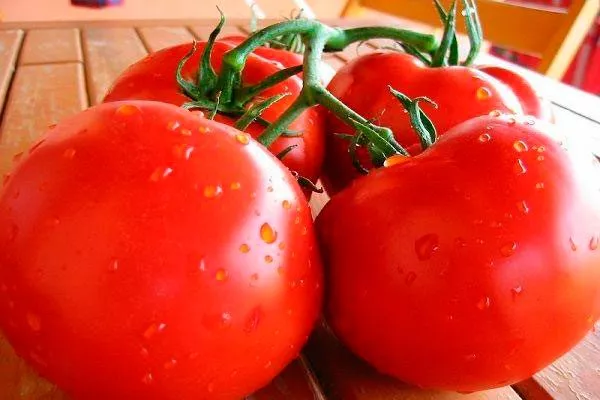
There are few seeds inside, the skin is strong and shiny, resistant to cracking.
Characteristics of tomato varieties
Among the many early-ripening varieties, not all offer high productivity, excellent flavor, and ease of care. But the Captain tomato combines all these qualities and is one of the most successful hybrids.
Ripening period, yield
This is an early-ripening nightshade variety—the vegetables are ready for harvesting 70-85 days after germination. The fruits ripen simultaneously: in the open ground, they are picked from the shoots in mid-July, and in the greenhouse, as early as the beginning of the month. The tomato formation period lasts from the first ten days of July until the end of August.
Captain is a highly productive variety. With proper cultivation practices, 253-402 centners of tomatoes can be harvested per hectare, and up to 17 kg per square meter of garden bed. These yields vary depending on growing conditions.
Purpose and application
These vegetables are versatile. Their firm flesh and rich flavor make them perfect for fresh salads, appetizers, and hot dishes. Their high sugar content makes them an excellent choice for juices and sauces.
Their thick skin makes them ideal for whole-fruit canning, pickling, and marinating. They transport well and have a long shelf life.
Agricultural technology
Sowing seeds too early is undesirable, as the seedlings grow quickly and become elongated. The optimal time for sowing is mid- to late March, approximately 50 days before the planned planting in the ground or greenhouse.
Soil type and planting location
The Captain thrives best in light, fertile, and well-drained soil. Ideally, sandy loam or light loam soil with a neutral or slightly acidic pH (6-6.8) is ideal. Pre-fertilize the soil with humus, wood ash, and complex mineral fertilizers.
- ✓ The pH level must be strictly within 6-6.8 for optimal absorption of nutrients.
- ✓ Drainage is required to prevent water stagnation and root rot.
Tomatoes should be planted in a sunny location protected from cold winds. Ensure good ventilation in a greenhouse. In open ground, avoid areas with stagnant moisture and do not plant tomatoes after nightshade crops.
Sowing and growing seedlings
Plant the seeds in 10x10 cm containers in early March. The soil should consist of equal parts peat, humus, and sand. The seedlings are pre-treated, so there's no need to soak them.
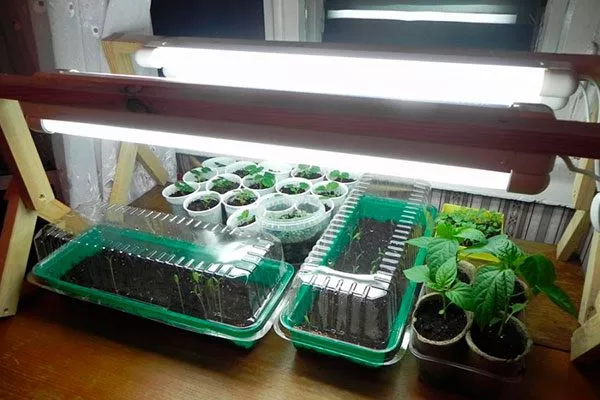
Follow these recommendations:
- Sow the seeds to a depth of no more than 0.5 cm. Cover the containers with glass or film.
- Seedlings will emerge in about 5 days. After this, remove the covering and move the seedling trays to a bright location, preferably a windowsill.
- During the first week, the temperature should be around +12°C, then maintain it within +18°C.
- When the plants develop a second pair of true leaves, transplant them into individual pots with a diameter of 7-9 cm. Be careful not to damage the root system.
If all agricultural requirements are met—additional lighting, moderate watering, and loosening the soil—the seedlings will be ready for planting by early May.
Transplanting into a greenhouse
Start seedlings in greenhouses a couple of weeks earlier than in open-air beds. The planting pattern depends on whether the tomato bush will be tied to a support. Space 4-6 seedlings per square meter. This arrangement allows the stems growing above ground to root, promoting faster growth and ripening.
Ensure good air circulation in the greenhouse. Even if it's cool outside, the doors should be open, as the plant thrives in drafts.
Moving into the ground
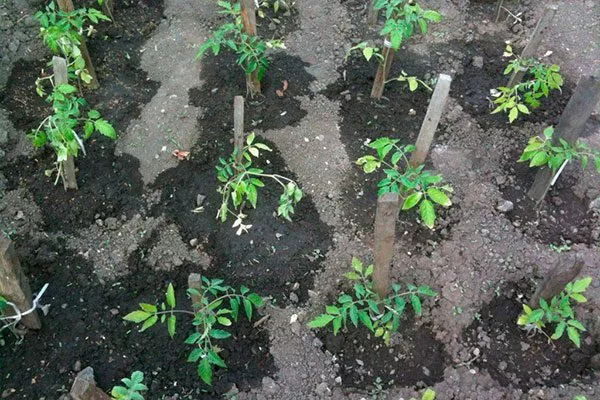
Plant the seedlings after the last spring frosts have passed. The hybrid prefers sandy loam or light loamy soil. The planting pattern is the same as in the greenhouse.
Care instructions
To achieve a good harvest, it's important to provide plants with proper care. This includes standard agricultural practices.
Fertilizing and soil care
A week after transplanting the tomatoes to their permanent location, apply mineral fertilizer. For proper growth and development, plants require micronutrients such as potassium, phosphorus, and nitrogen. Repeat the application every 2-3 weeks until fruiting ends.
Please comply with the following requirements:
- It doesn't matter whether the crop is grown outdoors or in a greenhouse, but during the period of fruit set and fruit filling, it requires superphosphate and potassium sulfate. Scatter them between the rows and water.
- During the growing season, ensure your plants receive sufficient sunlight and warmth. A sudden drop in temperature slows growth, reduces ripening, and reduces yield.
In tomato beds, loosen the soil and remove weeds once a week. Since tomato plants have shallow roots, loosen the soil carefully to avoid damaging the root system. Mulched areas in greenhouses do not require aeration.
Features of watering
For growth and rapid ripening, vegetables require regular watering with warm water. In a greenhouse, water using either a regular hose or a drip system placed under the mulch.
When watering directly, be careful not to wash away the soil around the plant or expose the roots. Avoid getting moisture on the leaves and fruit. Water in the morning, using a water temperature of at least 25°C.
The optimal humidity level in a greenhouse is around 60%. Higher levels reduce pollination, causing flowers to fall off and plants to become elongated. Even with strong disease resistance, such conditions can promote the development of fungal infections.
Harvesting
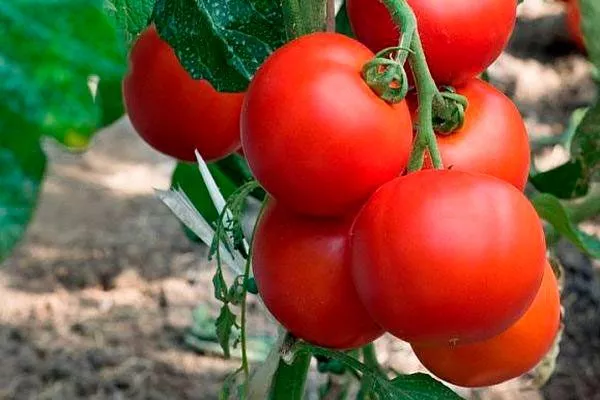
Harvest vegetables as soon as they turn a deep red color and feel firm to the touch. To preserve quality and flavor, harvest in the morning when temperatures are cool to avoid overheating.
To preserve tomatoes, use several methods:
- If tomatoes are intended for immediate consumption, store them in a cool, well-ventilated place, such as on refrigerator shelves or in a designated area with a temperature of 12-15°C. Keep in mind that overwatering can lead to rotting.
- If you need to preserve fruits for a longer period, use canning methods: freezing, making juices, pastes, or preparations in jars (for example, pickling or salting).
When freezing vegetables, it is better to peel them and cut them into pieces first.
Pest and disease control, prevention
Captain tomatoes, like other varieties, can be susceptible to various diseases and insect attacks, but with proper agricultural practices, the risk of problems can be minimized.
The culture is affected by the following difficulties:
- Late blight. It appears on leaves and fruits as dark spots. Use fungicides, such as those containing copper (copper sulfate, Bordeaux mixture). Remove affected parts and carry out preventative treatments during the active growth period.
- Powdery mildew. It is accompanied by a white coating on the leaves and stems. To combat the disease, use Topaz or Silver and remove infected bushes.
- Black rot. Dark spots are appearing on tomatoes. This disease is often caused by improper watering (overwatering). To prevent it, control moisture levels, avoid overwatering the leaves, and apply fungicides as a preventative measure.
- Aphid. These are small insects that suck the sap from plants, weakening them and promoting disease. Insecticides such as Aktara and Confidor, or folk remedies such as garlic or tobacco infusions, can help combat them.
- Colorado beetle. This pest attacks tomatoes in open ground. To control it, use insecticides such as Bi-58 or Pyrethrum. Remove the beetles and their larvae manually.
- Whitefly. The parasite attacks bushes more often in greenhouses. Set up special sticky traps and treat with insecticides.
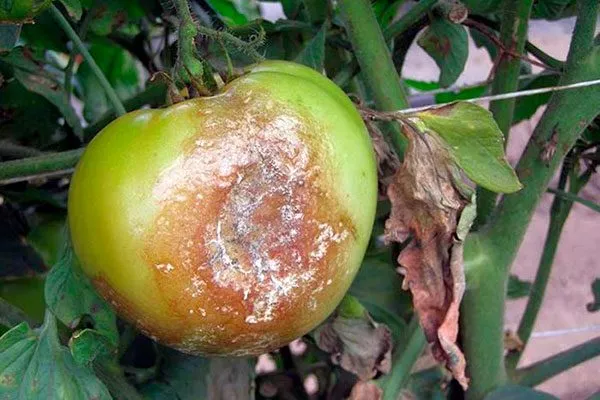
Preventive measures:
- Avoid growing crops in the same location for several years in a row to prevent the accumulation of pathogenic microorganisms in the soil.
- Avoid over-watering the soil and getting water on leaves and vegetables.
- After harvesting, remove all plant debris and destroy it to prevent the spread of pests and diseases.
- In enclosed spaces, maintain normal air exchange to reduce the risk of fungal infections.
Pros and cons
To avoid potential difficulties, it's important to research the crop's characteristics, advantages, and disadvantages before planting. Captain has many advantages:
Gardeners note its shortcomings, including sensitivity to high temperatures, the need for shade on hot days, and regular fertilizing to maintain good growth and fruiting. The crop is not suitable for cultivation in very cold regions, where prolonged frosts can slow development.
Reviews
Captain is a true treasure for those who appreciate delicious and juicy tomatoes. Good productivity, disease resistance, and ease of care ensure a consistent, high-quality harvest throughout the season. This variety is ideal for both beginners and experienced gardeners, guaranteeing excellent results in any conditions.