
The Stone Flower tomato is a popular variety with good productivity and excellent flavor. It appeals not only to fresh tomato lovers but also to those looking for a growing solution in limited space, whether a small garden plot or a windowsill in an apartment. Proper care is key.
History of the variety
The variety with this unusual name was created and bred by V. I. Blokin-Mechtalin. A registration application was submitted in 2018, and two years later, it was approved and entered into the State Register.
Features and specifications
Stone Flower is a recent innovation that has gained popularity among both novice and experienced gardeners. It's a dwarf hybrid that produces delicious cherry tomatoes. It's ideal for growing on a windowsill indoors.
Description of the plant
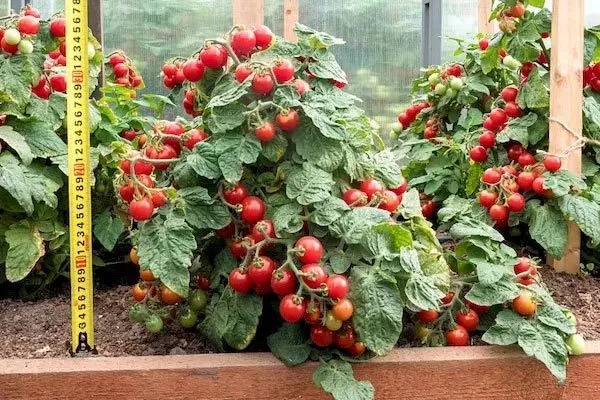
The bushes are dwarf, reaching a height of only 30-35 cm, sometimes up to 40 cm. The plant is compact, with limited shoot growth and sparse foliage. Due to their low growth, the tomatoes appear lush. The leaves are dark green, small, and slightly serrated.
- ✓ Maximum bush height: 40 cm.
- ✓ Number of brushes on one bush: 15-20.
- ✓ Weight of one fruit: about 12 g.
The inflorescences are simple, but the main stem has a semi-compound shape. The clusters are dense, containing 18-25 tomatoes. A single bush can produce 15 to 20 clusters, but indoor cultivation typically produces fewer.
Fruits and their taste qualities
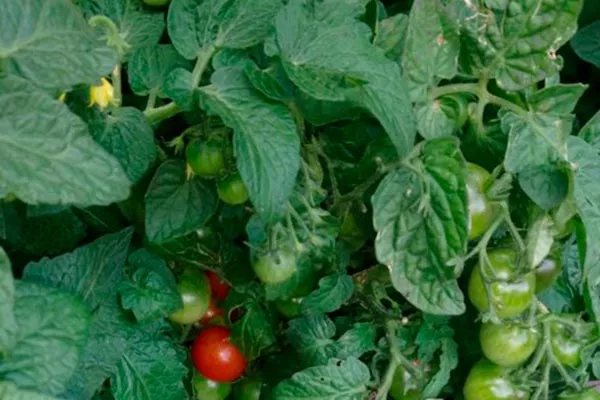
The tomatoes have a smooth, round shape with slight ribbing. Early in ripening, they are light green, without a spot near the stem, then turn red. Each fruit weighs approximately 12 g, classifying them as cherry tomatoes.
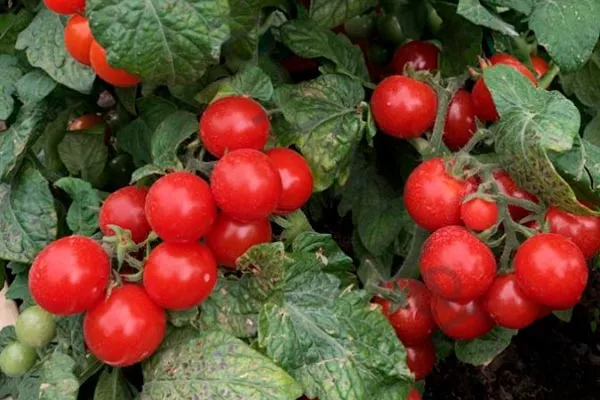
At home, these vegetables typically weigh no more than 10 grams, but they have a more even, perfectly spherical shape. The flesh is firm, tender, and not watery. The skin is glossy, thin, yet strong, ensuring good storage and transportation.
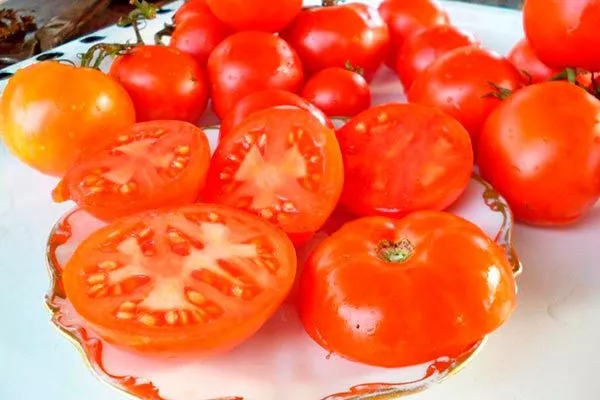
Inside, there are only two seed chambers, each containing a limited number of beans. The variety has a sweet, juicy flavor with a fruity aftertaste and a vibrant aroma, without any noticeable sourness.
Ripening and fruiting
This is an ultra-early variety, ripening in 70-75 days indoors and 80-85 days outdoors. The fruits form and ripen simultaneously, but the harvesting process is spread out. Harvest 2-3 times during the season.
Tomato yield
For a cherry tomato, this variety is quite productive: 3 to 3.8 kg can be harvested per square meter. Plant 7-8 miniature plants per square meter, resulting in a yield of approximately 500 g per plant.
Resistance to diseases and pests
The plant is resistant to verticillium wilt, tobacco mosaic virus, and fusarium wilt. However, as a preventative measure, treat the bushes with Fitosporin or Bordeaux mixture a couple of days after transplanting outdoors.
Cherry tomatoes are more susceptible to pests, so inspect your plants regularly, at least twice a week. Colorado potato beetles, aphids, wireworms, and cutworms may appear on the bushes. Infusions of mustard, garlic, tobacco dust, or chili pepper can effectively repel them in the early stages.
Required climate and regions
Stone Flower tomatoes tolerate heat well, up to +30°C. In the south, plant them in open ground, providing shade if necessary if the heat becomes too intense. This variety does not tolerate sudden temperature fluctuations or cold snaps, so in such climates, grow it in greenhouses.
Planting seedlings in the ground is possible at a temperature of at least +16°C, and for the first time, build a frame to cover the seedlings.
The variety is successfully cultivated in most Russian regions:
- Middle zone;
- Volga region;
- Northwest;
- Black Earth Region;
- Southern regions;
- Ural;
- Western and Eastern Siberia;
- Far East;
The Stone Flower tomato is quite resistant to various weather conditions, so it is grown both in greenhouses and under plastic film, and in open ground.
Scope of application
Tomatoes are ideal for eating fresh. They make a wonderful addition to side dishes, vegetable platters, salads, and main courses. They can also be pickled or marinated for winter storage.
Planting the Stone Flower F1 tomato
Since this is an ultra-early variety, its seeds can be planted either as seedlings or directly in the ground. The yield depends on the planting method chosen.
Timing of planting seedlings
When planting directly in open ground, prepare the seeds several months in advance. This variety is suitable for growing in a greenhouse, but prepare the seedlings well in advance. To improve the seeds' properties, soak them in a solution of potassium permanganate.
- ✓ Optimum soil temperature for seed germination: +22-25°C.
- ✓ Required seed sowing depth: 2 cm.
- ✓ Distance between plants when planting: 50x50 cm.
Growing conditions
For successful cultivation, several key conditions must be met. Helpful tips:
- The crop prefers sunny sites protected from strong winds. For a good harvest, choose a location with good light, as tomatoes require long hours of daylight to thrive.
- Bushes require fertile, well-drained soil. To improve soil quality, add organic fertilizers such as compost or humus.
- Water the plants regularly, avoiding overwatering, which can lead to root rot. Water moderately, using warm, settled water.
For good growth and fruiting, ensure regular fertilization. Use both organic and mineral fertilizers. Ideally, fertilize 3-4 times per season, alternating organic and complex fertilizers.
Preparing soil and seeds
Apply mineral fertilizers, such as superphosphate and potassium compounds, to improve the soil structure and provide plants with essential nutrients. To reduce the risk of disease and kill pests, bake the soil in the oven at 100-120°C for 15-20 minutes.
To improve germination, use both dry and wet stratification methods. Dry stratification involves storing the seedlings at a low temperature for several weeks, while wet stratification involves moistening them before planting, which promotes faster germination.
Sowing
The crop is grown both in open ground and in greenhouses. However, to ensure a good harvest, prepare seedlings in advance, as direct sowing of seeds into the soil can result in a low yield. The direct sowing method is only suitable for southern regions.
Follow these recommendations:
- To select high-quality seed, sort the seeds. Use tomatoes harvested from the previous year's crop or purchase them from a reputable supplier.
- After purchasing, disinfect the seeds by treating them with a Fitosporin solution (20 g per 5 liters of water) for 30 minutes, then rinse under running water. Next, treat them with a growth stimulant: dissolve 5-6 drops of Epin in 2 liters of warm water and soak the seeds for 2 hours.
For sowing, choose 4-5 liter containers and fill them with nutritious soil. Water the containers with 2 liters of water, then sow the seeds to a depth of 2 cm, cover them with soil, and cover with plastic wrap to create the desired microclimate. Place the containers in a warm place, ideally on a windowsill.
Growing seedlings
After 5-7 days, when the first shoots appear, remove the plastic wrap. Water the seedlings weekly, using 30-50 ml of warm water per plant. When the seedlings have two pairs of true leaves, thin them out and then transplant them to their permanent location.
Transplanting bushes
Transplant Kamenny Tsvet (Stone Flower) tomato seedlings into a greenhouse in mid-May and into open ground in early June. Choose a site with light, nutritious soil. Carefully level and mark the soil.
The planting pattern is 50x50 cm, with a hole depth of 20 cm. Place the seedlings in each hole and cover with soil. Then, moisten them with 1 liter of warm water. If cold weather is expected after transplanting, cover the beds with plastic film overnight. Remove the cover during the day to prevent root rot.
Caring for the Stone Flower tomato
Proper crop care plays a key role in ensuring a high yield and healthy plant development. Failure to comply with agricultural requirements can lead to reduced fruit quality and yield.
Watering
When growing in a greenhouse, water the bushes weekly, using 5 liters of water per bush. For raised beds, double the amount, but keep the same frequency. After watering, remove weeds, which can promote the spread of diseases and pests.
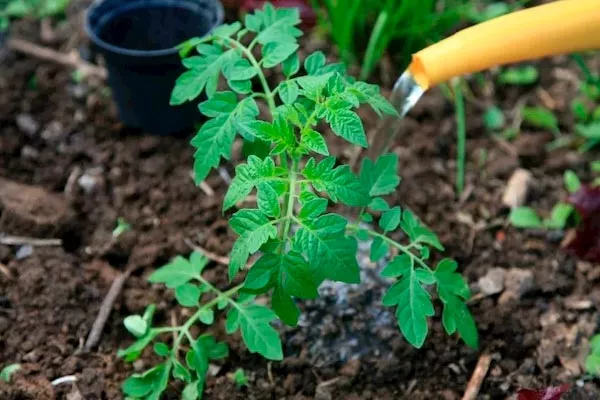
Regular loosening of the soil twice a week helps prevent crust formation on the surface, providing the necessary air exchange and creating optimal conditions for plant growth.
Top dressing
Before choosing fertilizers, consider the soil characteristics and climate conditions where the crop is grown. Apply fertilizer in stages. A week and a half after planting, add organic matter to the soil; bird droppings are particularly effective. It's a good idea to mulch beforehand.
After two weeks, when the ovaries have formed, apply a fertilizer consisting of chicken manure, a solution of potassium permanganate, and copper sulfate. At harvest time, apply 2.5 liters of fertilizer to provide the plants with additional nutrients.
Pinching out stepsons
After the first flowering, carefully shape the bushes. This is an important step, because without pinching, the plants will waste their energy on developing foliage rather than on growing and strengthening fruit.
Useful tips for proper bush formation:
- In central Russia, lateral shoots begin to grow actively around midsummer, but they don't have time to properly form and mature. Therefore, trim off any excess lateral shoots. It's helpful to pinch back areas where shoots are actively growing to direct all the plant's energy toward fruiting.
- If you're growing Stone Flower in temperate climates, leave several stems on a single plant. If you decide to leave only one stem, plant the seedlings close enough to compensate for the lack of space.
Tomatoes of this variety actively form new shoots, especially on the sides, so pay special attention to these. To ensure a good harvest, regularly remove side shoots.
Pruning and pinching
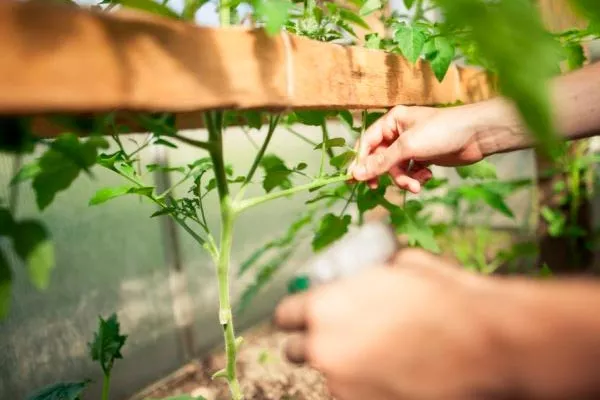
To ensure a good harvest, especially when grown outdoors, regularly prune and pinch tomatoes. This will improve plant ventilation and direct all nutrients toward tomato growth.
Prune with sharp pruning shears, removing side shoots and excess leaves to improve air circulation and light. Pinching helps the bushes focus on the main stem and the formation of high-quality fruit.
Common mistakes when growing
Inexperienced gardeners growing the Kamenny Tsvet (Stone Flower) variety often make mistakes that can negatively impact the plant's health and reduce yield. One such mistake is choosing poor-quality seed or choosing the wrong time for planting outdoors.
Another common oversight is failure to follow a proper watering, fertilizing, and spraying schedule. A deficiency or excess of nutrients can harm plants, so maintain a balanced supply to prevent damage from improper care.
How to grow cherry tomatoes on a balcony?
When growing tomatoes indoors, use 5-liter containers with a 5-cm-thick layer of drainage material at the bottom and a topping of nutrient-rich soil. In this case, staking the shoots is not necessary, but if you have too many tomatoes growing on them, install sturdy supports.
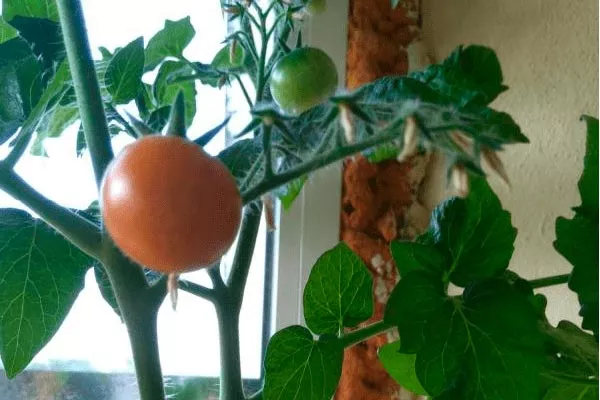
The stone flower forms its own crown, so there's no need to remove side shoots. At the end of the fruiting season, new side shoots may appear at the bottom of the plant, which will later produce additional fruit. Trim the central part of the bush, and the side shoots will quickly cover the cut.
Growing cherry tomatoes in a greenhouse
Before planting seedlings, thoroughly prepare the soil. Clear the greenhouse of plant debris from previous seasons and treat the surface for potential pests. Dig over the soil and enrich it with organic fertilizers such as compost or humus. Add sand or peat moss to improve the soil structure.
Follow these recommendations:
- Use seedlings for growing. Sow the seeds 50-60 days before transplanting into the greenhouse. Plant the seedlings in containers with loose, nutritious soil. The optimal temperature for germination is 22-25°C. Once the plants have established themselves and have 3-4 true leaves, transplant them into the greenhouse.
- Plant in mid- to late May, when temperatures reach a stable temperature of 18 to 20°C. Space plants 30-40 cm apart, and rows 50 cm apart.
- Provide regular watering, but avoid overwatering. Watering should be moderate, preferably using drip irrigation, so that water reaches only the roots and does not wet the leaves.
- To ensure good growth and fruiting of tomatoes, fertilize regularly. Two to three weeks after transplanting the seedlings, use a high-nitrogen fertilizer to stimulate growth. Then, a couple of weeks later, apply a fertilizer containing phosphorus and potassium to improve fruit development. Repeat every two to three weeks.
- This crop requires pinching, as additional tomatoes can form on the side shoots. Remove excess shoots to ensure the plant's energy is focused on growth and development. Grow several stems to speed up ripening. Perform this procedure regularly to prevent the plants from becoming too dense.
- When growing in a greenhouse, tie the shoots to vertical supports to prevent the plants from breaking under the weight of the tomatoes. Pruning old leaves and branches will improve air circulation and reduce the risk of disease.
For tomatoes of this variety, the optimal greenhouse temperature is 22-25°C during the day and no lower than 18°C at night. Avoid sudden temperature fluctuations, as this can negatively impact the health of the plant and the quality of the fruit.
Harvesting and storage
To get delicious and juicy tomatoes, it's important to harvest and store them properly. They're ready to harvest when they're fully ripe and a rich red color, firm and uniform in texture. It's best to harvest tomatoes early in the morning, when they're fresh.
Follow the rules:
- Carefully separate the tomatoes from the stem, leaving a small tail to avoid damaging them and prevent infection. Use sharp scissors or a knife, cutting the tomatoes at the stem.
- After harvesting, store the vegetables at room temperature for 1-2 weeks. To maintain flavor and quality, store them at 10-15°C and 80-90% relative humidity. Avoid refrigerating them, as low temperatures can impair their flavor and texture.
Tomatoes are excellent for canning. They can be used to make a variety of winter preserves, including sauces, juice, or paste. To do this, process the harvest according to your chosen recipe and pack it in sterilized glass jars or bottles.
Disease/pest control, prevention
When growing the Stone Flower tomato in a garden, it's recommended to apply a single fungicide treatment a few days after transplanting. For this, use effective products:
- Bordeaux mixture;
- Fitosporin;
- Profit;
- Maxim;
- Fundazol.
To combat pests (aphids, wireworms, spider mites, Colorado potato beetles, etc.), use folk remedies: infusions of tobacco dust, wood ash, chili pepper, and mustard powder. Chemical insecticides are also effective:
- Decis;
- Biotlin;
- Fufanon;
- Match;
- Euphoria.
To ensure a good harvest, regularly inspect the plants for diseases and pests. If treated with chemicals, harvest tomatoes no sooner than a week later.
Pros and cons
This variety appeared relatively recently, but has already gained popularity thanks to its excellent taste, attractive appearance, and good productivity. The compact bushes make it possible to grow them even in small spaces, such as under plastic or on a windowsill.
Among the disadvantages of the crop, gardeners note the need to purchase seed material, remove side shoots at the end of the growing season, and tie up the bushes.
Analogues
| Name | Plant height (cm) | Fruit shape | Fruit color |
|---|---|---|---|
| A basket on the windowsill | 30-40 | Spherical | Bright red |
| Granddaughter | 50 | Flat-round | Red |
| Red Pearl | 20-30 | Rounded | Bright |
The Stone Flower has similar varieties. Here are the varieties with descriptions of their characteristics:
- A basket on the windowsill. The tomatoes are bright red, weighing 15-20 g, and spherical in shape. The bush reaches a height of 30-40 cm and ripens in 85-90 days.
- Granddaughter. The red fruits weigh 15-20 g and are flattened and round. Plants can grow up to 50 cm, and the ripening period is 75-80 days.
- The pearl is red. Brightly colored, rounded vegetables weigh 20-30 grams. The bushes grow to 20-30 cm. The harvest is fully formed in 85-90 days.
By growing several varieties in one area, you can significantly increase your yield.
Reviews
The Stone Flower tomato is an ideal choice for those looking for an easy-to-grow yet high-yielding variety. It's ideal for growing in any conditions, whether outdoors, in a greenhouse, or even on a windowsill. Its compact size and excellent flavor ensure it will delight you with delicious, sweet fruits, provided it's properly cared for.