
The Kakadu tomato is one of the leading early-ripening varieties. It is a hybrid and popular with gardeners due to its ease of cultivation and a number of positive characteristics. Kakadu F1 is an excellent choice for gardeners living in the central and northern regions of the country, as it produces abundant fruit even in cool summer conditions.
Description of the bush and fruits
As a hybrid, the Kakadu variety is determinate, meaning the bush has limited growth. With proper care, it produces a consistently high yield. The tomatoes are resistant to diseases and pests, and the seedlings quickly adapt to new conditions.
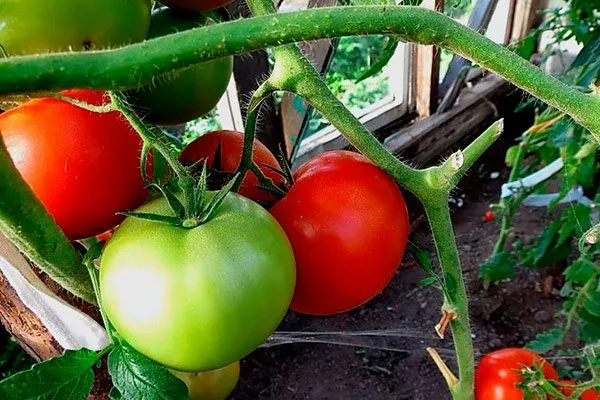
External varietal characteristics:
- The plant is a low-growing plant, reaching no more than 50 cm in height. Growth is limited, forming compact bushes without excessive spreading in diameter. Growth stops after the superior ovary has formed.
- The stems are strong and sturdy, easily supporting the weight of ripening tomatoes, eliminating the need for staking. The branches don't break even under the weight of numerous tomatoes.
- Tomato leaves have a typical tomato shape, with pointed tips. They have a smooth, hairless surface and are distinguished by a rich green color with an enviable sheen. The leaf blades are large.
- Inflorescences develop above the fifth or sixth leaf. The Kakadu variety typically forms racemose inflorescences, each bearing up to five or six fruits at a time.
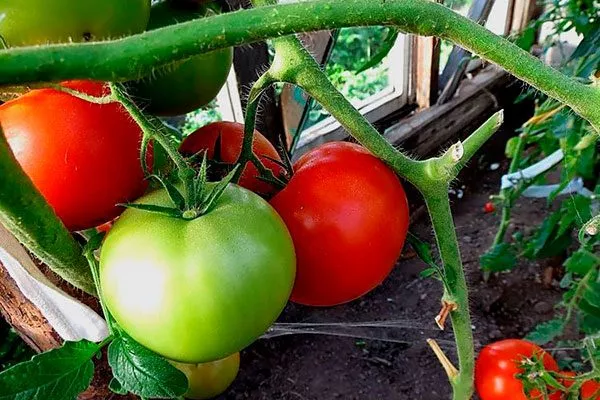
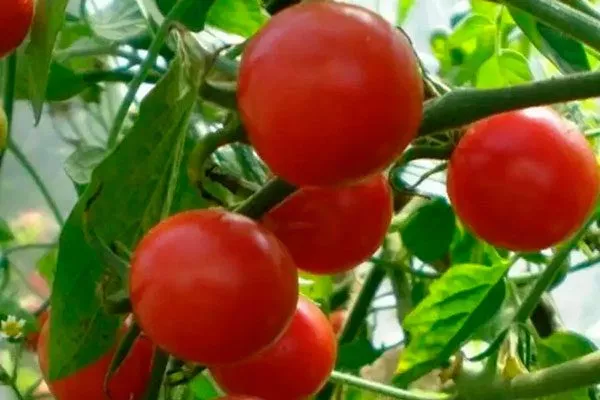
- These tomatoes have a bright red hue and smooth, shiny skin. Each tomato weighs between 180 and 250 grams. They have a smooth, rounded shape with slight ribbing and are sometimes adorned with orange spots. The stem is darker in color.
- Inside, tomatoes are juicy and tender, containing 4-6 seed chambers and a small number of seeds. The fruit tastes sweet with a slight tartness.
Main characteristics and history
Kakadu is a first-generation tomato hybrid, as evidenced by the f1 designation. This indicates that this variety was created by hybridizing two different species.
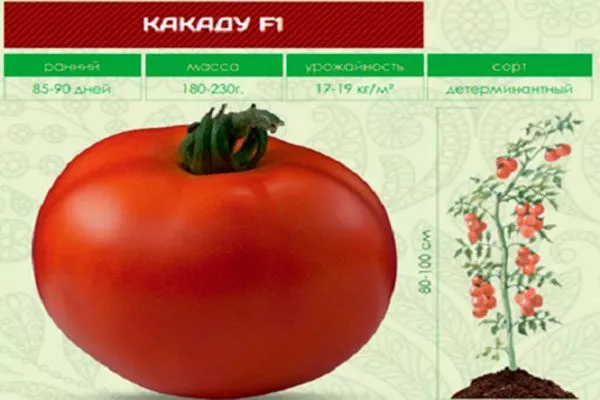
Although Kakadu is not included in the official register of Russian cultivars, it is still produced and sold in Russia, including by well-known companies such as Gavrish and Sibirsky Sad. The former's website states that the cultivar is new for 2022, indicating its recent development.
Ripening and fruiting, productivity
Kakadu is an early-ripening variety—the first fruits reach maturity by the end of the third month after sowing. The exact ripening time may vary depending on the region's climate, current weather, and growing methods—whether in a greenhouse or outdoors.
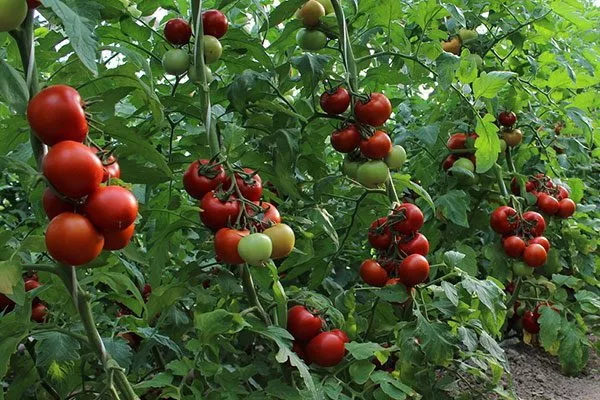
This hybrid is popular due to its competitive productivity, which increases significantly after the first harvest. Average yields are 6-7 kg per square meter during the first one or two harvests, with total yields reaching 17-20 kg per square meter.
Scope and purpose
The outer shell of the fruit is hard and smooth, making the vegetables resistant to long-distance transportation and able to be stored for a long period of time.
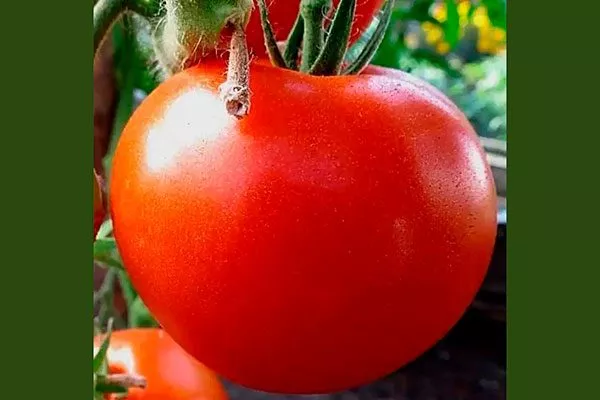
The fruits have a soft, sweet flavor with rich aromatic notes. They have a wide range of uses:
- Tomatoes are great for eating raw and can be used as a base for summer salads and holiday appetizers;
- their medium size makes them ideal for canning, pickling and drying;
- Tomatoes are used to make juices, pastes, sauces and tomato puree.
Peculiarities of fruit harvesting
The first ripe Kakadu fruits begin to ripen by the end of June. They are harvested either along with the branches or separately, depending on how they ripen.
Gardeners recommend:
- leave the fruits on the plant until they reach technical maturity and acquire a richer flavor;
- Do not tear off the stalk during harvesting, which helps increase the shelf life of the harvest.
Resistance to adverse factors and regions
This variety is highly adaptable to a variety of climatic conditions. It can withstand both hot summers and sudden cold snaps. Despite particularly wet summers with excessive rainfall, it manages to fully ripen and produces a harvest that is not only abundant but also of excellent taste.
Due to its resistance to low temperatures and rapid ripening, the hybrid is considered versatile. It is cultivated for both home consumption and commercial production in various parts of the country:
- in the southern and central regions the variety is grown directly in the garden;
- in the Urals and Siberia Greenhouses are used for agriculture.
Growing seedlings
To transplant tomatoes to a permanent location, sow the seeds 50 days before planting. The exact sowing time is determined by local climate conditions:
- in the southern regions In Russia, it is best to start sowing on February 25;
- in the northern regions It is preferable to carry out work from March 20 to April 10;
- in the central regions The ideal time for sowing is from March 20th.
Processing of planting material
Before sowing, it's necessary to pre-treat the seeds. This will increase their germination rate and protect the plants from potential future diseases. This includes:
- Before purchasing seeds, carefully read the instructions on the packaging, especially the expiration date. Check whether the seeds have been treated at the factory.
- To determine seed maturity, soak the seeds in slightly salted water for 30 minutes. Add 1-1.5 teaspoons of salt to 200 ml of warm water. Discard any seeds that float to the surface, and rinse those that sink to the bottom thoroughly under running water.
- The next step is disinfection. To do this, soak the planting material in a solution of potassium permanganate, baking soda, aloe vera juice, or a special seed treatment such as Fitosporin. Soak for 25-30 minutes.
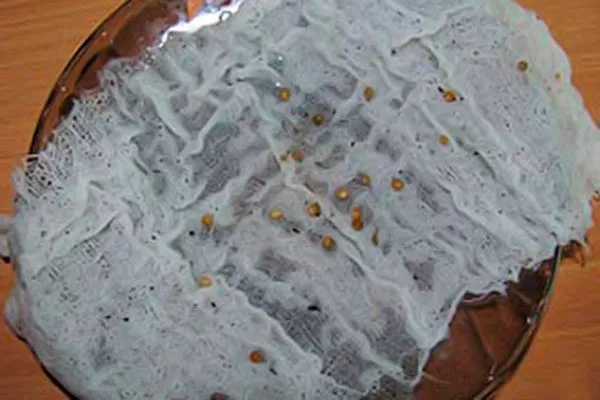
- The final stage involves stimulating seed germination. To do this, pieces of gauze are soaked in a growth stimulant or plain water, then the seeds are placed in them, placed in a saucer, covered with plastic wrap, and placed in a warm place.
Selecting containers and soil
Typically, the standard planting method is used to grow Kakadu tomatoes. The seeds are planted in sufficiently spacious containers. These can be special boxes or trays, or even improvised materials. Disposable deep plates, cake packaging, and even the trays in which prepared foods are sold are all suitable.
Please consider some recommendations:
- Seedling containers require pre-treatment. This is achieved by soaking them in a dark pink solution of potassium permanganate.
- Suitable tomato soil is available at gardening stores, but you can also make your own. Mix equal parts peat, turf, and compost. Add half a portion of sawdust, sand, or coconut coir to the resulting mixture. For every 10 kg of soil, add 200 g of ash and the amount of superphosphate specified in the instructions.
- The soil must be treated to protect the plants. This can be done by baking it in the oven or by watering it with a potassium permanganate solution.
Sowing seeds in different ways
There are many methods for cultivating seed. The most suitable for cockatoos are:
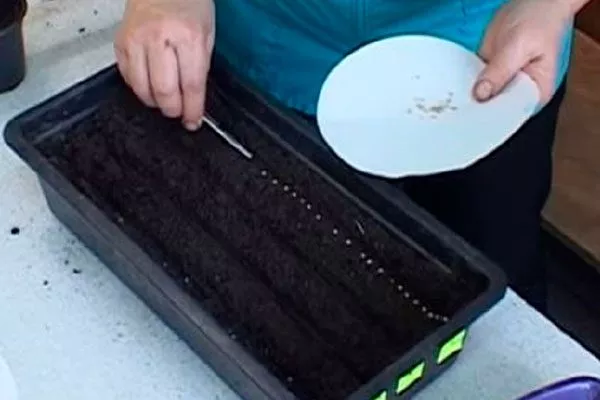
- The first one is classic. Fill the box with soil, leaving a 2 cm gap from the edge. The seeds are distributed in rows, spacing them 2 cm apart and 1.5 cm apart. Spray the soil with a spray bottle, then cover the box with plastic wrap and place it in a warm place. Once the seedlings have two true leaves, they are pricked out.
- The second is without the use of soil. To do this, place several layers of paper or napkins on the bottom of the container, add a small amount of warm water, and spread the seeds over them. Add another layer of paper on top, also soaked in water. Cover the containers with plastic wrap and place them in a warm place.
When the seeds germinate and the first cotyledon leaves appear, the seedlings are transplanted into individual pots. - The third is the use of peat tablets. To do this, prepare the tablets. Carefully place them in a deep container, opening down, and add water. Once the water has been completely absorbed and the tablets have swelled, add a small amount of water.
Then, remove the tablets, turn them upside down, and enlarge the hole in the peat with a toothpick, into which the seed is inserted. Place the tablets and seeds in a single container, cover with plastic wrap, and place in a warm place.
Caring for seedlings
It's important to carefully monitor tomato seedlings to ensure they receive proper care. Key tips:
- Water the seedlings when the soil begins to dry out. During seed germination, use a spray bottle, then use a pipette or syringe when the first leaves appear. After transplanting, use a watering can. Use room-temperature water.
- Once the seeds have sprouted, the seedling trays are moved to a well-lit location. A week after germination, the plastic wrap can be removed.
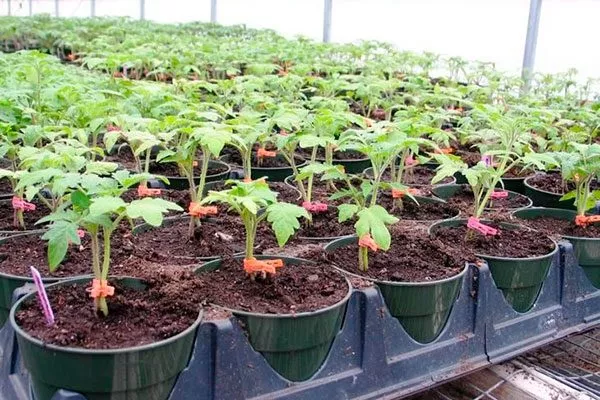
- When true leaves appear, the plants are transplanted into separate containers, carefully transferring them so as not to damage the roots.
- No watering is required for a week after transplanting. Feeding begins 10 days after transplanting.
- Fertilize the seedlings three times, alternating complex mineral preparations with vermicompost.
Transplanting seedlings to a permanent location
To plant tomatoes, wait until the soil has warmed up. It's especially important to transplant early-ripening varieties promptly, as delays can cause flower buds to appear, which can complicate their subsequent cultivation.
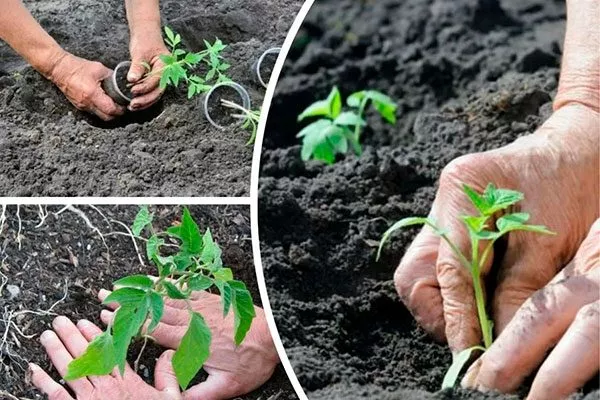
- ✓ The optimal soil temperature for transplanting seedlings should be at least 15°C.
- ✓ To prevent fungal diseases, it is necessary to ensure good air circulation around the plants.
The period for planting tomatoes varies depending on the geographical location of the farmer or gardener:
- in the south of Russia – in April-May;
- in the central regions – from May 12 to May 25;
- in the north – in June.
Tomato beds need to be prepared in advance. In the fall, the soil is dug over, weeds are removed, and it is enriched with compost, humus, and ash to improve the soil's nutritional value. Lime is added to reduce the soil's acidity. In the spring, the beds are dug over again and root debris is removed.
Transplant rules:
- the holes for planting tomatoes are arranged in a checkerboard pattern;
- the distance between plants should be 50 cm, and the depth should be 40 cm;
- No more than 5 plants are placed per 1 sq. m. - too dense planting can reduce the yield;
- Three days before transplanting tomatoes to a permanent site, they need to be watered and fertilized;
- Before replanting, plants are removed from the pots along with a lump of soil;
- The seedlings are placed in holes so that the root system is concentrated in the center;
- the holes are filled with water and then covered with soil;
- the next moistening is done after 10 days.
Caring for the Kakadu tomato
The Kakadu tomato is easy to grow, making it an ideal choice, but for success, you need to follow these care guidelines:
- Tomatoes are watered 3-4 times a week using water that has been left to settle for 24 hours. Watering should begin when the top layer of soil begins to dry out. Each plant will require 3-5 liters of water at room temperature.
Watering should be directed at the root system, avoiding the leaves. Avoid overwatering the soil to prevent root rot. During hot periods, increase watering to 5 times a week. - Nitrogen feeding of Kakadu tomatoes begins three weeks after transplanting, which promotes leaf growth. Two weeks later, phosphorus and potassium are added, which are important for fruit development.
For convenience, you can use ready-made complex preparations. Fertilizer application should be stopped two weeks before harvest. - After each irrigation, it is recommended to loosen the soil with a small rake, which promotes better penetration of moisture into the depths of the soil.
- The cockatoo is a determinate plant, so it doesn't require any special training. Leaving 2-3 stems is sufficient to ensure larger, higher-quality fruits. The tops can be trimmed with pruning shears.
Gardeners' mistakes
When growing tomatoes, novice vegetable growers often encounter certain difficulties, which are usually caused by errors in their cultivation methods:
- Using natural fabric to tie up tomatoes. Such material begins to rot when exposed to moisture, leading to stem decomposition. To avoid this, it is recommended to use synthetic materials.
- Waiting for tomatoes to self-pollinate. Although tomatoes are capable of self-pollination, without gardener intervention, yields will be low. After flowering, it's a good idea to gently shake the plants daily.
- Overfeeding. Applying too much fertilizer can result in vigorous foliage growth while the fruit is small and sparse.
- Lack of fertilizers. This contributes to yellowing and dying of leaves, and the inability to form fruits.
- Refusal of hilling. If roots appear on the tomato plant, they need to be covered with a layer of soil. Otherwise, the plant will wilt and eventually die.
Peculiarities of growing tomatoes in open and protected ground
The Kakadu tomato, which is resistant to low temperatures, is usually grown outdoors, but can also be grown in greenhouses:
- In the garden. During the first two weeks after transplanting, cover the tomato plants with plastic film at night to protect them from the cold. To protect the tomato roots from freezing, cover the beds with a layer of hay, straw, or burlap. In some situations, plastic can be used.
- In greenhouse conditions. To prevent disease, the walls are treated with disinfectants. To maintain the required humidity, the room is regularly ventilated by opening the windows. In greenhouses, special attention is paid to stimulating pollination by shaking the tomato plants daily.
Pest and disease control
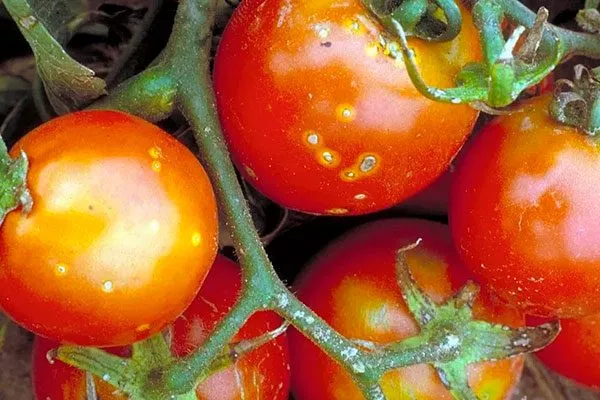
Kakadu is resistant to the most common tomato diseases: late blight and tobacco mosaic. However, preventative measures should not be ignored:
- disinfect not only the soil, seeds and containers for planting seedlings, but also garden tools;
- Carefully remove any remnants of previous crops that were previously grown in tomato beds, as they may harbor pathogens;
- Weed tomato beds regularly - foreign plants contribute to the spread of fungal and viral infections, and also attract pests;
- Follow watering rules - incorrect soil moisture creates a favorable environment for the development of infections;
- Protect your plants from pests – spray tomato plants with a soap solution, dandelion and celandine infusion, and plant strong-smelling herbs to repel them.
Similar varieties
| Name | Ripening period | Disease resistance | Growth type |
|---|---|---|---|
| Openwork F1 | 105-110 days | High | Determinant |
| Anyuta F1 | 75-80 days | Average | Determinant |
| Aphrodite F1 | 90-95 days | High | Determinant |
The Kakadu tomato, according to its description, resembles certain hybrids in its characteristics:
- Openwork F1 – An early-ripening tomato with a ripening period of 105-110 days. This determinate variety grows 80 cm tall. The fruits are crimson-red, flat-round, weigh up to 250 g, and are distinguished by their high quality flavor.
- Anyuta F1 – An ultra-early hybrid, the first harvest can be expected 75-80 days after germination. This determinate variety grows to a height of 70 cm. The fruits are flat-round, red, and weigh approximately 120 g.
- Aphrodite F1 – An early-ripening hybrid, producing its first fruits 90-95 days after sowing. Ripe tomatoes are reddish in color, round in shape, and weigh 90-110 g. The determinate bush reaches a height of up to 150 cm.
Pros and cons
Kakadu is a unique tomato variety that combines the best qualities of several different varieties. It is ideal for both open-air and indoor cultivation. It can thrive even in the harsh climates of Siberia and the Urals, as well as in central and southern Russia.
The cockatoo has no particular drawbacks, but it is noted that due to its hybrid origin, it does not produce planting material for independent sowing – its propagation is carried out exclusively by specialist breeders.
Reviews
Kakadu is a tomato hybrid with no significant flaws. It's an early-ripening variety and promises a bountiful harvest. Its bright red fruits have a sweet and pleasant flavor. Thanks to its high cold tolerance, it's ideal for growing in various climates across Russia and is an excellent choice for both beginner and experienced gardeners.