
The Izobilie tomato is a variety that combines high yields with excellent flavor. It's early maturing, so the vegetables can be harvested less than 100 days after sprouting. It's resistant to major diseases and adverse weather conditions, making it suitable for both novice and experienced gardeners.
History of the variety, description of the bush and fruits
This variety was developed by Ukrainian breeders. It's indeterminate, so it grows and produces fruit throughout the season. It's successfully grown in open ground and plastic greenhouses.
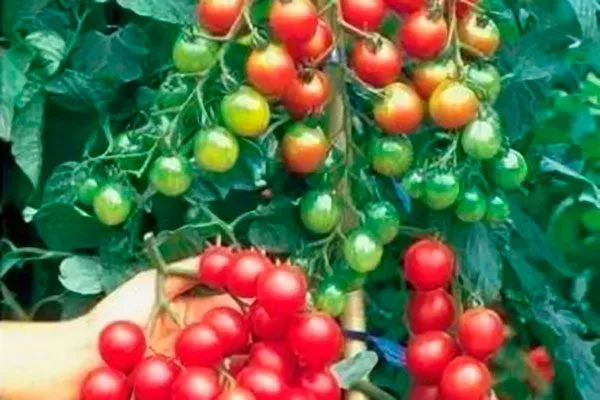
Distinctive features:
- The bush reaches 170-180 cm in height. The shoots are covered with large, rich green leaves.
- The tomatoes are small – their weight varies from 90 to 120 g. They have a round shape.
- The skin turns bright red when fully ripe and is dense, which helps ensure good storage and allows vegetables to be transported over long distances without compromising their appearance.
- Summer residents note the pleasant taste: the pulp is sweet and aromatic.
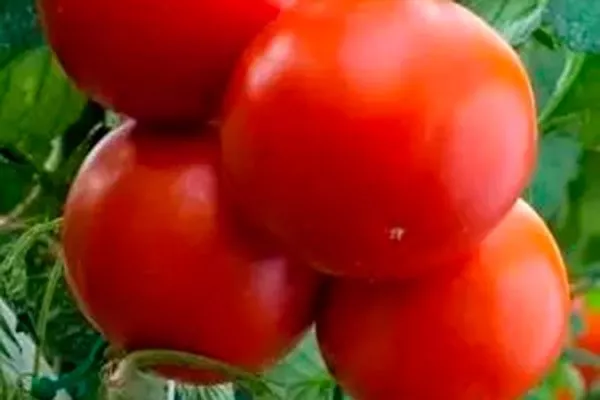
Main characteristics
This variety boasts early ripening—the first fruits are ready for harvesting just 95-98 days after germination. Izobilie is renowned for its high yield—up to 9-10 kg per square meter—making it an excellent choice for commercial cultivation.
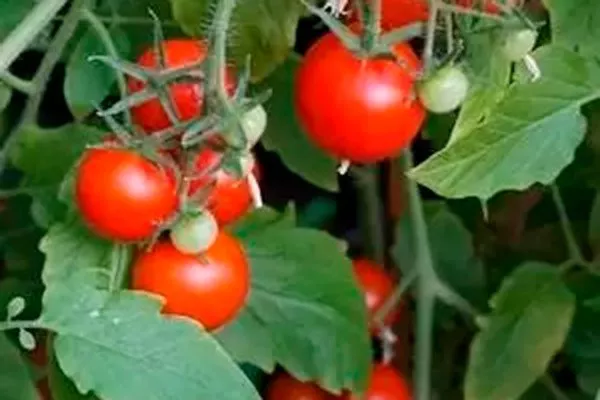
One of the main advantages of this crop is its high resistance to certain diseases, including fungal, bacterial, and viral infections. Tomatoes are also resistant to cracking and tolerate adverse weather conditions well.
Growing and care
For best results, plant Abundance tomato seedlings in the first ten days of March. Transplant the seedlings into open ground between May 15 and June 5. The optimal planting pattern is 70 x 35 cm.
- ✓ The optimal soil temperature for sowing Abundance tomato seeds should not be below +15°C.
- ✓ To prevent seedlings from stretching, it is necessary to provide additional lighting for 12-14 hours a day.
Follow these recommendations:
- Before sowing, treat the seeds to improve germination and protect them from diseases. Soak them in a weak solution of potassium permanganate for 15-20 minutes, then rinse with water. Soak them in a growth stimulant, such as Epine or Zircon, for 2 hours to speed up germination.
To harden, place the grains in the refrigerator for a few days to acclimate to temperature fluctuations. - Use light, nutritious, and well-drained soil. The optimal composition is equal parts soil, peat moss, humus, and vermiculite. You can also use a ready-made tomato soil mix.
Before planting, disinfect the seeds to prevent disease. Spray them with a hot solution of potassium permanganate or bake them in the oven.
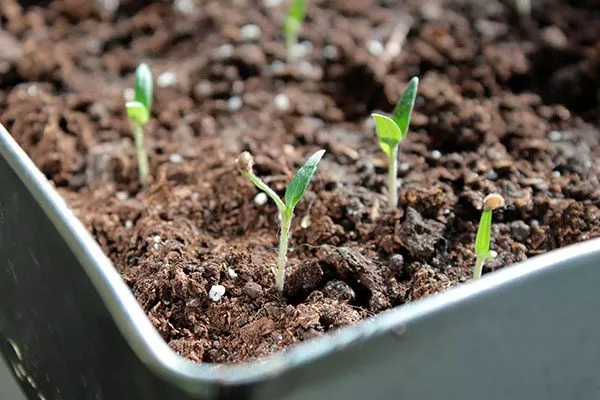
For sowing, special seedling boxes or trays are suitable. Follow these steps:
- Place the seeds at a depth of 1-1.5 cm, then moisten with warm water and cover with film or glass to create a greenhouse effect.
- Seedlings will appear in 5-7 days. After this, move the containers with seedlings to a bright location and maintain a temperature of around 20-22°C.
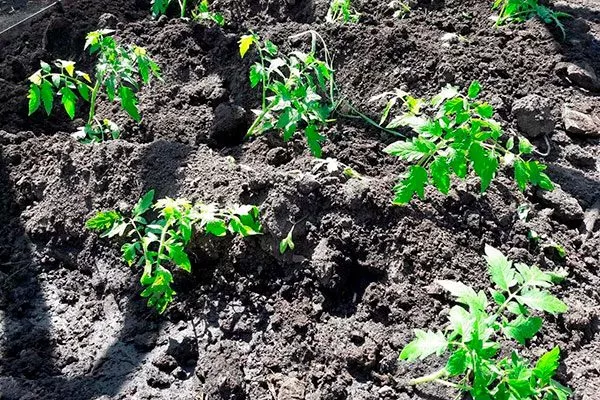
To achieve bountiful harvests, it's important to take good care of your crops. Follow standard agricultural practices:
- Watering. Provide tomatoes with regular but moderate watering. Don't allow the soil to dry out, as this can affect plant growth and development. Use warm, settled water to avoid damaging the root system.
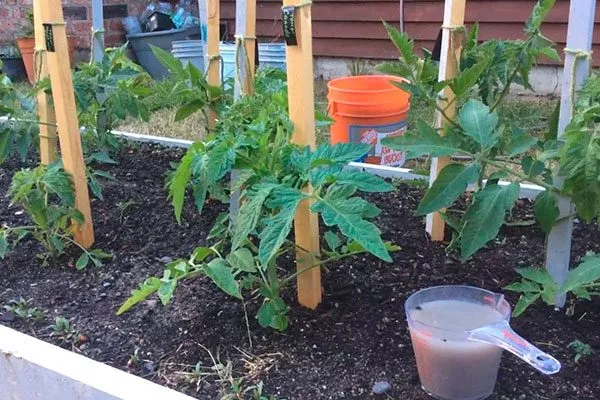
Avoid getting liquid on the leaves and stems, as this can lead to disease. Water in the morning or evening. - Top dressing. To promote vigorous growth and fruit formation, fertilize the plant 4-5 times per season. 14 days after transplanting the seedlings, apply a solution of nitrophoska or a complex mineral fertilizer. Subsequently, fertilize every 2-3 weeks, alternating organic and mineral fertilizers.
Chicken manure, herbal infusion, or ash are excellent organic fertilizers for tomatoes. Potassium fertilizers are effective for improving fruit set.

- Loosening and weeding. Regularly loosening the soil around the bushes will ensure adequate air access to the roots and prevent crusting on the soil surface. This prevents the growth of weeds, which compete with the bushes for nutrients and water.
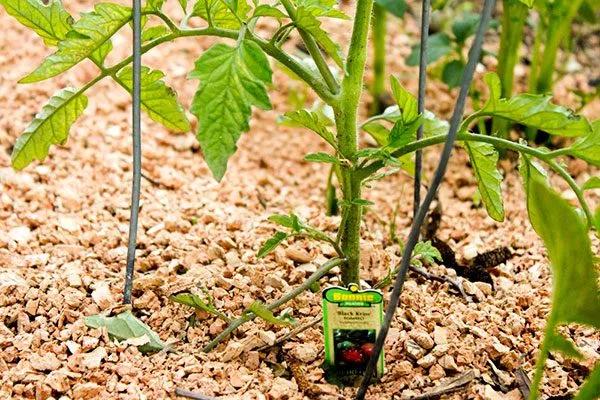
Weeding should be done manually or using special tools so as not to damage the root system. - Mulching. Helps retain soil moisture and prevents weed growth. Cover the beds with straw, grass clippings, or wood shavings. Apply a layer 3-5 cm thick.
- Pinching and shaping. To increase productivity, structure your plants properly. Remove side shoots so the plants concentrate their energy on the main stem and tomatoes. Remove side shoots when they reach 5-7 cm. Perform this procedure in the morning.
The crop has a strong immune system, but under unfavorable conditions or improper care it can be susceptible to various diseases and pests:
- Late blight. Symptoms include spots on leaves and stems and fruit rot. Treat plants with copper-containing products, such as Bordeaux mixture, and avoid overwatering.
- Aphid. It damages bushes by sucking out sap and promoting the spread of viral diseases. Use insecticides such as Aktara or Karbofos. Try folk remedies such as garlic infusion or soap solution.
- Spider mite. The pest thrives in high temperatures and low humidity. A wormwood decoction or acaricides like Actellic or Neoron will help eliminate it.
- Whitefly. It damages leaves and can carry diseases. Set traps, and in severe infestations, use insecticides such as Fitoverm or Inta-Vir.
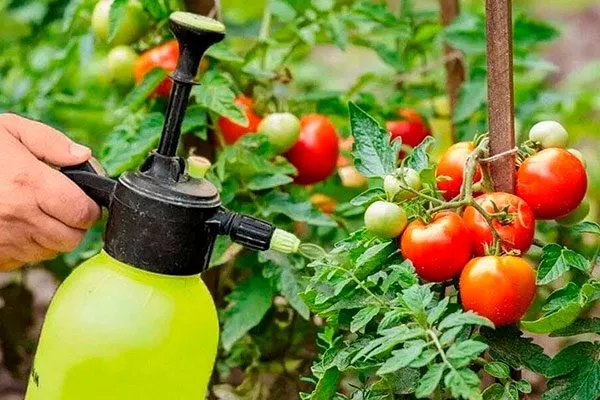
To prevent diseases and pests, maintain a proper watering regime, ensure good ventilation, and avoid overcrowding.
Pros and cons
To avoid potential difficulties during tomato cultivation, it's important to understand all the features of Abundance, including its advantages and disadvantages. It has many advantages:
The crop has no significant disadvantages, but some gardeners note the need for regular fertilizing to increase yield.
Reviews
Izobilie is an easy-to-grow tomato with excellent varietal characteristics. It yields positive results under standard cultivation practices. The vegetables store well and retain their appearance and flavor during long-distance transport, a valuable quality for commercial cultivation.