
The Italian Stallion tomato combines reliability, good productivity, and excellent flavor. Its disease resistance and versatility make it suitable for both experienced and novice gardeners. This variety will reward you with a bountiful harvest, but only with proper and regular care.
Description of the plant and fruits
This variety was developed by Italian breeders. It is a tall, indeterminate cultivar.
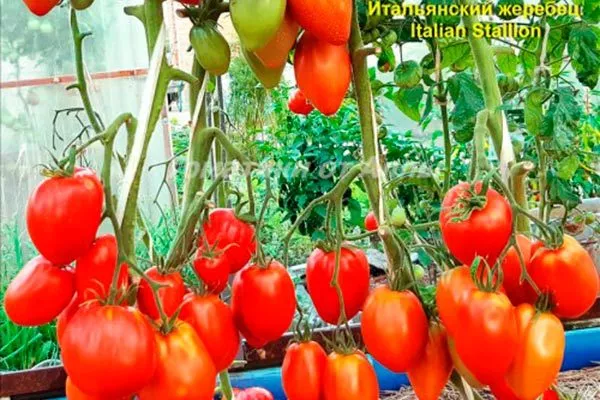
Distinctive features:
- The height of the bushes reaches 170-200 cm and more.
- The leaves are green, of the normal type.
- Plants are of medium density, with strong and stable stems.
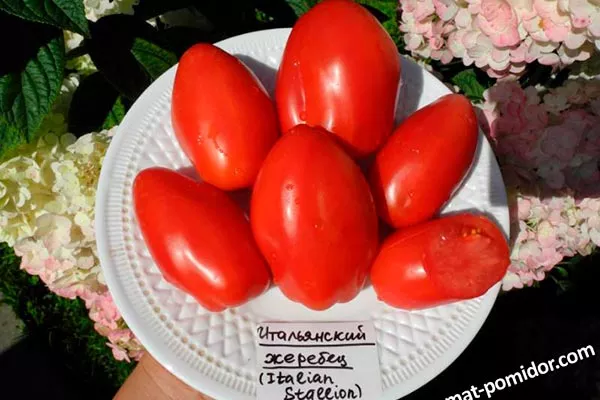
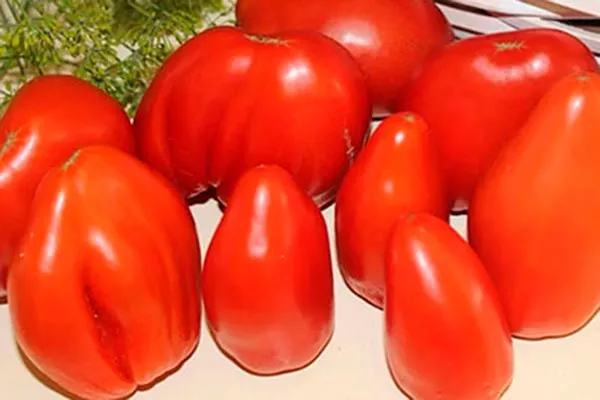
- Tomatoes are bright red, medium to large in size, weighing 150-250 g. Their shape varies from plum-shaped and cubic to slightly heart-shaped.
- More than 10 fruits form on a single cluster. They have a rich flavor, harmoniously combining sweetness and tartness.
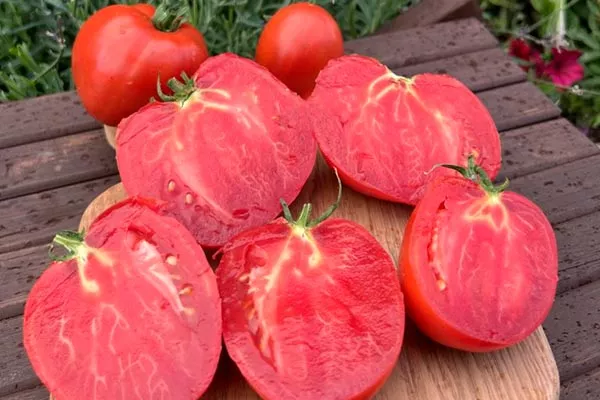
- The pulp is raspberry-colored, fleshy, juicy, and oily. The skin is thin and tender.
Characteristics of the variety
The crop is renowned for its consistent and long-lasting fruiting, making it particularly attractive for cultivation. Italian Stallion is a mid-early variety, with tomatoes ripening 90-100 days after germination.
Yields average 8-10 kg per square meter with proper care and agricultural practices. The variety is drought-resistant, but regular watering is essential for consistent fruiting, especially during hot periods, as lack of moisture can affect fruit quality.
The bushes are rarely attacked by pests and diseases. They are virtually immune to late blight due to their mid-early ripening period, which allows them to avoid the main period of disease spread. However, for prevention, treatment with fungicides and insecticides and crop rotation are recommended.
Landing features
Before sowing, disinfect the seeds with a weak solution of potassium permanganate (15-20 minutes), then rinse with clean water. To improve germination, soak them in a growth stimulant or leave them in a damp cloth for 12 hours.
Follow the recommendations:
- Sow seeds 60-65 days before you plan to plant the seedlings in the ground. Place the seeds in a prepared substrate (a mixture of garden soil, humus, and sand in a 2:2:1 ratio) at a depth of 1-1.5 cm, leaving 2-3 cm between them. Cover the containers with plastic wrap or glass and place them in a warm place (+25°C).
- After the first sprouts appear, remove the cover and move the containers to a well-lit place with a temperature of +18-20°C.
- When the seedlings have 2-3 true leaves, transplant them into separate cups or 500 ml pots to provide the plants with more space for the root system.
- Provide the seedlings with proper care. Water regularly but moderately. Two weeks after transplanting, fertilize the seedlings with a complete tomato fertilizer.
- 10-14 days before planting in the ground, begin hardening off the plants by taking them outside or lowering the room temperature to +16-18°C.
Planting seedlings in the ground:
- The site should be well-lit and protected from cold winds. Dig the soil and add organic fertilizer (humus or compost) 1-2 weeks before planting.
- Maintain a distance of 50-60 cm between plants, and 70-80 cm between rows to ensure the bushes have enough space to grow.
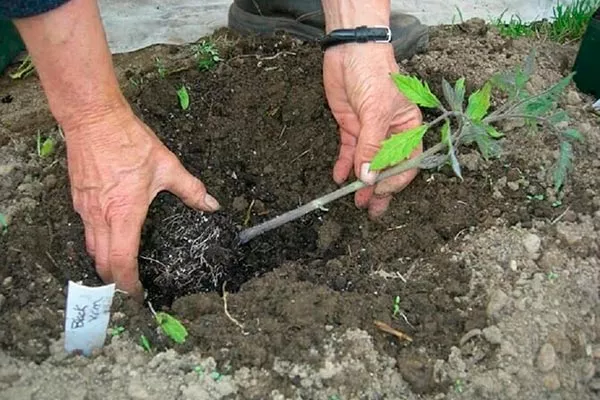
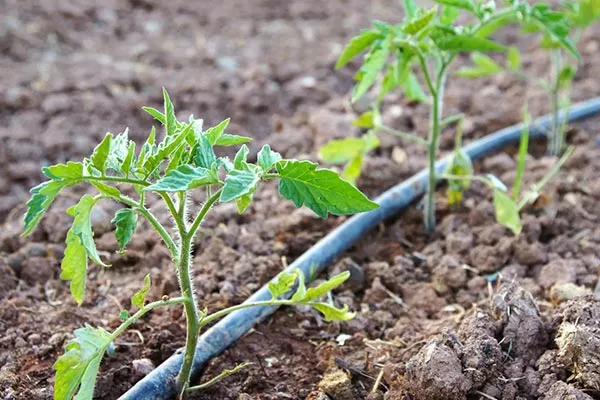
- Plant the seedlings in the ground when the danger of frost has passed and the soil has warmed to 15°C. Plant each plant deep enough to reach the first leaves to encourage additional root development.
- ✓ Optimum soil temperature for planting seedlings: +15°C.
- ✓ Distance between plants: 50-60 cm, between rows: 70-80 cm.
Subtleties of care procedures
Provide the crop with comprehensive care. Follow standard agricultural practices:
- Watering. Water the plants regularly using warm, settled water (22°C). Ideally, 1-2 times a week, depending on the weather, increasing the frequency during dry periods. Pour water at the roots to prevent drips from getting on the leaves and reduce the risk of disease.

- Top dressing. Ten to fourteen days after planting, apply an infusion of mullein or bird droppings diluted with water (1:10). During flowering, apply complex fertilizers containing potassium and phosphorus (superphosphate, potassium sulfate). During fruit set, apply wood ash or potassium-rich fertilizers.
- Mulching. Cover the beds with straw, peat, or rotted sawdust to retain moisture, prevent weed growth, and reduce temperature fluctuations in the soil.
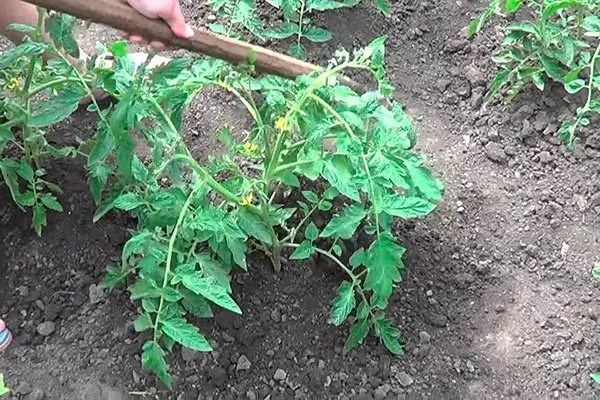
- Pinching and shaping. Remove side shoots (side shoots) every 7-10 days to prevent the bushes from wasting resources on unnecessary foliage. Train plants with one or two stems. In the first case, remove all side shoots, leaving only the main stem. In the second case, leave the main stem and the strongest side shoot.
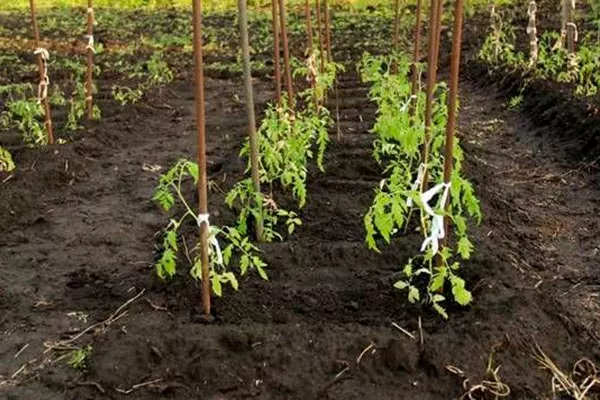
- Tying up. Proceed with the planting process 1-2 weeks after planting. Use supports, trellises, or special nets. Secure each trunk with soft cloth or special fasteners to prevent damage.
- Diseases and pests. To prevent fungal infections, regularly treat your bushes with biofungicides, such as Fitosporin. Crop rotation and proper watering (avoid overwatering) can reduce the risk of late blight and root rot.
To protect against aphids, whiteflies, and spider mites, use infusions of garlic, onion peel, or tobacco. In case of severe infestation, use safe insecticides such as Aktara or Fitoverm.
Plant repellent plants (marigolds, basil, or calendula) near tomatoes to repel pests.
Systematic care, prevention, and timely treatment will ensure healthy bushes and a bountiful harvest.
Reviews
Italian Stallion is a high-yielding tomato variety with vigorous vines and large, bright red fruits. Its mid-early ripening period and versatility make it popular and in demand. Its disease resistance and low maintenance allow for a consistent harvest even with minimal growing experience.