
The Temptation tomato variety combines excellent flavor and good productivity. It is characterized by its tolerance to various weather conditions, including heat and cold. With large, juicy fruits and good transportability, this variety is ideal for those who value quality and stability.
Features of selection
This hybrid tomato variety was developed by specialists at Tomagros Breeding and Seed Company LLC in 2010. It is characterized by an indeterminate growth pattern and is suitable for cultivation in plastic greenhouses.
Description of the bush and fruits
Plants grow to 150-200 cm and have a compact habit. The leaves are small, green, and moderately leafy. The inflorescences are simple, and staking is required to support the large fruits.
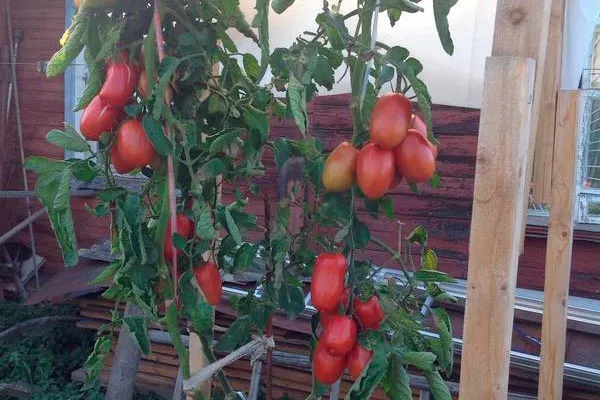
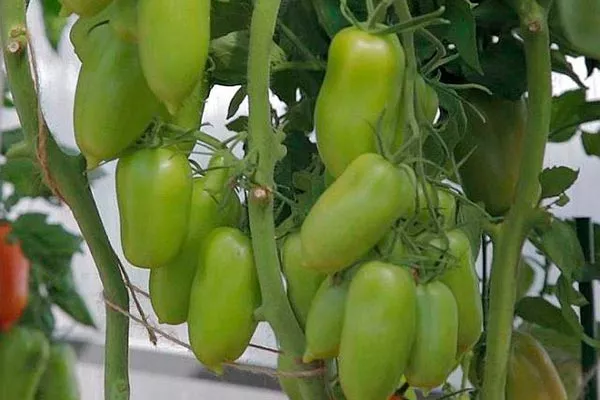
The tomatoes are impressive in size, round or slightly elongated in shape, with an average weight of 200-250 g. Individual specimens can weigh up to 500 g.
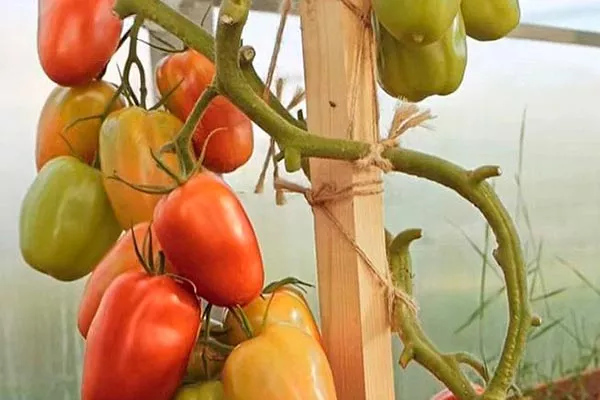
The color of vegetables varies depending on the degree of ripeness and growing conditions:
- Red - the main color of ripe tomatoes, indicating their readiness for consumption.
- Orange - indicates that it is approaching full maturity, with a possible slight sourness in the taste.

- Yellow - the color of partially ripe specimens, suitable for original dishes.
- Green - Typical for unripe tomatoes with high acidity, which are not recommended for consumption.
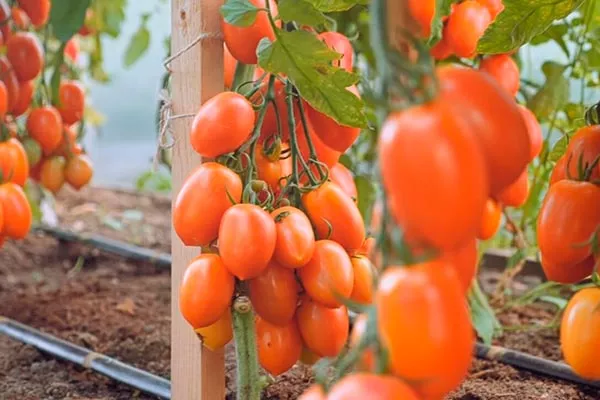
The color of the fruit depends on lighting conditions, temperature and agricultural technology, which makes their external characteristics quite diverse.
Taste and Uses
Temptation tomatoes are renowned for their bright, rich flavor, making them a versatile ingredient for a variety of dishes. Fresh tomatoes are characterized by a pleasant sweetness with a slight tartness, and their delicate texture is ideal for eating fresh.
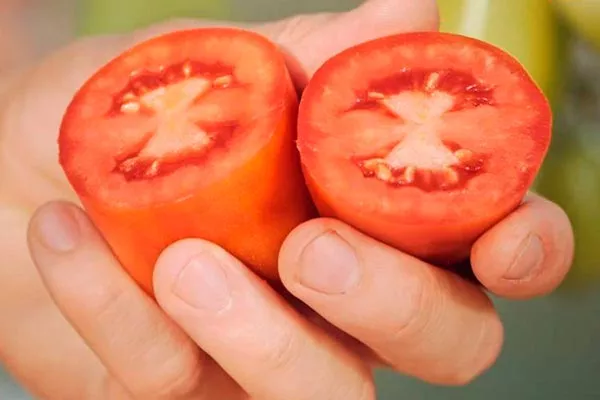
Tomatoes make an excellent base for salads, sauces, and ketchups. Their flavor pairs beautifully with other vegetables, side dishes, and meat dishes. Thanks to their flavor, this variety is widely used in cooking, delivering a unique aroma and a satisfying meal.
Ripening, fruiting and productivity
This mid-season variety requires 110-120 days from germination to full maturity. This allows you to enjoy fresh, juicy vegetables just a few months after planting.
Landing
Temptation grows best in sunny areas, so it's important to choose a well-lit location. Proper cultivation determines the yield.
Soil preparation
Tomatoes thrive in neutral or slightly acidic soil with a pH of 6.5-7. Use soil acidity adjusters if necessary.
Follow these recommendations:
- Clear the area of weeds to eliminate competition for moisture and nutrients.
- Improve the soil structure by loosening it to allow oxygen to reach the roots and facilitate water absorption.
- Use humus, compost or other organic amendments to improve soil fertility and stimulate fruiting.
- Create even beds of optimal width for easy planting.
Careful soil preparation will provide the Temptation tomatoes with comfortable conditions for growth and development, allowing them to achieve high yields and excellent fruit quality.
Sowing seeds and caring for seedlings
To successfully grow healthy, high-quality seedlings, it's important to follow certain rules. Follow these tips from experienced gardeners:
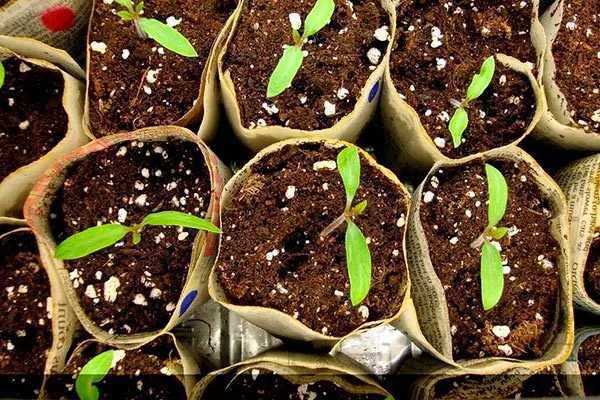
- Sow seeds in early spring, 6-8 weeks before the last frost. Use light, fertile soil with humus or peat added. Place the seeds in pots or seed trays at a depth of about 1 cm. Moisten the soil and cover the containers with plastic wrap to create a greenhouse effect.
- Once the seedlings emerge, remove the plastic wrap and provide the plants with sufficient light. Water with warm water and fertilize with seedling fertilizer every 10-14 days. To boost the plants' immunity, use a weak solution of micronutrients.
- Before planting in the ground, gradually acclimate the seedlings to the open air, increasing the time spent outdoors every day.
- When transplanting seedlings to the site, maintain a distance between them to ensure optimal growing conditions. Install supports (stakes or netting) to support the stems.
- ✓ Optimum temperature for seed germination: 23-25°C.
- ✓ Critical period for pinching out side shoots: before the shoots reach 5 cm in length.
Lighting and watering requirements
Tomatoes prefer bright sunlight—they should receive at least 6-8 hours of light per day. Insufficient natural light can cause plants to stretch, which reduces productivity. To compensate for this lack of light, use phytolamps.
To ensure healthy tomato growth, especially in hot weather, ensure regular watering. The soil should be moist, but not overly soggy to prevent root rot and fungal diseases. Frequency depends on conditions – approximately 2-3 times a week.
Care
Caring for your crop involves a few simple steps. Follow these basic care techniques:
- Remove side shoots (suckers) that appear in the leaf axils to improve ventilation and direct the plant's energy toward developing tomatoes. Repeat this procedure in the morning every 7-10 days.
- Tie the bushes to trellises or stakes to prevent lodging and ensure even light distribution. Use soft rope or fabric straps to avoid damaging the stems.
- Apply the first fertilizer 10-14 days after planting: organic or complex fertilizer. During flowering, use phosphorus-potassium compounds, and during fruiting, use ash infusion and potassium compounds.
Water the bushes at the roots with warm water, avoiding over-watering.
Treatment and prevention of diseases and pests
Despite its strong immunity, the "Iskushchenie" variety is susceptible to late blight, a fungal infection that attacks the roots, stems, and fruits. They become spotted and turn light green. Moderate watering and fungicide treatments are key for prevention.

| Disease | Resistance of the Temptation variety | Recommended preventive measures |
|---|---|---|
| Late blight | Average | Treatment with fungicides, moderate watering |
| Powdery mildew | Low | Ventilation of the greenhouse, removal of affected leaves |
Occasionally, the plant suffers from powdery mildew, which appears as a white coating on the leaves, causing them to turn yellow and fall off. Ventilate the greenhouse and remove affected leaves.
To protect plants from aphids, whiteflies, and other pests, conduct regular inspections and use insecticides or biological control methods. Timely prevention and treatment will help keep plants healthy and ensure a bountiful harvest.
Pros and cons
The crop boasts numerous characteristics that appeal to both novice and experienced gardeners. Among its advantages are its ability to be transported over long distances, its high tolerance to low temperatures, and its good drought tolerance.
This variety has no significant drawbacks. The only negative aspect is the need for pinching and shaping to maintain optimal growth and productivity.
Reviews
The Temptation tomato is deservedly popular due to its drought resistance and high productivity. This variety offers a pleasant flavor and requires minimal care if basic growing guidelines are followed. Achieving a high-quality and consistent harvest is easy if you follow a few rules.