
The Irish Liqueur tomato is characterized by a good yield and the ability to produce fruit both in the open field and in greenhouses. It is a determinate variety, so the plant height is limited. A key feature is the unusual color of the tomatoes, which turn green-yellow when ripe, making it difficult to determine when they are ripe.
Origin and places of cultivation
Irish Liqueur was developed as a first-generation hybrid, as evidenced by the F1 designation on the seed packaging. It was officially registered in the Russian State Register in 2021, and a proposal for its introduction was submitted in 2019. The developers were breeders from the agricultural firm "Heterosis Selection":
- T. V. Steinert;
- A. V. Aliluyev;
- N. S. Teplova;
- V. Yu. Volkov;
- L. M. Avdeenko.
The hybrid is recommended for cultivation in the Northern, Northwestern, Central, and Volga-Vyatka regions. It is also cultivated in the Central Black Earth Region, the Northern Caucasus, the middle and lower Volga, the Urals, Siberia (including Western and Eastern Siberia), and the Far East.
Description of the bush
Irish liqueur has a medium-sized bush – the height can vary depending on growing conditions: in open ground it reaches 100-120 cm, in closed ground – up to 150 cm.
Unique characteristics include the following:
- strong and tall stem;
- moderate amount of leaves;
- moderate tendency to form stepsons;
- leaves with an elongated shape and a pointed end, covered with fine downy pubescence, light green in color;
- simple type of inflorescence;
- the first fruit cluster is formed above the 9th leaf, the subsequent ones – every 2-3 internodes;
- the fruits are located on the bush in the form of clusters;
- Each brush contains 3 to 5 tomatoes.
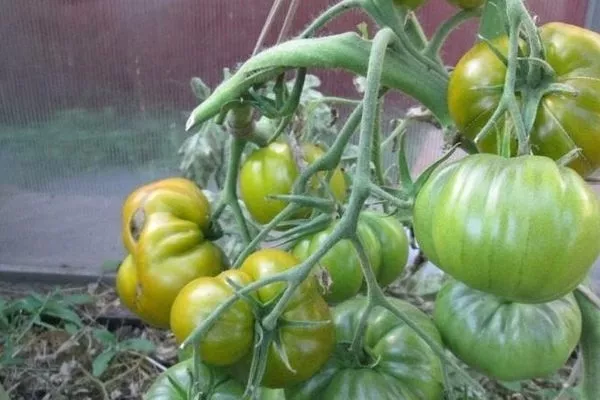
Fruit characteristics
The bushes of this species produce large vegetables, weighing from 200 to 300 g, with some reaching a weight of 600 g. Other indicators:
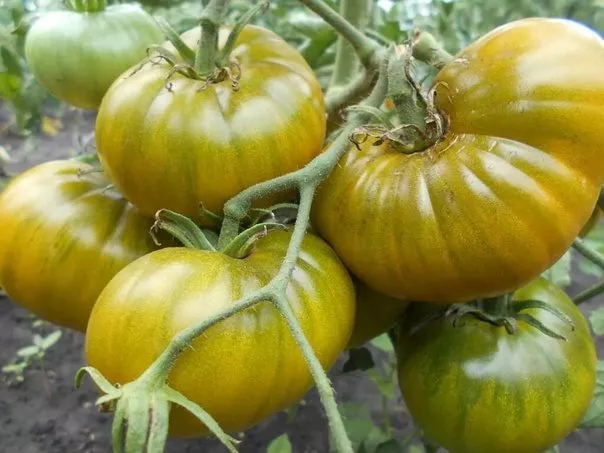
- the skin is light green with a yellowish tint and decorated with dark green stripes;
- the flesh is green with a lighter center and dark areas around the seeds;
- Irish liqueur has a round shape with a slightly flattened top and noticeable ribbing at the base;
- the fruits are juicy and soft, and also contain a large amount of pulp;
- the taste is sweet with a slight sourness and a unique aftertaste;
- each fruit contains six to seven chambers with small seeds inside;
- Tomatoes are not very stable during transportation, as the flesh quickly becomes soft and is susceptible to damage under pressure – they are stored for no more than two weeks.
The green color of tomatoes is due to their high levels of chlorophyll, which has a beneficial effect on health by regulating important processes in the body. Furthermore, these tomatoes are less likely to cause allergic reactions than red varieties.
Main characteristics
This warm-loving crop is sensitive to temperature fluctuations. Therefore, greenhouses and plastic shelters are recommended for growing bushes in the northern and central regions, while in the south of the country, they can be grown directly in the open garden.
Ripening and fruiting, productivity
The hybrid reaches maturity in mid-late season—its fruits are ready for harvesting approximately 115-120 days after the first shoots emerge. Fruit set occurs on the branches before frost.
The average yield per bush is about 4 kg of tomatoes. With four plants per square meter, the hybrid's productivity can reach 14-16 kg.
Application
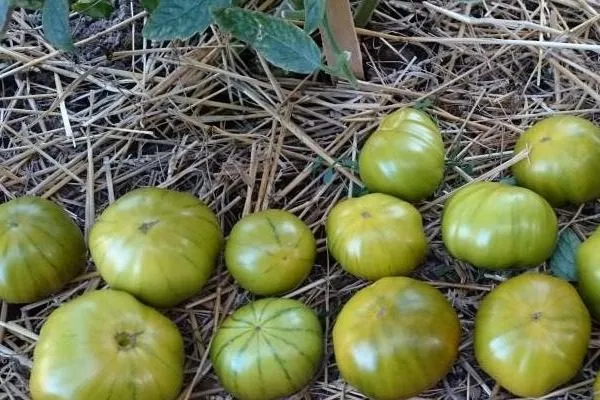
The fruit's transportability is poor due to its softness and susceptibility to damage even under light pressure. Its shelf life does not exceed two weeks. However, Irish liqueur is a variety distinguished by its exquisite flavor: sweet, with a fruity aroma and a slight tartness.
Therefore, this is a salad variety, the fruits of which can be used not only for salads but also for making juices and sauces of unusual colors. Red and yellow tomatoes look colorful when immersed in green tomato sauce.
Growing seedlings
Seeds of exotic varieties are rare on the market, so you'll have to grow them yourself. However, Irish Liqueur is a hybrid, so you'll need to purchase planting material annually. Several agricultural companies offer it:
- "Ural summer resident";
- "House of Seeds".
- ✓ Check the expiration date of seeds, as old seeds may have low germination rates.
- ✓ Pay attention to the seed producer; give preference to proven agricultural firms.
Seed preparation
Seeds should be sown in March. No more than 55 days pass from the time the first green leaves appear until the tomatoes are transplanted to their permanent location. Before sowing, the seeds must be prepared by treating them with various compounds to minimize the risk of future infection, increase their resistance to external conditions, and accelerate germination. This preparation process includes:
- Germination test. The seeds should be soaked for half an hour in slightly salted water, where the good seeds will sink to the bottom and the empty ones will float. After checking, they are rinsed and dried.
- Disinfection. This step helps rid the seeds of any pathogens that may be present on their surface. At home, various solutions are commonly used:
- light pink solution of potassium permanganate (25-30 minutes);
- hydrogen peroxide (10-15 minutes);
- soda solution (10-12 hours);
- aloe juice (11-12 hours);
- the drug Fitosporin (4-6 hours).
- Growth stimulation. Soaking planting material in a solution of Epin, sodium humate, Zircon or honey water.
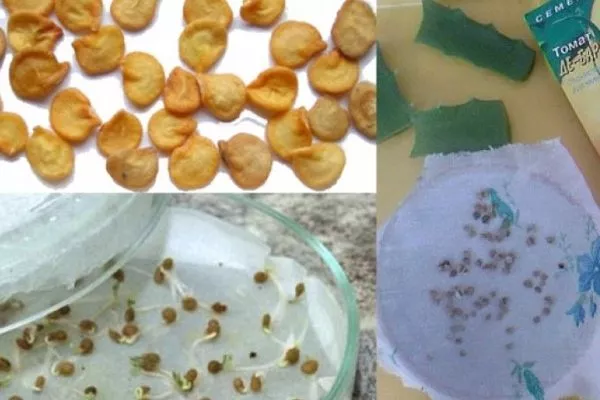
- Germination. This step is optional, but very helpful. To germinate, place the seeds in cheesecloth, soak them in warm water or a growth stimulant, place them in a deep saucer, cover with plastic wrap, and place them in a warm place. The embryos will appear in 2-3 days.
Selecting containers and soil
To start tomato plants, a single, large container system is often used. Such structures can be made of wood or plastic, for example, from old crates or plastic cassettes. Alternatively, you can use various household items, such as deep disposable plates, containers from meat products, prepared foods, and sweets.
Once the tomatoes reach the desired size, they are transferred to individual containers. Peat pots are the best choice here, as they can be left in place during transplanting, eliminating the risk of damaging the roots. Large plastic cups, cut-off bottles, and other similar items are also suitable.
Before using containers, they need to be sanitized. This can be done by pouring boiling water over them or soaking them in a potassium permanganate solution for 30 minutes.
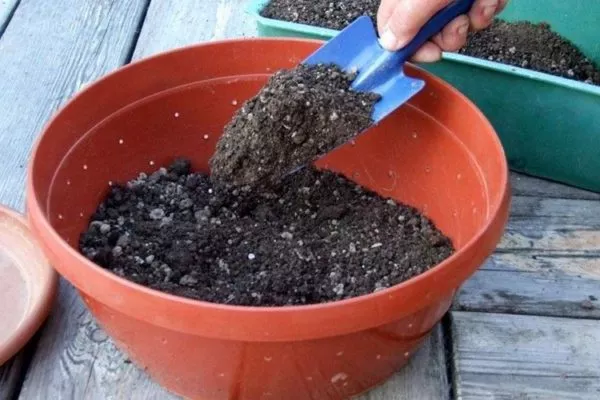
Substrate:
- For growing tomatoes, it is best to use a specially prepared soil mixture, which can be purchased at a specialty store or prepared yourself.
- It is essential to treat the soil with disinfectants such as potassium permanganate, copper sulfate, or boiling.
- To create your own soil mixture, it is recommended to use equal parts of peat, black soil, and humus/compost. Add sand and ash to this mixture.
Sowing of planting material
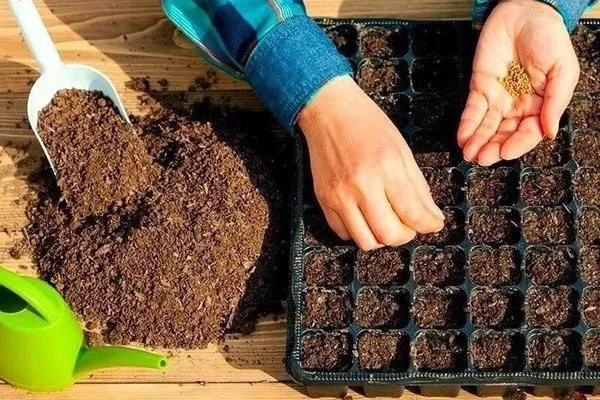
Place the soil mixture into the seeding containers and thoroughly fill it with warm water that has been allowed to settle for several hours. Then, make shallow furrows at 3 cm intervals, and carefully place the seeds in these furrows, spaced 2 cm apart. Then, carefully cover with soil.
The containers with the seeds are covered with plastic film and placed in a cool, but not cold place, where the lighting can be any.
When using peat tablets for sowing, the procedure is different:
- the peat must first be soaked in hot water so that it swells well;
- then one seed is carefully inserted into each tablet;
- The sown tablets are placed in one large container, covered with film and placed in a warm place.
Caring for seedlings
Many novice gardeners avoid growing seedlings, fearing that caring for them will be too time-consuming and labor-intensive. But by following simple guidelines, you can easily grow high-quality plants:
- To allow the seeds to germinate, they are kept under plastic wrap, which creates the high humidity necessary for tomatoes at the initial stage. The soil is moistened with a spray bottle when it begins to dry out slightly.
- After the first green shoots appear, the boxes with seedlings are moved to a bright place where the temperature is maintained in the range of 15-17 degrees.
- After a week, the containers are returned to warm conditions. At this stage, tomatoes require 16 hours of light. In spring, natural light is usually insufficient, so experts recommend using fluorescent lamps.
- After the seedlings have developed their first true leaves, they are transplanted into individual pots with a drainage layer placed at the bottom.
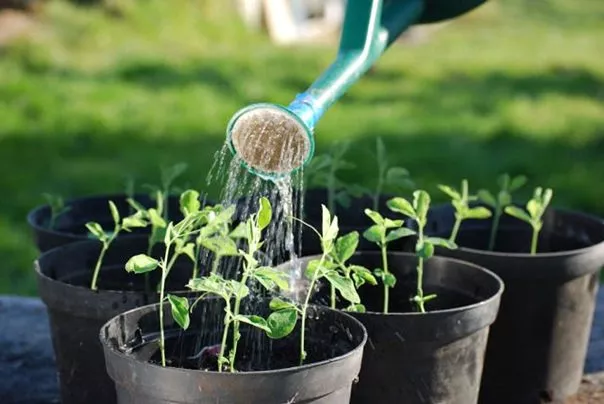
- The seedlings, planted in individual containers, are watered through a watering can, avoiding water getting on the leaves.
- Tomatoes are fed three times during their growing season, using seedling fertilizer, vermicompost, or complex mineral mixtures. The first feeding is applied two weeks after transplanting, and the last three days before planting outdoors.
- Two weeks before transplanting to their permanent location, the bushes begin acclimating by being placed outdoors. On the first day, for 30 minutes, on the second for an hour, on the third for two hours, and so on.
Agricultural technology
In the southern regions of our country, tomatoes are planted outdoors as early as May 1-5. Meanwhile, in the central regions, seedlings can be placed in unheated greenhouses. In northern Russia, tomatoes are only moved indoors towards the end of the same month.
Transplanting seedlings to a permanent bed
Before transplanting the seedlings to their final location, they should be watered and fertilized three days beforehand. To ensure abundant fruiting, select a suitable site. It should be well-drained and free of nightshade crops for the past three years.
Preparing the site and planting bushes:
- In the fall, the selected area should be plowed and cleared of plant debris. Compost and dry limestone are added to the soil to increase its fertility and improve its acidity.
- In the spring, the area should be dug over again, removing any excess roots that have taken hold over the winter. The soil is treated with a copper sulfate solution.
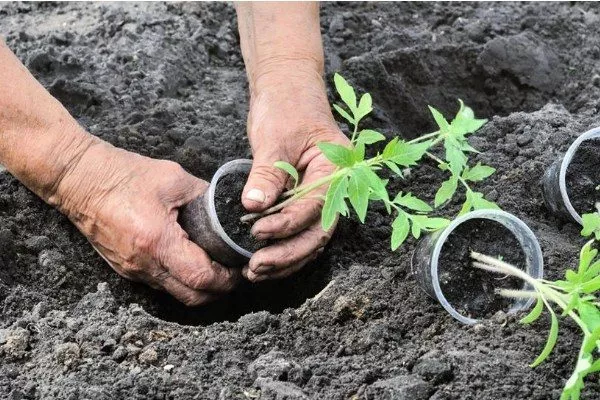
- For planting, dig holes in a checkerboard pattern, with a distance of 60-70 cm between rows and 50-55 cm between bushes. It is recommended to place no more than three to four plants per square meter.
- Add a handful of wood ash or granular slow-release fertilizer to each hole. Then carefully place the plant in the hole, aligning the roots in the center. Bury the stem up to the first pair of leaves.
- After planting, each plant must be watered with warm water; at least 1-1.5 liters of liquid is required per plant.
Caring for tomatoes
Medium-sized tomatoes require support to prevent their shoots from breaking under the weight of the fruit and foliage. Use wooden or metal stakes and tie the stems to them with synthetic ribbons or pieces of fabric. Follow these other recommendations as well:
- Leave one to three stems on the bush. The more shoots, the more fruit will be produced, but their size will be smaller.
- When shaping the bush, remove not only side shoots but also yellowing and drying leaves at the base of the plant. Perform this process carefully to avoid stressing the tomato plant due to loss of foliage.
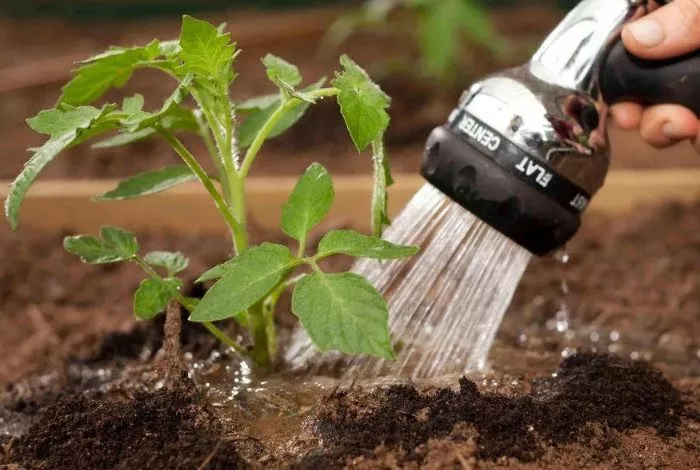
- Water generously, but not too frequently. Use 3-5 liters of water per tomato planting, and do this early in the morning or late in the evening.
- After each watering or rain, loosen the soil around the plant to prevent crust formation and improve root respiration.
- Fertilize three to four times during the season, alternating organic and mineral fertilizers. Avoid using fresh manure, as it can burn tomato roots.
- Apply foliar feeding twice per season using commercial fertilizers. Formulations containing boron are preferred to accelerate fruit ripening and improve their flavor.
Helpful tips
To achieve the largest possible harvest of Irish Liqueur tomatoes, it's recommended to follow a few helpful life hacks from experienced gardeners:
- If you miss watering, don't immediately increase the amount of water. This is especially true when tomatoes are just beginning to ripen. The lack of moisture should be compensated for with small, spaced-out doses of water.
- For effective soil moistening, it is recommended to use a drip irrigation system.
- Experienced gardeners use an original method: they place a ring made from a cut-off bottle around the roots of the tomato plants. This creates a protective barrier against pests and promotes faster water flow to the roots.
- To enhance the pollination process of tomatoes, it is recommended to shake the bushes periodically.
- When you trim the leaves above the fruit, tomatoes begin to ripen faster.
- Stepchildren are removed from bushes no more than once a week, with no more than three shoots removed per procedure.
- In open ground, tomatoes are covered with plastic film for the first two weeks after transplanting. However, this is removed during the day, and on cold days, it remains on the plants 24 hours a day.
- Before planting seedlings in the greenhouse, the walls are treated with copper sulfate. To maintain aeration, the room is ventilated daily by opening the windows.
- In August, they begin to collect the first ripe fruits, which are picked one at a time, since this variety does not ripen at the same time.
- You can tell tomatoes are ripe by their yellow-green hue and softness to the touch. However, be careful not to press too hard on the tomatoes to prevent them from spoiling quickly.
Pest and disease control, prevention
It is generally accepted that the hybrid has increased resistance to the most common diseases affecting nightshade crops. These are:
- late blight;
- Cladosporiosis;
- various forms of rot.
However, to ensure the well-being of plants, it is necessary to carry out preventive measures:
- disinfect the soil and planting containers, as well as the environment in which the bushes and seeds grow;
- clear the beds of plant debris before planting bushes;
- thoroughly clean the greenhouse from dirt and pathogens using a solution of copper sulfate, and also install sulfur candles for disinfection at the beginning of autumn;
- maintain a stable watering and fertilization regime.
- spray plants every week with a solution of potassium sulfate, Bordeaux mixture;
- Provide protection against insects using soap solutions or wormwood decoction; manually remove large beetles from branches.
- adhere to crop rotation rules, avoiding successive cultivation of the same crops in the same bed;
- Frequently ventilate the greenhouse to prevent moisture accumulation, which can lead to the development of fungi.
Pros and cons
Reviews
The Irish Liqueur tomato surprises consumers with its uniqueness—ripe fruits are green and completely contrary to conventional expectations: they are not hard and sour, but soft, sweet, and fruity in flavor. These tomatoes are ideal for dietary use due to their low allergen sensitivity and high nutritional content. And growing these unusual tomatoes is not as difficult as it seems.