
The Irina tomato is an early-ripening hybrid characterized by high resistance to diseases and adverse conditions. The fruits have excellent flavor and a long shelf life. The bushes are compact but require support, and the yield is high, making this variety ideal for both open-field and greenhouse cultivation.
History and regions of cultivation
Yuri Panchev worked on the selection process. In collaboration with breeders from the research institute, he developed a universal variety, which was added to the State Register of the Russian Federation in 2001.
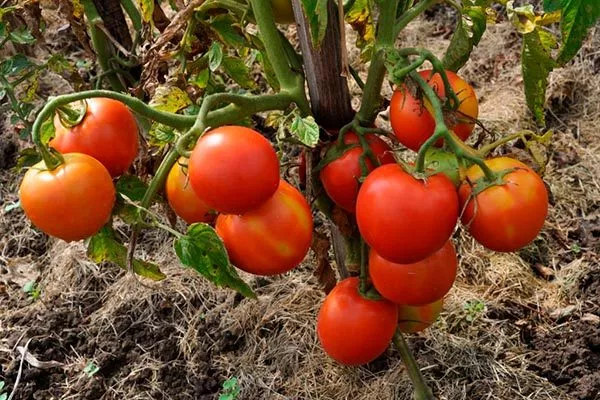
The Irina F1 tomato is recommended for cultivation in virtually all regions of Russia due to its versatility and adaptability. It is well suited for both greenhouses and open ground:
- In the southern regions, including the Krasnodar Territory, Rostov Oblast, and Crimea, it is cultivated in garden beds.
- In the central regions, including the Moscow and Nizhny Novgorod regions, as well as in the North-West, it is more often grown in greenhouses due to the changeable climate.
- In Siberia and the Urals, bushes are planted exclusively in protected soil to obtain a stable harvest.
Description of the variety
The hybrid has proven itself in private gardens and is widely used in commercial production due to its excellent marketability. The fruits are resistant to damage and retain their shape during transportation, making the variety a profitable option.
Appearance, taste characteristics
This is a determinate variety with limited growth, so pinching is not required. The plant stops growing on its own after forming several clusters.
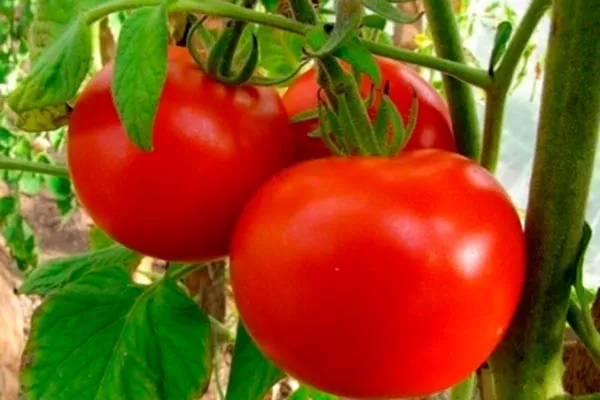
Distinguishing characteristics:
- The bush is not standard, with a stem of medium strength, dark green, slightly wrinkled leaves without pubescence.
- Tomatoes have simple inflorescences. The first flower cluster forms above the sixth or seventh leaf, with subsequent clusters appearing one or two leaves later. Each cluster can produce up to seven fruits. The peduncle is jointed, making harvesting easier.
- The tomatoes have a smooth, round shape, slightly flattened at the stem and tip. Each tomato reaches 6 cm in diameter and weighs between 110 and 120 g.
- The skin is dense, smooth, yet thin, protecting the fleshy, juicy, and tender pulp. When unripe, the fruits are light green, unblemished, and when ripe, they are a rich, dark red.
- Tomatoes have an excellent sweet flavor with a sugar content of approximately 3% and dry matter of up to 6%. Each fruit contains four or more seed chambers containing a small number of seeds.
- ✓ Resistance to late blight and other diseases of nightshade crops.
- ✓ The ability of fruits to retain their shape and taste during transportation.
Scope of application, benefits
Tomatoes are perfect for eating fresh, adding flavor and juiciness to vegetable and mixed salads. They are used as a base for salsa, marinated for bruschetta, dried, and added to hot sandwiches.
Their meaty texture and rich flavor make these vegetables ideal for sauces and pastes. They add a piquant flavor to adjika and are a wonderful ingredient for winter salads and other preserves.
Irina tomatoes are not only delicious but also healthy thanks to their rich composition. They contain numerous vitamins and minerals that have a beneficial effect on the body:
- Vitamin C – strengthens the immune system, helps fight infections and accelerates tissue regeneration.
- B vitamins – improve metabolism, support the health of the nervous system and help fight fatigue.
- Lycopene – a powerful antioxidant that reduces the risk of cardiovascular disease, fights inflammation and prevents certain types of cancer.
- Potassium – Essential for heart health, helps regulate blood pressure and maintains water-salt balance.
- Fiber - improves digestion, helps normalize intestinal microflora.
Their low calorie content makes tomatoes an excellent choice for a diet. Thanks to their sugar content (approximately 3%) and dry matter (6%), tomatoes not only provide the body with nutrients but also help maintain a good mood thanks to their pleasant sweet taste.
Ripening and yield
This early-ripening variety produces its first harvest as early as 95 days after germination. Harvesting begins in early July and continues until the end of August.
The hybrid is highly productive – a single bush can yield approximately 6 kg of tomatoes, and when grown in a heated greenhouse, the yield can reach 9 kg. This makes the variety attractive for both home gardens and commercial cultivation.
Resistance to adverse conditions, diseases and pests
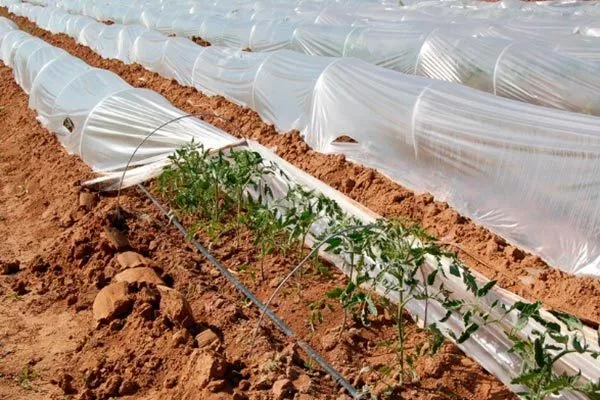
The hybrid can tolerate late frosts even without cover. However, to improve plant protection and retain moisture in open ground, it is recommended to use agrofibre or mesh as an alternative to mulch to improve growing conditions and minimize the impact of adverse weather conditions.
The Irina variety is resistant to late blight, immune to the main diseases common to nightshade crops, and rarely suffers from fusarium, verticillium wilt, and tobacco mosaic virus. However, it is susceptible to cladosporiosis (fungal brown spot).
Growing seedlings
The crop is grown from seedlings, which are then transplanted into the garden or greenhouse. Seeds are sown 50-60 days before the planned transplanting to a permanent location.
- ✓ The optimal soil temperature for sowing seeds should not be below +15°C.
- ✓ To prevent seedlings from stretching, it is necessary to provide additional lighting for 12-14 hours a day.
Preparing the soil and sowing seeds
Hybrid seeds don't require disinfection, as they undergo special treatment. To accelerate germination and strengthen the immune system, soak the seedlings in growth stimulants such as Epin Extra, Heteroauxin, Radipharm, Biostim, or Kornevin, following the package instructions.
To grow seedlings, prepare a nutrient substrate of the following composition:
- turf soil – 60%;
- humus – 30%;
- river sand – 10%.
For each bucket of soil add:
- 20 g of ammonium nitrate or carbonite;
- 50 g Superphosphate;
- 20 g potassium sulfate.
Before use, disinfect the soil mixture by heating it in an oven, microwave, steamer, or treating it with a strong solution of potassium permanganate.
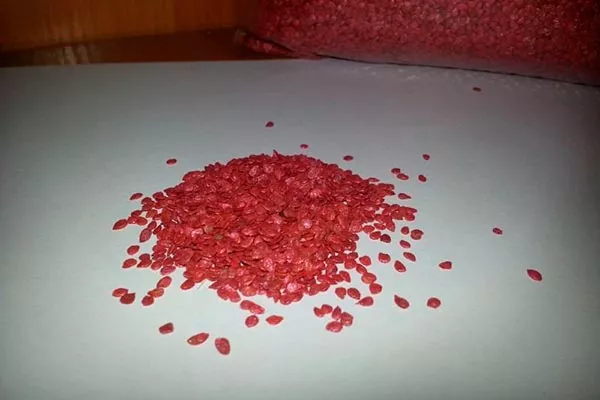
Step-by-step algorithm:
- Place the seeds in moistened soil to a depth of 1.5-2 cm at intervals of 2 cm, using special cassettes, plastic trays or seedling boxes.
- Cover the containers with plastic wrap.
- Place the containers with seedlings in a dark place with an air temperature of about +25°C.
To prevent mold from forming, remove the cover daily for short periods of airing.
Growing seedlings and transplanting
The first shoots appear 7-10 days after sowing. For successful growth, maintain proper care, including regular watering. If you sowed the seeds in a common container, transplant the seedlings after two true leaves emerge.
Follow the recommendations:
- The first step before planting in the ground is hardening off. Seedlings will thrive if they are gradually acclimated to cooler temperatures. To do this, move the plant containers outdoors, gradually increasing the time they spend outside.
- To increase drought tolerance, reduce watering of seedlings to once a week.
- Plant the seeds 1-2 months after germination. The soil should be fertile, and the area sunny and protected from drafts.
- Before planting, clear the beds of debris, loosen them, and treat them with a copper sulfate solution. After the soil dries, dig over it and apply fertilizer.
Care
Caring for the bushes is key to obtaining a high-quality and abundant harvest. The variety is resilient to adverse conditions, but for maximum results, it's essential to follow proper agricultural practices.
Watering and fertilizing
Water your bushes regularly, especially during periods of active growth and fruiting. Follow these recommendations:
- Maintain moderate soil moisture, avoiding both over-watering and over-drying.
- Water plants in the morning or evening to avoid leaf burns.
- Use warm, settled water, pouring it under the root.
To ensure healthy growth and fruit formation, apply fertilizer. During the growing season, plants require 3-4 applications.
Apply organic or complex mineral fertilizers 2-3 weeks after planting. Subsequent fertilizers should be applied at 2-3 week intervals, using potassium and phosphorus fertilizers to improve fruiting.
Soil care, pinching out side shoots and tying up the bush
Loosening the soil around the plants helps improve air circulation and prevents crust formation on the surface. The crop also requires other care:
- Weeding is necessary to remove weeds that can take nutrients from tomatoes.
- Mulching helps retain soil moisture and prevent weed growth. Use organic materials such as straw or compost.
- Irina is a determinate variety, and although it has limited growth, pinching out side shoots helps improve ventilation between plants and increase yield. Remove excess shoots that appear in the leaf axils to direct all of the plant's energy toward fruit formation.
Carry out this procedure regularly as the bushes grow.
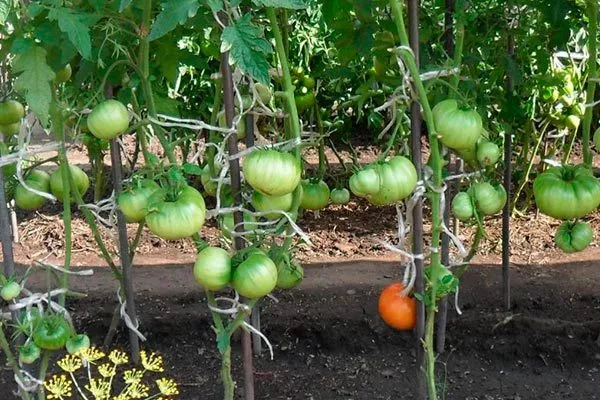
To prevent stems from breaking under the weight of the fruit and to improve access to light and air, tie up the plants. Use special rings or trellises to keep the stems upright. This will protect the tomatoes from diseases caused by contact with wet soil.
Preventive treatment
To protect against diseases and pests, take preventative measures. Use natural remedies or insecticides if necessary. Regularly spray the plants with a solution of Bordeaux mixture or other fungicides.
Preventative treatment will help prevent the development of diseases such as late blight and powdery mildew. You will also protect your bushes from insect pests such as aphids and spider mites.
Pest and disease control
Tomato Irina is resistant to tobacco mosaic virus, fusarium and verticillium wilt, but is susceptible to cladosporiosis (brown spot), which is caused by the fungus Cladosporium fulvum Cooke:
- The pathogen infects the plant from the bottom up, affecting the stems, leaves and fruits.
- In the initial stages, light green or yellow spots appear on the upper side of the leaves, gradually turning brown and, in later stages, dark brown. The leaves curl up and begin to rot.
- At the first signs of cladosporiosis, treat the crop with fungicides - Bravo or NeoTek, a solution of copper sulfate (1 tbsp. per 10 liters of water) or colloidal sulfur (3 tbsp. per 10 liters of water).
To prevent infection with cladosporiosis and other fungal diseases, follow these rules:
- Practice crop rotation regularly.
- Ventilate the greenhouse.
- In spring, treat the soil with copper sulfate.
- Control the humidity level in the greenhouse.
- Observe the watering regime.
- Mulch the soil.
- Remove lower leaves so they do not come into contact with the soil.
- Periodically treat the bushes with Pseudobacterin-2, Integral, Fitosporin M (once every 2 weeks).
Plants can be attacked by the Colorado potato beetle, whitefly, and spider mite. To control them, use chemicals such as Strela, Confidor, Flumite, Borneo, Iskra, Fitoverm, Decis Profi, and Aktara.
The nuances of growing in open ground and greenhouses
The Irina hybrid is best planted in a draft-free, south-facing plot, whether in a greenhouse or an open garden. Other cultivation considerations:
- The plant prefers sunny locations, but on hot days, shade the bushes with a special net or agrofibre to protect them from overheating.
- The best predecessors for this crop are radishes, zucchini, cabbage, dill, parsley, and onions. Avoid areas previously planted with tomatoes, eggplants, and peppers, as these plants can severely deplete the soil.
After growing them, it will take at least 3 years to restore the mineral balance in the soil.
To increase yield and improve fruit set, carry out foliar treatments using phytohormones:
- Kornevin;
- Epin Extra;
- Zircon;
- Ovary;
- Bud.
Collection and storage
Pick tomatoes from the vines from late June or early July until mid-August, depending on growing conditions. Harvest when the tomatoes have reached full size and turned bright red. If the tomatoes haven't ripened yet, leave them in a warm place to ripen.
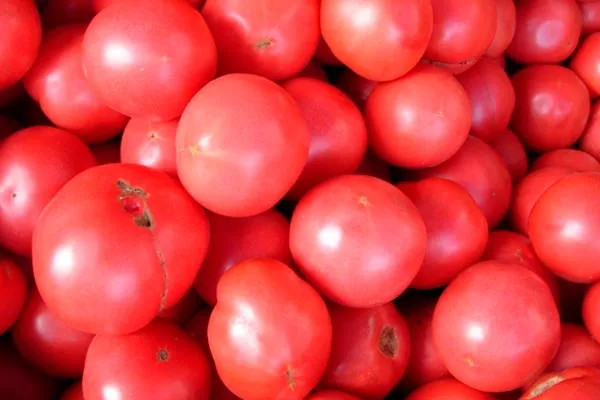
To keep fruits fresh, store them in a single-layer container in a cool place, away from direct sunlight. Can the vegetables or use them to make sauces and pastes. They keep well in the refrigerator, maintaining their flavor for several weeks.
Similar tomato varieties
Irina has several similar varieties. All of them share many positive qualities and characteristics. Similar varieties:
| Name | Description | Characteristics |
| Kashtanka | A mid-early determinate variety for open ground and plastic greenhouses. Bushes reach 80-160 cm in height. Fruits are round, bright red, with a glossy surface, weighing 100-150 g. | These tomatoes ripen simultaneously, have excellent flavor, and are easy to transport. They are ideal for pickling, canning, and eating fresh. They are resistant to adverse weather conditions and grow well in Siberia. The yield is 5.9 kg per square meter. |
| Baby Mammoth | A mid-early (100-105 days) determinate variety for both open and protected ground. The plant grows from 1 to 1.5 m tall and requires no shaping. The fruits are bright red, round, and slightly flattened, weighing 120-170 g, with some reaching 350 g. The flesh is aromatic, with a harmonious, tart flavor. | Resistant to many diseases, including late blight, and suitable for a variety of climates, including northern ones. Yields up to 15 kg per plant. |
| Micah | A hybrid for open ground and plastic greenhouses, maturing in 100-105 days. Bushes grow up to 1 m tall, requiring little side-shooting. Fruits are smooth, gently ribbed, deep red, weighing 120-150 g, but can reach 180 g. | This versatile variety is resistant to tobacco mosaic virus, fusarium wilt, root-knot nematode, and cladosporiosis, and has increased cold tolerance and low-light tolerance. It is suitable for large-scale production. Yields up to 8 kg per square meter. |
Pros and cons
Irina's assessment of the strengths and weaknesses of tomatoes helps her form an objective opinion and choose the best way to grow them. The crop has many advantages:
The main disadvantages, which are easily eliminated, are the need for careful maintenance, regular implementation of all agricultural measures and monitoring of the condition of the plants.
Reviews
The Irina tomato is an excellent choice for gardeners seeking a reliable harvest with minimal effort. Its fruits satisfy even the most demanding tastes, and the plants tolerate a variety of weather conditions well. With proper care, this variety delivers excellent results, delivering excellent yields.