
The Intuition tomato is a popular hybrid that has received numerous positive reviews. It is characterized by good productivity, disease resistance, and excellent flavor, making it an ideal choice for both fresh consumption and canning. Proper care is essential.
Authors of selection
Work on creating this hybrid began in the late 20th century. The variety's breeders were S. F. Gavrish, V. V. Morev, E. V. Amcheslavskaya, S. A. Gorkovets, and V. V. Korolev. In 1998, the tomato was included in the State Register, and since then it has remained popular in gardens both in Russia and neighboring countries.
Description of the bush
The Intuition tomato is an indeterminate hybrid with tall bushes reaching over 2 meters in height. The plants have a creeping habit and therefore require support.
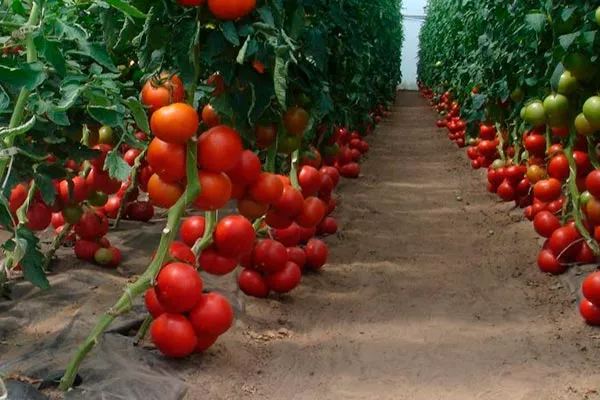
The bushes have medium foliage, are not overly branched, and have a single main stem. The leaves are matte, slightly wavy, dark green, and medium in size.
Main qualities of fruits
The tomatoes are round in shape, weighing between 79 and 92 grams. The diameter is approximately 7 cm. The skin is smooth, firm, and slightly shiny. The fruit is thin, yet does not crack. When ripe, they acquire a rich red color, while unripe specimens are light green.
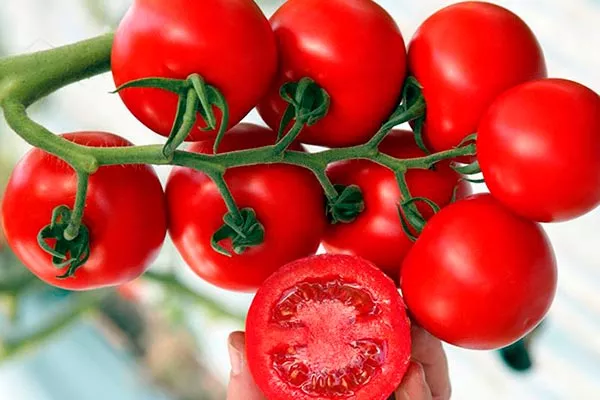
The flesh is pink, tender, fleshy, and dense, with a slight liquid content. Inside are 3-4 chambers containing small, empty seeds.
Taste and purpose
The vegetables have a sweet flavor with a distinct tomato tartness. The skin is thin, smooth, and strong, allowing the tomatoes to retain their shape in canning until spring, making them ideal for winter preserves.
Characteristics
Intuition is very popular among gardeners, as evidenced by numerous positive reviews. This is no coincidence, as the hybrid has many advantages.
Ripening time
This mid-season variety has a ripening period of 94 to 117 days. Although the ovaries form simultaneously, fruiting is extended, lasting from June to August.
Productivity
This variety has excellent productivity—gardeners can harvest approximately 25 kg of vegetables per square meter, a remarkable yield. Moreover, the marketable yield reaches a record 98%.
Application of fruits
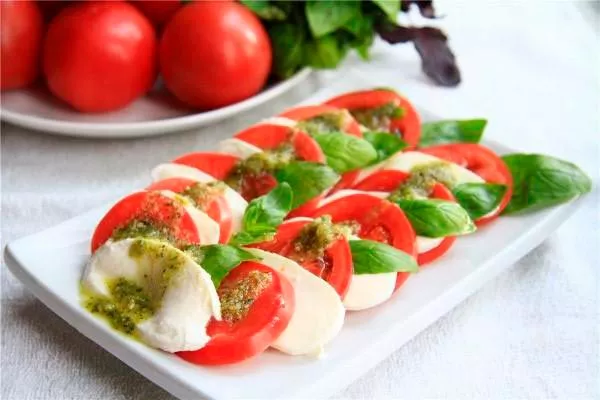
The Intuition tomato is versatile. This variety is primarily used for canning, but during the summer season, it's also excellent for fresh eating and salads.
Planting seedlings
A bountiful summer harvest depends on proper seedling cultivation. Below, you'll learn all the intricacies of this process, from choosing the optimal time for sowing to preparing young plants for transplanting to their permanent location.
Preparing seeds, containers and soil
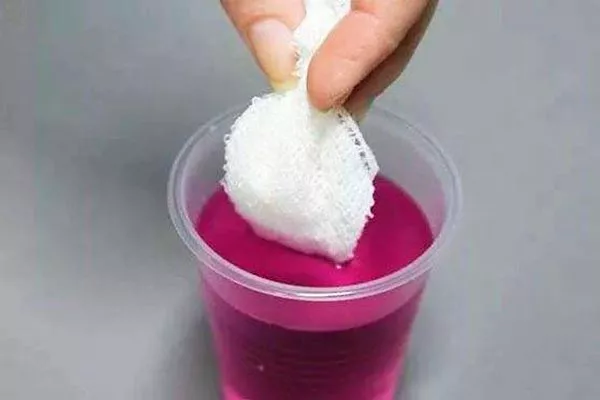
Pre-disinfect the planting material to increase disease resistance. Soak the seeds in a weak solution of potassium permanganate for 2 hours. Alternatively, you can use Fitosporin. After preparation, rinse the seeds with warm water, and they are ready for planting.
Wooden containers are ideal for growing tomato seedlings. The soil in which the seeds will germinate also requires preliminary preparation. Prepare a nutrient mixture using soil, peat moss, humus, and wood ash, adding a little superphosphate.
Sowing seeds: pattern and depth
Maintain a minimum distance of 2 cm between seedlings. After planting, lightly compact the soil and water generously with warm water. Cover the container with plastic to create a greenhouse-like environment for germination.
- ✓ Optimum soil temperature for seed germination: +25°C.
- ✓ Required air humidity in the greenhouse: 60-70%.
To encourage germination, maintain a temperature of around 25°C. A moist environment under the plastic promotes better germination.
Caring for seedlings
Once the first shoots have emerged in containers, caring for the seedlings will be simple. Daily watering is sufficient until sprouts emerge. After sprouts emerge, water every 5-6 days using settled, room-temperature water.
Picking tomato seedlings
When the seedlings have two true leaves, transplant them into individual cups or pots with a minimum capacity of 500 ml. Use the same soil composition as for the initial planting. Fertilize every 2 weeks.
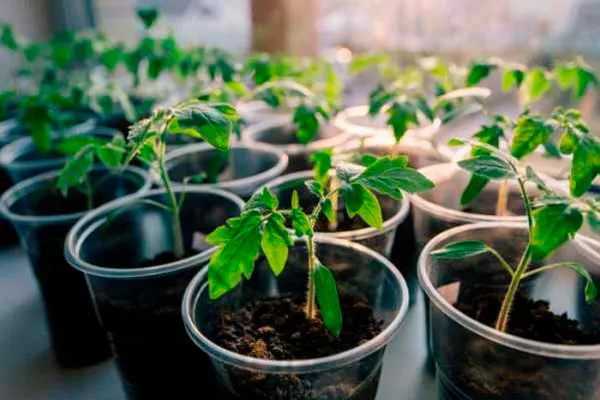
Hardening off seedlings
This is an important step in growing seedlings. For this step, move the plants outside or open a window if the seedlings are growing on a windowsill.
Continue the hardening process for two weeks, until the seedlings reach 55 days of age. After this, plant them in their permanent location—either in a greenhouse or in open ground.
Tomato transplant
Place the seedlings in the greenhouse soil when they reach a height of 10 cm. However, do not plant the crop in areas where peppers, cabbage (any type), or eggplants were previously grown.
Experienced gardeners advise planting in cloudy weather or in the evening, and beforehand moistening the soil with a weak solution of potassium permanganate.
Preparing the greenhouse and beds
Before planting, thoroughly clear the beds of old plants, debris, and any remaining plant debris that could become disease sources. Disinfect the greenhouse by treating its walls and structures to eliminate any potential pests and pathogens.
Follow these recommendations:
- Dig the soil thoroughly to improve aeration and prepare it for planting. Remove weeds and rocks that may interfere with root growth. Then add organic fertilizers (compost, humus) and mineral supplements based on the plant's needs.
Have your soil tested to determine its composition and the need for additional nutrients. - The beds in the greenhouse should be wide enough for plants to grow comfortably – 60-80 cm. Leave enough space between the furrows for walkways (about 50 cm) to allow for easy plant care and harvesting.
If the soil in your greenhouse is heavy or clayey, create raised beds filled with a well-structured soil mix. - Check the heating system to ensure comfortable growing conditions for your plants. It's also important to ensure good ventilation in the greenhouse to prevent excess humidity and mold. Use vents or ventilation systems to ensure air circulation.
If the soil in your greenhouse drains poorly, install a drainage system. Ensure the soil doesn't become overwatered to prevent root rot. Water the plants regularly, but avoid getting water on the leaves to prevent fungal diseases.
Transplant timing
The plant can be repotted when it has at least 10 leaves. If you plan to plant the Intuition tomato variety outdoors, wait another week to allow the plants to harden and better adapt to temperature fluctuations.
Optimal scheme
Plant the seedlings in prepared holes, making them shallow to prevent root regrowth, which can slow the growth of the plants. To disinfect the soil, use a weak solution of potassium permanganate—simply water the area where the tomatoes will be growing.
Transfer algorithm
Planting is best done in the evening, especially on a cloudy day. The procedure is as follows:
- Fill the holes with humus.
- Carefully remove the seedlings from the container, preserving the root ball, and place them in the hole. Avoid planting them too deeply to prevent them from developing excessive foliage and roots.
- Mulch the soil. This can be rotted manure, sawdust, leaves, humus, or chopped alfalfa.
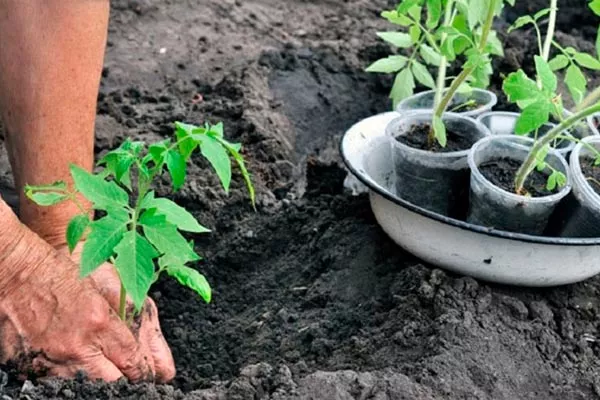
Mulch helps protect roots from drying out, overheating and overcooling, serves as a nutrient during decomposition and promotes the reproduction of earthworms.
Aftercare of tomatoes
It's important to take care of your crops. Although the crop is relatively easy to grow, proper agronomic practices will have a beneficial effect on productivity.
Garter and pinching out side shoots
This plant has unlimited stem growth, so staking the shoots is essential. Do this 3-7 days after planting the seedlings. Staking helps the plant support the weight of the fruit. Choose a material that won't damage the stem. Use various methods, including trellises—linear or frame.
A necessary step in care is pinching out side shoots—removing shoots that arise in the leaf axils. This is an important procedure, especially if you plan to train the bush to consist of 1-2 stems. Without timely removal of side shoots, the bush will become excessively dense, which will reduce yield and delay fruit ripening.
Watering, weeding and loosening
In a greenhouse, water the bushes regularly, every 2-3 days. Use settled water at room temperature for irrigation. Install drip irrigation, as it helps maintain constant soil moisture while preventing water stagnation.
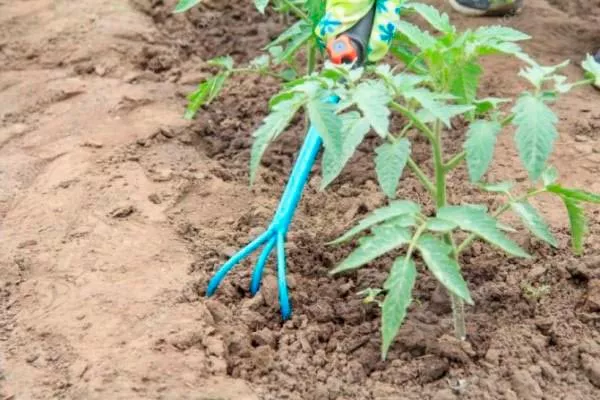
After each watering, loosen the soil around the roots while removing weeds. This improves root aeration and promotes healthier plant growth.
Bush formation
Train 'Intuition' tomato plants with 1-2 stems. If training with 2 stems is chosen, leave the first shoot and remove all subsequent shoots.
A month before the end of the growing season, pinch off the top of the stem, leaving a couple of leaves after the last cluster. This will help redirect nutrients toward the ripening of the already formed fruits.
Top dressing
For full growth and development, it's important to fertilize regularly throughout the growing season, typically four times. Fertilize at the following stages:
- When planting seedlings in a permanent place.
- When buds form.
- When the ovaries appear.
- When the fruits begin to grow.
If the soil is poor, repeat the fertilizing every 2 weeks. The basic rule is to apply fertilizer at the roots. However, spraying with solutions containing microelements is also beneficial.
The following compositions are often used:
- infused mullein;
- nitrogen fertilizers;
- wood ash;
- Superphosphate.
Additionally, feed your tomatoes with yeast. It's enriched with micronutrients, promoting accelerated tomato development, improving their flavor, and promoting the development of beneficial bacteria in the soil, helping fight pests.
Resistance to diseases and pests
The Intuition tomato demonstrates good resistance to pests and diseases. This variety is immune to diseases such as fusarium wilt, late blight, and tobacco mosaic virus.
To protect against pests, dust, copper sulfate and specialized chemicals are often used.
Treatment and prevention of diseases and pests
The Intuition variety has good disease resistance, but if improperly cared for, it can suffer from late blight, gray mold, and brown spot. Pests such as spider mites, slugs, and whiteflies may also appear on the plants. To prevent diseases and pests, follow these guidelines:
- Use only high-quality seeds purchased from reliable producers.
- Practice crop rotation and avoid planting tomatoes next to potatoes.
- Carry out preventative spraying using proven protective agents.
- Remove and destroy infected plants regularly.
To combat fungal infections, use fungicides, and insecticides will help effectively deal with pests.
Harvesting and storage
Harvest tomatoes as they ripen, but do not leave ripe tomatoes on the bushes, as they will take nutrients from unripe tomatoes.
Enjoy the harvested vegetables fresh, add them to summer salads and appetizers, or use them whole for canning. Thanks to their thick skin, they don't burst during cooking and remain beautiful in jars.
Pros and cons
This crop has gained popularity among gardeners due to its many advantages. Reviews confirm its excellent characteristics:
- High germination rate – Almost 100% of seeds germinate.
- Productivity – Over 20 kg of fruit are harvested per square meter, and in greenhouses, the yield can be even higher. The tomatoes have excellent flavor, do not crack, stay on the vine for a long time, and do not fall off when touched.
- Storage - The fruits have a long shelf life, without losing either their flavor or appearance. They keep well in a dry, warm, and dark place without softening, and their dense skin allows them to retain their shape even when cooked.
- Universal application – Intuition is suitable for both fresh consumption and preservation. The fruits can be used in salads, lecho, adjika, frozen, and even dried.
- Transportability – Thanks to their thick skin, tomatoes retain their marketable appearance when transported over long distances.
- Immunity – The variety is resistant to fusarium, cladosporiosis and tobacco mosaic.
The main disadvantage of the hybrid is the inability to collect your own seeds, since in the second generation they do not retain the characteristic qualities of the variety.
Reviews
The Intuition tomato is a reliable and productive hybrid that will meet the expectations of both novice and experienced gardeners. Its disease resistance, good productivity, and versatility make it a sought-after variety. Excellent results and generous harvests are guaranteed when all agricultural practices are followed.