
Empress is a high-yielding tomato hybrid prized for its disease resistance and ability to bear fruit in a variety of conditions. Its firm skin and compact size make it ideal for canning and processing. Thanks to its strong immunity and ease of care, this variety has become popular among gardeners and farmers in our country.
Who brought it out and when?
The variety was created by specialists of the SEDEK Agrofirm LLC and has been included in the State Register of Breeding Achievements since 2011.
The tomato is the result of crossing two different varieties, making it a first-generation hybrid. This is indicated by the F1 marking on the seed package.
Description and characteristics of the Empress tomato variety
Gardeners especially value high-yielding tomato varieties suitable for whole-fruit canning. The Empress hybrid is one such reliable and sought-after variety.
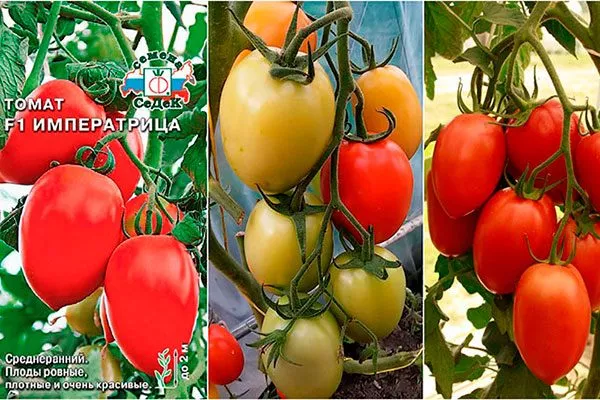
Bushes and fruits
Empress is an indeterminate variety intended for greenhouse cultivation. Distinguishing characteristics:
- Under sheltered conditions, the main stem can stretch up to 2 m, and the root system is powerful, spreading both in depth and in width.
- The bush produces a large amount of dark green foliage, which becomes even more saturated when the top is pinched.
- At the formation stage, the fruits are light green in color, and when fully ripe, they acquire a bright red color without a characteristic spot near the stalk.
- The tomatoes are obovate in shape, with slightly defined ribs and a characteristic “nose” at the tip.
- The weight of one tomato varies from 100 to 150 g.
- Thanks to their thick skin, the vegetables can be transported well.
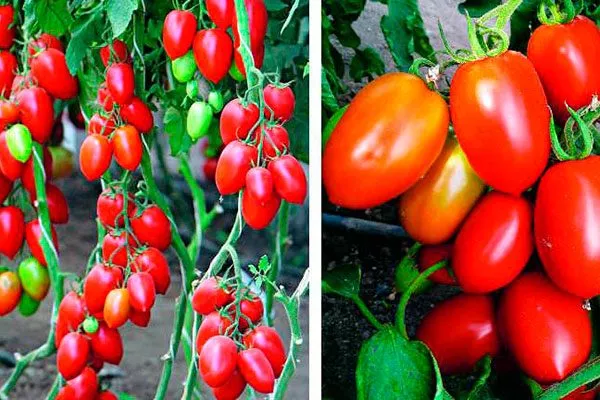
Ripening period and yield of the Empress tomato
The fruit ripens approximately 95-100 days after germination, making the Empress a mid-early variety. Gardeners value it for its ability to produce a full harvest by late summer.
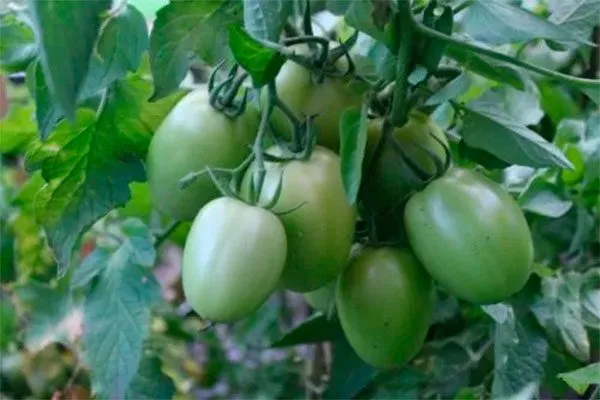
Characterized by good productivity – up to 9.1 kg of high-quality tomatoes can be harvested from 1 square meter. For maximum results, fertilizing with boron or iodine is recommended during the ripening and ripening periods. These micronutrients stimulate active fruiting and accelerate harvest.
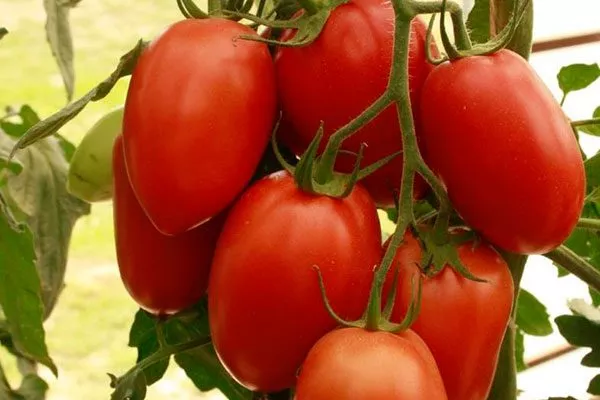
Disease resistance and growing regions
The Empress is renowned for its strong immunity to common diseases such as verticillium wilt, tobacco mosaic virus, and blossom-end rot. Fungal infections rarely affect the plants, typically only in cases of severe agricultural mismanagement.
This variety is suitable for growing in simple greenhouses and performs well in all regions of Russia. The bushes set fruit reliably even in unstable weather conditions, and short night frosts, typical of the central part of Russia, do not negatively affect them.
Methods of application
Canning remains one of the most popular methods of processing tomatoes, and this variety is ideal for this. Thanks to their thick skin, the tomatoes do not crack during cooking, maintaining their shape and flavor.
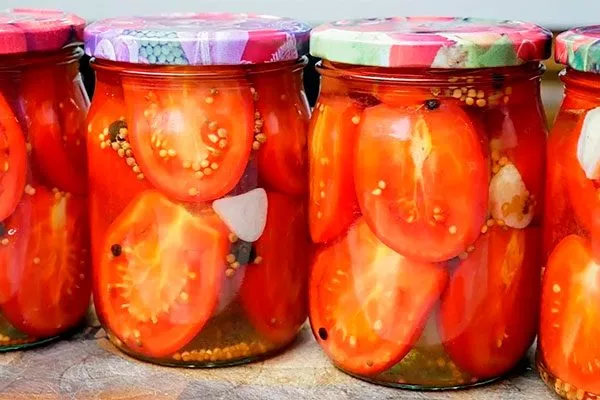
Tomatoes can also be frozen whole after peeling, and used to make juice, sauces, salads, and pasta. Due to their moderately juicy flesh, ripe tomatoes are well suited for drying and curing without losing their flavor.
How to grow seedlings?
Hybrid tomatoes are grown using seedlings. Seeds are sown in March or April, 60-65 days before transplanting into a greenhouse or hotbed.
Seed preparation
The planting material undergoes industrial treatment with disinfectants and growth stimulants, so no additional preparation is required at home. However, experienced vegetable growers recommend checking the quality of the seed.
Helpful tips:
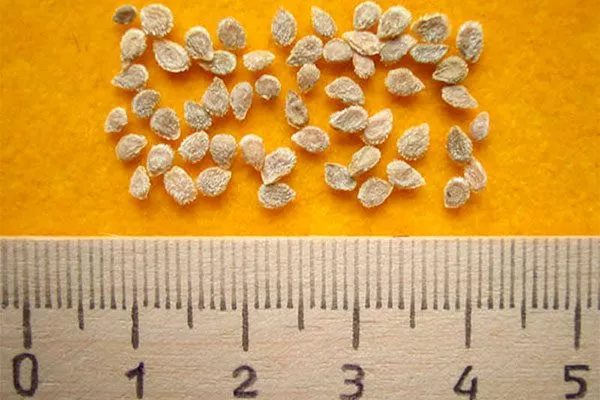
- One method is calibration: soak the grains in a salt solution (25 g of salt per 100 ml of water) and let them sit for about two hours. Remove any light, unsuitable seeds that float to the surface, and rinse and dry the remaining ones.

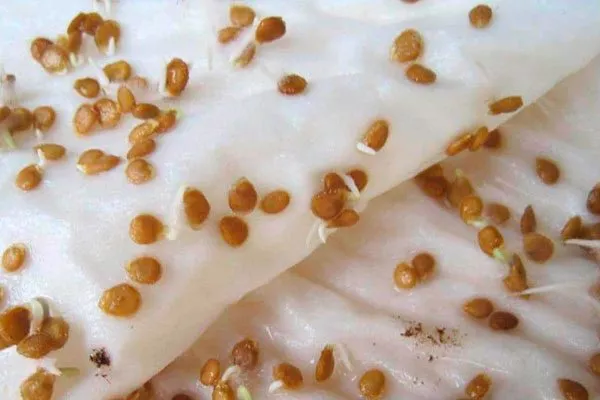
- You can also evaluate germination by sprouting the seeds. To do this, place 10 seeds on a damp cotton cloth, cover with room-temperature water, and leave for 24 hours. Then cover with plastic wrap and place in a warm place (23°C).
After 3-4 days, determine the germination rate based on the number of seeds that sprout. If 7 out of 10 seeds sprout, the germination rate is 70%.
Soil preparation and sowing
Ready-made mixes labeled "universal," sold in gardening stores, are usually balanced and enriched with mineral additives suitable for growing tomato seedlings. Choose this type of soil for growing your seedlings.
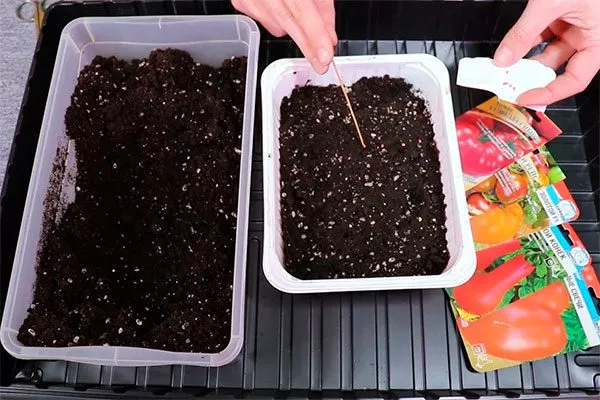
If you prefer to prepare the substrate yourself, the following composition will do:
- peat – 2 parts;
- garden soil – Part 1;
- compost – Part 1;
- river sand – 0.5 parts.
To reduce the acidity of peat, add 200 g of wood ash per 10 kg of the prepared mixture. For top dressing, use 40 g of superphosphate, 15 g of potassium sulfate, and 10 g of urea.
Helpful tips:
- Before sowing, disinfect the soil by baking it in the oven, warming it in the microwave, or, especially effectively, steaming it in a steamer. The latter method kills most pathogenic fungi, bacteria, and weed seeds. Place the soil in cheesecloth, place it in a steamer bowl, and steam for an hour.
- After the soil has cooled, moisten it with warm, settled water, fill the seedling trays, and make holes 1.5 cm deep. Place a seed in each hole, cover with about 1 cm of soil, and carefully water it with a syringe.
- Cover the containers with film and place them in a warm place at a temperature of about +23°C, remembering to periodically ventilate the crops.
Caring for seedlings
Caring for Empress tomato seedlings includes providing long daylight hours – at least 16 hours – as well as regular but moderate watering to avoid overwatering.
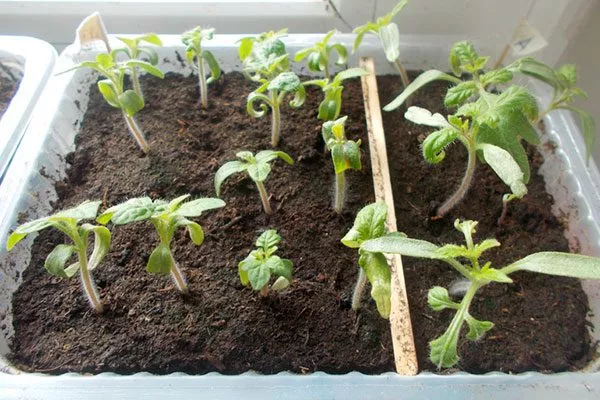
Basic requirements:
- When the plants have 5-6 true leaves, transplant the seedlings into individual plastic or peat pots. Young plants grow vigorously and generally don't require additional feeding.
- A week before transplanting into the greenhouse, harden off the seedlings: begin by taking them outside for 15-20 minutes at first, gradually increasing the time spent outdoors by 10 minutes daily.
Cultivation of tomatoes
Growing techniques for this hybrid include standard procedures: removing side shoots, shaping the bush, regularly watering thoroughly, and fertilizing with organic and mineral fertilizers. Adherence to these procedures guarantees strong immunity and high productivity.
Landing
Before planting outdoors (late May - early June), treat the roots of the seedlings with Kornerost rooting stimulant. To prepare a working solution, use 500 ml of the product per 1 liter of warm water. For example, to treat 20 seedlings, you will need 1 liter of solution.
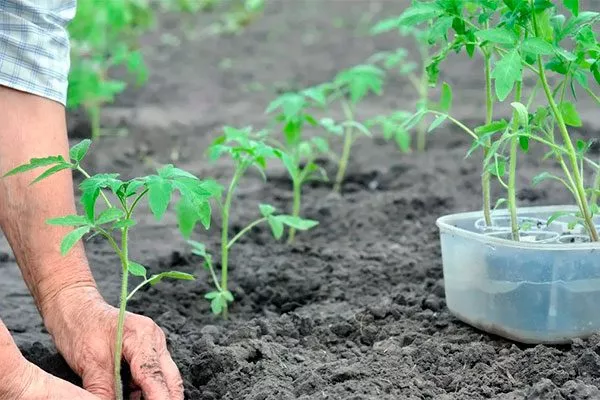
The Empress hybrid prefers nutritious, loose soil with a pH of 6-6.5. This can be determined using litmus paper or a special device with a long probe. To adjust the pH, use dolomite flour.
Recommended application rates per 1 sq.m. depend on the pH level:
- acidic soil (pH below 4.5) – 500 g;
- moderately acidic (pH 4.5-5.2) – 450 g;
- slightly acidic (pH 5.2-5.6) – 350 g
Care
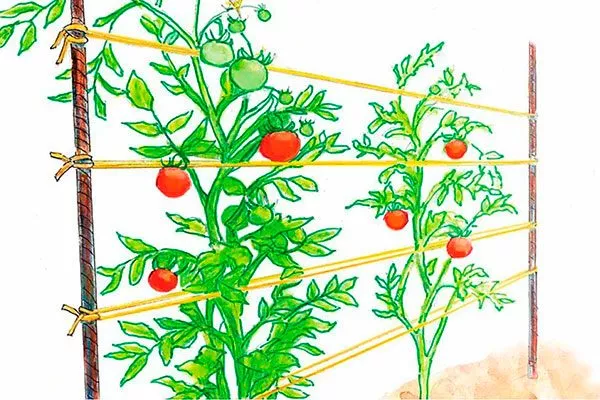
About a week after planting, tie the tomato plants to a trellis to prevent the stems from sagging under the weight of the fruit. Prune the plants, leaving 1-2 side shoots, which will increase yield. Remove old leaves regularly.
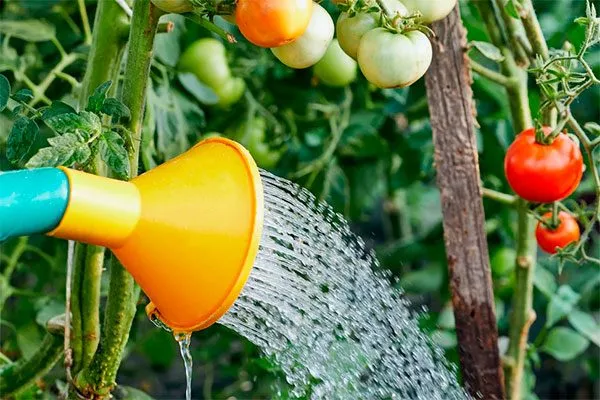
Water moderately – 1-2 times a week, increasing the frequency to 3-4 times during the active flowering period. To reduce the amount of weeding and loosening, mulch the beds with black agrofibre, wood shavings, or hay.
Fertilize the Empress hybrid with organic and mineral substances:
- immediately after planting, add organic matter;
- during the flowering and ovary formation period, apply potassium-phosphorus fertilizers;
- During fruiting, feed with potassium-phosphorus complexes with low nitrogen content.
Possible recipes for top-ups:
- Mullein infusion: Mix 1 part with 5 parts water, let sit for 12-14 days, then dilute with water 1:2. Use for root watering after planting, during flowering, and fruiting.
- Wood ash infusion: Pour 500 g of ash into 10 liters of water, leave for 3-4 days, strain and apply under the root.
- Phosphorus solution: Dissolve 20 g of Superphosphate in 1 liter of hot water, leave for 24 hours, then bring the volume to 10 liters.
- Mineral solution: per 10 liters of water – 10 g of diammophoska (containing 26% potassium and phosphorus, 10% nitrogen) for watering 1 sq. m.
- Nitroammophoska: 1 tbsp per 10 liters of water (16% potassium, phosphorus and nitrogen), consumption 0.5 liters per 1 sq. m.
Diseases and pests
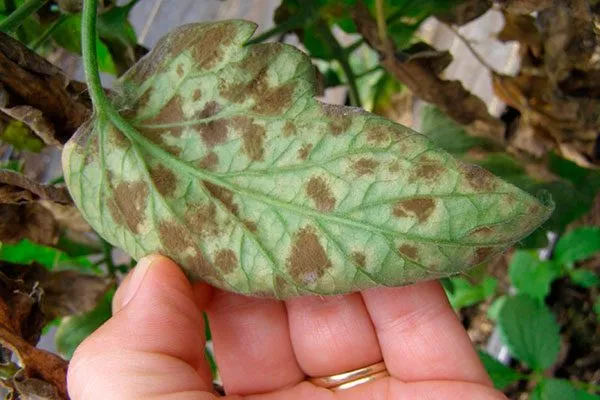
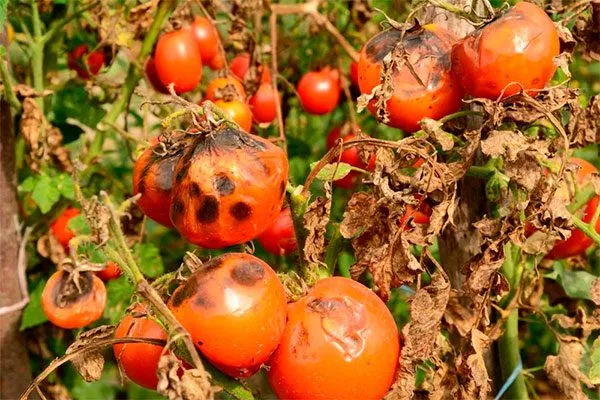
Empress tomatoes are resistant to verticillium wilt, root and blossom end rot, and tobacco mosaic virus, but are susceptible to brown leaf spot and late blight.
Key recommendations:
- Brown spot, or Cladosporiosis, manifests as yellow spots of varying shapes on the upper side of leaves, while a light coating appears on the underside, eventually darkening to brown. Without prompt treatment, the leaves die, and the fungal spores spread to the ovaries, reducing the yield.
- For prevention, it is recommended to water the soil with a Fitosporin solution before planting. In case of disease, use Bravo, Fitolavin, or a pink solution of potassium permanganate with ash (300 g of ash and a small amount of potassium permanganate per 2 liters of water, boil for 15 minutes, then reduce to 10 liters).
- Late blight is one of the most common tomato diseases, easily recognized by the brown-gray spots on plants and a whitish coating on the underside of the leaves.
For prevention late blight:
- In autumn, fumigate greenhouses with sulfur checkers;
- in spring, treat the soil with copper sulfate;
- mulch the beds with straw, sawdust or agrofibre;
- Remove lower leaves regularly to avoid contact with the soil;
- Maintain optimal humidity levels.
To combat the disease, use:
- biological products: Gamair, Fitosporin, Baksis, Ecosil, Alirin;
- copper sulfate solution (2 tablespoons per 10 liters of water) for a single treatment before flowering;
- milk with iodine (15 drops of iodine per 1 liter of low-fat milk) for weekly treatments;
- whey diluted in equal parts with water for daily spraying.
The nuances of growing indoors and outdoors
The hybrid is characterized by its low maintenance, requiring only moderate watering and regular fertilization. In greenhouse conditions, minor pollination issues may arise. To resolve these, apply the following twice a week:
- gently shake the bushes together with the trellises;
- keep the windows open to allow insects access.
Harvesting and use of the crop
Tomatoes ripen approximately 95 days after germination. Their dense flesh makes them popular for making juice, paste, sauces, soups, and adjika. They also make an excellent sun-dried snack, marinated in aromatic herb oil.
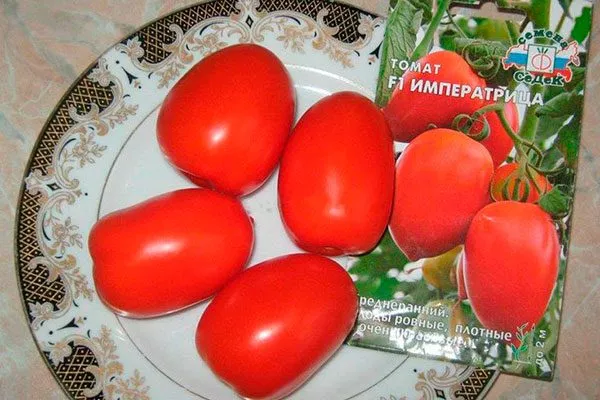
Although these vegetables don't have a distinct tomato flavor and are sometimes called "plastic," they are excellent for pickling, canning in their own juice, and salting. Their thick skin prevents cracking during cooking.
Pros and cons
Reviews
The Empress tomato combines high productivity and resistance to major diseases, making it a reliable choice for greenhouse and outdoor cultivation. Despite its firm flesh, the vegetables retain their shape well when canned and frozen. This hybrid is ideal for beginning gardeners, requiring minimal maintenance.