
The I-2 tomato is a variety that has already earned the recognition of gardeners and farmers thanks to its low maintenance, good productivity, and excellent taste. It is ideal for both home growing and commercial use. To get the most out of this tomato, it is important to provide the plants with proper care.
Description of the plant
This variety was developed by P. Ya. Saraev. It is a determinate, low-growing variety. The bushes reach a height of 50 cm.
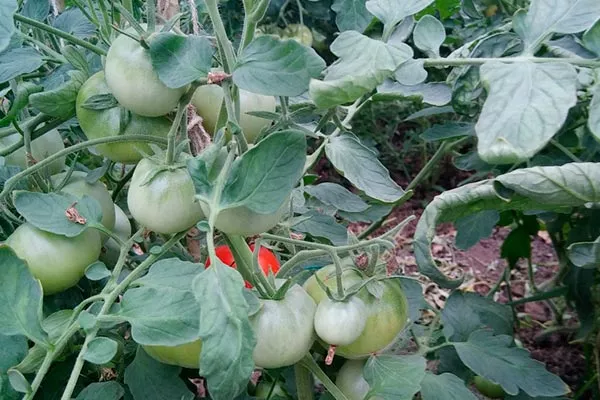
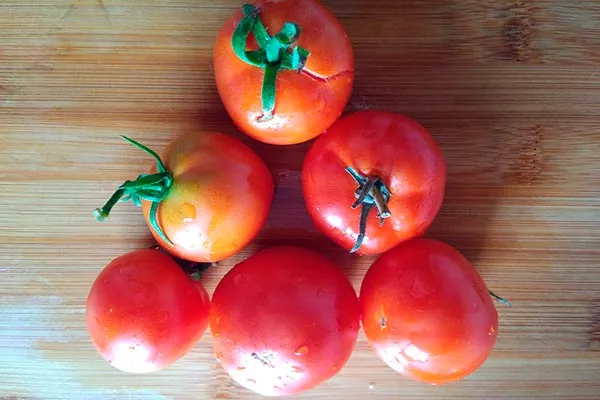
Tomatoes are round in shape and weigh between 100 and 150 grams. When ripe, they turn bright red. The fruits have a sweet flavor. They are versatile in use – they can be eaten fresh or canned. They also make delicious sauces.
Ripening and fruiting
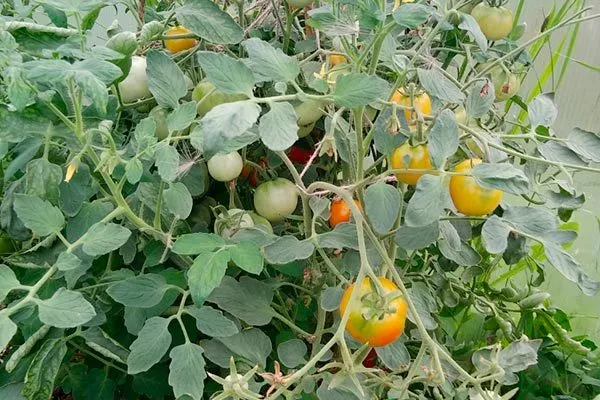
I-2 is a mid-season variety: the fruits begin to ripen 90-100 days after germination. The optimal harvest period is from August 5th to 15th, when the tomatoes are fully ripe and reach their peak flavor.
Timing of planting seedlings and transplanting into the ground
For an early harvest, it's recommended to grow the I-2 tomato from seedlings. Sow the seeds in February or March and keep them at room temperature until germination. Once the seedlings have grown, transplant them into open ground or a greenhouse.
Growing and care
Pre-soak the seeds in warm water or a weak growth stimulant solution, such as Epine, for 12-24 hours. To disinfect, soak the seeds in a weak solution of potassium permanganate for 20 minutes, then rinse with clean water.
- ✓ The optimal soil acidity for tomato seedlings should be within the pH range of 6.0-6.8.
- ✓ The soil must contain at least 3% organic matter to provide nutrients.
Follow these recommendations:
- Use a light and nutritious soil mixture of garden soil, humus and peat in equal proportions.
- To disinfect, water the soil with a solution of potassium permanganate or heat it in the oven.
- Fill the containers with soil, make furrows 1-1.5 cm deep, place the seeds at 2 cm intervals, and cover with a thin layer of soil. Water with warm water and cover with plastic wrap.
- Until seedlings appear, keep the containers at a temperature of 22-25°C. After 5-7 days, when sprouts become visible, remove the film and move the container to a cooler location (18-20°C) to prevent stretching.
- Provide 12-14 hours of light per day, using lamps if natural light is not sufficient.
- Water moderately, only when the top layer of soil is dry, avoiding over-watering.
- When 2-3 true leaves appear on the seedlings, transplant the seedlings into separate containers, deepening them to the cotyledon leaves.
- Choose a sunny site protected from strong winds. Tomatoes prefer loamy or sandy loam soil with a neutral pH.
- Avoid planting crops where potatoes, eggplants, or peppers were previously grown to prevent the spread of diseases. The best predecessors are legumes, carrots, onions, and cabbage.
- In the fall, dig over the area, remove weeds, and add humus or compost (3-5 kg per square meter). In the spring, loosen the soil and add a complex mineral fertilizer, such as nitroammophoska (30 g per square meter).
- Ten to fourteen days before planting, begin hardening off the seedlings by placing them outside or opening windows. Start with 1-2 hours, gradually increasing the time.
Landing algorithm:
- Mark out the beds. The recommended planting pattern is 50-60 cm between rows and 40-50 cm between plants.
- Make holes 20-25 cm deep, add a handful of humus to each and water with warm water.
- Transplant the seedlings together with the root ball, deepening them to the first true leaves so that the plant develops a strong root system.
- Cover with soil, compact lightly and water again.
Proper tomato care ensures healthy growth and high yields. Follow these simple gardening practices:
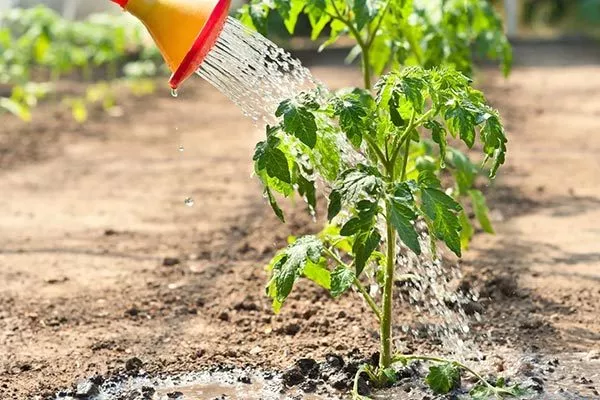
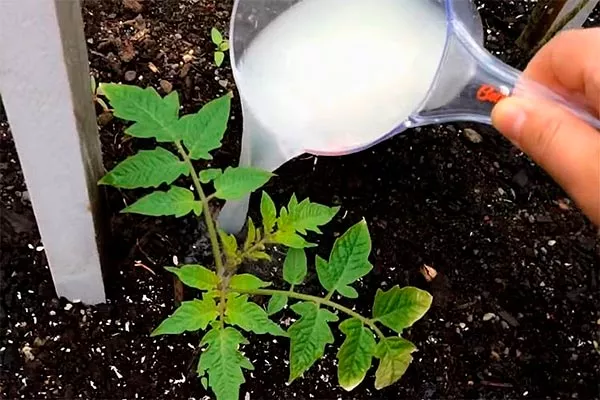
- Watering. Provide your bushes with regular watering. Insufficient moisture can cause flowers and fruit to drop, while excess moisture can lead to disease. Water directly at the roots to avoid water getting on the leaves and stems; this reduces the risk of fungal diseases.
During flowering and fruit set, water the plants 1-2 times a week; in hot weather, water up to 3 times a week. To prevent cracking, reduce watering 10-14 days before harvest.

- Top dressing. 10-14 days after planting, apply organic fertilizer (cow manure or bird droppings infusion). During flowering, feed with mineral fertilizers containing phosphorus and potassium to stimulate fruit set.
During the fruiting period, low-nitrogen fertilizers are effective. Apply wood ash (100-150 g per 1 sq. m) once or twice per season. Spray the plants with a micronutrient solution, such as boric acid (1 g per 1 liter of water), every 2-3 weeks to improve fruit set.
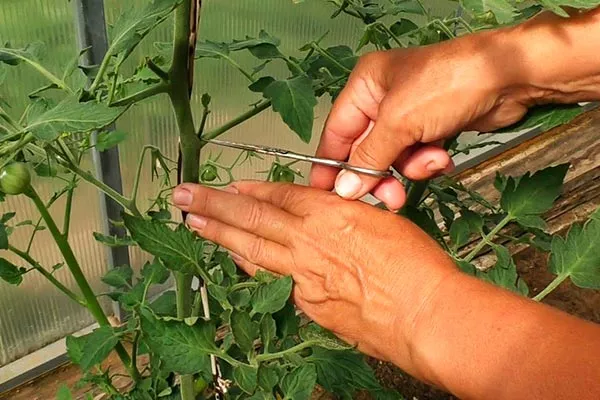
- Formation of bushes. Remove side shoots (side shoots) 4-5 cm long, leaving the main stem. This improves ventilation and directs nutrients toward fruit formation. Remove side shoots in the morning to allow the cuts to dry faster.
3-4 weeks before the end of the season, pinch the tops of the stems so that the bush directs all its energy to ripening the already formed fruits. - Weeding and loosening. Remove weeds regularly to prevent them from robbing the soil of nutrients. Loosen the soil after each watering or rain to improve root aeration. To avoid damaging the root system, loosen the soil shallowly, to a depth of 5-7 cm.
- Mulching. Use straw, peat, or compost for this event. Mulch helps retain moisture, reduces soil temperature in hot weather, and inhibits weed growth.
If tomatoes are grown in a greenhouse, ventilate it regularly to avoid excessive humidity. Maintain a temperature of 20-25°C during the day and no lower than 15°C at night.
Treatment and prevention of diseases and pests
Tomatoes are susceptible to various diseases and pests, especially if agricultural practices are not followed. Timely prevention and proper treatment will help preserve plant health and a productive harvest:
| Disease/Pest | Signs | Treatment | Prevention |
| Late blight | Dark spots on leaves, stems and fruits, darkening of tissues. | Treat the bushes with fungicides: Hom, Ridomil, Fitosporin or 1% Bordeaux mixture. | Prepare the soil before planting seedlings with a solution of copper sulfate - 1 tbsp. per 10 liters of water. |
| Powdery mildew | White powdery coating on leaves. | Use of a soda solution (1 tbsp. per 1 liter of water) or sulfur-containing preparations, for example, Thiovit Jet. | Moderate watering at the roots, maintaining the distance between bushes. |
| Gray and white rot | Wet spots at the base of the stems, damage to tomatoes. | Removing affected parts of bushes, using Fundazol. | Mulching the beds to prevent the fruits from coming into contact with the ground. |
| Aphid | Sticky coating, curling and yellowing of leaves. | Spraying plants with garlic infusion (200 g per 10 l of water) or biopreparations Fitoverm, Actofit. | Attract natural enemies such as ladybugs. Regularly inspect leaves for pests. |
| Whitefly | Small white insects on the back of leaves, sticky coating. | Using sticky traps. Tobacco infusion or Confidor are effective. | Timely removal of infected leaves and treatment of plants with insecticides if necessary. |
| Spider mite | Fine webbing on leaves, pale spots. | Increase humidity (the pest does not tolerate humid conditions). Treat plants with acaricides (Actellic, Kleschevit). | Maintain optimal humidity in greenhouses and regularly spray the bushes with water. |
| Fungicide | Protection period (days) | Efficiency (%) |
|---|---|---|
| Hom | 7-10 | 85-90 |
| Ridomil | 10-14 | 90-95 |
| Fitosporin | 5-7 | 75-80 |
Reviews
The I-2 tomato is a versatile variety that will please even the most demanding gardeners. Its disease resistance, compact bushes, and good productivity make it an excellent choice for both novice and experienced gardeners. With proper and timely care, it will yield bountiful harvests.