
The Gourmet tomato is a variety that has long been popular due to its excellent taste and consistent fruit production. Suitable for both open-field and greenhouse cultivation, this variety is a true find for those who appreciate juicy, fleshy tomatoes that are resistant to cracking. The key is to ensure proper care and proper maintenance.
Historical facts about the variety
Developed by A. V. Alpatyev, R. V. Skvortsova, and I. Yu. Kondratieva at the Federal Scientific Center for Vegetable Growing, it was officially registered in 2000. This determinate variety has universal application and excellent commercial qualities.
Description of Gourmet tomatoes
Gourmet is a versatile variety with excellent yields, good marketability, and excellent transportability. It is resistant to drought, blossom-end rot, and cracking. It is important to carefully study its key characteristics before planting.
Appearance of bushes
The plants are compact, reaching 45-55 cm in height, making them suitable for both open ground and greenhouse cultivation, including plastic-covered varieties. The leaves are medium-sized and green. The inflorescence is simple: the first inflorescence forms above the sixth or seventh leaf, and subsequent inflorescences form one or two leaves apart, or without division.
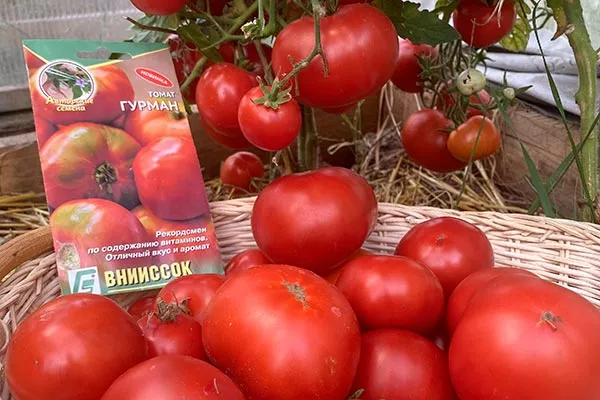
Fruit
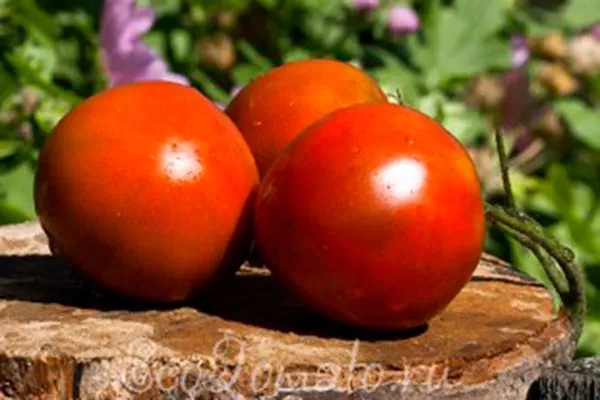
The tomatoes weigh between 150 and 200 grams. They are flat-round and have four seed chambers. As they ripen, they turn from light green with a spot near the stem to a deep red. The flesh is dense, fleshy, and bright red. The dry matter content reaches 7.1%.
Purpose and use in cooking
Tomatoes of this variety are an ideal choice for culinary enthusiasts. Juicy and sweet, these versatile vegetables are suitable for a variety of dishes:
- Salads: add freshness and juiciness, making any dish more rich.
- Hot dishes: They go great with pasta, pizza, stews and other dishes, giving them a bright flavor.
- Sauces and purees: Thanks to their dense pulp, Gourmet tomatoes produce aromatic and rich sauces or purees.
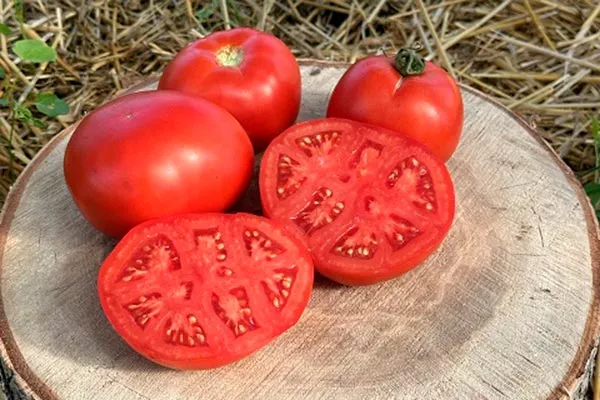
The fruits are used for canning – they are ideal for making tomatoes in their own juice, puree, or marinades for pickling.
Characteristics of the variety
Gourmand is characterized by high productivity – up to 10-12 kg of tomatoes can be harvested from a single bush. This variety boasts consistent and uniform ripening, allowing you to enjoy the harvest throughout the summer. The ripening period is 110-115 days.
Thanks to their dense flesh and flat, round shape, the fruits are easy to transport and store. For best results, it's important to tie and shape the bushes.
The variety is resistant to blossom-end rot and cracking, and is drought-resistant, making it suitable for cultivation even in unfavorable weather conditions.
Regions for growing Gourmet
Gourmet tomato plants are sun-loving and drought-sensitive, with frost resistance down to +8°C. In southern regions, they can be planted outdoors, but in the spring and fall, cover the plants at night.
Basics of planting and care
The crop is sensitive to cold. Plant seedlings in the ground after frost has passed and the soil has warmed to 10-12°C. In the central region of Russia, plan this for the first ten days of June. Sow seeds for seedlings in late February-early March so that they are 65-70 days old by the time of planting.
- ✓ Optimum soil temperature for seed germination: +22-25°C.
- ✓ Air temperature during germination: +20-23°C.
- ✓ Seeding depth: 0.8-1 cm.
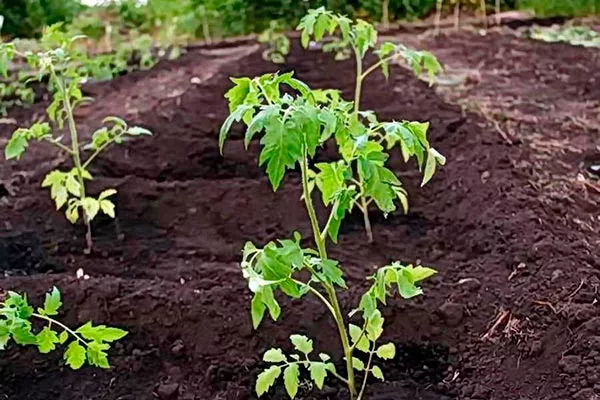
Follow these recommendations:
- Use store-bought seedling soil or garden soil fertilized with organic matter and mineral additives. Heat the soil or treat it with an antiseptic. Disinfect the seeds in a potassium permanganate solution and soak them in a growth stimulator.
- Plant the seeds 0.8-1 cm deep and cover with glass or film to create a greenhouse effect. Germination occurs at a soil temperature of 22-25°C and an air temperature of 20-23°C.
- When 3 true leaves appear, transplant the seedlings into pots at least 8 cm in diameter. Water the soil with a superphosphate solution, and after 10 days, fertilize with humate.
- Plant seedlings in unheated greenhouses at the beginning of June, and in heated greenhouses with additional lighting – a month earlier.
Proper plant care ensures a bountiful harvest in the future. Follow standard agricultural practices:
- Watering. Bushes are susceptible to drought, so provide regular and ample watering (up to 10 liters per plant). Water directly at the roots, avoiding high humidity. Mulching helps retain moisture.
- Fertilizers. When planting, add nitrogen, potassium, and phosphorus fertilizers to the holes. During flowering, apply liquid nitrogen, phosphorus, and potassium. At the beginning of ripening, the bushes require phosphorus and potassium. Provide additional fertilizer with an infusion of nettle and ash.
- Formation of bushes and pinching out side shoots. Train the bush with 1-2 shoots, removing the first inflorescences to produce larger fruits. Remove side shoots every 5-7 days, not allowing them to grow more than 5 cm. The plants require support – use stakes or trellises to secure the stems.
- Loosening and weeding. These are important measures for maintaining plant health. Loosening the soil helps improve aeration, providing the roots with oxygen and moisture. It prevents a crust from forming on the surface, allowing water to be better absorbed.
Weeding is necessary to remove weeds that compete with bushes for nutrients and water.
Reviews of the variety
The Gourmet tomato combines good productivity, excellent flavor, and the ability to be transported long distances. It's the best choice for both beginner and experienced vegetable growers. With proper care and following recommended cultivation practices, you'll be able to enjoy delicious fruits throughout the summer and preserve them for winter harvesting.