
The Grand tomato is one of the most popular and sought-after varieties, attracting attention for its early yield, high-quality fruit, and simple cultivation techniques. Its juicy fruits are characterized by excellent marketability and flavor. It's important to understand the variety's characteristics, planting, and care guidelines to ensure bountiful and consistent harvests.
History of creation
Bred by Agapov A.S., Skvortsova R.V., Kondratieva I.Yu. and Gurkina L.K. and approved for use in 1998. This is a determinate tomato variety with a limited growth pattern, intended for fresh consumption.
Description of the bush
A dwarf plant, 40 to 60 cm tall. It is upright, with moderate branching and foliage. The leaves are light green, regular in shape, and slightly corrugated. The first inflorescence forms above the 6th or 7th leaf, while subsequent inflorescences are either unbroken or separated by one or two leaves. The peduncles are jointed.
Main qualities of fruits
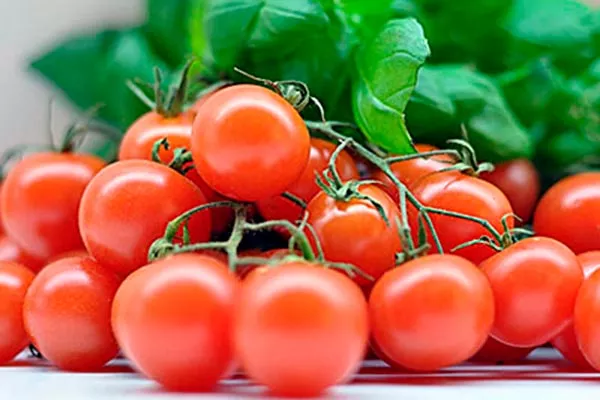
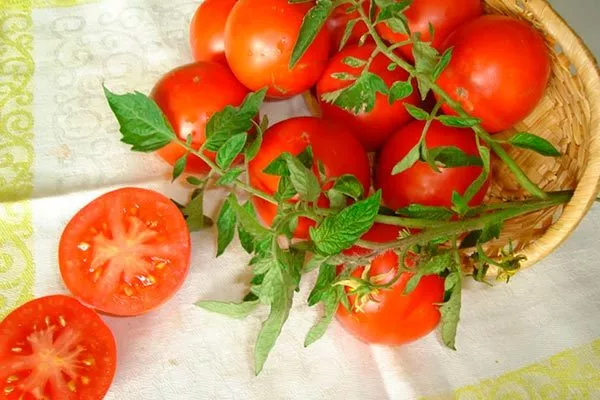
The tomatoes are round, the size of a cocktail cherry, and weigh between 45 and 60 g. Unripe fruits are green with a small dark spot, while ripe ones turn red.
Varietal characteristics
Tomatoes have their own varietal characteristics that are suitable for home and commercial cultivation:
- Taste. Grand tomatoes have excellent flavor, with a pleasant, rich aroma. The juice's dry matter content is high, ranging from 3.4 to 4.3%.
- Maturation. This early variety ripens in 87-116 days. It boasts high marketability, with a marketable yield of 79 to 94%.
- Productivity. Tomatoes are characterized by good productivity. Gardeners manage to harvest from 126 to 622 centners per hectare.
Timing of planting seedlings and transplanting into the ground
To ensure a good tomato harvest, it's important to time the sowing and planting of seedlings correctly. Sow seeds for seedlings in mid-March, and transplant the seedlings into the garden beds in early June. If using plastic greenhouses or hotbeds, transplant the seedlings as early as mid-May.
- ✓ The pH level should be between 6.0-6.8 for optimal nutrient absorption.
- ✓ The soil should be enriched with organic matter (compost or humus) in a ratio of 1:3 to the total volume.
Planting and care
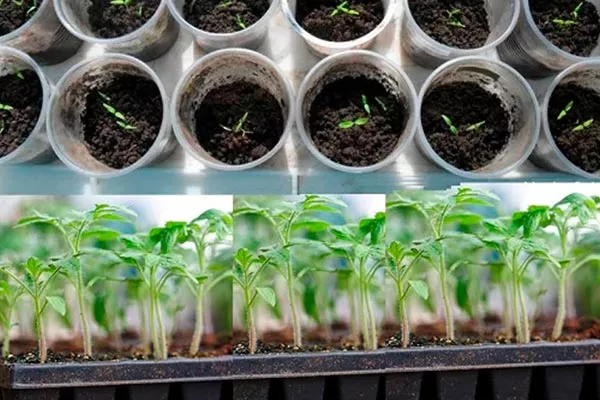
Use nutritious soil and plant the seeds 1 cm deep. Maintain the temperature at 22–25°C until germination, then reduce it to 18–20°C. Once the seedlings have grown and 6–7 true leaves have appeared, begin preparing for planting.
Follow the recommendations:
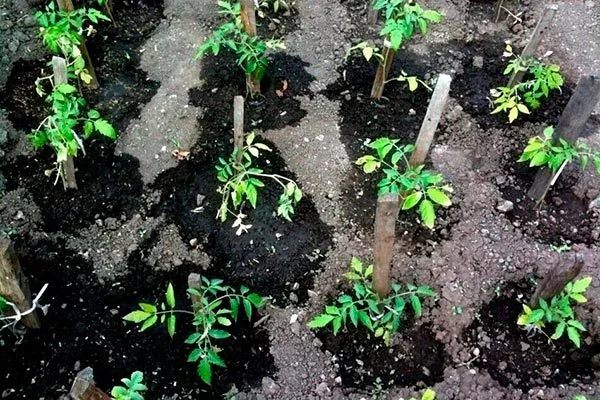
- Transplant the seedlings to the site in early June, once the danger of frost has passed and the soil has warmed sufficiently. If using plastic greenhouses or hotbeds, plant them as early as mid-May.
- The distance between plants should be about 40-50 cm to ensure adequate ventilation and space for growth.
- Water your tomatoes regularly, especially during flowering and fruit set. Use warm, settled water and apply it to the roots, avoiding contact with the leaves.
- Apply the first fertilizer two weeks after planting the seedlings in the ground. Use complex mineral fertilizers with high phosphorus and potassium content to improve tomato fruit set and increase yield.
Use organic compounds such as mullein infusion or wood ash. - Bushes require regular side shoot removal to prevent excessive growth and improve air circulation. Remove shoots growing in the leaf axils to ensure the plants focus their energy on fruiting.
By following all these planting and care recommendations, you will be able to achieve high yields and quality fruits of the Grand variety.
Treatment and prevention of diseases and pests
The Grand tomato, like other tomato varieties, is susceptible to various fungal diseases and pest attacks. To ensure a high yield, it's important to combat these issues promptly:
- Late blight. It appears as dark brown spots on leaves, stems, and fruits. Regularly treat with fungicides, such as Ridomil Gold or Quadris.
Remove affected leaves and fruit. Ensure good air circulation between plants and control humidity levels. - Powdery mildew. Characterized by a white, powdery coating on leaves and shoots. Use sulfur-containing fungicides such as Topaz or Skor. Regularly prune diseased leaves. Maintain an optimal watering regime and ventilate the greenhouse.
- Ascochytosis. This is accompanied by brown spots on the leaves and stems. Spray with Bordeaux mixture or a copper sulfate solution. Destroy affected plant parts.
- Aphid. These are small insects that suck the sap from leaves and shoots, causing deformation and yellowing. Use insecticides such as Aktara or Karate. Folk remedies such as a soap solution or garlic infusion are also effective. Attracting aphids' natural enemies (ladybugs and parasitic wasps) will help solve the problem.
- Whitefly. These are small white insects that feed on plant sap and can carry viruses. Treat with insecticides, such as Aktara. Use yellow sticky traps to reduce pest populations.
- Spider mite. Small red or brown bugs that spin fine webs and suck sap from leaves. Use acaricides such as Akarin and Fitoverm.
- May beetles and other soil pests. They damage the root system, causing plants to wilt. Treating the soil with insecticides before planting can help. Mulch the soil to prevent pests.
- ✓ Maintaining air humidity below 70% to prevent the development of fungal diseases.
- ✓ Regular ventilation of the greenhouse to ensure air circulation.

Preventive measures:
- Check your plants for signs of disease and pests. The sooner you detect damage, the easier it will be to deal with it.
- Avoid planting tomatoes in the same location for several years in a row to prevent the build-up of pathogens and pests.
- Maintain a proper watering regime and ventilate greenhouses to reduce humidity and prevent the development of fungal diseases.
Combine chemical treatments with folk remedies to reduce insect and disease resistance to chemicals.
Pros and cons
The crop is characterized by good productivity and a long fruiting period.
Reviews
The Grand tomato offers an excellent combination of stability, flavor, and robust immunity. Thanks to its excellent varietal characteristics, it will delight you with high-quality tomatoes. Timely planting, proper care, and attention to specific characteristics are the key to a good harvest with minimal effort.