
Dwarf Purple Heart is the name of a mid-season tomato variety distinguished by its heat and drought tolerance, strong immunity, and high commercial yield. It is grown in open beds, greenhouses, and pots. A distinctive feature of this variety is its unusual burgundy-chocolate coloring and the unique shape of its fruits.
History of variety selection
This vegetable variety was developed as part of the international "Tomato Dwarf" project, which was launched in 2006 in response to numerous requests from vegetable growers worldwide for dwarf varieties. In addition to their small size, the varieties being developed were required to possess the following qualities:
- the ability to thrive in limited space, including being suitable for growing in pots on a balcony or terrace;
- resistance to adverse environmental factors: heat, drought, cold, lack of light, temperature changes;
- marketable appearance of the harvest and excellent taste qualities.
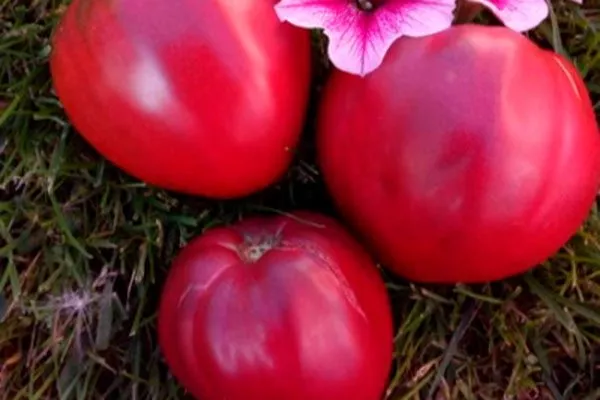
Scientists from the United States and Australia worked on this task. Over several years of painstaking breeding, their efforts resulted in the development of new varieties possessing the characteristics listed above. Among the new varieties released during the project was the Dwarf Purple Heart.
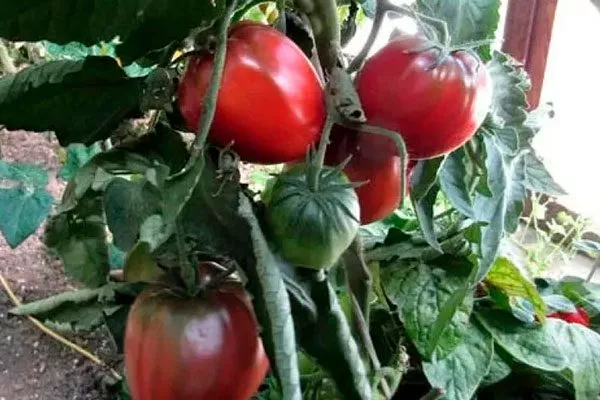
A variety with burgundy-chocolate, heart-shaped fruits was born in 2014. To create it, Bill Minkey from the American state of Wisconsin crossed tomatoes:
- Wild Fred from the Gnome series;
- Brad's Black Heart.
For some time, the new variety was refined with the help of another scientist, Vince Lavallo. It was originally called "Porky" but was later renamed "Purple Heart." It became available for sale in 2015. It is not listed in the Russian state register. The seeds are sold domestically by the agricultural firm "Partner."
General characteristics of the Purple Heart tomato variety
If you'd like to grow this original variety, bred by talented Americans, in your garden or on your balcony, first familiarize yourself with the botanical description of the plants and fruits, as well as its technical characteristics.
Appearance of bushes
Purple Heart Dwarf plants are low-growing and compact. They are standard plants.
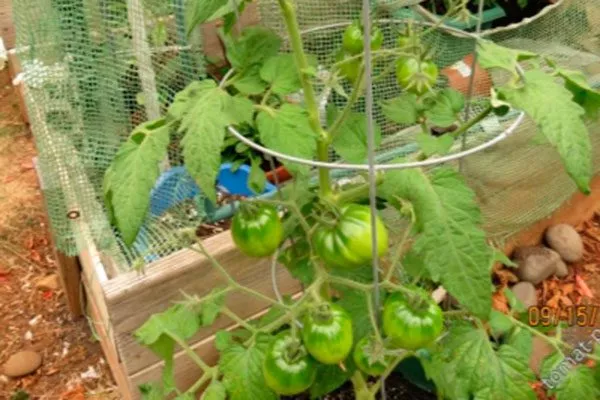
The description of their appearance includes the following features:
- height - 0.6-1 m (in greenhouses - up to 1.3 m);
- strong and fairly thick stems;
- abundance of foliage, dense, dark green, with a wrinkled surface;
- fruit clusters consisting of 4-5 tomatoes and formed through 1 node.
Standard bushes are easy to care for, as they don't require mandatory pinching or shaping. They only need to be tied to supports to prevent the stems from breaking under the weight of the ripening crop.
Description of the Purple Heart tomato variety
Gnome tomatoes are a delight to the eye with their attractive appearance and excellent consumer qualities.
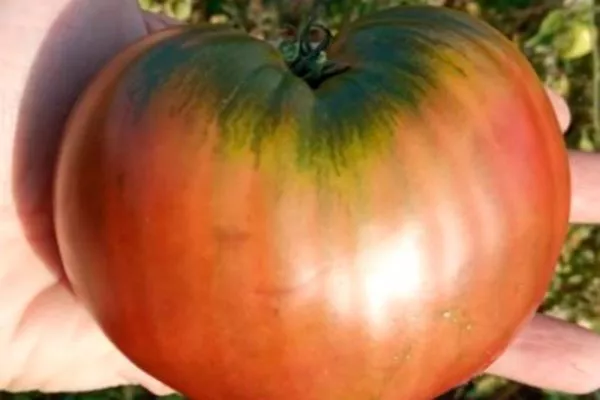
They have the following external data:
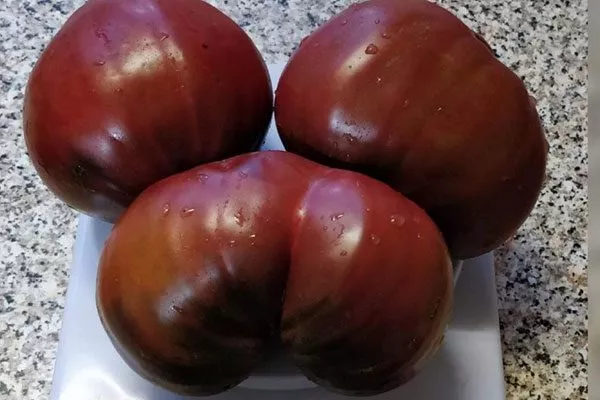
- medium or large sizes;
- weight - 100-200 g (with enhanced agricultural technology it is possible to obtain large tomatoes, the weight of which will fluctuate between 250 g and 450 g);
- beautiful heart shape;
- rich purple-chocolate color, olive green at the base;
- thin skin, smooth and glossy, not very strong;
- pulp: dark burgundy, medium-dense, fleshy, not loose, with an oily consistency, visually similar to jelly, very aromatic.
Heart-shaped tomatoes retain their freshness well and transport well. They delight the consumer with their wonderful flavor: balanced, rich, sweet and tart, with fruity notes.
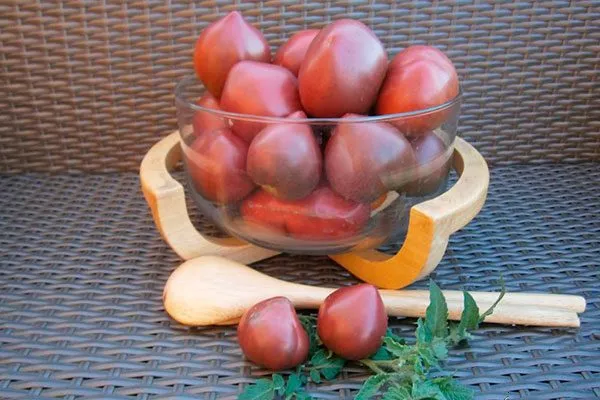
The variety owes its name to the unusual reddish-brown color of its fruits. The beautiful chocolate hue is due to the high content of substances called anthocyanins in the pulp and skin. These are not only natural colorants but also powerful antioxidants. They impart healing properties to the vegetable:
- protection of body cells from free radicals;
- prevention of the development of heart and vascular diseases;
- stimulation of brain activity;
- improved vision;
- slowing down aging and rejuvenating the body.
Ripening time and yield
Dwarf Purple Heart is a mid-season variety and hybrid. The first tomatoes ripen in early August. The fruiting period is long, lasting until the end of September.
Average yield figures:
- 1 plant yields 2-2.5 kg;
- Gardeners collect 6-8 kg from 1 square meter of vegetable garden (more produce can be obtained with intensive application of fertilizers).
Scope of application of fruits
Its primary purpose is to be eaten fresh. It's a wonderful summer dessert, sure to satisfy even the most discerning gourmet. Gnome's harvest can also be used in home cooking:
- adding to salads, side dishes, soups, pizza, casseroles;
- processing into juice or tomato paste;
- preparation of sauces, original ketchup;
- canning;
- freezing;
- decorating dishes.
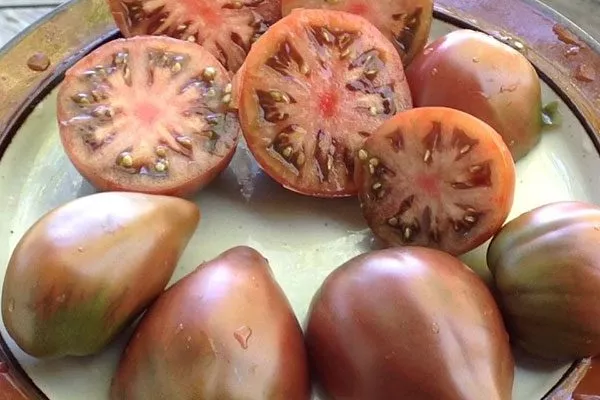
Chocolate tomatoes produce a thick juice. They're perfect for making winter preserves like lecho. Canning these tomatoes whole isn't practical, as their skins crack during cooking.
Large, fleshy, heart-shaped tomatoes are used in a variety of culinary delights. They're stuffed with a mixture of cream cheese and chopped herbs, baked in the oven with pork or fish, and made into amazingly delicious jam or marmalade. The fruits hold their shape well when sliced, and the edges are smooth.
Resistance to adverse conditions and regions
This vegetable crop, developed by American breeders, is hardy. It withstands many adverse environmental conditions:
- heat;
- drought;
- temperature swings.
The purple-chocolate variety isn't particularly cold-hardy. Frosts are particularly damaging, killing the weakest specimens.
Gnome can be grown throughout the Russian Federation. In the south, it thrives in open beds. In colder regions, it can only be grown in greenhouses or indoors. While it's very popular abroad, it's not widely grown here and is considered exotic.
Resistance to diseases and pests
Low-growing Purple Heart bushes have strong immunity. They resist viral infections well and are not susceptible to fungal attacks, as long as they are not planted too densely or the bed is not overwatered.
They are not afraid of many diseases of nightshades, including:
- Fusarium wilt;
- TMV (tobacco mosaic virus);
- Cladosporiosis;
- blossom-end rot.
The crop lacks good immune defense against insect attacks. Its plantings are susceptible to attacks by aphids, Colorado potato beetles, and spider mites. Prevention and the use of insecticides help solve the problem.
Features of planting and growing
Grow the Purple Heart Gnome tomato using seedlings, then transplant the seedlings to an open bed, a greenhouse, or a large pot. Since it's a cultivar, not a hybrid, you can use your own seeds for sowing.
Sowing tomato seeds for seedlings
Begin planting 60-65 days before the expected date of transplanting the plants to their permanent location. The optimal time for sowing is the second half of March. Consider the climate conditions in your region.
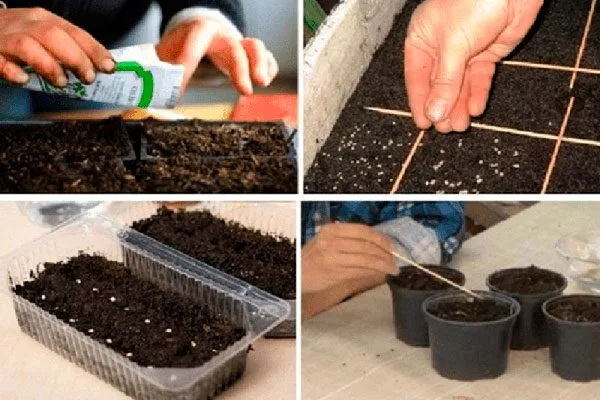
Prepare soil for growing the heart-shaped variety indoors: loose, fertile soil with a pH of 6-6.5. Choose a universal commercial substrate or a homemade potting mix.
To obtain the latter, combine the components:
- sand - 20%;
- soil taken from the garden - 30%;
- peat crumbs - 20%;
- humus - 30%.
Be sure to disinfect the soil obtained from garden soil by baking it in a frying pan or oven. It can also be freed of pathogens by freezing, steaming, or using a strong solution of potassium permanganate.
To avoid damaging seedlings by transplanting, sow seeds directly into individual containers: peat pots or 400 ml plastic cups with drainage holes in the bottom. Clean the inside of reusable containers with rubbing alcohol.
Seeds also require preparation for planting. This is especially true for hand-collected seeds from the largest and most beautiful tomatoes from last year's harvest. Follow these steps:
- hardening (keep them in a cool place for 3 days);
- etching in a solution of potassium permanganate (1-2%) followed by rinsing in clean water;
- germination in a bowl with damp gauze, located in a warm room.
To get strong and healthy seedlings of the dark-colored Gnome tomato, follow these step-by-step instructions for sowing:
- Fill the pots 2/3 full with nutrient substrate. Water it.
- Make a small hole in the ground, 1-1.5 cm deep.
- Place 1-2 seeds in it (after two sprouts appear, remove the one that looks weaker).
- Cover the seeds with soil. There's no need to compact it. Moisten the seeds again.
- To create a greenhouse effect to ensure the sprouts emerge evenly, cover the container with plastic wrap. Keep it in a warm place (22-25°C).
Further cultivation
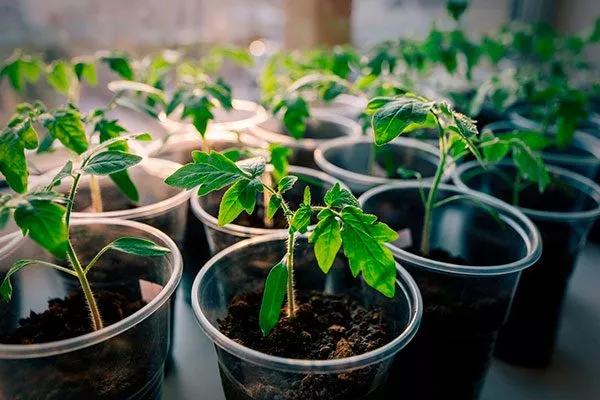
To obtain healthy and viable seedlings of the original Gnome Purple Heart variety, follow these simple rules for growing them at home:
- After the sprouts appear, remove the covering material from the pots;
- keep the seedlings in a bright room with a temperature of +18+20°C;
- protect it from drafts and direct sunlight;
- provide the plants with a long daylight period (11-12 hours a day) by turning on a phytolamp above them;
- water the planting with lukewarm, settled water as the top layer of soil dries out;
- Carefully loosen the soil in the tomato pots to enrich it with oxygen;
- ventilate the planting area daily;
- If you sowed the seeds not in individual containers, but in a common box, after the seedlings have formed 2 true leaves, transplant them into large individual cups;
- Feed the purple-chocolate variety plantings with mineral complexes once every 10 days;
- harden them off (this procedure is mandatory if you plan to “relocate” the tomatoes to open areas of the garden).
Transplanting seedlings into a greenhouse or open ground
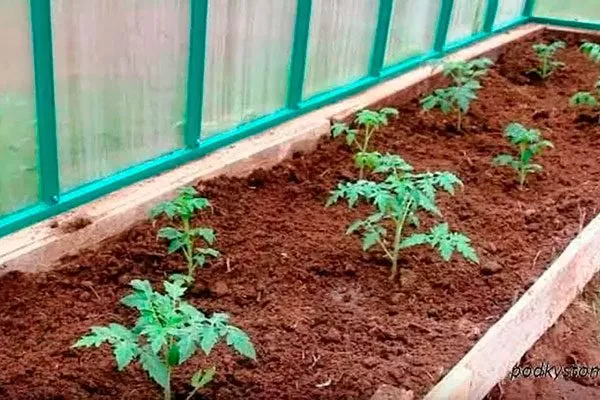
Transplant the grown and strengthened tomato seedlings to their permanent growing location within the timeframes recommended by the seed manufacturer:
- in the second half of May - in greenhouses;
- at the beginning of June - to the open-air areas of the garden (cultivation of vegetable crops without shelter).
If you plan to grow the original variety in open ground, first wait until the soil warms up to at least 15°C. If there is prolonged absence of warmth, delay transplanting the seedlings into the garden.
Set aside a place on your garden plot that has the following characteristics:
- abundant sun exposure throughout the day;
- protected from drafts and gusty winds;
- not flooded by groundwater;
- last year served as a bed for good predecessors of tomatoes: zucchini, cabbage, carrots, radishes, cucumbers, turnips, pumpkin, mustard.
Prepare the selected plot in the fall. Dig it over, clear away weeds and their roots. Apply nitrogen-containing fertilizer to enrich the soil with nutrients over the winter. Use organic matter: mullein, compost, and wood ash.
In the spring, loosen the soil in your garden again and water it. To improve fertility, add mineral fertilizers, observing the application rates:
- Superphosphate - 20 g per 1 sq. m;
- ammonium nitrate - 30 g per 1 sq. m.
If you choose to grow Gnome tomatoes in a greenhouse, maintain favorable conditions: a temperature of 17-19°C during the day (12-14°C at night), air humidity of 60-70%, and soil humidity of 70-75%. Don't forget to ventilate the interior.
Greenhouse soil also requires increased fertility. Use organic fertilizers and mineral compounds for this purpose:
- cow manure, humus (4-6 kg/sq. m);
- ammonium nitrate (8 g/sq.m);
- Superphosphate (30 g/sq.m);
- potassium magnesium sulfate (10 g/m2).
The day before planting, make holes in the soil 30 cm deep, 20-30 x 40 cm apart. Water them. Place the tomatoes in the holes, complete with soil. Plant up to 6 seedlings per square meter of bed. Cover the bottom 10% of the stems with soil to stimulate root development.
Further care of tomatoes
Purple Heart Dwarf doesn't require complex cultivation techniques. Simply follow the general care guidelines to ensure good bush productivity:
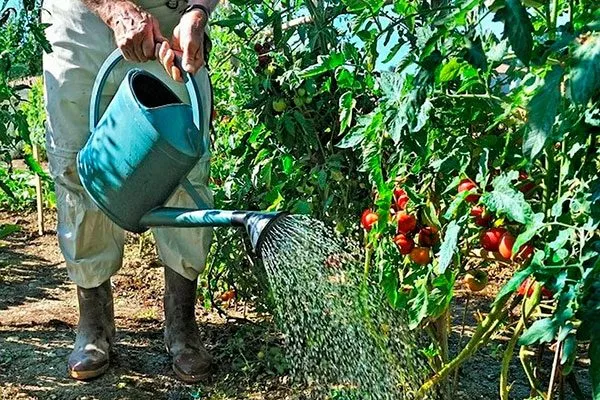
- Water the plants. Water 1-2 times every 7 days. Use 6 liters of lukewarm, settled water per plant. Pour it at the roots, avoiding splashing the leaves and stems. Avoid allowing the soil in the bed to dry out for extended periods or allowing it to become waterlogged.

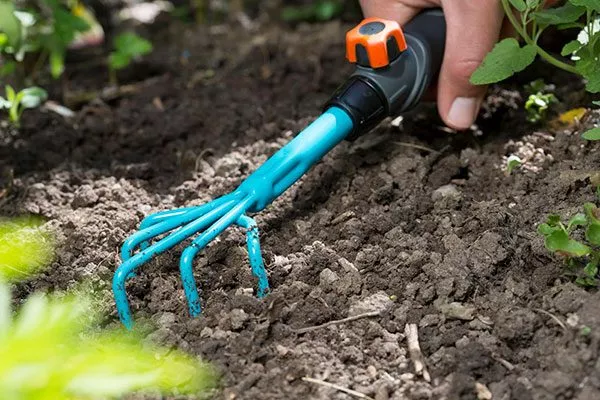
- Loosen the soil under the tomatoes and remove weeds.Perform these procedures the day after watering. Be careful not to damage the roots.
To prevent the reappearance of harmful vegetation and to better retain moisture in the soil layer, resort to mulching the planting with organic matter (sawdust, straw, peat, compost).
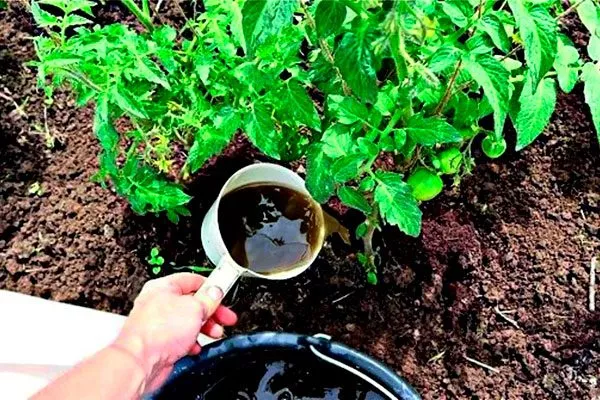
- Feed the Purple Heart, To ensure a bountiful and high-quality harvest, apply nutrients at least three times per season. Seven to 10 days after transplanting the seedlings to the garden, water them with a mullein infusion. During flowering, fertilize the tomato plants with a superphosphate solution. After fruit set, apply potassium humate.
- Perform selective side-sonningGnome doesn't require mandatory bush shaping or side shoot removal. Plants of this cultivar don't tend to produce numerous lateral shoots. Selectively remove excess shoots located below the first cluster to increase the plant's fertility.
Disease prevention and pest control
This variety, developed by Americans as part of the "Gnome Tomato" project, delights gardeners with its high resistance to most infections that plague nightshades. Viruses rarely attack the crop. Fungal diseases appear only due to overcrowding and overwatering.
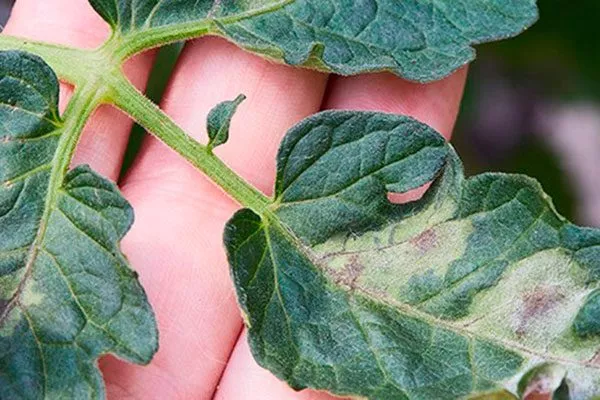
To keep your purple chocolate tomato plantings healthy, pay close attention to standard preventative measures:
- disinfection of seeds that you have prepared yourself (soak them before planting in a solution of potassium permanganate or any fungicide);
- watering the soil in the garden bed and homemade soil mixture intended for growing Purple Heart seedlings at home, with water with the addition of potassium permanganate;
- annual replacement of the top soil layer in the greenhouse (its thickness is more than 5 cm);
- treatment of the internal surfaces of the shelter with disinfectants;
- arrangement of a garden bed located in the open air, away from nightshade crops;
- regular inspection of Gnome bushes in order to promptly detect the first signs of disease;
- destruction of parts of the bush affected by fungus;
- regular weeding, removing plant debris from the garden bed;
- preventive treatment of tomato plantings with such agents as copper sulfate solution, Bordeaux mixture, Fitosporin-M;
- compliance with the watering regime, timing and rates of fertilizing;
- preventing the tomato planting from becoming too dense;
- removal of lower leaves in order to protect the crop from root rot;
- monitoring the temperature and humidity levels in the greenhouse and regularly ventilating it.
If you were unable to prevent the bushes of a varietal variety from becoming diseased, treat them and the soil beneath them with Fitosporin-M, a solution of copper sulfate.
Purple Heart tomatoes are often attacked by Colorado potato beetles, aphids, white flies, spider mites, and slugs. To repel pests, grow strong-smelling plants near your Purple Heart tomatoes:
- basil;
- peppermint;
- tansy;
- French marigolds.
If you fail to protect your vegetable crop from pest infestation, use commercial insecticides to combat them: Confidor, Fitoverm, Actellic.
The Colorado potato beetle is the most dangerous. To defeat it, follow these steps:
- manual collection of larvae and adult insects;
- dusting plants in the garden bed with wood ash, crushed into powder;
- mulching the soil under tomatoes with sawdust;
- treatment with infusion of celandine, tobacco, dandelion;
- Spraying with purchased products: Confidor, Calypso, Mospilan, Aktara (an extreme measure, which is recommended for large numbers of pests).
Pros and cons
The tomato variety, part of the "Gnome" varietal series, boasts many positive qualities. It has won the hearts of vegetable growers around the world thanks to its inherent advantages:
Among the disadvantages of the burgundy-chocolate variety, gardeners point out the dependence of productivity indicators on the amount of fertilizer applied, the need to tie to supports, and susceptibility to attacks by harmful insects.
Reviews
The Purple Heart Gnome is an unusual variety of sweet tomatoes with a beautiful shape and auburn color. Domestic gardeners value it for its high-quality yields, robust plant health, and ability to grow in a variety of conditions. The fruits are eaten fresh as a healthy summer treat and used in culinary delights.