
The new tomato variety "Gnome" once attracted the attention of countless gardeners, who couldn't get enough of its excellent adaptation to outdoor soil. Almost 11 years later, many gardeners and vegetable growers still prefer this tomato variety. Learn about the reasons for its popularity and its unique characteristics in this article.
Description of the variety
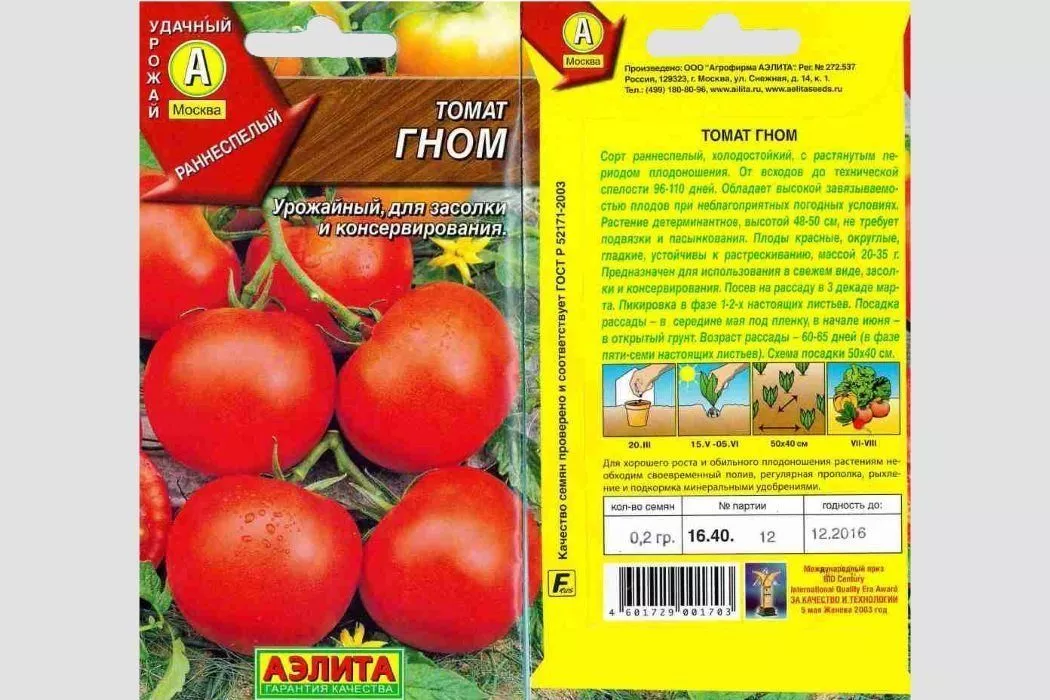
'Gnome' is an early-ripening tomato variety. It takes 90 to 120 days to ripen. It's relatively easy to care for. The plant is low-growing, determinate (the main stem grows only in flower clusters), and can be grown in open ground or under plastic cover.
The bushes are not standard and have few branches. The maximum plant height is 55 cm. The leaves are small, light green with a subtle sheen. The tomato inflorescences are miniature. The first inflorescences form above the 8th leaf. Subsequent inflorescences begin to grow at intervals of three leaves.
Fruit characteristics and yield
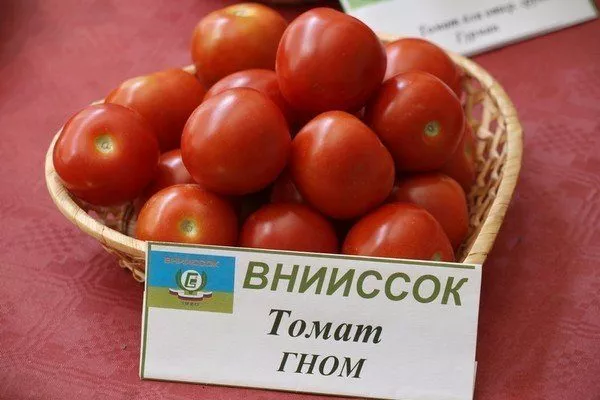
The "Gnome" variety of tomatoes has a round shape, smooth texture, and a bright red hue. The minimum fruit weight is 40 g, and the maximum is 65 g.
These tomatoes have a pleasant, slightly sweet flavor. They don't crack easily and have a long shelf life, making them easy to transport over long distances. This tomato variety is excellent because it can be used not only in fresh vegetable salads but also in preserves and various sauces.
The "Gnome" variety boasts some of the highest yields. With proper care and adherence to all agricultural guidelines, approximately 6 kg of ripe, juicy fruit can be harvested from just 2 square meters of planted bushes.
Resistance to pests and diseases
One of the main advantages of this variety's fruits is their resistance to various diseases, viruses, and harmful insects. Therefore, these shrubs rarely cause problems for gardeners.
The only threat is the development of fungus. If not addressed promptly, it can seriously damage the health of the fruit. Regular ventilation of greenhouses and treatment with special chemicals are recommended as preventative measures.
Be sure to practice crop rotation. Never plant this tomato variety in a plot previously occupied by other nightshade crops, such as potatoes, eggplants, or peppers. Cucumbers and cabbage are the preferred options.
The plant has excellent immunity to diseases such as macrosporiosis and late blight, which are extremely dangerous for most tomatoes. Spraying with a solution of Fitosporin or Siyanie will help prevent infection.
A series of low-growing tomatoes called "Tomato Gnome"
| Name | Disease resistance | Soil requirements | Ripening period |
|---|---|---|---|
| Pink Passion | High | Neutral | 112 days |
| Merry gnome | Average | Subacidic | 90-100 days |
| Big gnome | High | Neutral | 110-120 days |
| Purple Heart | Average | Subacidic | 100-110 days |
| Anto the striped | High | Neutral | 95-105 days |
| Ferokovkay | Average | Subacidic | 105-115 days |
| Thongs | High | Neutral | 115-125 days |
| Heart of Gold | Average | Subacidic | 100-110 days |
| Wild Fred | High | Neutral | 110-120 days |
There's a separate "Gnome" variety, and then there's the "Dwarf Tomato Project" series. This tomato series was developed by amateur breeders in the US and Australia. It includes low-growing bushes with large fruits, with early and late harvest times. The plant can be planted even in the smallest spaces, with eight bushes per square meter. Below are the varieties included in the "Dwarf Tomato Project" series:
- "Pink Passion" The height of the bush is up to 55 cm, the fruits ripen on the 112th day, the weight of the tomato is up to 190 g.
- "The Merry Dwarf". The height of the bush is from 40 to 60 cm, the weight of the fruits is from 60 to 85 g.
- "Big Dwarf".This variety is a product of selective breeding. Height is no more than 1 m, and tomatoes weigh from 260 to 310 g.
- "Purple Heart". Height up to 80 cm, fruit weight from 90 to 180 g.
- "Anto the Striped." The height of the bush is up to 90 cm, the weight of tomatoes is from 60 to 140 g.
- "Ferokovkay". The height of the bush is over 120 cm (in greenhouse conditions), up to 80 cm (in open gardens). Tomatoes can weigh up to 360 g.
- "Thongs". The height of the bush is up to 130 cm, the weight of the fruit is from 270 to 310 g.
- "Heart of Gold". The height of the bush is up to 70 cm, the weight of the tomato is up to 170 g.
- Wild Fred. The height of the bush is up to 55 cm, the weight of the fruits is from 110 to 280 g.
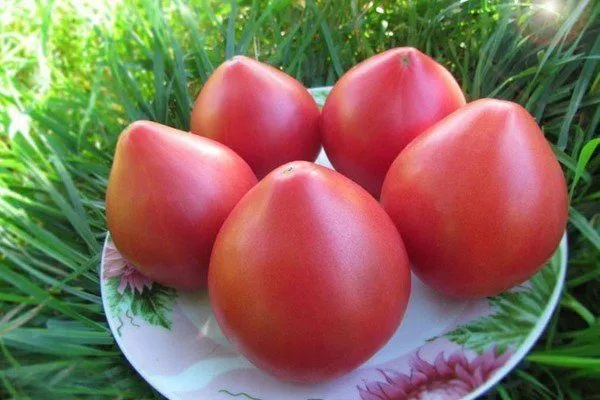
Tomato Pink Passion
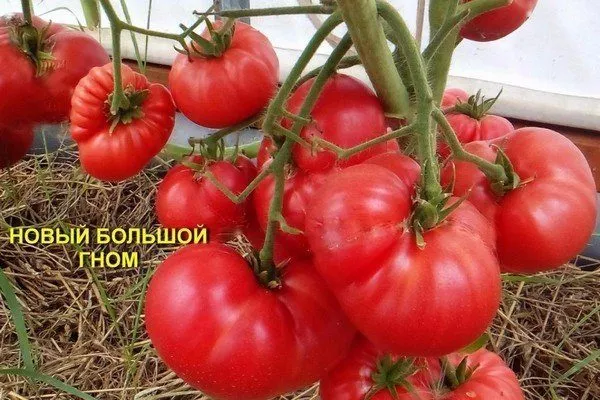
Tomato Big Dwarf
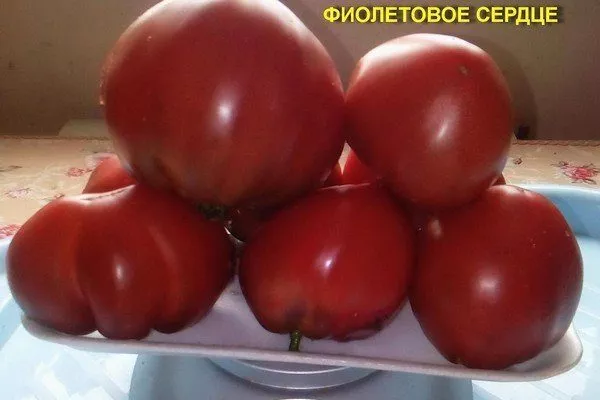
Purple Heart Tomato
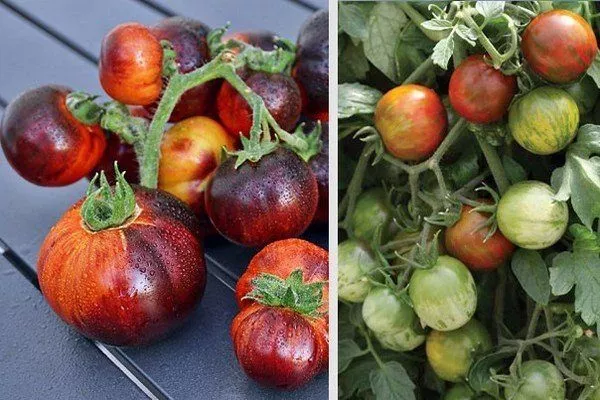
Tomato Anto striped
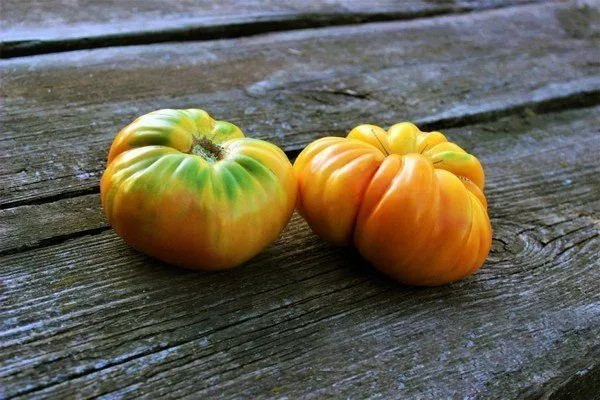
Tomato Ferokovkay
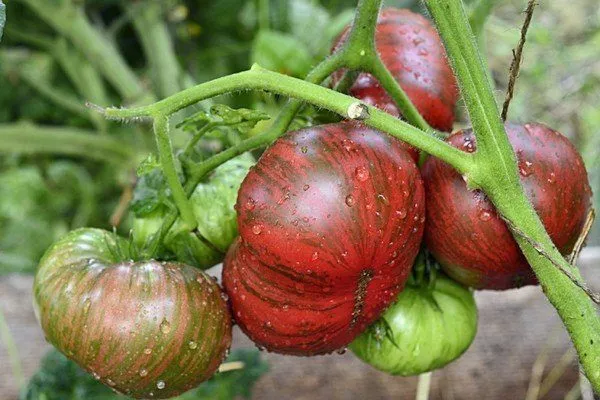
Tomato thong
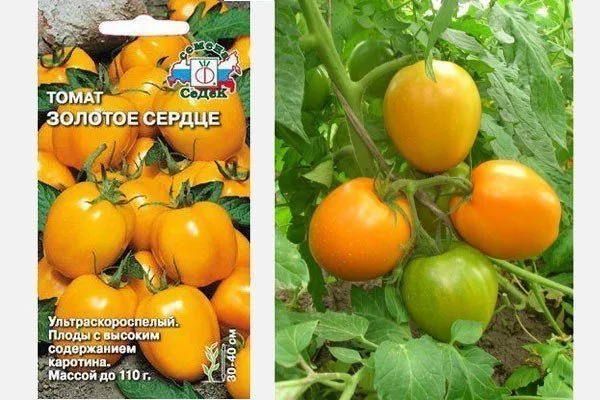
Tomato Golden Heart
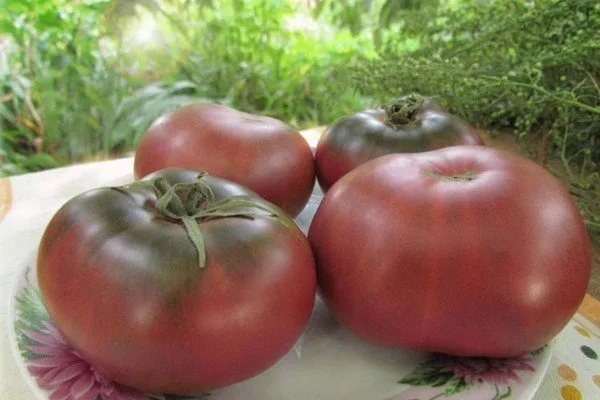
Tomato Wild Fred
Further we will talk about the “Gnome” variety, and not about the series of tomatoes.
Advantages and disadvantages
The popularity of this tomato variety can be explained by an impressive list of advantages:
- high yield rates;
- there is no need to remove side shoots;
- The small size of the bushes makes it possible to save space even in the smallest garden plot or vegetable garden;
- the early ripening of the fruits allows you to harvest the first crop as early as mid-July;
- the plant has strong immunity and high resistance to viral and infectious diseases;
- quite large fruits;
- resistance to poor and unfavorable climate for most vegetable crops;
- The fruits perfectly retain their original appearance when transported over long distances.
Gnome tomatoes have no serious drawbacks. Yields may be significantly lower only if the crop is not properly cared for or if agricultural practices are not followed.
Planting and growing rules
To grow strong and healthy seedlings, follow a few simple guidelines. Following these guidelines will reduce germination time, and the bush will produce juicy and delicious fruit.
Selecting seedlings
High-quality seedlings are the key to a good and bountiful harvest. Growing your own seedlings means you can be sure of their high quality. However, not everyone can afford to spend time caring for seedlings every day, or if the planting deadlines have been missed, you can purchase ready-made seedlings from gardeners.
- ✓ Make sure that the seedlings are not overfed with nitrogen fertilizers, which can lead to a decrease in yield.
- ✓ Make sure that the seedlings have undergone the hardening process, which significantly increases their resistance to weather changes.
Selecting seedlings is a responsible matter that requires careful consideration. Therefore, it's crucial to know the quality criteria to consider when purchasing:
- Avoid purchasing seedlings that have already set fruit. Miniature tomatoes on small bushes can give the false impression that the plant is robust and will produce a bountiful harvest. However, such seedlings typically wilt immediately after planting. The bush may produce more fruit, but this will take some time, significantly reducing the yield.
- Avoid purchasing overly dense bushes. They will likely have thick, fleshy trunks and enormous leaves. However, these seedlings are of no use. The presence of such a "jungle" is evidence that unscrupulous gardeners are over-fertilizing the plants with nitrogen fertilizer. Although the seedlings look very impressive, they will produce only a minimal number of tomatoes.
- The optimal trunk thickness for a tomato plant is the diameter of a pencil. The "Gnome" variety typically has approximately 8-9 leaves per seedling and one clearly visible inflorescence.
- Pay attention to the bottom half of the seedlings. Good seedlings have leaves that are an exceptionally uniform greenish hue, without any yellow spots, brownish or black edges, or creases.
- A bush that has rot, mold, small beetles or other insects will not produce a good harvest.
- Choose seedlings that have been divedIts distinctive features include extensive branching and a strong root system. These characteristics indicate the tomato plant's good viability.
Another indicator of transplanted seedlings is the density of the root ball. The stockier it is, the better.
Untransplanted seedlings tend to have taproots, which are very slow to adapt to open soil. Consequently, they will require an indefinite period of time to establish their root system. This option is not recommended. - Take a closer look at hardened seedlings. They thrive in open ground, as they're already accustomed to temperature fluctuations. These seedlings have bright green leaves, much more vibrant than those grown in greenhouses.
Preparing and planting seeds
Before planting this tomato variety, treat the seeds with a potassium permanganate solution. Mix the solution with water at a ratio of 2 grams to 2 cups of liquid.
This procedure is necessary to protect the seeds from infectious diseases and fungi. The next step in preparing the seeds for planting is soaking them in a nutrient solution. There are several options for preparing this solution:
- Mix 1 tsp of wood ash with 1 l of water. Add 1 tsp of nitrophoska fertilizer to the resulting solution.
- Dissolve sodium humate (1 teaspoon) in water (1 l) to stimulate plant growth.
Soak the seeds in the prepared solution for 10 hours. After this time, rinse the seeds in cool water and place them in clean water for 24 hours.
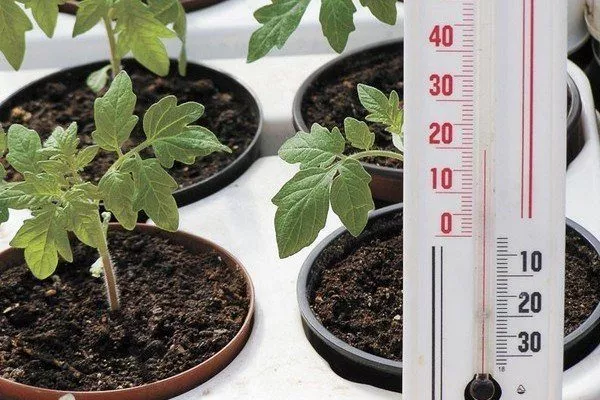
The nutrient solution must be warm, its temperature must be at least 26 degrees.
The final step is hardening. Place the treated "Gnome" seeds in the refrigerator for 2 days. Spray them with water periodically to prevent drying out. Once the seeds have been prepared, you can begin planting.
Depending on the number of seeds, select a container of the required volume. Preferably oblong containers.
Place the tomato seeds in several rows and cover them with loose soil to form a 1-cm layer. Then, cover the container with the seedlings with plastic wrap. This will create a greenhouse effect with a constant level of humidity, essential for rapid growth and development of tomatoes.
Caring for seedlings
Caring for Gnome tomato seedlings is a responsible and labor-intensive task that requires strict adherence to several factors: from maintaining a certain temperature regime to regularly supplying the soil with the necessary beneficial microorganisms.
- ✓ Provide seedlings with sufficient lighting, using fluorescent lamps if necessary.
- ✓ Maintain an optimal temperature regime for seedlings, avoiding sudden changes.
First of all, make sure the seedlings are placed in the brightest spot in your apartment or house. Tomato seedlings are extremely sensitive to lack of light, and a lack of light can cause them to wilt. During the initial stages, a daylight period of 11 to 15 hours is necessary. If natural light is insufficient, use fluorescent lamps. lamps for seedlings.
Initially, water the seedlings exclusively with a spray bottle, using misting. Use only boiled or previously settled water. If desired, you can add a few drops of potassium permanganate. Spray no more than once every 7 days.
Before transplanting the seedlings into open beds, they will need to be hardened off. This should take no more than 9-11 days.
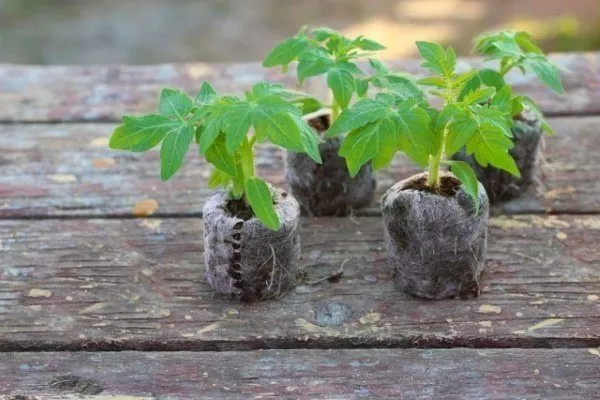
During the first few days, do not leave the seedlings outdoors for a long time; do this gradually, increasing the hardening time each day.
Planting in open ground
Gnome tomato seedlings thrive in fertile, well-drained, and loose soil. Slightly acidic or neutral soil is considered ideal.
Regular garden soil is acceptable. However, be sure to disinfect it. To do this, thoroughly mix vermicompost, compost, peat, and mineral fertilizer into the soil. The resulting soft, nutrient-rich soil will be an excellent base for planting tomato seedlings.
Planting "Gnome" tomatoes isn't any different from regular tomato planting. First, dig holes slightly larger than the container the seedlings are in. Place the seedlings upright in the holes and cover with fertile soil. Once planted, water the seedlings at the roots with warm water.
Caring for tomatoes in open ground
Gnome tomatoes, like other tomato varieties, tolerate neither dry soil nor excess moisture. Water as the soil dries out. If there's no rain, water the plants 1-2 times every 7 days with warm water only.
Loosening the soil is done whenever the soil becomes compacted. This is fairly easy to notice, as a crust of soil forms on the soil around the shrub.
Fertilize tomatoes at least three times throughout the summer. If desired, additional feeding every 14 days is acceptable. The fertilizer composition can be anything, but the only requirement is the ratio of nitrogen, phosphorus, and potassium. The former should be significantly less than the latter two. Bird droppings, mixed under the roots of the bush, make an excellent fertilizer.
As soon as the bush establishes itself in open soil and begins to grow vigorously, it will need to be supported. Drive a stake 30 cm into the ground on the north side. The distance between the stem and the support should be at least 15 cm. Hilling up tomato bushes is done 3-4 times throughout the summer.
Harvesting and storage
Tomato harvesting can be done in two ways. The first is suitable for those who want to sell the tomatoes immediately, for example, for making a fresh salad.
The second variation is useful for those planning to preserve tomatoes or transport them over long distances. To do this, pick the tomatoes from the bush a few days before they're fully ripe and place them in a warm place to ripen naturally.
However, in neither case should the tomato be allowed to overripen, as it will lose its taste and a huge amount of vitamins beneficial to humans.
When harvesting, inspect the bush for damage and remove damaged leaves if necessary. This will prevent the spread of any potential infectious disease to other bushes.
Ripe tomatoes shouldn't be stored for long periods of time; they will simply spoil. Arrange unripe tomatoes in several rows, preferably in a dimly lit area. This will ensure a more efficient and shorter ripening process.
Diseases and pests
The "Gnome" tomato variety is highly resistant to various diseases, both infectious and viral. Breeders have successfully engineered this variety with protective properties that prevent diseases from spreading their destructive influence. However, pests can still cause some problems.
Spider mites reside on the undersides of leaves. They are dangerous because they suck the sap from the leaves and cover them with fine webbing. Subsequently, the plant becomes covered with black spots and begins to wilt. Controlling this pest is difficult, but possible. Regularly inspect the leaves and, if necessary, spray the plants with a product called Fitoverm.
Another pest that can be dangerous to tomatoes is the wireworm. It feeds on the stems and root system of tomato plants. A damaged plant dies instantly and cannot be saved. Vegetable traps are an extremely effective way to combat wireworms. All you need is a few root vegetables, such as potatoes, carrots, or beets.
Place the roots in the soil so they are 15 cm deep. Insert a tall stick into the roots so that it sticks out of the soil after you bury them. After a few days, remove the roots and wireworms and burn them along with the roots.
When growing tomatoes in greenhouses, one can often encounter the problem of mole crickets. This insect pest, whose body can reach 12 cm, is capable of quickly traveling long distances underground, causing irreparable damage to tomato roots. But the main danger is that, after digging a small hole in the ground, the mole cricket lays up to 200 larvae. After 14 days, they begin devouring everything in their path.
Despite the terror the mole cricket inspires in gardeners, it's quite easy to control. First of all, avoid overwatering the soil. Water only as needed. If you spot one, try to locate its burrow and apply one of the following remedies: hot pepper infusion (100 g of pepper per 5 liters of water) or a glass of vinegar.
Gardeners' reviews
Most reviews of the "Gnome" tomato variety are positive. Many note its good survival rate in our climate and the plant's strong resistance to external factors such as insects, viruses, and infectious diseases.