
German is a tall variety with large, juicy, raspberry-hued tomatoes. This variety has proven itself thanks to its versatility and resistance to most diseases. Suitable for both greenhouse and open-field cultivation, it's ideal for a variety of locations.
Origin and growing regions
Developed by specialists at Heterosis Selection LLC, it was approved for use in 2021 and quickly became popular among gardeners. Thanks to its pleasant flavor and versatile culinary uses, these tomatoes are the best choice for growing in a variety of climates.
Due to its high adaptability, these bushes are grown not only in the central and southern regions, but also in harsher areas such as Siberia and the Far East. This makes the variety versatile and popular among Russian vegetable growers.
Description of the bush and fruits
Herman is a high-quality indeterminate hybrid. Distinguishing characteristics:
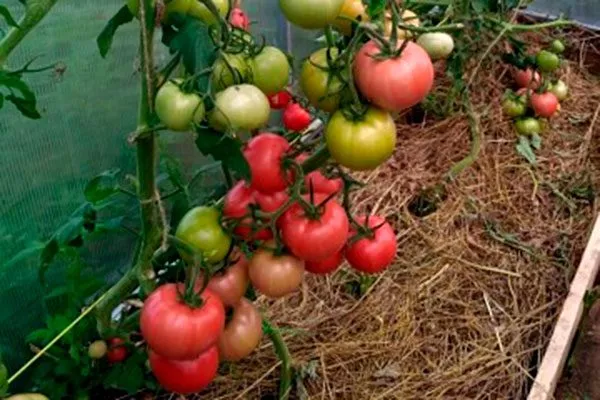
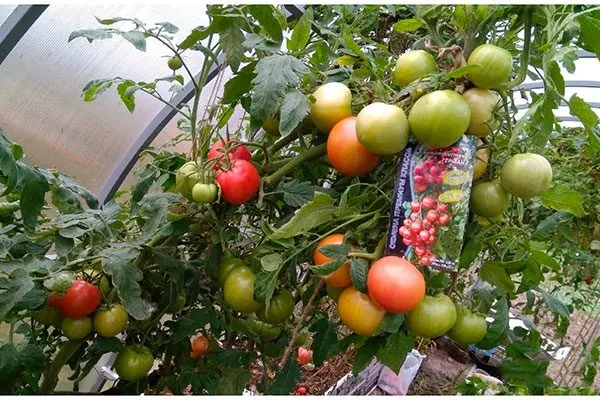
- The bushes reach 2-2.2 m in height, have an average amount of green mass, and the leaves themselves are emerald in color.
- One of the variety's key features is its high level of transportability. When standard agricultural practices are followed, the proportion of marketable fruits can reach 98%.
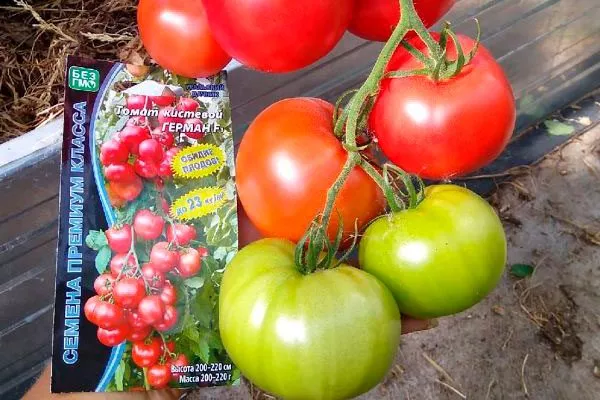
- Tomatoes are lightGreen when unripe, with no spots on or around the stalk. As they ripen, they turn crimson.
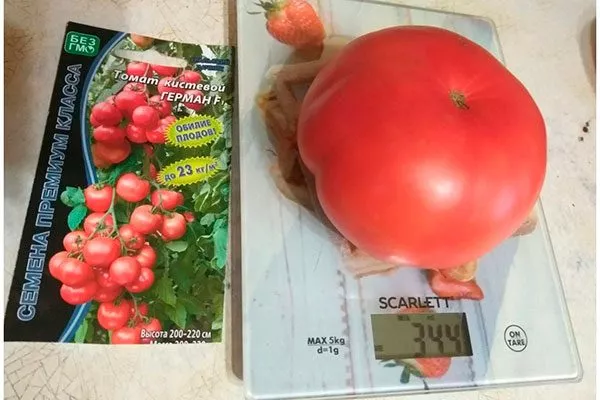
- The average weight of the vegetable is 200 g. It has a round shape with barely noticeable ribs.
- One brush usually produces 6 to 8 tomatoes.
- The first inflorescence appears above 6-7 leaves, and then follows after 1-2 leaves.
Main characteristics
This early-ripening variety begins to ripen 93-95 days after germination. The active fruiting period occurs during:
- July;
- August;
- September.
The crop yields are quite high, with minimal variation. Expected yields range from 19.2 to 19.5 kg per square meter. With timely and proper agricultural practices, yields of up to 23 kg per square meter can be achieved.
German is not seriously susceptible to Alternaria blight, and tobacco mosaic virus develops quite rarely. However, this doesn't relieve agronomists of the need to protect the plants. The main pests are the same as those of other varieties, and control methods are similar.
Features of growing tomatoes of the Herman variety
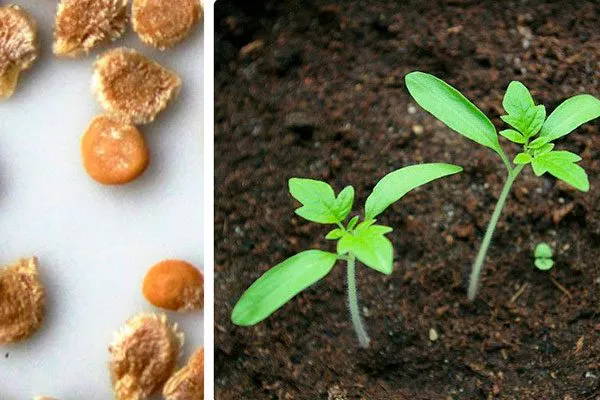
Sow seeds 55-60 days before transplanting. Pre-treat them with a solution of potassium permanganate or Fitosporin to protect against infections. To improve germination, soak the seeds for 12 hours in warm water or a growth stimulator.
- ✓ Optimum soil temperature for planting seedlings: not lower than +15°C.
- ✓ Plant spacing: 70×50 cm to ensure sufficient space for growth.
Helpful tips:
- The soil for seedlings should be light and nutritious. Prepare a mixture of garden soil, humus, and sand (2:1:1). Plant the seeds 1-1.5 cm deep, lightly sprinkle with soil, and moisten. Cover the container with plastic wrap or glass and place in a warm place (22…25°C).
- Once the seedlings emerge, move the containers to a well-lit area and reduce the temperature to 18–20°C to prevent the plants from stretching. Water with moderately warm, settled water. When 1–2 true leaves appear, transplant the seedlings into individual cups.

- 10-14 days before planting in the ground, begin hardening off the seedlings: take them out into the fresh air every day, gradually increasing the time spent there.
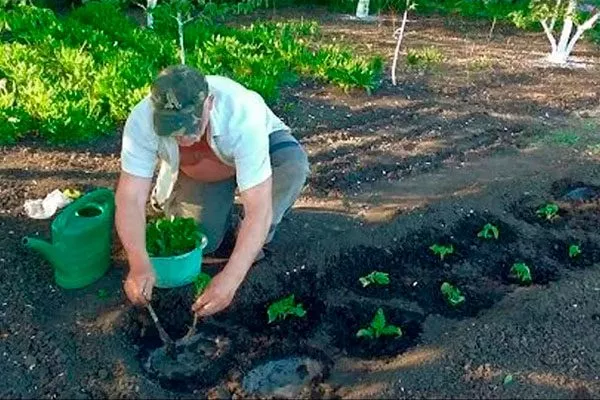
- Begin planting tomato seedlings in the beds once the danger of frost has passed and the soil has warmed to 15°C. The optimal layout is 70 x 50 cm. Fertilize the holes with humus or wood ash beforehand.
- After transplanting into the ground, moisten the plants with warm water and, if necessary, cover them with agrofibre for the first few days to protect them from the cold.
Provide your crop with comprehensive care so it will reward you with bountiful harvests. Follow standard agricultural practices:
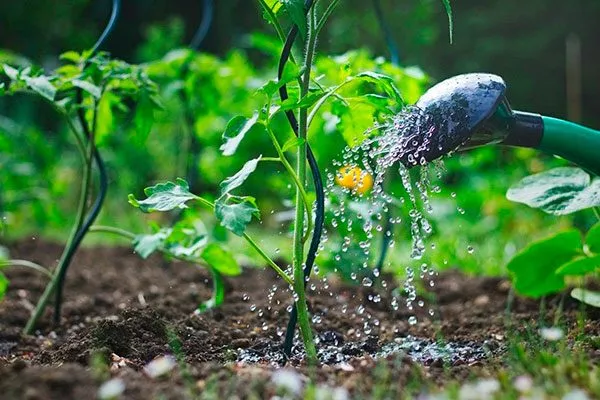
- Watering. Tomatoes don't like overwatering, but drought is also harmful. Water the plants with warm, settled water (22…24°C), applying it directly to the roots to prevent the leaves from getting wet. Follow these guidelines:
- before flowering – once every 5-7 days;
- during the period of fruit setting – once every 3-4 days;
- during mass ripening – 1-2 times a week, but generously.
- Top dressing. Fertilize plants 3-4 times per season. Follow this schedule:
- 10-14 days after planting – nitrogenous substances (mullein, herbal infusion, urea);
- during flowering – phosphorus and potassium (ash, Superphosphate);
- during the period of fruit ripening – complex solutions (boric acid, potassium sulfate);
- if necessary – foliar feeding with microelements (magnesium, calcium).
- Formation and pinching out stepsons. For a good harvest, train the plants into 1-2 stems, removing all side shoots. Regularly remove side shoots while they are small (up to 5 cm). Gradually trim the lower leaves to improve ventilation.
- Garter. Secure branches to trellises or stakes. This prevents lodging, improves light, and reduces the risk of disease.

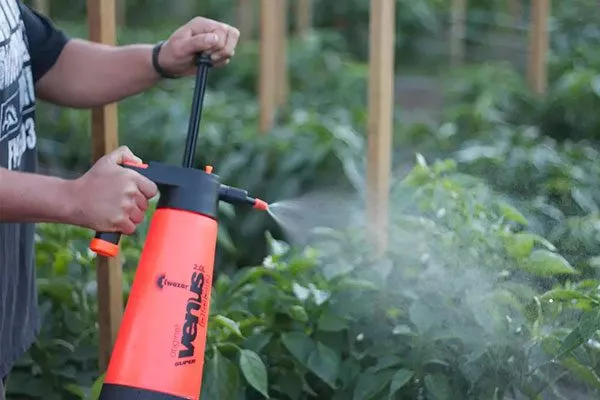
To prevent fungal diseases (late blight, early blight), treat bushes with copper-containing preparations or Fitosporin. To protect against aphids, whiteflies, and Colorado potato beetles, use infusions of garlic, onion, laundry soap, or insecticides.
Pros and cons
Before cultivating tomatoes on participantke Carefully study their features, including their shortcomings. This will help avoid difficulties in the future.
Herman has a number of advantages:
Reviews
German is a variety that combines large tomatoes, versatility, and generous yields. It's suitable for growing in a wide range of conditions and tolerates short-term cold spells and dry periods. This variety is considered the best choice for both novice gardeners and experienced farmers.