
The Galileo tomato boasts a number of advantages. Its strong disease resistance and ability to withstand adverse weather conditions make it an ideal choice for many farmers and gardeners. Whether you grow the Galileo tomato in your own garden or use it commercially, you can expect impressive yields.
Description of the bush and fruits
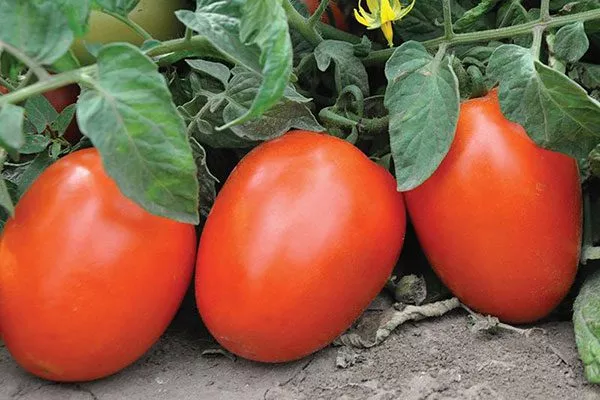
This variety is classified as a determinate hybrid, meaning it has limited growth and produces a limited number of flower stalks. The plant is characterized by strong stems and a well-developed root system. Other varietal characteristics include:
- medium-sized leaves, green in color;
- the process of fruit ripening occurs sequentially, starting from the top of the bush and gradually spreading downwards;
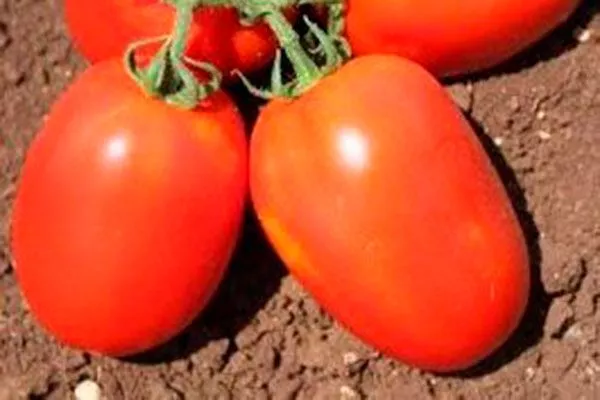
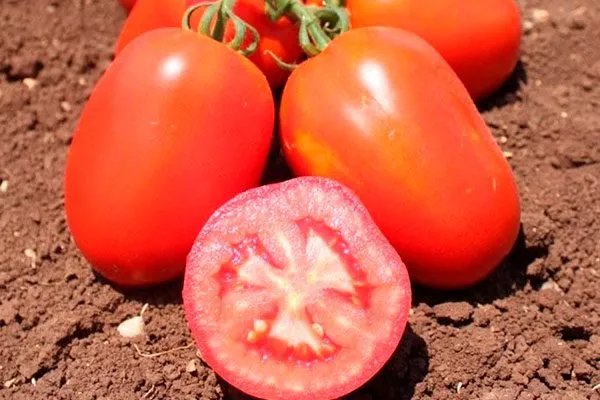
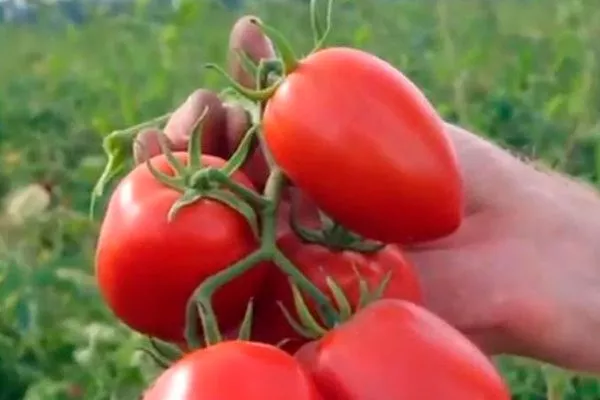
- the fruits are elliptical in shape with a surface decorated with slight ribs;
- they can be small or medium in size, with each vegetable weighing from 70 to 120 g;
- inside the fruits there are 3-4 chambers (nests;
- their taste qualities are rated as high, which makes them suitable for raw consumption;
- the pulp is dense, without veins, dark red in color;
- the dry matter content of the juice is 6.4-6.6%, and the sugar-acid index varies from 3.1 to 3.9%;
- The skin of the fruit is glossy, smooth, red.
Main characteristics
The Galilee tomato, also known as Galileya, is a hybrid tomato variety developed by specialists at Hazera Genetics LTD and officially approved for cultivation in 2011. Key characteristics and traits:
- It is characterized by an average ripening period - the period from sowing to full maturity is approximately 60 to 65 days, although sometimes it can reach 75 days, depending on the current weather and climatic conditions.
- It is distinguished by its increased productivity, reaching from 125 to 445 centners per hectare, which is significantly higher than the standard varieties Ermak and Novichok, whose yield ranges from 135 to 405 centners per hectare.
- This variety is distinguished by its excellent resistance to fungal and bacterial infections, including gray and bacterial leaf spot, verticillium wilt and tobacco mosaic virus.
- It has excellent resistance to adverse weather conditions, such as hot summers and sudden temperature changes.
Growing
To grow strong and healthy tomatoes, it's best to start with seedlings. To produce high-quality seedlings, seeds should be planted 60-65 days before the planned date of transplanting the plants outdoors. However, keep in mind that these timings may vary depending on local climate conditions and site requirements.
- ✓ The soil should be light, breathable, with neutral acidity (pH 6.0-7.0).
- ✓ To improve the soil structure, add humus or compost at a rate of 5-10 kg per 1 m².
- ✓ Avoid using fresh manure as it can burn the root system.
Rules:
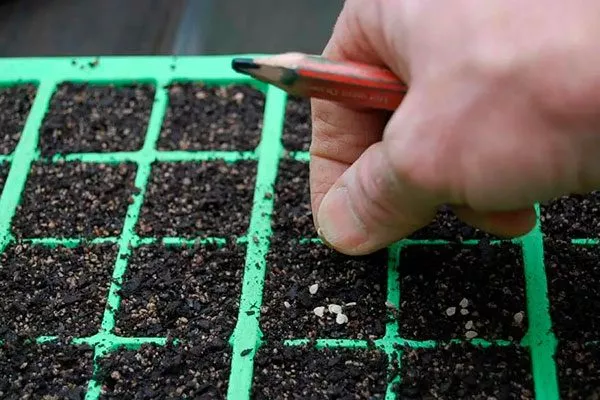
- Sowing. Prepare a soil mixture consisting of enriched soil and perlite. Plant the seeds at a depth of 0.5-1 cm, spacing them about 2 cm apart. After filling the container with seeds, moisten the seedlings and place the container in a warm location with a temperature of 22 to 25 degrees Celsius.

- Growing bushes. To ensure the healthy development of young Galileo tomatoes, feed them periodically with a specialized seedling fertilizer, following the package instructions. Pricking out is done after the first true leaves appear, at which time the seedlings are transferred to individual pots by transshipment.
It's equally important to carefully monitor the seedlings' lighting, as young plants require a sufficient amount of light. If natural light is insufficient, install phytolamps. It's recommended to rotate the containers daily to ensure even illumination of all parts.
- Preparing for transplantation to a permanent location. This variety prefers open spaces and soil rich in essential nutrients, so choosing the right location is important. A south-facing site is ideal, as it provides ample light to ensure adequate photosynthesis.
Consider the existing structure of the plot. It is not recommended to grow Galileo in the same spot where potatoes, eggplants, or other nightshades were previously planted.
- The process of planting tomatoes. It begins with careful soil preparation. Dig the beds and enrich them with organic matter to provide nutrients. Next, create small holes and plant the seedlings in them, leaving enough space between them for their development.
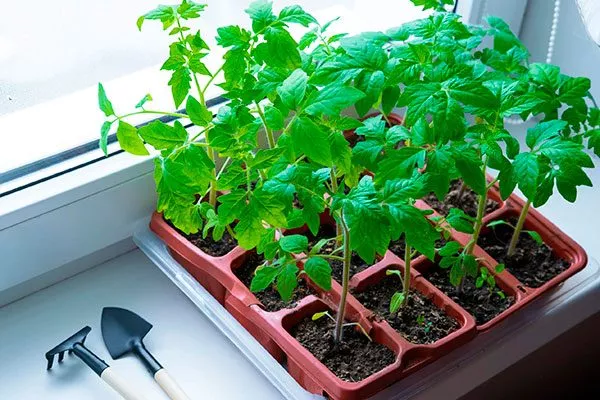
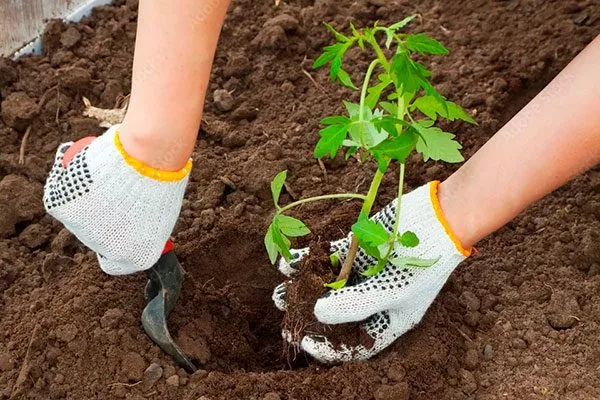
- ✓ Seedlings should have strong stems and bright green leaves without spots.
- ✓ The root system should be well developed and fill the entire volume of the pot.
- ✓ Before planting, seedlings should be hardened off, with a gradual increase in time outdoors.
Care
After planting, it's important to monitor the plants' moisture levels. Galileo tomatoes require regular watering. However, avoid overwatering, which can lead to root rot and plant diseases. The best option is to water them with room-temperature water approximately every 2-3 days during the growing season.
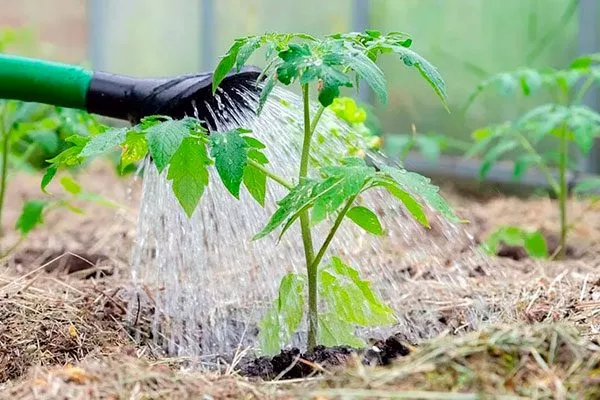
Caring for Galileo tomatoes requires careful attention to nutrition. Organic manure and compost mixtures are suitable. Fertilizers are applied every 2-4 weeks, depending on the plant's needs and the degree of soil depletion. Basic fertilizers:
- At startup. After planting the transplant, it is advisable to apply fertilizer to stimulate the development of the root system, purchased from a specialized store.
- During the period of active growth. In the middle of the growing season, it is useful to apply nitrogen mixtures, such as ammonium nitrate, to support growth and stimulate the emergence of new shoots.
- Support of fruiting. When tomatoes begin to form, it is important to provide the plant with phosphorus and potassium, which is achieved using preparations with a high content of these elements.
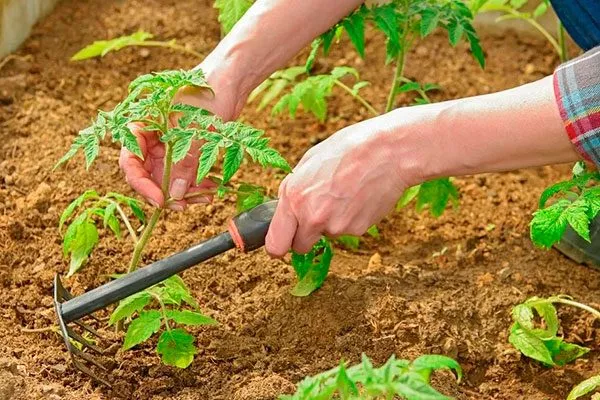
Pruning is a key element in growing Galileo tomatoes. It promotes bush formation and improves aeration, which is essential for producing high-quality fruit. Remove excess shoots and leaves to ensure optimal light and nutrition.
Harvesting and storing the Galilee variety has its own characteristics:
- Harvest tomatoes when they are fully ripe. Ripe fruits should be bright red and slightly soft to the touch, but not too soft.
- When harvesting, use clean, sharp pruning shears to cut the fruit from the plant, leaving a small stump.
- Store harvested tomatoes in a flat basket or box, lined with paper or straw to prevent damage and rot.
- Avoid storing tomatoes in areas exposed to direct sunlight or extreme heat. It's best to keep them in a cool place with a temperature between 12 and 15 degrees Celsius.
- Before storing, separate tomatoes by size and ripeness to prevent them from spoiling quickly and becoming overripe.
Reviews
The Galilee tomato is a hybrid, making it resistant to diseases and pests. It's easy to care for, versatile, and has a delicious flavor and typical tomato aroma. The only drawback is that you can't harvest your own planting material, as the characteristics of the mother plant won't be preserved.