
The Galaxy tomato variety combines not only impressive yields but also excellent flavor and competitive disease resistance. This variety is ideal for both private gardens and commercial plantings.
Description of the plant and fruits
The variety was created by a team of specialists led by S. I. Ignatova, N. S. Gorshkova and T. A. Tereshonkova, and was approved for cultivation in 2006.
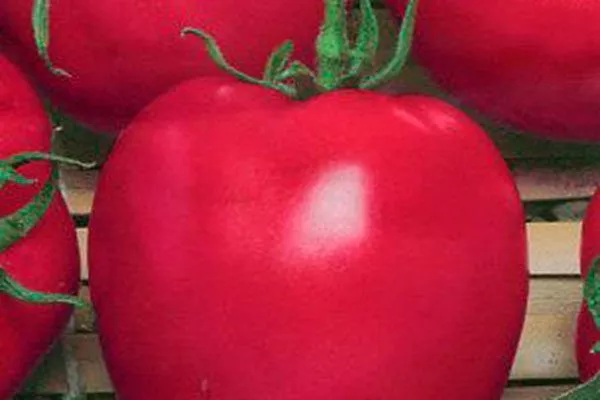
These bright red tomatoes with strawberry hues stand out for their attractive appearance and complement any culinary combination. This unique feature makes this variety especially valuable.
Other varietal characteristics:
- They belong to the class of determinate hybrids, which implies limited growth of the bush, after which it stops growing.
- The bushes are distinguished by short intervals between nodes, medium-sized leaves and a bright green color.
- The variety forms a simple inflorescence and does not require special pinching operations to obtain high yields.
- Each brush usually bears about 6-7 fruits.
- Young vegetables are light green with a greenish tint at the base. As they mature, they acquire a rich crimson hue.
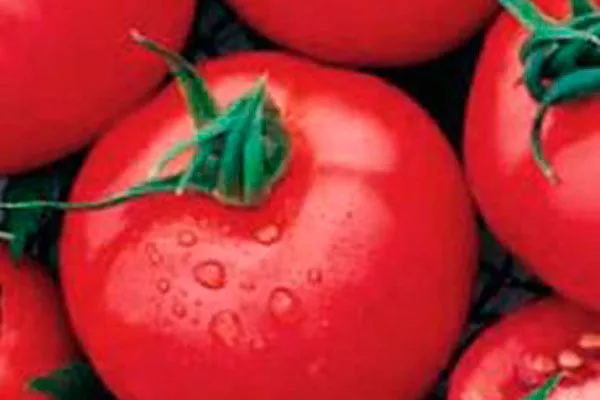
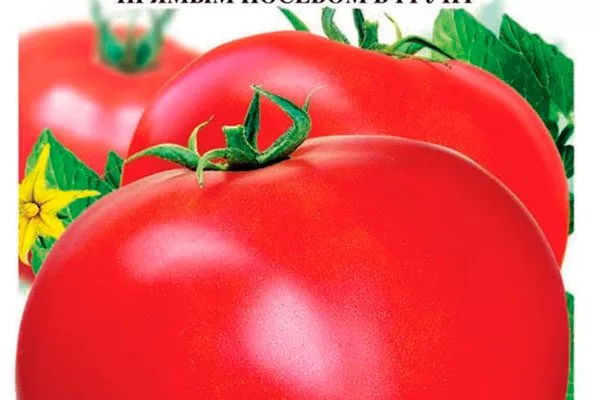
- The average size of the fruit is about 120 g, its shape is round, and the number of chambers inside is from three to four.
- The pulp is extremely juicy with a pinkish tint.
Useful properties and subtleties of application
The Galactic tomato stands out not only for its vibrant appearance but also for its unique, inimitable aroma. From the moment the fruit ripens, it exudes a sweet, fruity, berry-like aroma, making it a favorite among connoisseurs of exotic flavors.
The flesh is juicy, tender, and has a slightly sweet flavor that's pleasantly surprising and leaves a lingering aftertaste (a rarity for tomatoes). Furthermore, the red color isn't just decorative. It's due to the unique arrangement of pigments in the skin, which influences both flavor and nutritional value.

Research confirms that tomatoes with a deeper color have higher levels of antioxidants, vitamins, and other important health nutrients, including vitamin C, vitamin A, potassium, and lycopene.
Purpose:
- Culinary uses. Can be used fresh for preparing salads, appetizers and sauces, making juice, adding to soups, stews and other hot dishes.
- Decorative use. This variety is considered an ideal garnish for culinary masterpieces. Tomato slices can serve as an additional accent for salads, appetizers, and main courses, giving them a unique and sophisticated look.
- Development of unique sauces and pastes. You can use it to make unusual tomato sauces for pasta or meat marinades. Galactic tomato adds subtlety and complex flavors.
- Ingredients for pies and pizzas. Tomato is a great complement to cheese, a variety of vegetables, seafood and meat.
Characteristics
This hybrid produces fruits that ripen simultaneously, making it popular among gardening enthusiasts. This growth pattern allows for effortless and synchronized harvesting.
Characteristic features:
- Hybridization has given this variety increased resistance to diseases and provides vegetable growers with a rich harvest.
- The average time until fruit ripens is about 110 days from sowing, which allows harvesting by mid-summer.
- The Galaxy variety impresses with its productivity – up to 11.5 kg per square meter. A single bush can yield up to 4-5 kg of juicy tomatoes.
- It has increased resistance to a variety of diseases, making it reliable. It is resistant to problems such as fusarium, verticillium wilt, and alternaria.
Growing Galaxy tomatoes outdoors
Sowing the Galaxy tomato requires no specialized knowledge and can be done both in open ground and in a protected greenhouse. The optimal time for sowing is the last days of May and the first days of June.
Choosing a location for growing
Plants should be spaced at least 50 cm apart to ensure adequate light and airflow. This should be taken into account when planning the area.
To successfully grow the Galaxy tomato, it is important to choose a location with sufficient sunlight and protection from strong winds.
Soil preparation
To ensure fast tomato growth outdoors, it is important to create nutrient-rich soil:
- A week before transplanting, organic mixtures, including compost or humus, should be added to the soil so that the soil substrate is rich in the elements necessary for tomato growth.
- It is important to monitor the acidity of the soil and, if it differs from the optimal level, bring it back to normal using appropriate means.
The Galaxy tomato grows in a variety of soil types, but loam or sandy loam soil is preferred. The ideal soil composition includes:
- sand – 20-25%;
- soil – 30-35%;
- peat – 15-20%;
- humus – 25-30%.
Landing
To improve seed germination, soak seeds in a damp cloth before planting. For Galaxy tomatoes, the optimal planting depth is approximately 1 cm, with a distance of 50 cm between plants.
Peculiarities:
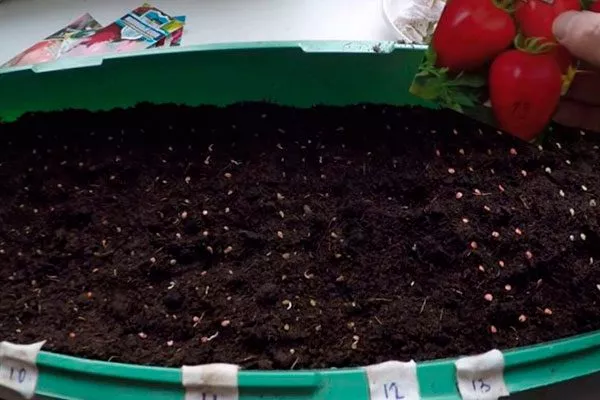
- The seeds are planted in containers with a capacity of about 400-500 g, which must be equipped with drainage holes.
- To sow, fill the container with substrate, moistening it first.
- Then make strips of depressions about 1-2 cm wide on the ground and spread the seeds.
- After this, sprinkle the seeds with a thin layer of soil mixture, 1 cm deep, and moisten again.
- To prevent the soil from drying out before germination, the container can be covered with film or placed in a plastic bag.
- Once the seedlings emerge, provide them with 24-hour light for 3-5 days, then gradually reduce it to 18 hours per day. By the fourth or fifth week, reduce the light duration to 11 hours.
- Water 1-2 times a week for the first three weeks, then increase to 3-4 times a week in the lead-up to planting. Sprinkler irrigation with a regular sprayer is preferred.
Transfer
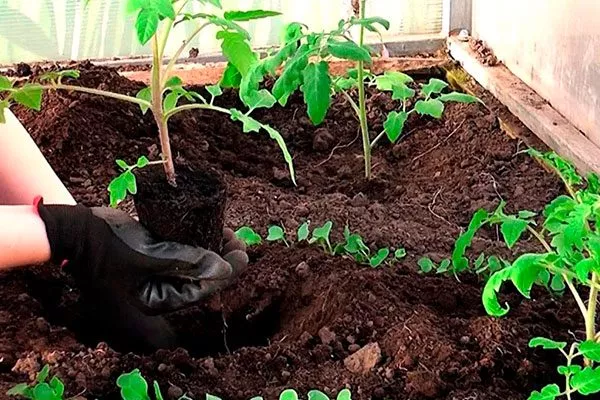
First, dig a hole and soak it thoroughly (use 3 to 5 liters of water), then let the soil soak for half an hour to an hour. Next, follow these steps:
- Carefully and gently remove the seedling from the glass, being careful not to damage the root system.
- Place the seedling in the prepared hole, lightly compacting the soil as you add it, creating a small depression around the trunk (this will allow water to soak into the root system).
- After planting, water again, then avoid watering for 10-12 days (except in extremely hot weather).
Plant care and watering features
The Galaxy's productivity is directly related to careful care and a carefully selected watering regimen. Key requirements:
- Monitor soil moisture levels. The Galaxy tomato requires constant moisture. A drip irrigation system prevents the soil from drying out. Plants should be watered two to three times a week, especially in dry weather.
Preventing overwatering is critical, as excess moisture can lead to root rot and tomato diseases. - Pay attention to the properties of the water you use. The quality of the irrigation water is also essential for this variety. It is recommended to use soft water without excess minerals and salts. Hard water can cause mineral deposits to accumulate in the soil, which prevents the plant from absorbing essential nutrients.
- Water temperature. Using cold water is harmful, especially when watering on hot days, when sudden temperature changes can stress the plant. Watering with water close to room temperature will reduce the risk of problems.
- The need to carefully tie up plants. This will provide a stable support and also promote better ventilation and lighting of all branches.
- Trimming. It is recommended to periodically remove excess shoots and side shoots to increase yield and fruit quality. However, no more than two or three side shoots should be left on each plant.
Pros and cons
The Galaxy attracts attention with its numerous advantages, making it promising:
Gardeners do not mention any critical shortcomings.
Reviews
By using Galaxy for your garden or greenhouse, you can be sure of not only a plentiful harvest but also a product with excellent flavor. For abundant fruiting, simply monitor humidity levels, fertilize regularly, and remove excess side shoots.