
The Fregat tomato is an excellent choice for those who value high quality and good productivity. The tomatoes are characterized by excellent flavor, and the plants are hardy and thrive even in adverse conditions. With proper care, you'll be able to harvest the maximum amount of juicy tomatoes.
Description and characteristics of the Frigate variety
Belongs to the determinate type. The crop was developed by L. A. Myazina and approved for use in 2008.
Main features of the variety:
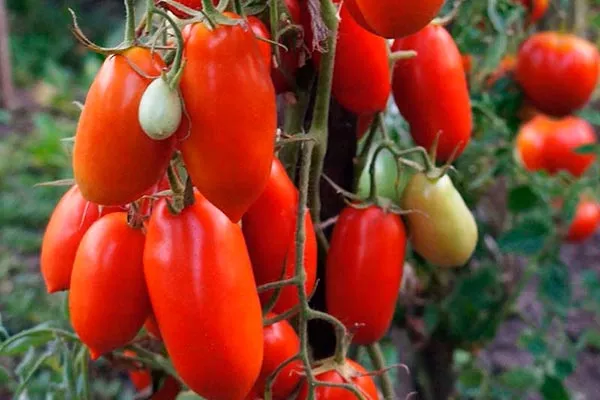
- The bushes can be either low-growing or medium-sized. In open ground, they reach a height of 55-60 cm, and in greenhouses, 120-130 cm.
- The plants are sparsely foliated, the leaves are small and light green.
- The tomatoes are pear-shaped, about 10-12 cm long, and weigh between 70 and 80 g.
- Tomatoes have smooth skin that is red when ripe.
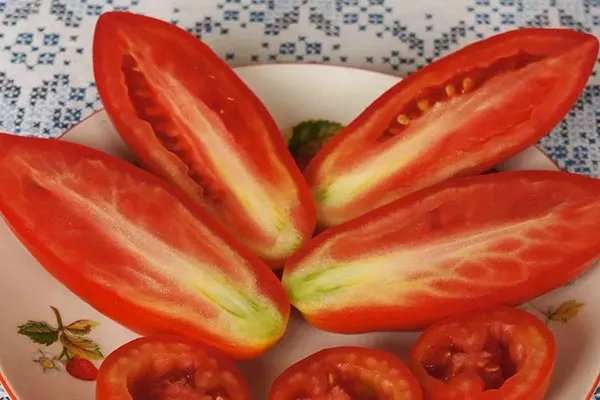
- The pulp is medium-dense, small-seeded and aromatic, consisting of two chambers.
- The vegetables have excellent taste, making Frigate an excellent choice for fresh consumption.
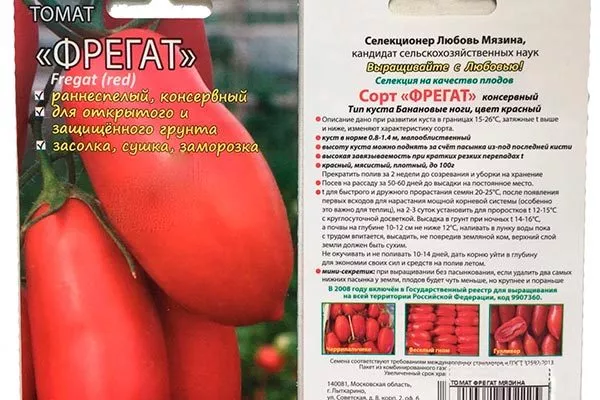
This early-ripening variety matures in approximately 100-105 days. It is successfully grown both in open ground and in plastic greenhouses. Yields reach up to 7 kg per square meter of planted area.
Growing Frigate Tomatoes
One of the popular varieties, distinguished by good yield and excellent taste. To achieve a high yield, it is important to follow all agricultural guidelines.
Soil preparation and sowing
Choose sites with loose, fertile, and well-drained soil. Follow these recommendations:
- Prepare the bed in the fall: add organic fertilizers – humus or compost.
- In the spring, before planting, dig up the soil and add complex mineral substances to improve plant growth.
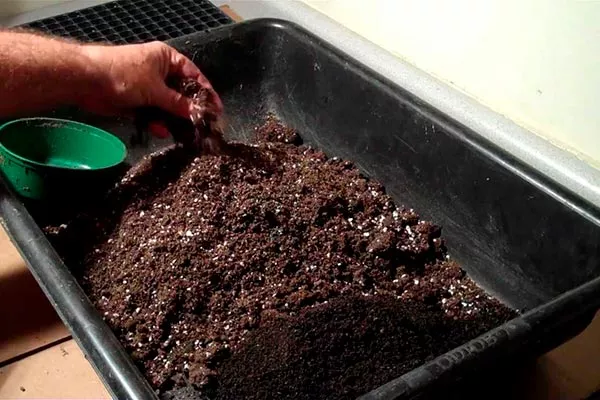
- Plant tomato seeds for seedlings in late February or early March, placing them in containers with a light soil mixture to a depth of 1-2 cm.
- ✓ The optimal soil temperature for sowing seeds should not be below +15°C to ensure rapid germination.
- ✓ The distance between plants when planting in open ground should be at least 40 cm to ensure sufficient ventilation and prevent diseases.
Transplanting
Once the seedlings have grown and become strong enough, and have 2-3 true leaves, transplant them into open ground or a greenhouse. The optimal time for planting seedlings is mid-May, after the threat of frost has passed.
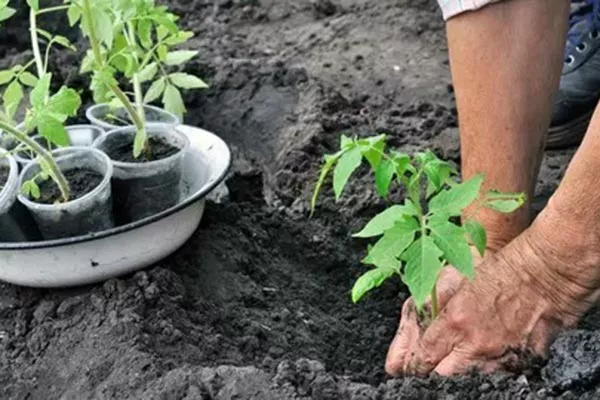
Before planting, harden off the seedlings by placing them outside for a few hours and gradually increasing the time spent outdoors. When planting in the ground, maintain a 40x50 cm pattern to ensure good ventilation between the plants.
Further care
Caring for this variety involves several key aspects that promote growth and fruiting. To achieve maximum yield, follow these simple agricultural practices:
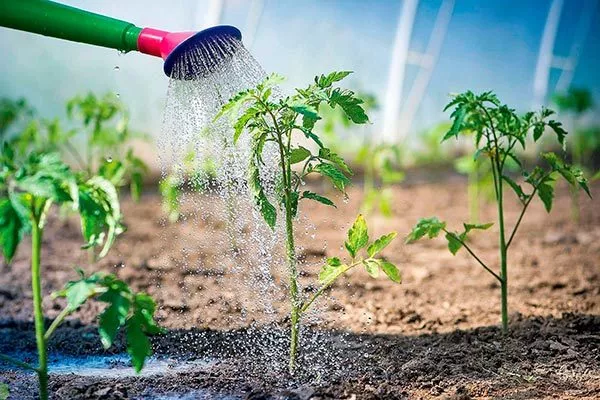
- Watering. Provide the plant with regular watering, especially during periods of active growth and fruiting. Water in the morning or evening, avoiding contact with the leaves and fruit to prevent sunburn.
The soil should be moist but not waterlogged. This is especially important on hot and dry days. - Top dressing. To ensure successful growth and development, fertilize the bushes regularly. After planting the seedlings, use organic fertilizers such as mullein or chicken manure infusion.
During the growing season, complex mineral fertilizers with high potassium and phosphorus content are beneficial, promoting the formation of large, tasty tomatoes. Fertilize every 10-14 days. - Pruning and shaping the bush. Determinate varieties stop growing at a certain height. However, it's important to regularly remove side shoots to avoid wasting nutrients on unnecessary branches. This improves air circulation and ensures adequate light for the vegetables.
Since the Frigate tomato can grow quite tall, especially in a greenhouse, secure the shoots to vertical supports or trellises. This will prevent stem breakage and ensure proper distribution of light and air.
Pest and disease control
Despite its strong immunity, the crop can be susceptible to various diseases and pest attacks. This is usually due to improper agricultural practices. To ensure a healthy and bountiful harvest, address these issues promptly:
- Late blight. One of the most common fungal diseases, it manifests as spots on leaves and stems and rots on tomatoes, especially in high humidity. To prevent this, practice crop rotation, avoid planting the same crop in the same location for several years, and remove infected leaves.
Use fungicides such as Ridomil Gold or Topaz. Folk remedies, such as treating the plant with an iodine solution (10 ml per 10 liters of water), are also effective. - Powdery mildew. A fungal disease characterized by a whitish coating on the leaves, followed by wilting and death. Use fungicides such as Topsin-M or Fundazol. Ventilate the greenhouse and avoid excess humidity.
- Root rot. The disease is associated with low temperatures and overwatering of the soil. It appears as brown spots on the roots and base of the stem. Maintain a regular watering schedule, avoid overwatering, and ensure good drainage. For treatment, use copper-based products such as Hom or Bordeaux mixture.
- Bacterial spot. Water-soaked spots appear on leaves and stems, eventually turning brown and drying out. Remove the affected parts of the plant and treat the bushes with copper sulfate or copper-containing fungicides.
- Aphid. These are small insects that feed on plant sap, weakening them and transmitting viral infections. Infected plants develop twisted and deformed leaves. Effective insecticides include Aktara or Confidor. Folk remedies, such as garlic or tobacco dust infusions, can also help.
- Whitefly. Small white insects feed on the sap on the undersides of leaves, causing yellowing and leaf drop. Whiteflies also carry viruses. If an infestation occurs, use insecticides such as Fitoverm or Aktara. Use sticky traps for prevention.
- Colorado beetle. It attacks not only potatoes but also tomatoes. It eats the leaves, reducing yields. To control it, use insecticides such as Prestige or Regent. A folk remedy is to spray the plants with a salt solution (20 g per 10 liters of water).
- Spider mite. This microscopic pest causes yellowing and wilting of leaves and forms a fine web. Acaricides such as Nisoran or Akarin are effective. Maintain optimal humidity to reduce the risk of spider mites.
| Disease | Method of struggle | Processing period |
|---|---|---|
| Late blight | Treatment with iodine solution (10 ml per 10 liters of water) | Every 10 days |
| Powdery mildew | Use of fungicides (Topsin-M or Fundazol) | At the first signs of illness |
Pros and cons
Before planting seedlings in your garden, carefully examine the variety's advantages and characteristics, as well as its drawbacks. Frigate has many advantages:
Among the disadvantages, gardeners note the limited shelf life of tomatoes, the relatively small size of the vegetables, sensitivity to sudden temperature changes, and weak resistance to viral diseases if agricultural practices are not followed.
Reviews
The Fregat tomato attracts gardeners with its low maintenance and high productivity. Its compact bushes are ideal for planting in confined spaces, and its richly flavored fruits are excellent for fresh eating. The variety is resistant to major diseases and adverse weather conditions.