
The French Grape variety from Siberia, a determinate variety, is excellent for canning. It is well adapted to both open-air and greenhouse cultivation and is known for its ease of care. The fruits of this variety, which form in clusters suitable for sale, are resistant to mechanical damage and easy to transport.
Features of selection and growing regions
Despite its name, the French Grape tomato has nothing to do with France. This variety was developed by specialists at the Siberian Garden company. It's relatively new, so it's not yet included in the official register of agricultural crops in Russia.
- ✓ Optimum soil temperature for planting: not lower than 15°C.
- ✓ Distance between plants when planting: 40-50 cm for open ground, 60-70 cm for greenhouses.
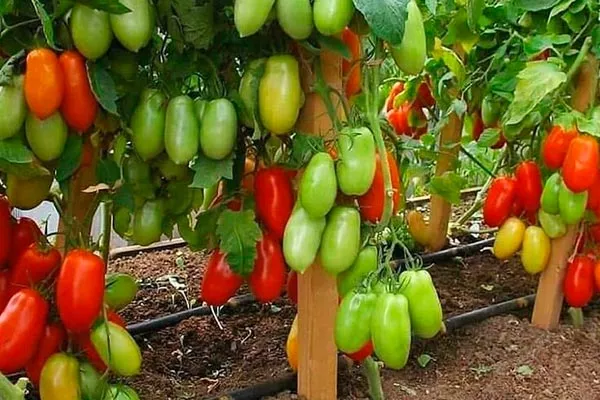
This tomato variety is highly resistant to low temperatures and can withstand short-term frosts. It also tolerates heat well.
- ✓ Ability to withstand short-term frosts down to -2°C.
- ✓ Preference for rare but abundant watering.
Zoning:
- French grape variety is optimized for growing in temperate climates.
- In northern regions it is better to cultivate it under protection.
- In the south, tomatoes can be planted in the garden as early as early spring, while in the Moscow region, tomatoes can be grown in open ground but require replanting after the end of the period of night frosts.
Description of the plant
Tomatoes are characterized by a determinate growth pattern, meaning they reach their maximum size and produce fruit at a specific time. In open ground conditions, their growth is limited, reaching approximately 100 cm in height. In greenhouse or hothouse cultivation, bushes can grow up to 200 cm.
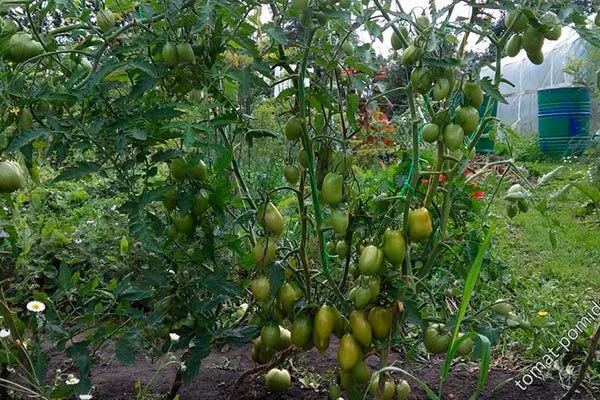
Varietal characteristics:
- The bushes are compact and the shoots do not grow, so the plants do not take up much space.
- Their stems are strong, the leaves are medium-sized, have a rich dark green tone and resemble potato foliage in shape, but without pubescence.
- French grapevine has simple inflorescences, the first of which appears above the 7th to 9th leaf, and subsequent inflorescences form on the next leaf. Each inflorescence produces numerous fruits—10 to 15.
Fruits, their taste and purpose
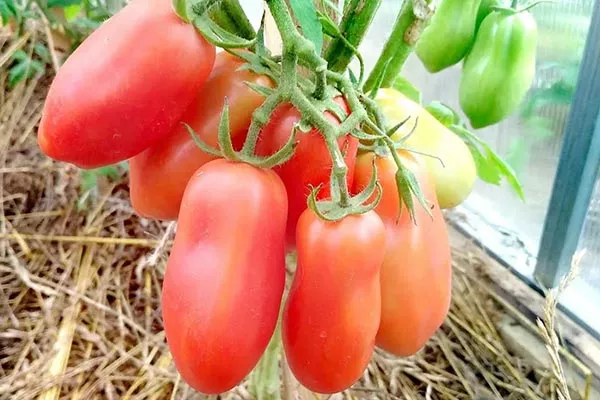
Tomatoes are easily recognized by their distinctive shape. They have an elongated shape, reminiscent of grapes or ladyfingers, slightly increasing in size toward the stem and having a distinctive beak at the base.
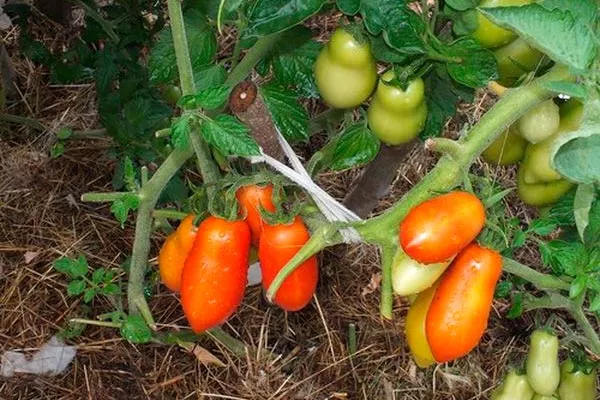
Other characteristics:
- The skin has a rich scarlet hue, is smooth and very strong.
- The fruits of this variety are approximately the same size and light in weight – about 85-110 g.
- A bush produces 4-6 clusters, each containing 8-14 tomatoes, sometimes up to 22. When training a bush with 4-5 stems, the number of clusters can be increased, but in this case, the plant requires more careful care, regular watering, and high doses of fertilizer.
- The tomato flavor is sweet with a slight tartness, pleasant but not exceptional. Professional tasters rate it 4 out of 5.
- The seed chambers of tomatoes are small, and the pulp is quite dense.
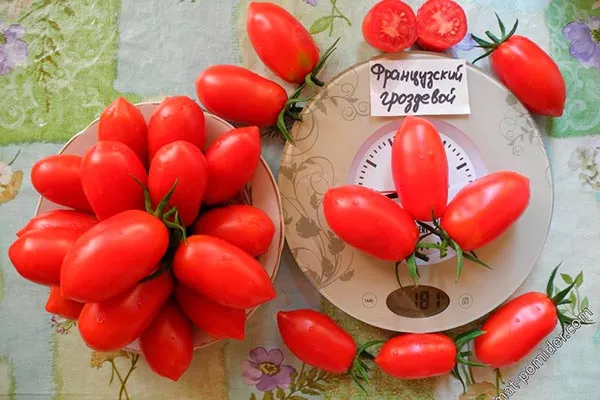
French grapes are ideal for whole-fruit canning. They don't burst during cooking, retain their vibrant color, and fit even in small jars. They can also be eaten fresh or added to salads, but not everyone appreciates their tough skin and firm flesh.
Key Features
The French grape tomato is a variety, not a hybrid, allowing seeds to be extracted from harvested fruits and used for planting the following season. However, over the years, varietal characteristics deteriorate, so degeneration is inevitable. It is recommended to replace the planting material every 4-5 years.
Special features and properties of the cultivar type:
- Greenhouse tomatoes reach maturity in approximately 120 days from germination. In an open garden, the process takes 10-14 days longer.
- Fruiting is prolonged. In greenhouses, harvesting can continue until the first frost, while in open ground, fruiting continues until at least mid-September.
- This variety was developed for cultivation in Siberia and is adapted to harsh climate conditions, withstanding weather changes and lack of heat and sunlight. It produces a harvest even in less than ideal conditions.
- One of the key advantages of this variety is its resistance to a wide range of diseases common to agricultural crops, including various forms of spotting, rot, late blight, fusarium, and viral mosaic. These tomatoes are rarely targeted by pests.
- Tomatoes are resistant to cracking and have a long shelf life under appropriate conditions—up to 8-10 weeks. They are also suitable for transportation.
- French grape tomatoes tolerate heat well, but require moist soil. Unlike many other tomato varieties, they prefer infrequent but abundant watering.
- The first fruits are harvested in August, but they should be picked individually, as they do not ripen simultaneously on the branches. Vegetables picked at the technical maturity stage, without branches, ripen quickly at room temperature.
The yield deserves special attention:
- The average productivity level from one plant is 5-6 kg, but without careful care it can drop to 2 or even 1.5 kg.
- Some sources mention yields of up to 20 kg per plant, but these figures seem unlikely. This yield is more likely to be achieved not from a single plant, but from a single square meter, if you plant densely and use effective agricultural practices.
- Based on the experience of vegetable growers, greenhouses yield approximately 15 kg per square meter, while garden beds yield only 10 kg. This yield corresponds to the method of planting four plants per square meter.
To obtain a large quantity of tomatoes, it's preferable to grow seedlings in a greenhouse. Experienced gardeners recommend following the basic principles of agricultural technology:
- Water and fertilize regularly.
- Support plants on supports.
- Ensure good ventilation of the greenhouse, especially during hot weather.
- Limit the number of stepsons.
- Conduct preventive measures to combat diseases.
Growing seedlings
The French Grape tomato variety is easy to care for, but don't rely on chance. The quality and quality of the future harvest depend on proper agricultural practices, particularly planting.
Seed treatment
Pre-treating seeds will help protect young seedlings from potential infections, sudden temperature changes, and other adverse conditions, promoting faster germination. To grow high-quality seedlings, follow a few basic recommendations:
- Before purchasing seeds, you should carefully check their expiration date, as expired products will not produce growth.
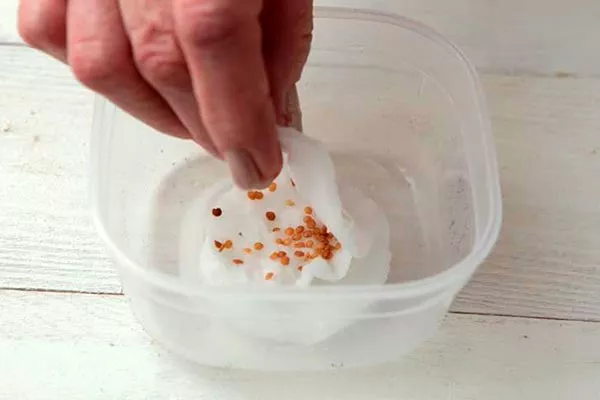
- To determine seed germination, soak them in a solution of 1 teaspoon of salt and 200 ml of water. After half an hour, discard any seeds that float to the surface, as they are unsuitable for sowing. Those that sink to the bottom are suitable.
- To minimize the risk of diseases such as blackleg, seeds should be disinfected. Various methods are used for this:
- Dilution of potassium permanganate. For every 200 ml of water, add 2 mg of potassium permanganate. Soak the seeds in the solution for 25-30 minutes, then rinse thoroughly and dry.
- Using hydrogen peroxidePlace the planting material in the hydrogen peroxide for 10-15 minutes. Wash after treatment.
- Method with soda. Add 1 teaspoon of baking soda to 100 ml of water and soak the seeds in this solution for 8-9 hours. This method not only disinfects the planting material but also promotes rapid germination.
- To accelerate seed germination and increase their resistance to adverse conditions, it is necessary to use stimulating methods. Methods:
- Use of specialized commercial products. Products such as Epin or Sodium Humate are often used.
- Using home remedies. Aloe vera juice, honey water, and baking soda solution can serve as stimulants.
- Cold treatment. Before planting, place the seeds in the refrigerator for 2-3 days.
Soil and container options for tomato seedlings
To plant seeds, you'll need a light, nutrient-rich soil. You can buy it at a gardening store or make your own. There are several recipes for creating the perfect tomato soil mix:
- Mix equal parts peat, humus, and turf. Then, add 200 ml of water to every tenth of this mixture.
- Combine 10-11 kg of peat with 200 g of ash. Add 10-15 g of potassium and urea, as well as 30 g of superphosphate.
- Mix equal parts black soil and sand. You can add potassium and superphosphate.
Select suitable containers. Plastic trays, wooden crates, cut-down 6-liter bottles, and other materials can be used. Tomato seeds can also be planted in individual 300-500 ml pots or plastic cups.
Sowing seeds
To plant French grape tomatoes, use the standard sowing method: make furrows 1-1.5 cm deep and 2 cm apart. Then carefully distribute the seeds into each furrow, spacing them 1.5 cm apart.
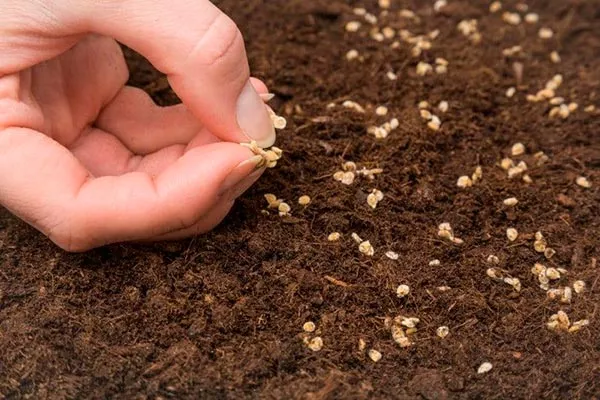
After this, gently compact the surface of the substrate and spray it with warm water from a spray bottle. Protect the seed containers with plastic wrap and place them indoors at a temperature of at least 23 degrees Celsius (73 degrees Fahrenheit). The first shoots will appear within 4-7 days.
Caring for seedlings
Growing your own seedlings is an accessible task that requires attention to several key aspects:
- When the first green shoots emerge from the soil, they should be moved to a bright location with a temperature of about 15 degrees Celsius for a week. After this, the plants are returned to warmer conditions to prevent them from growing too long.
- Tomato seedlings require 16 hours of daylight, so additional lighting with fluorescent lamps is used.
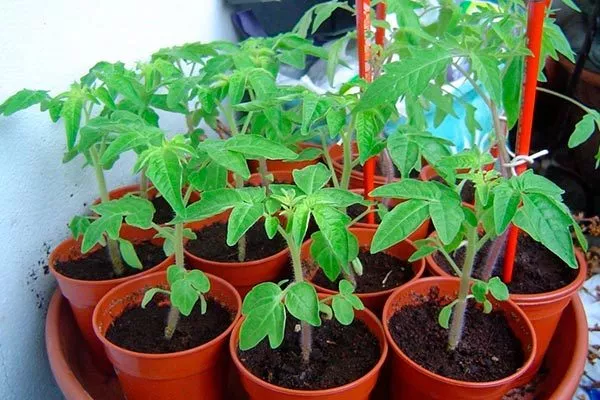
- Plants are transplanted into individual pots after two true leaves have formed. For aeration, a layer of crushed brick, glass, expanded clay, or shell rock is placed at the bottom of the pots.
- Two weeks after transplanting, begin the first fertilizing with growth stimulants or vermicompost. The next fertilization is done two weeks later, and three days before transplanting the plants to their permanent location, a final application is performed using fertilizers containing phosphorus and potassium.
- Ten days before transplanting, begin acclimating the seedlings to the new conditions by bringing them outside. This initially takes half an hour, but is later increased to 12-16 hours.
Agricultural technology
Planting and care procedures are identical to those for other tomato varieties. Standard steps are sufficient, but varietal requirements and preferences should be taken into account.
Transplantation to a permanent location
Around May, tomatoes are transferred to their permanent location in the garden, and in April, planting in greenhouses begins. The beds are prepared in the fall:
- Work is underway to dig and clear away weeds and the previous harvest.
- The soil is enriched with organic matter – humus, manure, etc.
- If the soil is too acidic, lime is added to neutralize it.
In the spring, the tomato plot is dug over again and fertilized with compost. The soil is then disinfected with a copper sulfate solution.
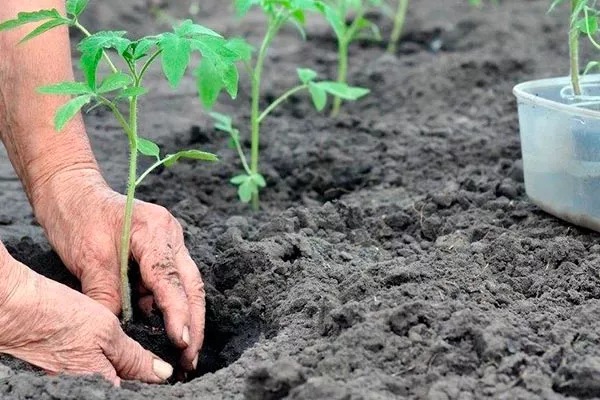
Planting operations:
- Three days before transplanting tomatoes to their permanent location, they should be watered and fertilized to speed up the plant adaptation process and make it easier to remove them from the pots.
- Dig holes, arranging them in staggered rows. It is recommended to plant no more than four young plants per square meter to avoid a decrease in yield.
- Place the plants in the holes without removing the lump of soil, and place the root system in the center of the hole.
- Sprinkle with substrate up to the level of the first leaves, carefully compacting the soil around it.
- Moisten each bush with 1 liter of water. Water again in two weeks.
Caring for tomatoes
French grape tomatoes do not require special bush shaping, but experienced gardeners advise removing yellow and lower leaves.
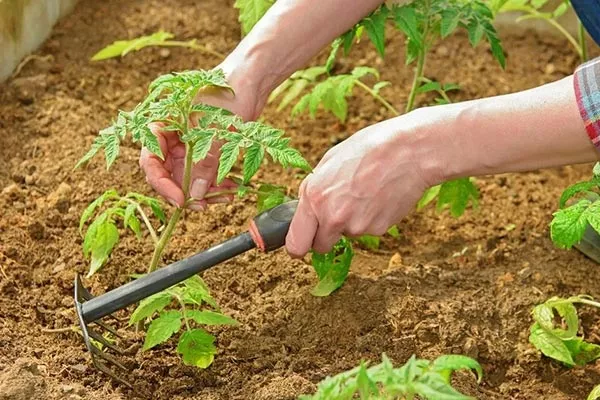
Other actions:
- To prevent stems from breaking under the weight of the harvest, use soft ropes for tying. Secure the bushes to any supporting structure.
- Water generously, but not too frequently. In hot weather, water every other day, using warm, settled water that doesn't come into contact with the foliage.
- Tomatoes require feeding every two weeks. During the growing season, foliar feeding with boron-containing fertilizers is performed twice.
Tips for choosing fertilizers
Gardeners often create effective home remedies. Below are some of the most popular recipes for nourishing tomato beds:
- Feeding with yeast. For 10 liters of water, use 10 g of yeast, 5 tablespoons of sugar, and 0.5 kg of ash. The prepared fertilizer is left to infuse for 24 hours. Then, 1 liter of the mixture is diluted in 9 liters of water, and 2 liters of this mixture are poured under each plant.
- Fertilizer with chicken manure. Mix chicken manure with water in a ratio of 1:10 and let it sit for three days. Then add 15 g of ammonium nitrate. One liter of this solution is enough for one plant.
- Top dressing with mullein. For 10 liters of water, take 500 g of mullein and add 0.5 teaspoon of boric acid, 1 tablespoon of nitrophoska, and two micronutrient tablets. Use 1 liter of this solution per plant.
Diseases and pests
French grape tomatoes are resistant to many tomato diseases, including late blight, which often attacks late-season varieties of nightshade. However, even with this resistance, it's impossible to completely eliminate the disease.
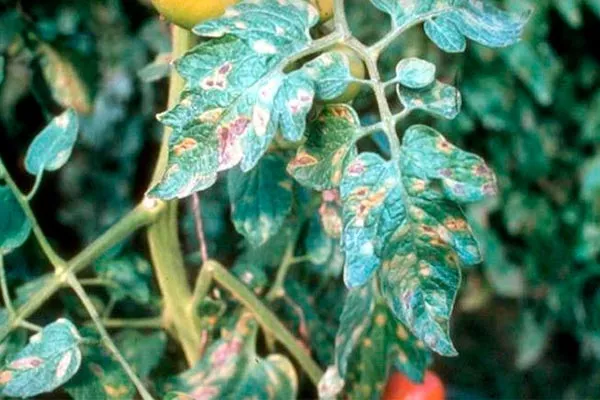
To prevent problems, it is important to follow these steps:
- The process of treating tools, containers, and soil that will come into contact with plants should include disinfection. Seed disinfection is also essential.
- Proper watering is key. Avoiding excessive moisture and drought is essential, as is preventing water from getting on the foliage.
- As a preventative measure, it is recommended to spray tomatoes with solutions of potassium permanganate, copper sulfate or Fitosporin several times during the growing season.
- To protect against insects such as beetles, treat with a soap solution and dandelion infusion. Additionally, beetles should be removed from the leaves by hand.
The nuances of growing tomatoes in open and closed ground
Maintaining the right level of humidity in a greenhouse is crucial. Regular ventilation helps reduce the risk of plant diseases. French grape vines can branch aggressively in greenhouse conditions. In such cases, it's necessary to remove any excess shoots.
Other requirements:
- Young tomatoes in open beds are susceptible to frost and hypothermia at night. To protect them, cover the beds with plastic film in the evenings during the first two weeks after planting.
- Mulching tomato beds grown outdoors is essential. Spread humus, straw, or hay above the soil surface. These not only protect the root system from low temperatures, diseases, and pests, but also serve as additional fertilizer.
- Manufacturers recommend tying up bushes, but there are disagreements regarding pinching and shaping the bush:
- Those who support the idea of not pinching out the shoots argue that determinate varieties produce higher yields without pinching, especially when grown in greenhouses.
- Others say that in southern regions, where the weather is favorable for growth, pinching is usually not necessary because they receive sufficient light. In more northern areas, this can be a problem for the fruit to fully ripen.
- Tomato bushes that grow rapidly require additional care: they require more nutrient-rich nutrients and frequent watering.
- It is also necessary to place them at a sufficient distance from each other:
- In a greenhouse, two plants are planted per 1 square meter of land, as they need light and space.
- In open ground, it is recommended to plant three to four bushes in the same area.
Pros and cons
Analyzing the characteristics of the French Grape tomato variety, one can come to the conclusion that the advantages of this variety significantly outweigh its disadvantages.
Reviews
The French Grape variety is easy to grow and highly productive, making it an excellent choice for winter storage. Thanks to its disease resistance and tolerance to adverse environmental factors, this variety promises a harvest even in conditions where other tomatoes fail to ripen.