
Late blight is one of the most dangerous and common tomato diseases. To avoid losing their harvest, gardeners use a variety of methods. Let's learn about the most effective ways to combat this disease, which can destroy up to 80% of the crop.
What is late blight?
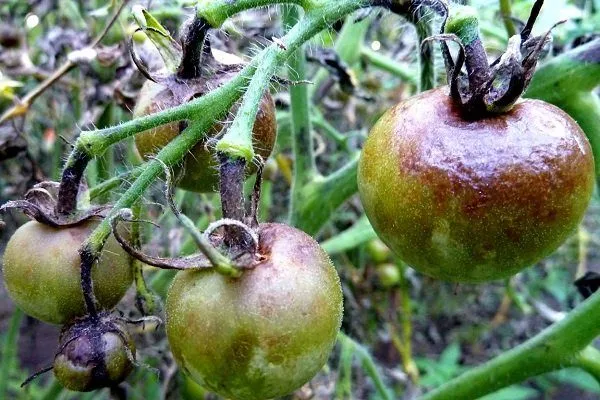
Late blight, or late blight, is a common fungal disease affecting about fifty garden crops. Tomatoes are particularly susceptible. The fungus spreads by spores and can quickly and extensively affect tomato plants. It only takes a couple of days for all the plants to be infected.
- ✓ The optimal water temperature for solutions should be +20…+25°C, so as not to cause stress to plants.
- ✓ The concentration of solutions must strictly comply with the recommendations to avoid leaf burns.
The fungus attacks the fruits and leaves of bushes, significantly reducing the harvest. For the time being, the pathogen hides in the soil. It only becomes active in the second half of July, when summer nights become damper and cooler.
How does the disease manifest itself on tomatoes?
The presence of late blight on plants can be identified by characteristic symptoms. However, once signs of the disease appear, crop losses are inevitable.
Symptoms of late blight:
- fruits become covered with black or grey-brown spots;
- later, the affected fruits rot and emit an unpleasant odor;
- dark spots first appear on the leaves, then they dry out and fall off;
- brown spots appear on the stems;
- during rain, the leaves of bushes affected by late blight become shiny and oily;
- Tomato flowers turn dark, dry up and fall off.
Reasons for occurrence
The main factor promoting late blight is high humidity. If there's rain in the summer, late blight spreads rapidly. This is a "massive disease" that affects virtually all tomato plants, causing significant yield losses.
Other reasons for the spread of late blight:
- dense plantings and poor ventilation;
- planting next to potatoes - most often, it is the first to become infected with late blight;
- significant difference between day and night temperatures;
- abundant morning dew;
- low daytime temperatures;
- excessive watering in the second half of summer;
- sprinkler irrigation;
- nitrogen overdose;
- excess lime in the soil;
- lack of manganese, iodine, copper, and potassium in the soil.
The fungus that causes late blight can spread through wind, water, and garden tools.
Treatment with chemical drugs
Chemical treatments are highly effective and are typically used when signs of disease appear. Their downside is toxicity and the tendency to accumulate in soil and fruit.
Fitosporin
This biofungicide has antifungal and antibacterial properties. It contains Bacillus subtilis, a natural enemy of the late blight pathogen.
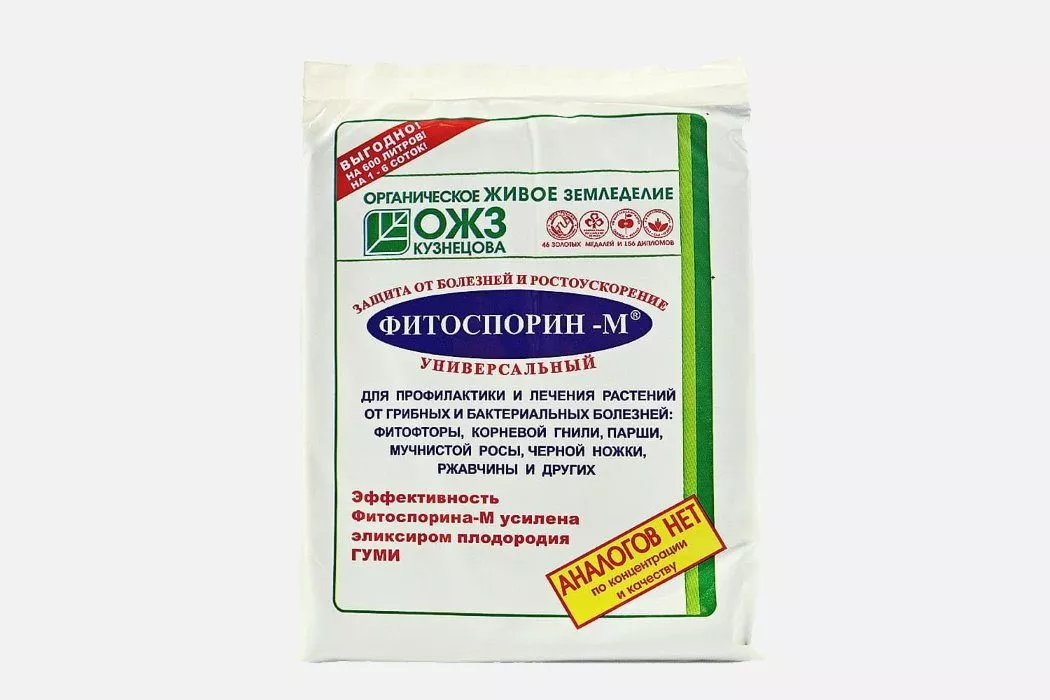
The effect of using Fitosporin:
- inhibits the spread of late blight;
- helps improve soil conditions;
- Treated leaves and shoots are covered with a protective film that prevents damage by bacteria and fungi.
The preparation can be used at various stages – during seed treatment, when transplanting seedlings, and during the infestation period. Fitosporin solution is used not only on tomato plantings, but also on the soil in tomato rows, garden tools, and dried tops removed for composting.
How to use Fitosporin:
- After the first treatment, repeat spraying is carried out approximately after a week;
- It is recommended to water the soil with a solution of Fitosporin once a month;
- For prevention, spray the foliage if unfavorable weather conditions arise.
Spray dosage: 3 teaspoons per bucket of water. For better adhesion, it is recommended to add 1 tablespoon of liquid soap to the solution.
Hom
HOM is a copper oxychloride-based fungicide. It is a light-green powder that is insoluble in water. HOM is a component of many combination fungicides, including Ordan, Cuprolux, Homoxyl, and others.
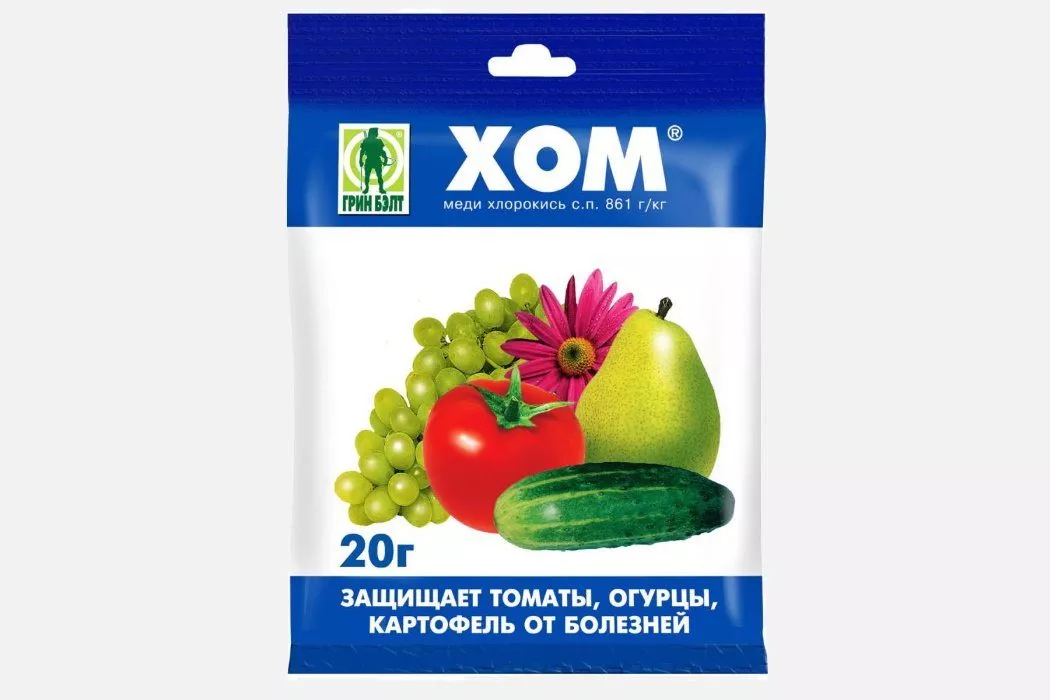
The product has a preventative and protective effect. It protects plants from the fungus from spore germination until late blight symptoms appear. Once the bushes show signs of the disease, spraying with HOM is no longer sufficient; a systemic fungicide is also needed.
Features of using HOM:
- The product is effective before the disease appears. If the leaves have begun to turn brown, it's too late to apply HOM.
- It is allowed to use HOM no more than 4 times during the season.
- An interval of 10 days should be maintained between sprayings. This frequency is justified in cases of high infestation risk and during rainy summers.
How to prepare and use HOM solution:
- Dissolve 40 g of dry preparation or 50 g of suspension in 1 liter of water.
- Mix thoroughly and bring the volume to 10 l.
- Spray the bushes with the prepared mixture – 1-1.5 liters for every 10 square meters of tomato plantation.
- You need to spray the leaves not only from above, but also from below.
The HOM solution should not run off the bushes into the soil. This could suppress beneficial soil fauna, such as earthworms.
HOM is inexpensive, non-phytotoxic, and does not accumulate in fruits or soil. Its disadvantages include a short protection period, washout by rain, and the large amount of solution required for application. HOM also promotes corrosion of metal products.
Ordan
The domestically produced powdered product Ordan is used to treat and prevent late blight and other fungal diseases. It contains copper oxychloride and cymoxanil. The former has an external effect, while the latter has an internal effect.
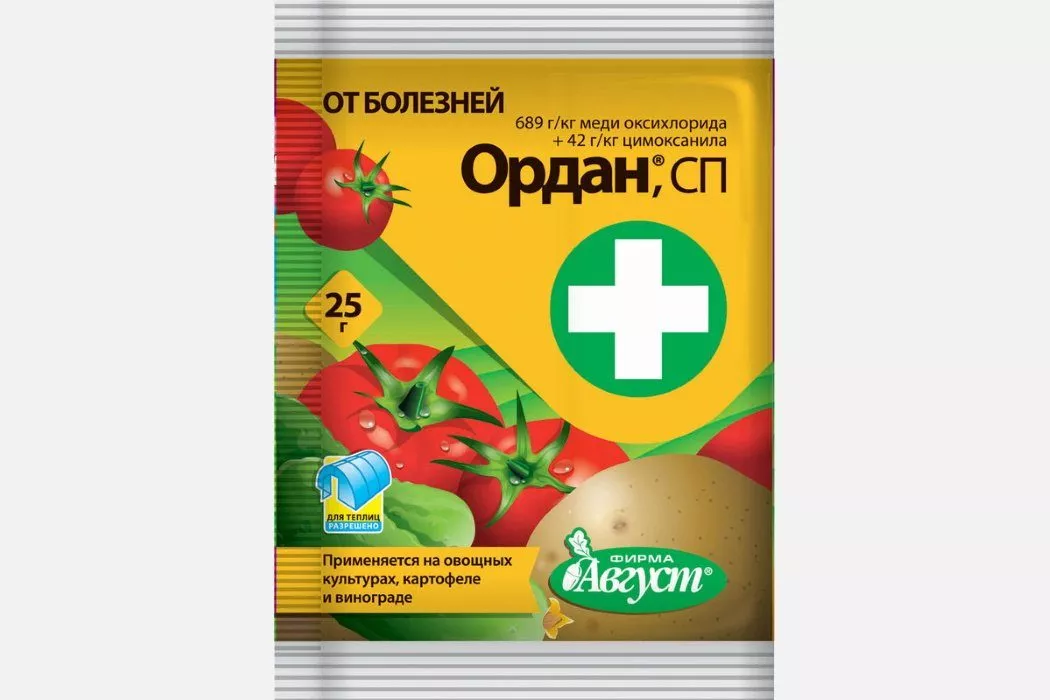
Ordan inhibits and destroys various pathogens, heals infected areas, and provides a comprehensive effect. Pathogens do not develop resistance to this product. Ordan is low-toxic and completely eliminates from the soil within a season.
Features of using Ordan:
- the drug is used at all stages of tomato development, except flowering, so as not to poison the bees;
- treatment is not carried out in sunny weather to avoid causing burns;
- It is prohibited to treat wet plants;
- the maximum number of sprayings per season is 2-3;
- Consumption rate in open ground is 80 ml of working solution per 1 sq. m.
How to prepare and use Ordan's solution:
- Dissolve 50 g of powder in a bucket of water.
- Spray the leaves and stems on the day the solution is prepared.
Ridomil Gold
This Swiss-made systemic and contact fungicide contains two active ingredients, mancozeb and mefenoxam, for external and internal protection, respectively. It targets a broad spectrum of pathogens and prevents recurrence. It is effective in advanced stages of infestation and is non-flammable, non-freezing, and non-sedimentary.
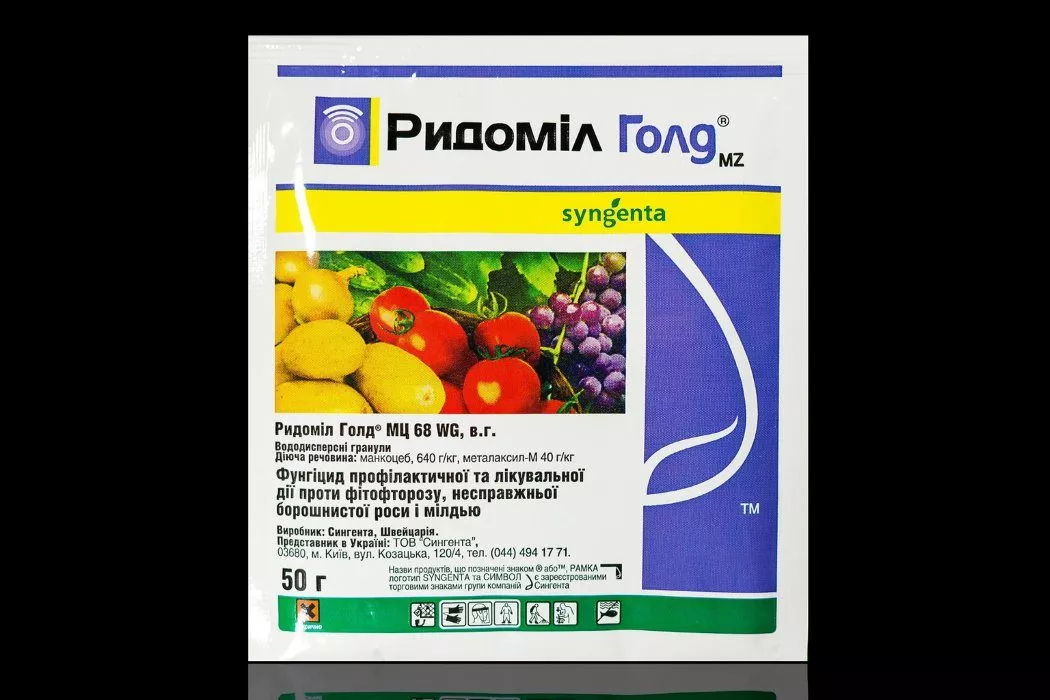
Disadvantages of Ridomil Gold:
- it's expensive;
- toxic;
- high consumption per 1 sq.m;
- accumulates in the soil;
- kills beneficial fungi in the soil.
How to prepare and use the solution:
- Dissolve 50 g of powder in 5 liters of water.
- Mix thoroughly.
- Add up to 10 liters and spray the beds in the morning - if there is no dew, or in the evening.
- Use the prepared solution within 2-3 hours.
Thanos
Thanos is a contact and systemic fungicide designed for the prevention and treatment of fungal diseases. It contains two active ingredients: cymoxanil and famoxadone. The former has a triple effect—it treats, prevents, and protects, while the latter kills fungal spores.
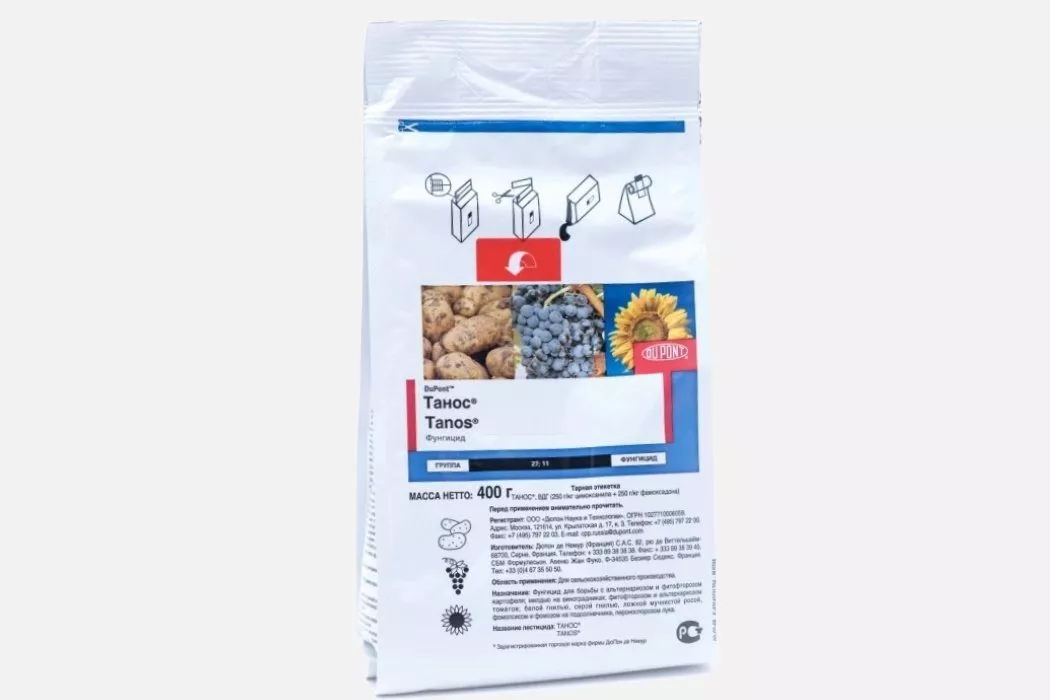
Water-soluble granules do not freeze or crystallize, do not produce dust, and are highly water-soluble. This product has a broad spectrum of action; in addition to late blight, it protects tomatoes from phoma, mildew, various rots, and other diseases.
Thanos's advantages:
- combined action;
- does not accumulate in fruits and soil;
- economical;
- fast-acting;
- convenient form of release.
Thanos has no downsides. The main thing is to follow the dosage and instructions.
How to prepare the solution:
- dissolve the drug according to the dosage indicated on the package;
- Pour the mixture into the sprayer tank and add water.
Protection is effective for two weeks. The product can be applied up to four times during the season. The minimum interval between treatments is 15 days. The first spraying is recommended two weeks after planting the seedlings.
Folk remedies against late blight
Natural farming enthusiasts successfully replace chemicals with various folk remedies. Their advantage is that they are completely harmless to humans, but their disadvantage is the need for regular treatments.
Here are some of them:
- Salt. When applied to the above-ground parts of the plant, the salt solution forms a thin protective layer that prevents fungi from penetrating the plant tissue. The salt solution is a preventative measure that provides only external protection. Prepare the solution by dissolving 250 g of salt in 10 liters of water.
- Soda. Dissolve 1 tablespoon of baking soda in a bucket of water. To prevent the solution from dripping off the leaves and onto the ground, add 1-2 tablespoons of liquid soap. The detergent will help the mixture "stick" to the leaves and shoots. Spray once a week and after each rain.
- Kefir or whey. This method is based on the ability of lactic acid bacteria to suppress fungi and other pathogens. It is used for both preventative and therapeutic purposes. Dilute whey/kefir with water in a 1:1/1:10 ratio. If kefir is unavailable, you can substitute milk. Add 20 drops of iodine to 1 liter of milk and dilute it in the same way as kefir. Milk treatment can be performed daily.
- Ash. Dissolve 5 kg of wood ash in a bucket of water. Let it sit for three days, stirring occasionally. Bring the volume up to 30 liters, add a couple of tablespoons of liquid soap, and spray the tomatoes weekly.
- Hay. The method is based on the ability of the hay bacillus to inhibit the growth of the pathogen. Take 1 kg of rotted hay, pour a bucket of warm water over it, add 100 g of urea, and let it steep for three days.
- Hot water. The advantage of this method is its low cost. Bring water to a boil, cool slightly, and pour it into a watering can with a rain attachment. Water the soil with hot water, being careful not to splash it on the plants. Water once a week.
- Yeast. To use them, dissolve 100 g of yeast in 10 liters of warm water. Let it sit for 1-2 days and then spray the plants.
- Vinegar. Dilute 1/2 cup of 9% vinegar in 10 liters of water. Spray all above-ground parts of tomatoes. Alternate vinegar treatments with other folk remedies.
- Garlic tincture. Garlic tincture is versatile; it repels pests and protects plants from bacteria and fungi. Grind garlic scapes and heads in a meat grinder. Pour 1.5 cups of the mixture into a bucket of water and let it steep for 24 hours. Spray tomatoes with it every two weeks.
Pharmaceutical drugs
It turns out that pharmaceutical medications help more than just humans. Many inexpensive and popular products sold in pharmacies can protect plants from late blight and many other diseases.
Furacilin
This inexpensive antibacterial and antifungal product inhibits the growth of fungal spores and kills pathogenic fungi. Conveniently, the solution can be prepared for the entire season and used as needed. To maintain its effectiveness, store it in a dark place.
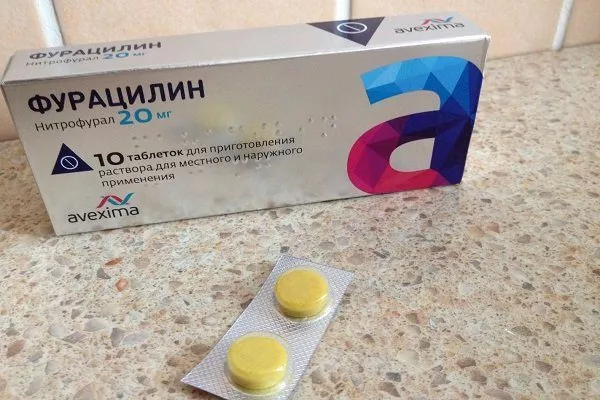
Preparation of furacilin solution:
- Crush 10 tablets. If you throw them whole into water, they will take a very long time to dissolve.
- Pour hot water over the resulting powder.
- When all particles have dissolved, bring the volume up to 10 l.
When preparing a furacilin solution, use only non-chlorinated water.
Metronidazole (Trichopolum)
The drug combats anaerobic flora and all types of protozoa. It is also effective against fungal infections.
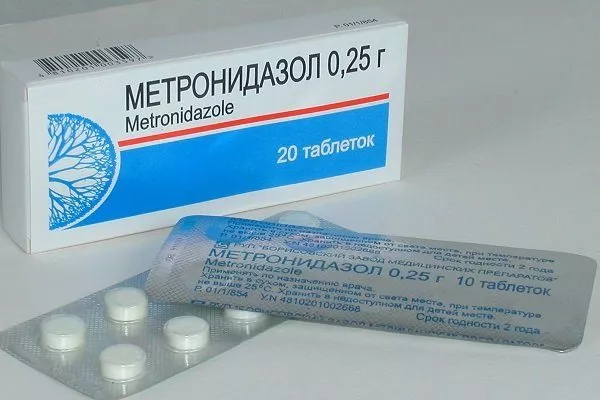
How to prepare the solution:
- Dissolve 20 tablets in 1 liter of water.
- Stir and pour into a bucket. Bring the volume up to 10 liters.
- Add liquid soap. For a more intense effect, you can add a bottle of brilliant green.
Do not save the solution; it should be used within a few hours. It is recommended to repeat the spraying the following day.
Iodine
Iodine is both a nutritional supplement and an effective antiseptic. It is often used in combination with other remedies, such as milk, kefir, and ash solutions.
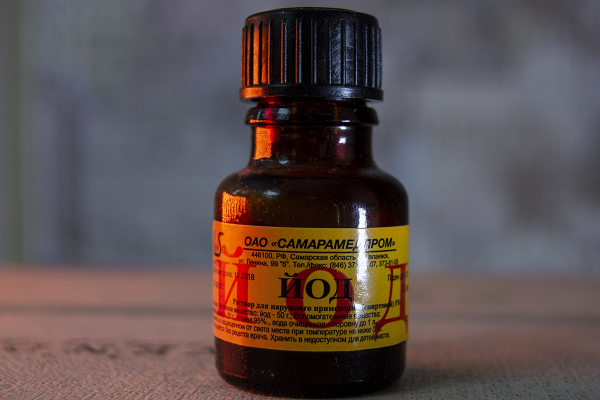
Uses of iodine:
- Dilute 20 drops of the preparation in a bucket of water.
- Spray the tomatoes with the resulting solution.
- Open iodine bottles and place them around the perimeter of the greenhouse. The iodine vapor will help strengthen the seedlings' immune system.
Boric acid
The product has antiseptic and insecticidal properties. It is used to protect plants from late blight and to treat boron deficiency. Spraying with boron improves fruit set, strengthens tomato plants, and accelerates fruit ripening. The product is used for both spraying and irrigation.
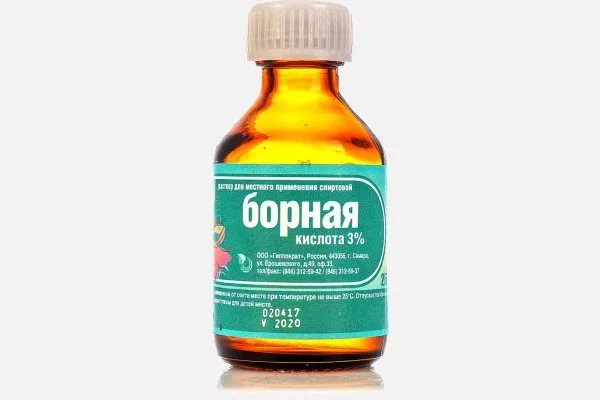
How to prepare the solution:
- Pour 1 teaspoon of boric acid into a bucket of water. Water temperature: +50…+55°C.
- Use when the crystals are completely dissolved, otherwise burns to the above-ground parts may occur.
Calcium chloride
This product is a food additive with detoxifying properties. It can save tomato fruits when the leaves of the bushes are already damaged. A 1% solution is used for spraying.
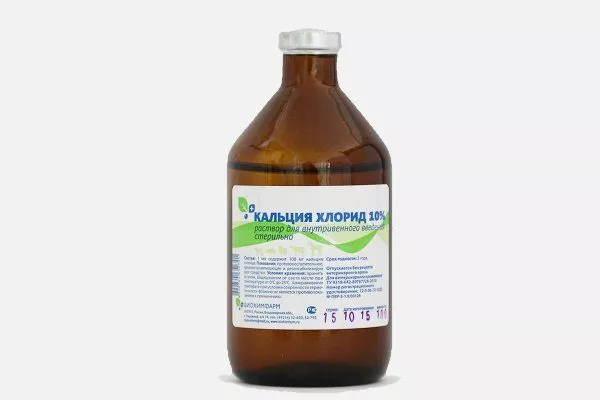
How to prepare and use the solution:
- Buy a 10% solution of calcium chloride from a pharmacy and dilute it in 2 liters of water.
- Add a little liquid soap for a "sticky" effect.
- Spray the bushes, paying particular attention to the stems.
Treatment is carried out before flowering - for prevention, and when signs of late blight appear.
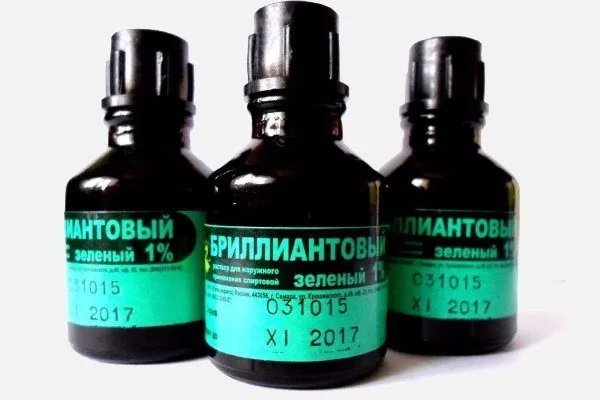
Green stuff
Brilliant green is an excellent antiseptic that can kill fungal infections. It is recommended to alternate it with iodine, boric acid, and potassium permanganate. Prepare a solution by diluting 40 drops of brilliant green in a bucket of water. Spray tomatoes with it for both preventative and therapeutic purposes.
Hydrogen peroxide
This popular antiseptic not only kills pathogens but also oxygenates plants. The hydrogen peroxide solution can be used for seed treatment, spraying, and soil irrigation.
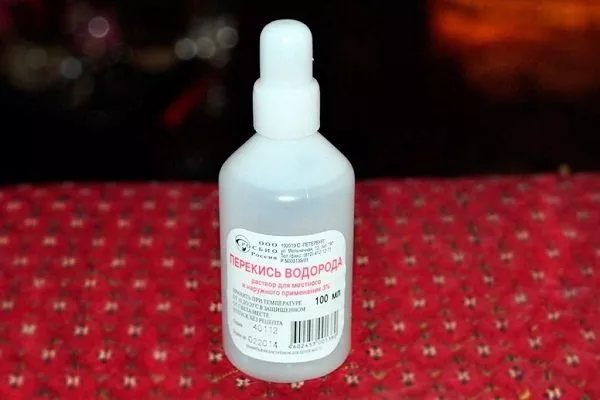
How to prepare and use the solution:
- Dissolve 2 tbsp in 1 liter of warm water.
- The solution is unstable, so start spraying tomatoes immediately.
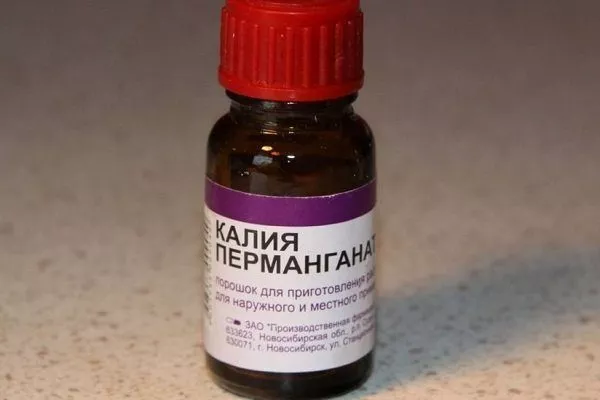
Potassium permanganate
Potassium permanganate is an antiseptic widely used at all stages of plant growth. It disinfects not only seeds but also soil. A solution of potassium permanganate has also proven effective as an antifungal agent. The solution is prepared by dissolving 1 g of the solution in a bucket of water.
Other methods
Along with fungicides and folk remedies, other methods are used to combat late blight. The advantages of alternative methods are simplicity, affordability, and effectiveness.
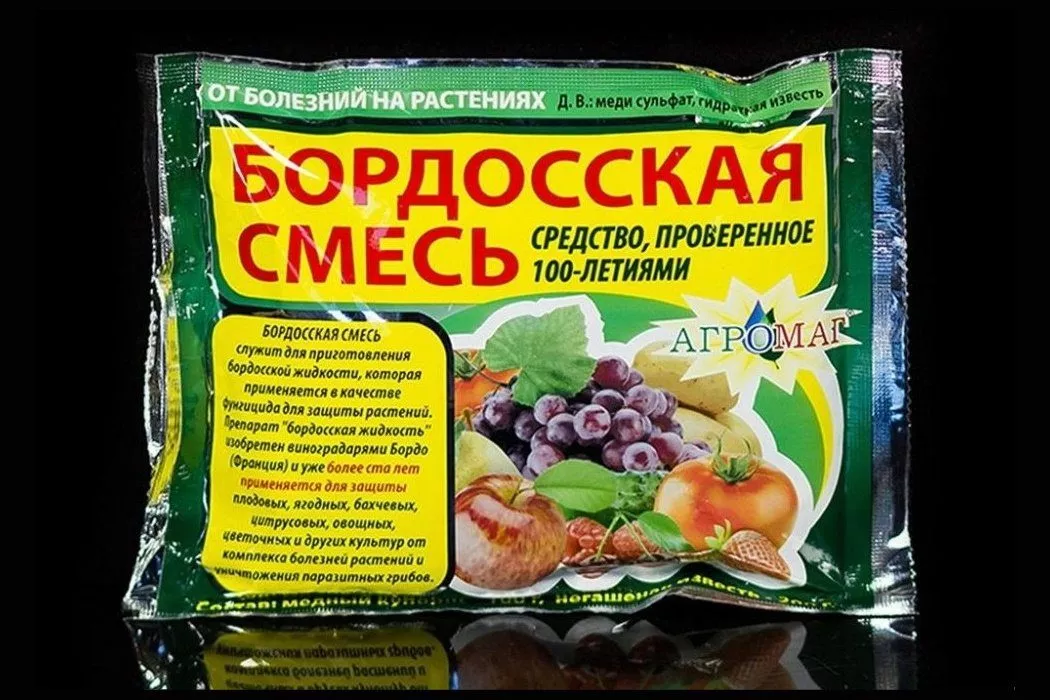
Bordeaux mixture
This popular remedy is a mixture of quicklime and copper sulfate. The prepared solution is sprayed only on the affected parts of the plants. Four treatments are carried out per season. The intervals between sprays are 7-12 days.
How to prepare and use the solution:
- Mix 100 g of copper sulfate and 150 g of quicklime in a bucket of warm water. Follow the steps in this order: first dissolve the copper sulfate, then the lime.
- Spray tomatoes using pesticides. The weather should be clear and windless. The optimal time is morning and evening. The application rate is 1 liter of solution per 5 square meters.
Bordeaux mixture should not be prepared in a metal container. Plastic, glass, or wooden containers are recommended.
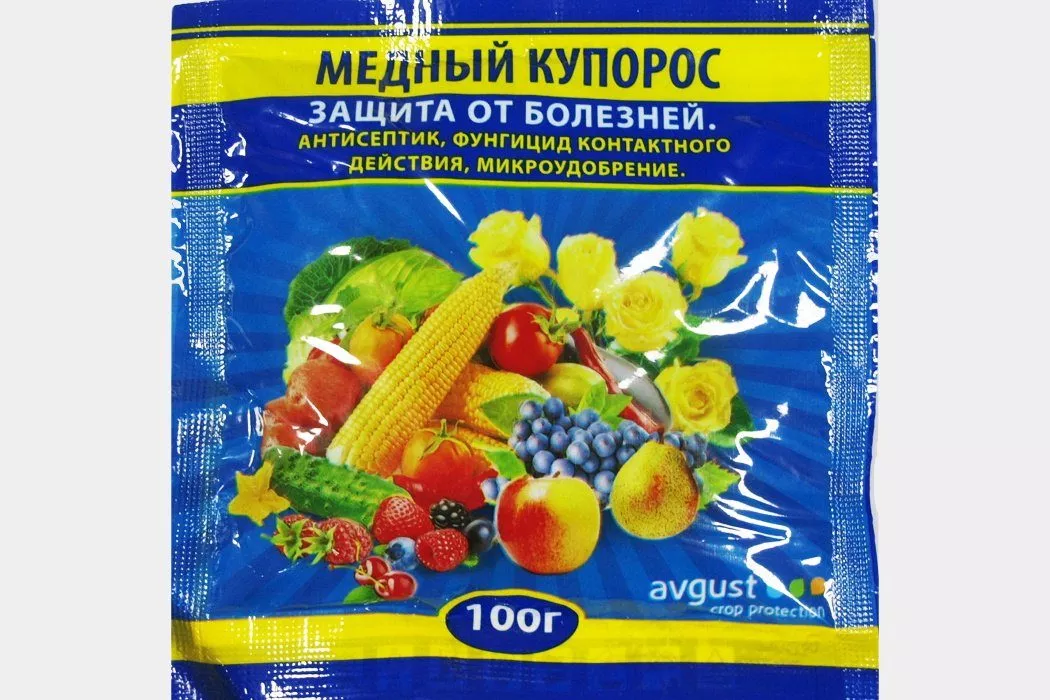
Copper sulfate
This versatile and inexpensive product has antimicrobial and antifungal properties and is effective against a wide range of diseases. Practical experience shows that it effectively prevents late blight.
Advantages of copper sulfate:
- Suitable for different crops;
- kills spores on plants and in the soil;
- is considered a low-hazard substance;
- It is partly a fertilizer, as it contains copper, which is necessary for the vital activity of cells.
A lack of copper leads to stunted tomato development – ovaries and fruits fail to form, and the leaves turn brown and die.
Dosage, g/10 l:
- for soaking seeds - 1;
- for spraying bushes – 10;
- for soil disinfection – 100.
How to prepare a 1% solution for irrigation:
- Dissolve 100 g of powder in 1 liter of warm water heated to +40°C.
- Make a blue solution in a bucket by adding 9 liters of water.
- If the crystals have not completely dissolved, strain the solution through a piece of cheesecloth.
- Use the composition within 9 hours. The solution will be ineffective the next day.
Mulching
Mulching is a versatile agricultural technique that achieves several goals simultaneously. Peat or compost can be used for mulch.
Mulching effect:
- preventing soil drying out;
- avoiding excessive watering;
- protection against soil-dwelling fungi.
Mulching is especially necessary when planting tomatoes without staking them, when the bushes are partially in contact with the soil. Without a layer of mulch, the pathogen, climbing up the leaves that touch the soil, penetrates the stems. Once this happens, the blight cannot be stopped. The only solution is to harvest the fruits and let them ripen.
Using copper wire
Phytophthora fungi are extremely sensitive to all copper-containing products. They fear copper in any form. This is the basis for another method of combating late blight. For this, you will need a coil of thin copper wire.
Procedure:
- Wrap the tomato stems with wire at the root collar.
- Cut a piece of wire approximately 3-5 cm long and pierce the stem at the base with it. Bend the ends of the wire toward the soil.
This method should only be used on well-developed bushes. Otherwise, the plants may be destroyed.
Rules for plant processing
To ensure maximum effectiveness of the products used against late blight, certain rules must be followed:
- Spraying treatment is carried out only on windless and sunny days;
- When using toxic drugs, it is necessary to wear protective equipment;
- It is prohibited to prepare chemical and some other solutions in metal containers to avoid oxidation.
Phytophthora-resistant varieties
| Name | Ripening period | Disease resistance | Bush type |
|---|---|---|---|
| Snowstorm | Early | High | Determinant |
| Budenovka | Average | Average | Indeterminate |
| Berry | Early | High | Determinant |
| Oak grove | Average | High | Determinant |
| De Barao | Late | High | Indeterminate |
| Otradny | Early | Average | Determinant |
| Grotto | Early | High | Determinant |
| Lark | Early | High | Determinant |
Planting varieties resistant to late blight is one of the most effective methods of preventing this disease. Unfortunately, no tomato is completely immune to late blight. However, there are varieties that are more resistant to this disease than others. These are primarily early-ripening hybrids.
Varieties resistant to late blight include Metelitsa, Budenovka, Yagodka, Dubrava, De Barao, as well as the hybrids Otradny, Grot, Zhavoronok and others.
Prevention of late blight on tomatoes
Preventative protection of tomatoes from late blight primarily involves following proper agricultural practices. Measures to prevent tomato plantings from being affected by the fungus depend on whether they are grown in a greenhouse or in open groundIn both cases, it is necessary to treat the seeds by placing them in a solution of potassium permanganate for 30 minutes before sowing.
In the greenhouse
Greenhouses create ideal conditions not only for plants but also for pathogens—fungi, bacteria, and other infections. The pathogen that causes late blight thrives in the humid, stagnant air that often prevails in greenhouses.
Preventive measures:
- If the greenhouse/hotbed has been in use for more than one year, cleaning and disinfection are necessary.
- The room is cleared of cobwebs and plant debris.
- The soil in the greenhouse is completely changed.
- Disinfection is carried out using various methods. One of the simplest and most effective is fumigation. A metal container filled with smoldering coals is brought into the greenhouse. A woolen cloth is placed on top of it. The room is fumigated for 24 hours. Another option is spraying with disinfectants such as Fitosporin or Baikal.
- When planting, seedlings are sprinkled with tobacco dust or wood ash.
- Ventilation of the greenhouse, prevention of condensation.
In open ground
Preventing late blight in open ground requires a comprehensive approach. It's essential to adhere to watering standards, crop rotation, and other agricultural practices.
Preventive measures:
- Soil deoxidization by adding lime. To restore normal soil acidity, peat should be added during tillage.
- When planting seedlings, add dry sand into each hole – about 3 tablespoons.
- In a plot where onions, potatoes, beets, cucumbers or carrots grew, tomatoes are not planted for at least 3 years.
- A sunny area without stagnant water is chosen for growing tomatoes.
- Water in the morning or late evening, at the roots. If the summer is wet, watering is discontinued.
- The soil is regularly loosened to ensure air access to the roots.
Possible mistakes when fighting late blight
Despite the abundance of treatments and methods available to combat late blight, this disease reappears in many gardens every summer. It is often caused by serious mistakes made by gardeners.
Common mistakes:
- Using sprinkler irrigation for watering beds. Tomatoes should only be watered at the roots. The optimal method for soil moisture is drip irrigation.
- Incorrect feeding. To effectively combat late blight, tomatoes need to be fed with potassium and phosphorus fertilizers. Avoid overdoing it with nitrogen fertilizers.
- Watering during illness. If late blight has already appeared on a tomato plant, watering is strictly prohibited. High humidity will only enhance the development of pathogens.
- Using several methods. It's impossible to use different control methods simultaneously. Combining chemicals is especially harmful. Excessive chemicals can kill plants, and their fruits can accumulate critical amounts of toxins.
An experienced gardener will explain how to combat late blight on tomatoes in the following video:
Despite the destructive nature of late blight on tomatoes, it can be successfully controlled. There are dozens of simple and effective methods that not only treat this fungal infection but also prevent it.