
002Farmer is a versatile and high-yielding variety, ideal for growing in sunny beds. The tomatoes are round and medium-weight, making them ideal for canning. Furthermore, they do not crack during cooking. This variety produces a good harvest even in the most challenging weather conditions.
Description of the bush and fruits
This hybrid determinate variety was developed by breeders Yuri Ivanovich Avdeev, Olga Petrovna Kigashpaeva, Lyudmila Mikhailovna Ivanova, and Andrey Yuryevich Avdeev. In 2011, it was approved for outdoor cultivation and given universal use.
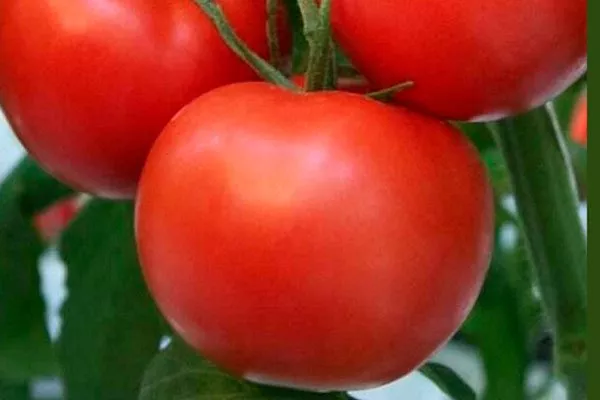
Farmer Features:
- bushes – compact, about 90-100 cm tall, with medium-sized leaves, colored green;
- tomatoes - flat-round, small in size;
- weight - varies from 115 to 125 g, but individual specimens can reach 200 g;
- color - Unripe tomatoes are green, but when fully ripe they acquire a rich red hue.
- ✓ Drought resistance allows you to reduce the frequency of watering to once a week during hot periods.
- ✓ The fruits do not crack when humidity changes, making them ideal for canning.
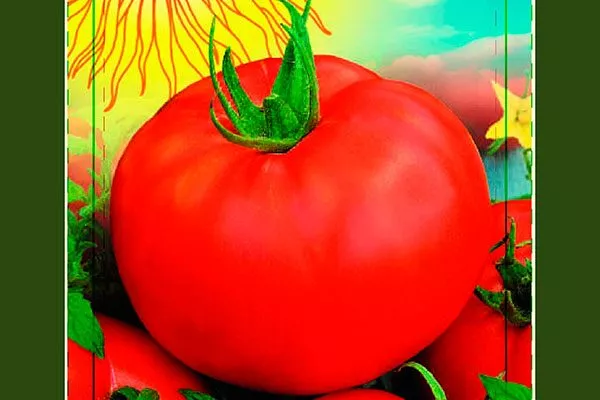
This variety is distinguished by its excellent taste. The fruits have juicy and tender flesh covered with a dense, smooth skin. The dry matter content of the tomatoes is 6.3-6.9%, and the sugar-acid index is 3.6-4.
Main characteristics
The Farmer tomato variety is a favorite of both novice and experienced gardeners, as it's easy to care for and requires minimal effort. Distinguishing qualities of this hybrid include:
- Ripening and fruiting, productivity. This is a mid-season variety, ripening 115-120 days after germination. Harvesting begins in July-August, and the tomatoes continue to ripen for a long time.
The variety is characterized by good productivity, reaching 608 centners per 1 hectare depending on growing conditions, which is an excellent indicator for a low-growing plant. - Scope of application. One of the main advantages of this hybrid is its pleasant tomato flavor. The juicy and tender flesh makes it an excellent choice for fresh eating and canning.
- Resistance to diseases and pests. The crop has a strong immune system, but if agricultural practices are not followed, it may be susceptible to fungal infections, including fusarium or verticillium wilt.
- Resistance to adverse weather conditions. The bushes are drought-tolerant, allowing them to withstand long periods of no precipitation without significant damage to growth and fruiting.
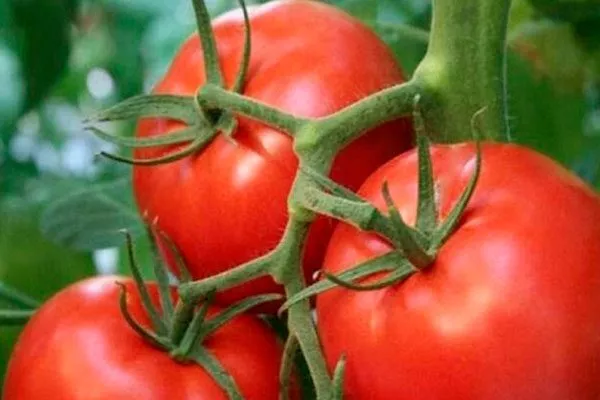
How to grow?
For successful tomato cultivation, it's important to select high-quality seeds and properly prepare the beds. Standard agricultural practices are essential for producing plump, full-bodied tomatoes and increasing productivity.
- ✓ The optimal soil temperature for planting seedlings should be at least +15°C.
- ✓ The distance between rows should be at least 50 cm to ensure sufficient air circulation.
Selecting a location, preparing the soil and planting seedlings
To grow the crop, choose sunny areas protected from strong winds. Follow these recommendations:
- The soil should be fertile, well-drained, and prepared in advance. Add organic fertilizer and dig the soil to a depth of about 20 cm.
- Start seedlings in pots or containers before planting them outdoors. Harden them off before planting them outdoors, gradually acclimating them to outdoor conditions.
When planting, plant the seedlings deep enough so that only the top leaves remain above the surface. The optimal distance between the seedlings is 80-90 cm – this ensures stable growth and abundant fruiting.
Caring for tomatoes Farmer
After planting, provide your plants with proper attention and care to ensure they thrive and produce abundant harvests throughout the season. Follow standard gardening practices:
- Watering. Maintain moderate soil moisture by watering seedlings in the morning or evening, avoiding water getting on the leaves and fruits.
- Fertilizer. Regular application of mineral and organic fertilizers helps provide the crop with all the necessary nutrients.
- Weeding and strengthening the immune system. Remove weeds and carry out preventative treatments to prevent the development of diseases and protect tomatoes from insect attacks such as aphids and whiteflies.
- Garter and shaping the bush. Plants need support and timely structuring to improve air circulation and facilitate harvesting.
- Removing stepsons. Pruning excess shoots directs the plant's energy towards the formation of large and juicy fruits.
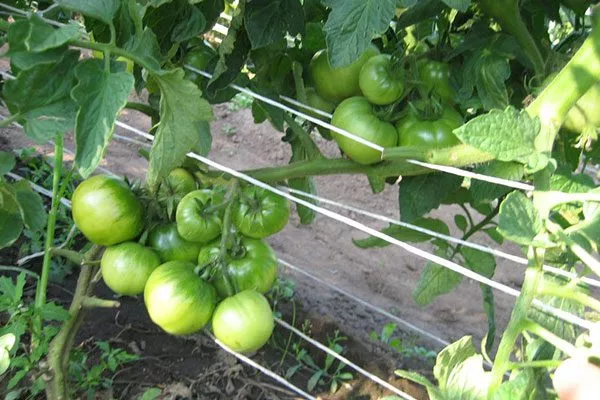
By following these recommendations, you can get a stable harvest of tasty and aromatic Farmer tomatoes.
Collection and storage
To ensure your fruits retain their quality over time, ensure suitable conditions. Follow these guidelines:
- The fruits ripen 100-120 days after germination. To ensure delicious tomatoes, train the plants properly, provide adequate water and nutrients.
- Harvest tomatoes when they reach the ripe stage. They have a rich color and firm texture. For careful harvesting, use pruning shears or pick the tomatoes, leaving about 1 cm of stem to prevent damage.
- The optimal temperature is 12 to 13°C. Store the tomatoes in a cool, dry place, away from direct sunlight. It's best to store tomatoes in boxes or baskets, first wrapping them in paper or plastic.
Pros and cons
To avoid potential difficulties in the future, carefully study the characteristics of the variety. The hybrid has many advantages:
Among the disadvantages, gardeners note the need for tying and shaping plants, vulnerability to fungal infections if not properly cared for, sensitivity to excess moisture, and possible root rot.
Reviews
The Farmer tomato is a reliable and productive variety with excellent flavor. Not only is it drought and disease resistant, but it will also delight you with consistent fruiting and delicious vegetables. Suitable for both beginners and experienced gardeners who value ease of care and positive results, you'll reap bountiful harvests.