
The Fenya F1 tomato is a new, promising hybrid in which Russian breeders have successfully combined the best qualities of the crop. This variety will delight gardeners with its excellent flavor, abundant yields, and resistance to any environmental challenges.
Who and when bred the Fenya tomato?
The Fenya F1 tomato is a hybrid developed by Siberian breeders in 2022. Originator: Semena Altaya Agricultural Firm. This hardy hybrid is suitable for cultivation in all regions.
Description of the variety
The bushes are determinate (limited in growth), reaching a height of 60-70 cm. They are squat and spreading, stopping growth after 5-6 clusters have formed. The bushes then develop, sending out lateral shoots and increasing in diameter. The leaves are dark green, medium-sized, and elongated.
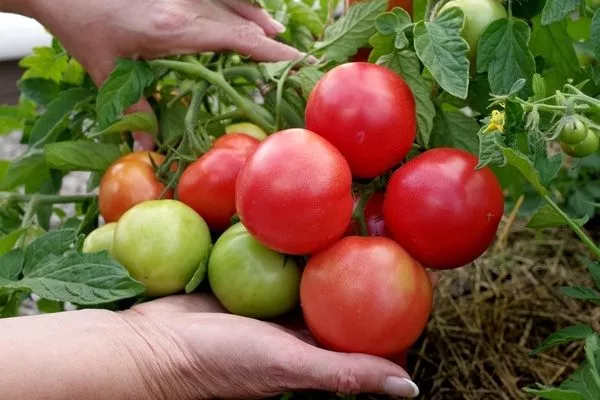
Each brush produces 5–7 fruits.
Brief description of fruits:
- Color of unripe fruits: green.
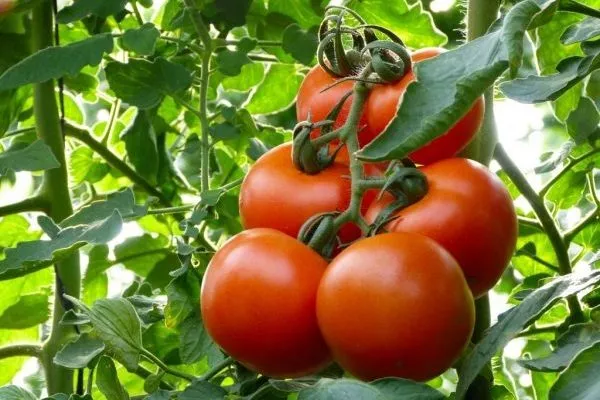
- Color of ripe fruits: red.
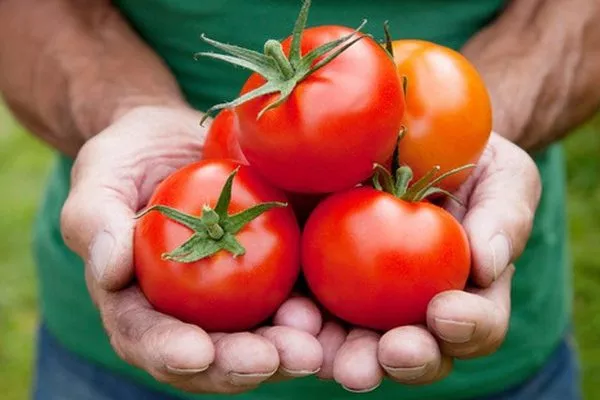
- Form: round or flat-round.
- Skin: smooth, glossy.
- Weight: 110-120 g
Taste and purpose of fruits
Fenya tomatoes have a harmonious flavor, combining sweetness with a hint of tartness. They have aromatic, juicy flesh with a moderate density.
The fruits are suitable for fresh consumption, pickling, and canning - whole or in slices.
Main characteristics
The Fenya F1 tomato is an ultra-early variety. It takes 75 to 80 days from germination to ripening of the first fruits. The tomato yield is 3-4 kg per square meter.
It tolerates drought and cold well, is resistant to blossom-end rot and tobacco mosaic virus, and is rarely affected by late blight and cladosporiosis.
Pros and cons
The Fenya hybrid has many advantages and virtually no disadvantages. However, before planting this hybrid variety in your garden, be sure to familiarize yourself with all its pros and cons.
Advantages of the variety:
Poor shelf life is considered to be the main drawback of Feni.
Landing
The Fenya hybrid can be grown in open ground, plastic greenhouses, and polycarbonate hothouses. The seedling method is used for cultivation: seedlings are grown for 50-55 days, then transplanted into garden beds or a greenhouse.
How to prepare seeds?
The Fenya tomato is a hybrid, so you can't grow it yourself. You need to buy new seeds every season. They are sold ready to plant; they don't need to be disinfected or treated with growth stimulants. The only thing you need to do is soak the seeds in warm water for 12 hours, wrapped in cloth or cheesecloth.
Growing seedlings
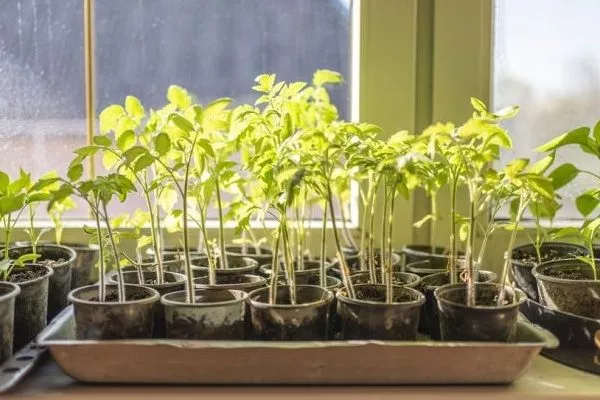
Fenya tomato seedlings are sown in March. The exact timing depends on the region's climate; in the south, sowing begins earliest—in late February or early March. To determine the sowing time, subtract 50-55 days from the intended planting date.
Features of sowing tomato seedlings Fenya F1:
- New and old containers used for planting tomatoes are scalded with boiling water to kill pathogenic microflora. Drainage holes are made in the bottom (if they don't exist).
- For planting, prepare a soil mixture of peat, humus, and sand. You can also buy ready-made substrate for vegetable seedlings—it's available at any grocery store.
- Seeds are planted in individual cups in a 3 x 3 cm pattern. In containers, they are planted in rows, maintaining intervals of 1.5-2 cm between seeds and 3 cm between rows. The seeding depth is 1 cm. The crops are moistened with a spray bottle and covered with transparent film. The optimal temperature is 25°C.
- Place the seedlings in a warm, bright location. Seedlings should emerge within a few days. Then, remove the cover and lower the temperature by approximately 10°C. Keep the seedlings at a temperature of 15–16°C for a week to prevent them from stretching and to ensure they remain healthy and strong. The optimal daylight duration is 12 hours.
- After a week, the temperature is increased to +20…+22 °C, ensuring that the soil is constantly moist.
- When the seedlings develop two true leaves, they are transplanted into individual 500-700 ml cups. This procedure involves pinching the roots and is called pricking out.
- The seedlings are initially watered weekly (for three weeks). Then, the frequency of watering increases to three to four times a week. After transplanting, the seedlings are fertilized twice with complex fertilizers. Fertilizers are applied in the morning, after watering.
- A week or two beforehand, begin hardening off the seedlings if they will be transplanted outdoors. They are initially placed outdoors for 15 minutes, then the time spent outdoors is gradually increased, reaching several hours.
Selecting a site
Choose a warm, well-lit, draft-free site for planting. The site should be level or slightly elevated; low-lying areas are unsuitable for planting tomatoes, as stagnant water leads to the development of various rots and plant death.
- ✓ The site must be protected from northern winds by natural or artificial barriers.
- ✓ Groundwater should not rise higher than 1.5 meters to the surface.
Good predecessors for tomatoes are considered to be root crops - carrots, radishes, turnips, horseradish, as well as zucchini, cucumbers, mustard, pumpkins, cabbage and green manure.
How to prepare the soil on the site?
The Fenya hybrid grows best in loose, fertile soils, sandy loam or loamy, with a slightly acidic pH (6.2-6.8). Litmus strips, available at farm stores, can be used to determine soil acidity.
Features of soil preparation for planting the Fenya tomato:
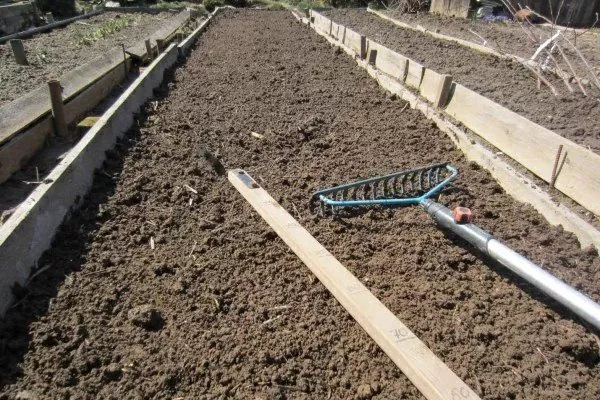
- In the fall, the area is dug up to the depth of a shovel, removing all plant debris, stones, etc.
- When digging, add organic matter such as compost, humus, peat, bird droppings, and rotted manure. Mineral fertilizers such as superphosphate and potassium salt can also be added. In the spring, the soil can be re-dug and leveled with a rake.
Transplanting
Seedlings are planted when they have 6-7 true leaves. Favorable weather conditions should be achieved when planting. The air temperature should be between 18 and 20°C, and the soil at a depth of 20 cm should warm to 12 to 14°C.
- ✓ The soil temperature at a depth of 20 cm should be at least +12°C to prevent stress in plants.
- ✓ Seedlings should have 6-7 true leaves and be hardened before planting.
Features of planting seedlings:
- For planting, prepare holes measuring approximately 15 x 20 cm (depth x diameter). Add a handful of humus and wood ash to the bottom of the holes. You can also add monopotassium phosphate or superphosphate. Top with a small amount of garden soil, and then add 3 liters of water.
- Optimal planting pattern: 40x40 cm.
- After half an hour, when the water has been absorbed and the soil has settled, you can plant the tomato seedlings. Place them in the holes, cover the roots with soil, firm it down, and water with warm, settled water.
Care
The Fenya hybrid requires standard care—watering, fertilizing, loosening the soil, and timely preventative treatments. These activities require time from the gardener, but they are the key to a good harvest.
Watering mode
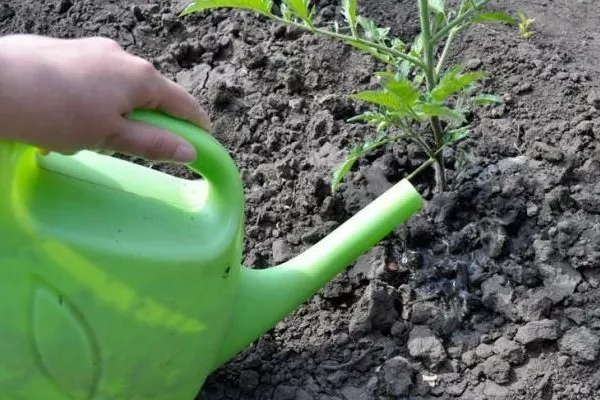
Water the bushes infrequently but generously. Usually, 1-2 times a week is sufficient. However, in hot weather, water more frequently—2-3 times a week. During the flowering phase, pour 2-3 liters of warm, settled water per plant, and during the fruit ripening phase, 5-6 liters.
Tomato beds are watered in the morning, with water poured under the roots so that it does not fall on the above-ground parts of the plants.
Top dressing
About two weeks after transplanting the seedlings into the soil, ammonium nitrate is applied to the roots (4 g per 10 liters of water). During fruit ripening, the bushes require phosphorus and potassium, which stimulate fruit growth and make them large and tasty. When grown in a greenhouse, magnesium fertilizer is also applied to the tomatoes.
Loosening and weeding
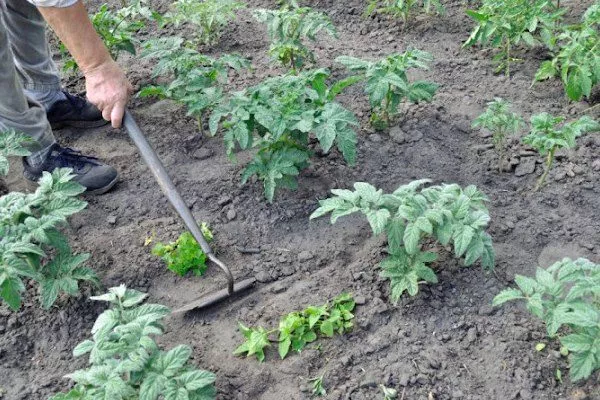
It's recommended to loosen the soil in the beds after every significant watering, such as watering or heavy rain. Otherwise, a hard soil crust will form, preventing oxygen from reaching the roots. Along with loosening, weed the soil to remove all weeds.
Tomato beds can be mulched with hay, straw, peat, humus, etc. This procedure reduces the amount of loosening, weeding, and watering, as it slows down moisture evaporation and weed growth.
Garter and shaping
Bushes need to be supported at peak fruiting to reduce stress on the shoots. Forming the bushes is not necessary; in fact, this can negatively impact yield.
Side-sonning is only performed if the crown becomes very dense, which can lead to the development of fungal diseases. Generally, side-sonning is not necessary for the Fenya tomato.
Treatment and prevention of diseases
The Fenya hybrid is highly resistant to various infections—it rarely suffers from late blight, cladosporiosis, and tobacco mosaic. However, the risk of infection exists under unfavorable growing conditions and poor agricultural practices.
For the treatment and prevention of late blight, use the following preparations: Ordan, Provisor, Previkur Energy, etc. Also, to combat the disease, you can treat the bushes with milk whey and iodine (for 10 liters of water - 1 liter of whey and 10 ml of iodine).
Furazolidone or antibiotic fungicides can help combat bacterial and fungal wilt. A weak solution of potassium permanganate or diluted wood ash can help combat brown spot (cladosporiosis).
Pest control
The Fenya hybrid is rarely affected by insect pests, but if they do occur, it's necessary to use bio-insecticides or traditional methods of control. For example, wood ash is effective against Colorado potato beetles, while spider mites and aphids can be controlled with a soap solution.
In case of severe insect attacks, which happen to the Fenya tomato quite rarely, it is necessary to use bio-insecticides, for example, Biotlin, Batrider, Kleschevit, and others.
Harvesting
The fruits are harvested as they ripen. Depending on the climate, harvesting occurs in June. They are picked with the stems attached to improve shelf life.
The harvested crop is stored in shallow boxes, baskets, or other suitable containers. At temperatures between 3 and 5°C (in a basement, cellar, or refrigerator), Fenya tomatoes can be stored for up to two months.
Reviews
The Fenya tomato is a promising hybrid that will surely be appreciated by fans of classic tomatoes. This versatile variety with compact bushes is suitable for gardeners of any level; it requires little care and grows well in both open beds and greenhouses.