
The Favorita tomato is a hybrid that has become popular among gardeners. It boasts good productivity, a strong immune system, and excellent flavor. These bright, firm tomatoes, with a harmonious balance of sweetness and tartness, are ideal for both fresh salads and canning. This variety is popular due to its versatility and ease of care.
Features of the variety
The Favorite hybrid was bred in the Netherlands and added to the register in 2005. It is recommended for greenhouse cultivation in photoperiods 3 and 4. Plants require pinching at the end of the season.
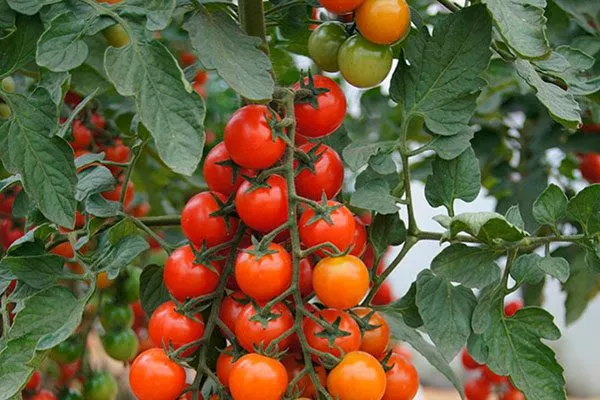
Similar names—Favorit, Favorit 6 F1, and Favorita F1—often cause confusion among beginning gardeners. However, these are three distinct varieties with distinct appearance and flavor.
Favorita and Favorita 6 F1 are common tomatoes and differ in size and color, with a sweet flavor. Favorita F1 is a cherry variety with a distinct sweetness and a slight tartness. Each of these varieties has its own cultivation and care requirements.
Botanical description of the bush and growth characteristics
This indeterminate hybrid is capable of long-term fruiting and growth. Due to its unlimited growth of foliage, it reaches considerable height, requiring sturdy support. The optimal arranging pattern is one or two stems, which ensures:
- uniform distribution of nutrients;
- improves access to sunlight.
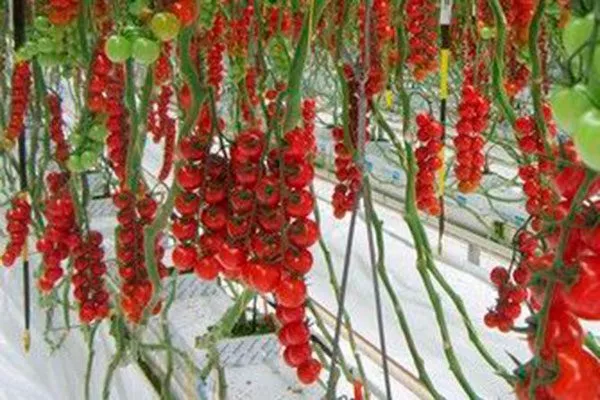
Regularly removing side shoots helps direct the plant's energy toward fruit formation rather than excessive foliage growth. Without this procedure, the bushes become overgrown, complicating maintenance and reducing the quality of the harvest.
The leaves are medium-sized, dark green, and have a typical tomato texture. A well-developed root system ensures efficient absorption of moisture and nutrients, and high disease resistance reduces the need for chemical protection.
Fruit characteristics – appearance and size
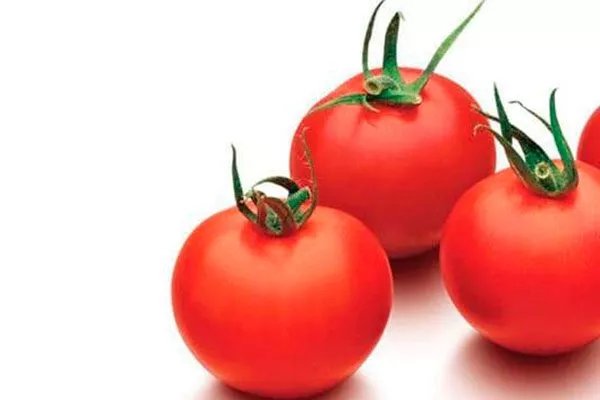
Small, round tomatoes are a rich red color. Other distinctive features:
- weight - varies from 12 to 17 g;
- structure – dense, which makes vegetables resistant to transportation and long-term storage;
- skin – smooth and shiny, protects against cracking;
- coloring – uniform, without a green spot near the stalk, which indicates full ripening.
Main characteristics
This variety is renowned for its juicy fruits and long shelf life. With proper care, you can reap a bountiful harvest of delicious and healthy tomatoes.
Ripening and fruiting, productivity
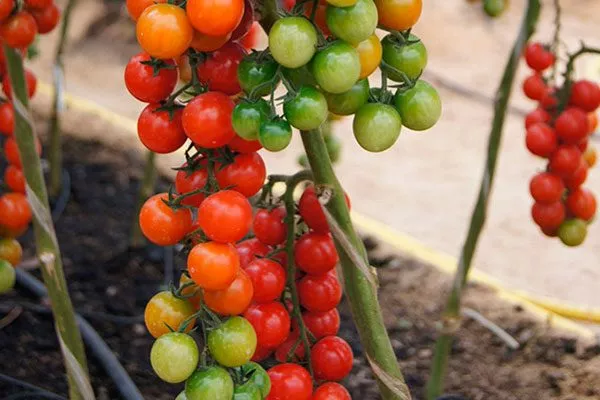
Favorita produces tomatoes right up until the first frost, with the fruit beginning to ripen from the lower trusses and gradually moving upward. It's a high-yielding variety, with 16.3-17.9 kg of tomatoes harvested per square meter.
Taste and uses
Favorita boasts a rich, balanced flavor with a pleasant sweet and sour note. Its dense flesh retains its structure even after cooking, and its high sugar content sets this hybrid apart from other cherry tomatoes.
Thanks to their tough skin, tomatoes are suitable for canning without losing their shape. They are used fresh, in salads, appetizers, pickling, sauces, pizza, and juice.
Features of growing the tomato variety Favorita F1
This hybrid requires careful attention to agricultural practices to maximize yield. It's important to obtain strong, high-quality seedlings to ensure the bushes develop fully.
Sowing seeds and growing seedlings
Pre-soak the seeds in a growth stimulant (such as Epin or Zircon) or a weak solution of potassium permanganate to disinfect. After treatment, lightly dry the seeds—they shouldn't be stuck together.
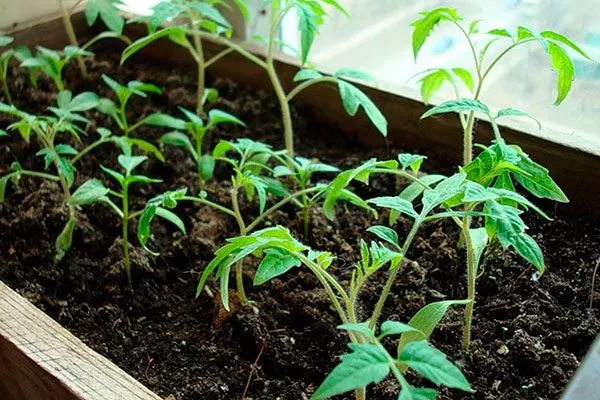
Next, follow the requirements:
- Sow the seedlings in prepared, loose, nutritious soil consisting of peat, humus, and garden soil in a 1:1:1 ratio. Deepen the seeds to a depth of 1-1.5 cm, cover with a thin layer of soil, and moisten with a spray bottle.
- Cover the container with film or glass to create a greenhouse effect.
- The optimal temperature before germination is 24 to 26°C, and after germination, 18 to 20°C. Lower temperatures are necessary to prevent seedlings from becoming elongated.
- Provide 12-14 hours of light with grow lights if sunlight is insufficient. Water moderately, using warm water as the top layer of soil dries out.
After 10-14 days, apply the first fertilizer—nitrogen-rich fertilizers are effective. When the seedlings have 2-3 true leaves, transplant them into individual containers.
Planting in the ground
Prepare the plot in advance: dig up the soil, add humus and ash. The best pre-planting crops are onions, garlic, cabbage, and carrots. Ten to fourteen days before transplanting, begin moving the seedlings outdoors, gradually increasing the time spent outdoors—this will help them adapt more quickly to their new location.
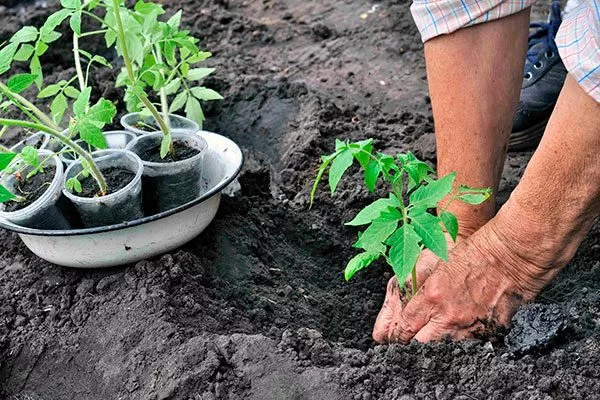
Plant seedlings when the soil warms up to +14…+16°C. The optimal planting pattern is 50×40 cm, with no more than 3-4 bushes per 1 sq. m.
Please meet the following requirements:
- Dig holes 15-20 cm deep. Add a handful of compost and a little wood ash to each. Plant the plants down to the first true leaves and water thoroughly.
- At the initial stage, shade the seedlings from the sun.
- Water the roots with warm water every 3-4 days.
Care
Proper plant care will ensure abundant and long-lasting fruiting. Follow standard agricultural practices:
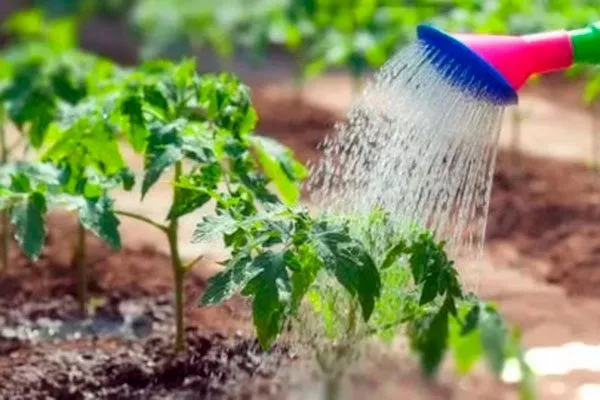
- Moisten the tomatoes at the roots, avoiding drips on the leaves. The optimal watering frequency is once every 3-4 days, or every other day in hot weather. Use only warm, settled water (20…24°C). During flowering and fruit set, reduce watering to prevent cracking.
- 10-14 days after planting, apply nitrogen fertilizer to promote vigorous growth. At the beginning of flowering, apply phosphorus and potassium to encourage tomato set. During the fruiting season, use potassium-phosphorus fertilizers to improve the flavor and firmness of the vegetables.
Organic solutions are no less effective: ash, herbal infusion, yeast dressing. - Train the hybrid into 1-2 stems. Remove side shoots every 7-10 days, removing lateral shoots up to 5 cm long. Gradually trim the lower leaves, especially if planted densely.
- Tie the bushes to supports or trellises to prevent lodging and rotting of the fruit. Soft fabric straps or special clamps are ideal.
- After each watering, loosen the soil to improve oxygen access to the roots. Mulch the soil with straw, peat, and humus to retain moisture and prevent weeds.
If signs of disease appear, treat the bushes with biological preparations (Fitosporin, Trichodermin). Garlic infusions, onion peel infusions, or soap solutions will help against aphids and spider mites.
Harvesting and storing the tomato variety Favorita F1
This variety produces fruit for a long time, lasting until frost. Pick tomatoes from the vine as they ripen—every 2-3 days. You can pick them when they're technically ripe (blanched) or when they're fully ripe.
Helpful tips:
- To increase shelf life, it is better to harvest tomatoes with the stalk;
- Carry out cleaning in dry weather to reduce the risk of spoilage;
- place the harvest in a cool place at a temperature of +10…+15°C;
- For transportation, select dense, undamaged specimens and place them in a single layer;
- in the refrigerator, vegetables do not lose their appearance and taste for up to 2 weeks;
- For longer storage, use freezing, drying or processing (sauces, juices, canning).
Correctly following the requirements will allow you to enjoy the taste of Favorita F1 tomatoes throughout the season.
Pros and cons
Before growing a crop, carefully study its characteristics, advantages, and disadvantages. This will protect you from potential difficulties that many new gardeners encounter at the very beginning.
Among the negative characteristics, gardeners note the difficulty of acquiring seed material, growing in greenhouse conditions, the need for high-quality tying and structuring of bushes.
Reviews
The Favorita tomato is a hybrid that combines good productivity and excellent flavor. It is disease-resistant and versatile. These qualities make it an ideal choice for a variety of conditions. It requires minimal maintenance, and yields can be harvested throughout the season.