
The Vater Rhein tomato is an ancient variety that exemplifies true "German quality," which also extends to vegetable breeding. This heart-shaped tomato delights gardeners with its excellent flavor and high yields. It's hardy and relatively easy to grow, but it does require some care and attention to reap the benefits.
History of creation
The Vater Rhein variety is a prominent example of German selection. It is registered in the gene bank of the Leibniz Institute of Plant Genetics (Gettersleben, Germany), but is not listed in the Russian State Register of Tomatoes. Other names include Father Rhein, Vater Rhein, and Fater Rein.
Description of the plant and fruits
The Vater Rain tomato plant grows tall and is a semi-determinate variety. It reaches a height of 1.6 m. The plants are slender, compact, and sparsely foliated. The leaves are drooping, long, and thin, a standard green color.
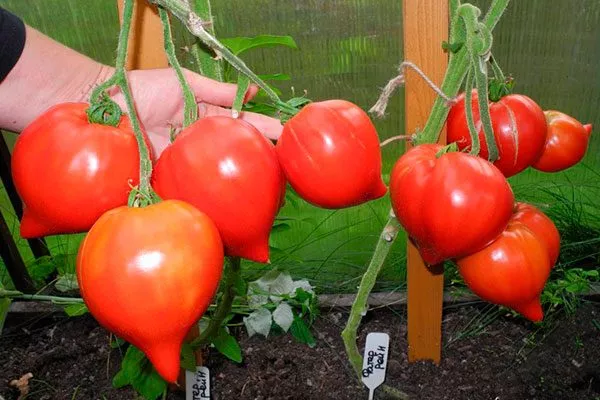
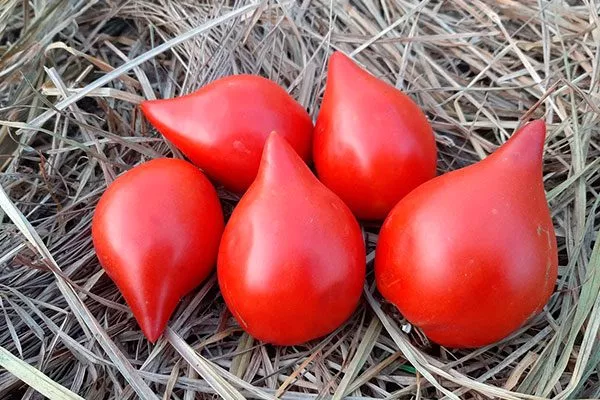
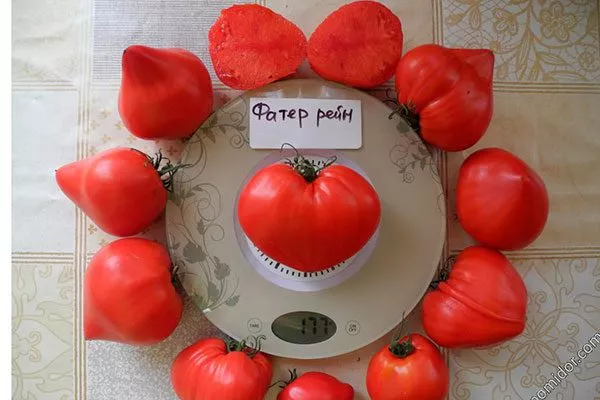
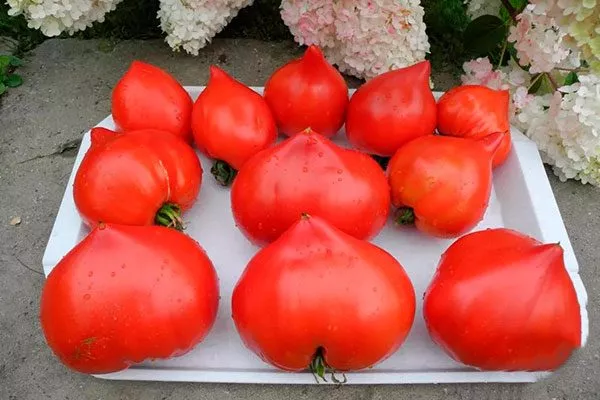
The fruits are large, heart-shaped, with a distinct, elongated "nose." A single cluster produces 3-5 fruits.
Brief description of fruits:
- Unripe fruit color: light green.
- Color of ripe fruit: red, without a dark spot.
- Form: heart-shaped.
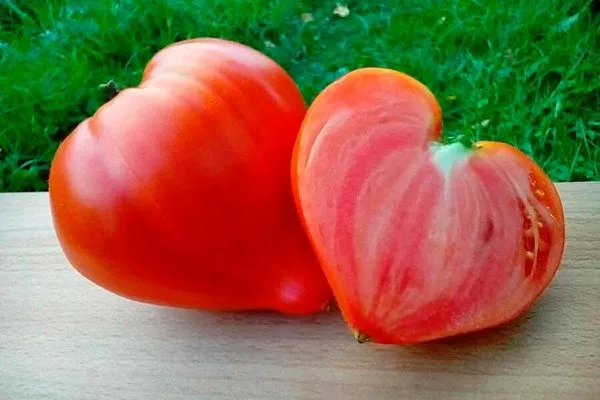
- Pulp: fleshy-sugary, pink.
- Skin: thin, glossy, smooth.
- Weight: 350 g
Taste and purpose
Vater Rain tomatoes are sweet and sour, very pleasant to the taste. The most delicious tomatoes are overripe, when they acquire the greatest sweetness.
This variety is versatile; its fruits are suitable for fresh consumption, making juices, sauces and ketchups.
Characteristics
The Vater Rain tomato is a mid-season variety. It takes 95-105 days from germination to ripening of the first fruits.
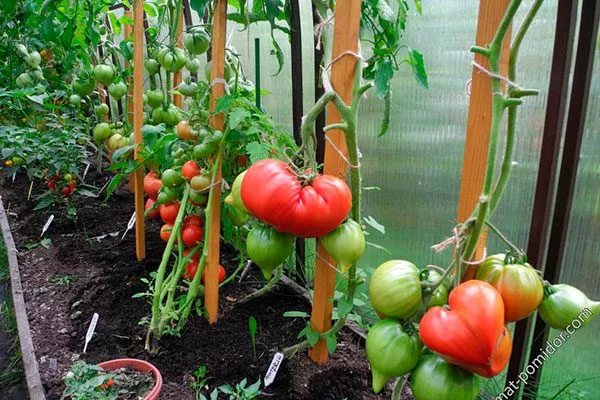
The yield is very high. An average of 5-6 kg is harvested from one bush, and 20 kg from one square meter.
Pros and cons
Before planting the German tomato Vater Rhein in your garden, it is useful to learn about all the features of this variety, its advantages and disadvantages.
Landing features
The Vater Rain tomato can be grown outdoors or indoors, in greenhouses or plastic structures. Seedlings are grown first, then transplanted into the garden beds; direct sowing into the ground is not practical for this variety.
Preparing containers and seeds
Seedlings are grown in any suitable container. It should be large enough and have drainage holes. Since tomato seedlings need to be transplanted, it's convenient to sow the crop in large containers or trays, from which the seedlings are then transplanted into individual containers (350-500 ml).
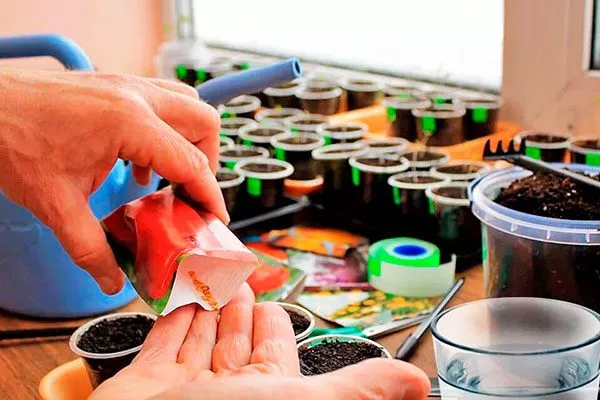
Before use, containers are washed with hot water and soap, and if previously used, they are disinfected with potassium permanganate or hydrogen peroxide. After disinfection, the planting containers are filled with soil—either store-bought or homemade. In the latter case, the soil must be disinfected or baked in the oven.
Before planting, seeds should be disinfected in a light pink solution of potassium permanganate (for 30-40 minutes) if the manufacturer hasn't done so, or if using home-grown seeds. It's also recommended to sort the seeds and test them for germination in a saline solution.
The final stage is germination of the seeds: they are wrapped in damp gauze and left to sprout.
Preparing the soil mixture
Any universal seedling substrate is suitable for growing tomatoes, such as Hera biosoil with vermicompost, Fasco Malyshok substrate, Gryadki-Leiki, and others. These mixtures are prepared from a mixture of peat, sand, mineral fertilizers, perlite, and other components, creating soil with an ideal structure and nutritional value.
Instead of store-bought soil, you can use homemade potting mixes. For example, you can make a mixture of black soil, peat, and sand (1:1:1) with the addition of superphosphate. You can also make a potting mix of garden soil, sand, peat, and humus, mixed in equal parts.
Sowing seedlings
Vater Rain tomato is sown for seedlings approximately 55-65 days before planting. In the south, sowing occurs earlier—around late February to early March; in other regions, it occurs later—mid-March to April.
Features of sowing tomato Vater Rain for seedlings:
- The soil in the planting boxes or pots is leveled and moistened.
- For sowing, you can use special nets with 1-2 cm mesh. You can also make rows in the soil at 3 cm intervals. Sow the seeds in these rows, leaving approximately 2 cm between adjacent plants. The sowing depth is 1-1.5 cm.
- To create a “greenhouse effect” and stimulate rapid emergence of seedlings, the crops are covered with glass or transparent film.
- The seeds should be kept in a warm, bright room. The optimal temperature for germination is 22°C to 23°C. Under favorable conditions, germination occurs within 4-6 days.
Caring for seedlings
Until the seedlings emerge, the cover is left on, but it is opened daily to allow air to circulate. As soon as the shoots begin to emerge, the film is immediately removed.
Features of seedling care:
- After the seedlings emerge, the containers are moved closer to the light, and the temperature is lowered to 14–16°C to prevent the seedlings from stretching. Otherwise, the plants will grow intensely toward the sun, becoming thin and weak.
- During the first week, tomato seedlings are provided with 24-hour light, including a backlight. Gradually, daylight hours are reduced to 11-12 hours (by the 4th or 5th week).
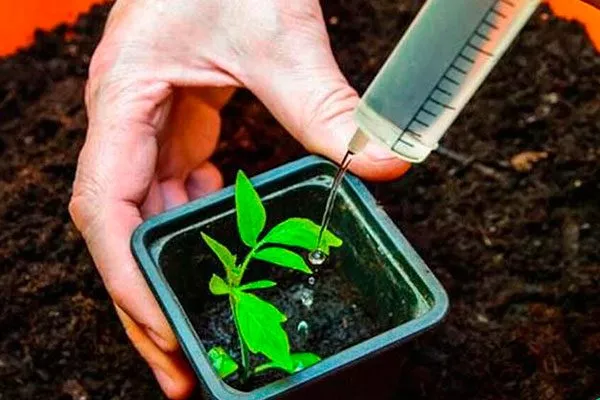
- Tomato seedlings are watered infrequently at first, no more than twice a week. Use only settled, room-temperature water. Pour it directly onto the soil; avoid dripping onto the leaves and stems, as this increases the risk of developing the incurable fungal disease "blackleg." After transplanting, water the seedlings 3-4 times a week. As the seedlings grow, they can be watered using a watering can with a thin spout.
- Seedlings are fed only after transplanting. Complex fertilizers designed specifically for seedlings, such as Agricola, are typically used.
- The seedlings are pricked out approximately two weeks after germination. By this time, they will have formed at least two true leaves. The plants are transplanted into individual containers, pinching back 1/3 of the roots.
Selecting a site
It's recommended to plant the Vater Rain tomato on the south side of the plot, whether grown outdoors or indoors. It's best to plant it in areas previously occupied by cabbage, cucumbers, onions, or legumes. In areas previously occupied by nightshade crops, tomatoes should be replanted no sooner than 3-4 years later.
The area where the tomatoes will grow should be well-lit, free from drafts and gusty winds. Protective measures such as a building, fence, etc., are recommended on the north side. The groundwater level should not be too high, preferably no more than 1 m.
Soil preparation
The soil on the plot is prepared in the fall, dug over, and weeds are removed along with their roots. Organic fertilizer—rotted manure or compost—is added during the digging process, at a rate of 10 kg per square meter. If necessary (if the soil is dense), river sand is added for loosening.
Transplanting
Seedlings are planted outdoors only when stable warmth has been established. Tomatoes are transplanted into greenhouses 2-3 weeks earlier. By the time of planting, the air temperature should reach 18–23°C, and the soil temperature should be 14–16°C.
Features of planting tomato seedlings Vater Rhein:
- The planted seedlings should have 6-7 true leaves and at least one flower cluster.
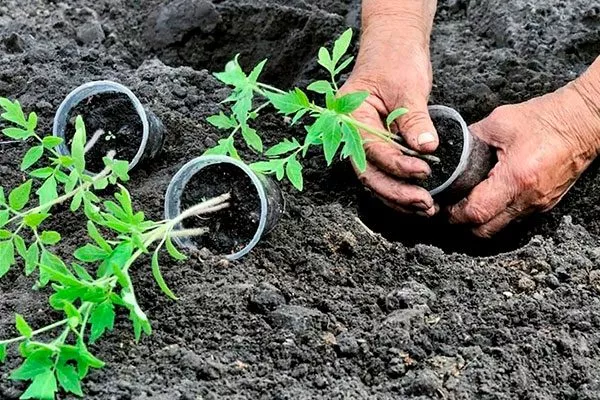
- For planting, prepare 15 x 20 cm holes. The optimal planting pattern is 30 x 40 cm. Three to four tomato plants are planted per square meter. The holes are dug in rows or in a staggered pattern.
- The seedlings are watered generously to ensure easy removal from the planting containers. They are placed in the holes, the empty space is filled with soil, compacted, and watered. The next watering is not required until 10-12 days have passed.
Care Features
The Vater Rain tomato requires standard care. The bushes need regular watering and feeding. They also need to be periodically pinched and tied up.
Watering
Water tomato plants 1-2 times a week if the weather is favorable and not excessively damp. During periods of extreme heat, water more frequently. Use warm water, applying it directly to the roots, as water splashed on the leaves can cause fungal diseases.
Loosening and weeding
Loosen and weed tomato beds at least once a week. It's best to do this after every watering or rainfall, otherwise the soil will become crusty and the roots won't get the oxygen they need. Weeding should be done simultaneously with loosening the soil.
Top dressing
The Vater Rain tomato is fed 3-4 times per season, alternating between organic and mineral fertilizers. Two weeks after planting the seedlings, a mineral-organic fertilizer with a high nitrogen content can be applied—it's essential for the growth of green mass. During this period, a solution of mullein and superphosphate is ideal.
Subsequent fertilizing should provide the tomatoes with potassium and phosphorus, which promote ovary and fruit formation. At this stage, you can also apply ready-made mineral supplements such as Kemira Lux, Cytovit, and others. These formulations are used for foliar feeding, which is performed every two weeks.
Shaping and garter
The Vater Rain tomato is trained into 2 or 3 stems—this method allows for maximum fruit production. If trained into a single stem, giant fruits weighing up to 1 kg can be grown. Vater variety bushes
Rain berries also require pinching and staking. Staking is done every 2-3 weeks to prevent the stems from breaking under the weight of the fruit.
Diseases and pests
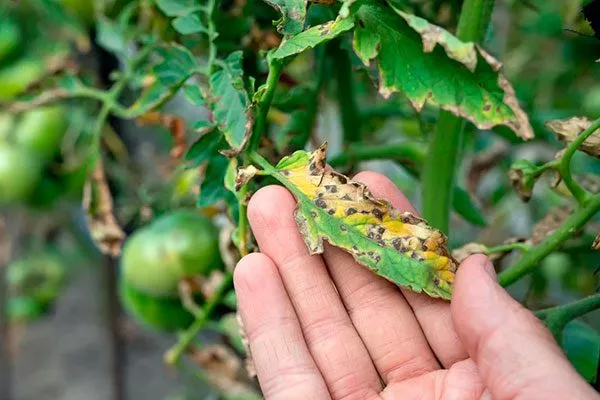
The Vater Rain tomato is resistant to viral and fungal diseases and is extremely rarely affected by late blight and blossom-end rot. However, under unfavorable conditions and poor agricultural practices, the risk increases. To prevent this, treat the bushes with copper sulfate, Quadris, and Fundazol.
Harvesting and storage
A couple of weeks before harvest, all ovaries and flower clusters are removed from the bushes. All fruits must be collected before the onset of frost.
Reviews
The Vater Rain tomato deservedly enjoys enduring popularity. This variety successfully combines qualities prized by gardeners: excellent fruit flavor, superb yield, and ease of care.