
The Evpator tomato is a hybrid that has gained popularity due to its high productivity, delicious flavor, and disease resistance. Gardeners successfully grow it in greenhouses and open beds, ensuring a stable harvest even in variable climates. With proper planting and care, gardeners reap bountiful tomato harvests.
History of creation
Evpator is the result of collaboration between breeders from the Scientific Research Institute for Vegetable Crop Breeding and the Gavrish Agrofirm. The variety was included in the State Register of the Russian Federation in 2002.
Russian specialists S. F. Gavrish, V. V. Morev, E. V. Amcheslavskaya, and O. A. Volok worked on the creation of this indeterminate hybrid. It is intended for continuous cultivation throughout the country. The bushes have medium branching and require regular pinching and tying to stakes or trellises.
Description of the bush and fruits
The plants are tall and vigorous. Well-maintained specimens can reach a height of 2 m or more. This variety has medium branching and moderate foliage. The leaves are medium-sized and dark green.
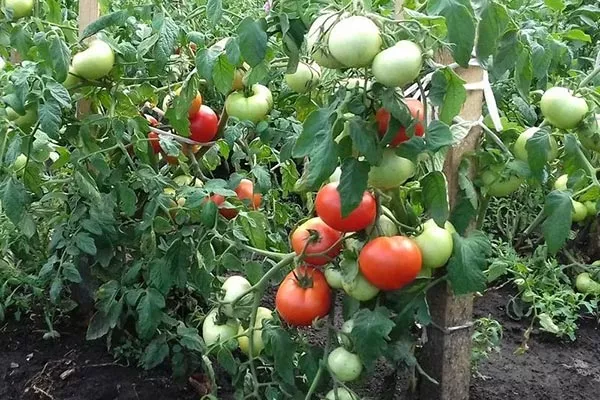
- ✓ The height of the bush can exceed 2 m and requires mandatory garter.
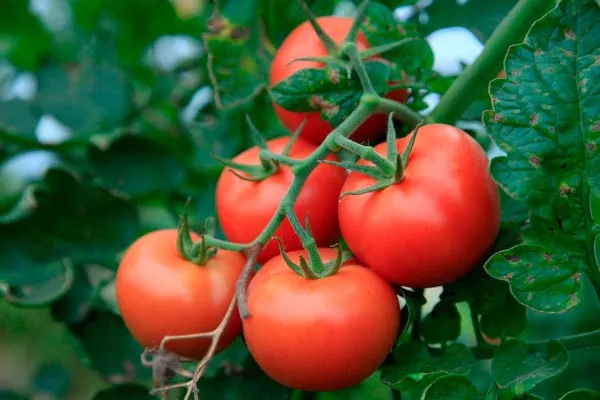
- ✓ The fruits have dense pulp with 4-6 seed chambers.
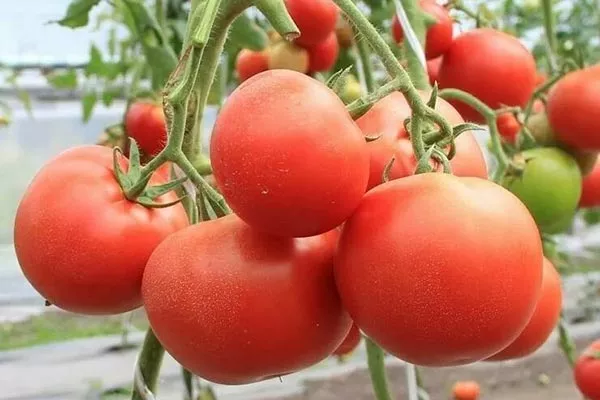
These tomatoes have excellent external characteristics: small fruits weighing 130-170 g have an even shape, a smooth, shiny surface, and a rich red color. Inside, the fruit contains dense flesh with 4-6 seed chambers, and the dry matter content ranges from 4 to 6%.
Key characteristics of the variety
Every gardener dreams of finding the perfect tomato variety, one that combines a high yield with minimal maintenance. The Evpator hybrid, whose name comes from the ancient Greek word for "noble," perfectly meets these requirements.
Taste and uses of tomatoes
Tomatoes have an excellent flavor, harmoniously combining sweetness and a hint of tartness. When cut, they emit a bright, pleasant aroma.
The fleshy and juicy fruits are versatile: they can be eaten fresh or used to make a variety of appetizers, salads, sauces, juices, and other dishes. Their dense texture makes them ideal for canning and pickling.
Ripening, fruiting and productivity
The crop has a medium ripening period. It takes about 100 days from seed germination to harvest, and the first ripe fruits can be tasted 75-80 days after emergence.
The indeterminate growth habit and large number of ovaries per inflorescence ensure good productivity. Up to 40 kg of ripe, aromatic, and delicious tomatoes can be harvested from one square meter. These characteristics make this hybrid popular among both gardeners and commercial growers.
Maximum yield is achieved only when grown in greenhouses in compliance with all agricultural recommendations.
Growing regions and climate
The hybrid was originally developed specifically for cultivation in the Northern, Volga-Vyatka, Central, Northwestern, and Middle Volga regions of Russia, where climate conditions require resilience and undemanding performance. Thanks to its adaptability and other characteristics, it has proven itself in these regions.
Over time, the variety became popular among gardeners in other regions, especially when grown in greenhouses and hotbeds.
Transportability, shelf life and storage features
Evpator tomatoes have a thick skin and a durable structure, making them suitable for long-distance transportation. You can transport them without loss of appearance or flavor.
The fruits are characterized by good shelf life – under the right conditions, they remain fresh and attractive for a long time. For optimal storage, maintain a temperature of around +10…+12°C and humidity of 85-90%. Under these conditions, the vegetables remain firm.
Planting seeds
This is a crucial stage in tomato growing, directly affecting the success of the entire process. Each step requires attention and careful adherence to recommendations. It's important to choose the right time, prepare the seeds, soil, and containers, and provide the plants with optimal growing conditions.
Preparing seeds, pots and soil
Before planting, disinfect the seedlings to prevent potential diseases. To do this, soak the seeds in a potassium permanganate solution or use a special biological disinfectant.
Peat pots or plastic containers with drainage holes are especially convenient for growing. They will ensure good root aeration and help prevent waterlogging.
Light, nutritious soil is suitable for seedlings. You can buy it at the store or prepare it yourself by mixing equal parts of turf, humus, and sand. Before planting, steam the soil or water it with a potassium permanganate solution to kill harmful microorganisms.
Sowing seeds, requirements
Start the event in early March, when the room temperature reaches 22-25°C. Follow these recommendations:
- Moisten the soil in the containers well and make shallow furrows (1-2 cm).
- Place the seeds at a distance of 2-3 cm from each other, sprinkle with soil and lightly compact.
- After sowing, cover the container with plastic wrap or glass to create a greenhouse effect. This will create the necessary conditions for seed germination.
- ✓ Optimum soil temperature for planting seeds: +22-25°C.
- ✓ Distance between seeds when sowing: 2-3 cm.
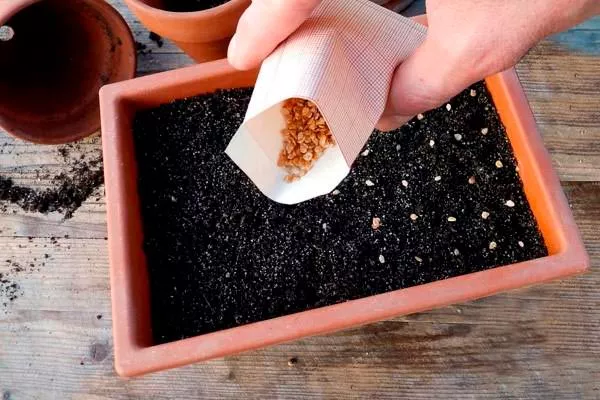
Place the container with the seeds in a warm place until the seedlings emerge (approximately 5-7 days). After this, remove the covering.
Growing seedlings, picking and hardening
After the first true leaves appear, transplant the seedlings into individual pots to prevent the roots from intertwining and allow the plants to develop normally. Monitor the seedlings, maintaining an optimal temperature (18-20°C during the day, 16-18°C at night) and regular watering.
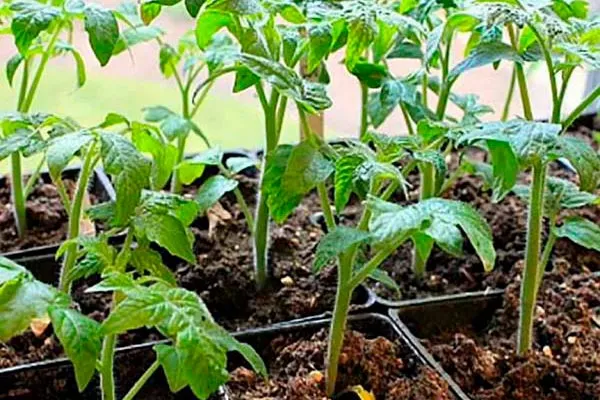
Ten to fourteen days after transplanting, begin hardening off the plants. To do this, gradually acclimate the plants to cooler temperatures by bringing them outdoors, initially for a few hours at a time, and then gradually increasing the time spent outdoors. This will help the seedlings adapt to the outdoor conditions.
Transplantation to a permanent location
Transplant seedlings into open ground at the end of May, when the soil temperature has warmed to 15°C and the plants have reached a height of 15-25 cm. These temperature requirements are not mandatory for greenhouses.
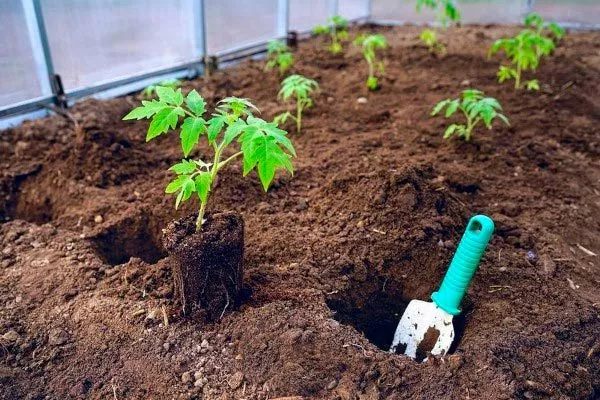
Complete planting work before flower clusters appear on the bushes, so that the seedlings have time to adapt, build up green mass, and develop well.
Landing rules:
- As a preventative measure, thoroughly clean the greenhouse in the fall, disinfect it with sulfur checkers, dig up the soil, and add compost at a rate of 10 liters per square meter. In the spring, loosen the soil and additionally fertilize with humus in the same amount.
- When growing tomatoes, practice crop rotation. To avoid diseases, avoid planting tomatoes after potatoes or peppers in the same area.
- The classic planting pattern is 40x60 cm, meaning no more than 3 plants per square meter.
- In the prepared area, dig two rows of holes up to 20 cm deep, fill them with boiling water and add a handful of wood ash.
- If the seedlings are in peat pellets, leave them in their containers when planting. Carefully remove the seedlings from the cups or other containers and plant them in holes with a lump of soil, then cover the seedlings with soil.
After planting, tie the seedlings to long stakes or trellises, and cover the surrounding soil with mulch (straw, pine needles, agrofibre, sawdust, or hay). Finish planting by moistening them with warm, settled water.
Care
The basic principles of caring for the Evpator hybrid are similar to those used for other tomato varieties. However, for tall and spreading plants, there are some special considerations.
Garter, bush shaping
The seedlings grow very quickly, requiring regular removal of excess leaves and side shoots to promote fruit ripening. This is necessary to prevent excess foliage from robbing the fruit of nutrients that should be going directly to it.
Loosening, weeding, mulching
For successful crop development, regular soil care is essential. The following procedures will improve soil condition, ensure oxygen access to the roots, and protect plants from weeds:
- Loosening. After each watering or rain, gently loosen the soil around the bushes. This prevents a crust from forming on the surface and improves aeration, facilitating better water and nutrient delivery to the roots.
The event helps combat soil pests and promotes better root growth. - Weeding. Regularly remove weeds that compete with the crop for water and nutrients. They can be a source of diseases and pests, so their removal is important for plant health. Weed by hand, being careful not to damage the tomato roots.
- Mulching. Mulching helps retain moisture, prevents weed growth, and improves soil structure. Use straw, sawdust, pine needles, agrofibre, or compost as mulch.
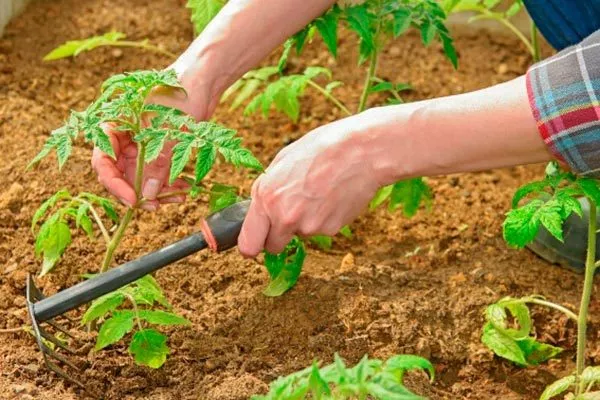
All these activities play an important role in maintaining the health and obtaining a bountiful harvest of tomatoes.
Ventilation of the greenhouse
Evpator tomatoes are self-pollinating, so they require access to fresh air for proper growth. An optimal draft can be created by installing two vents at opposite ends of the greenhouse. This will ensure a constant air flow, promoting pollination and plant development.
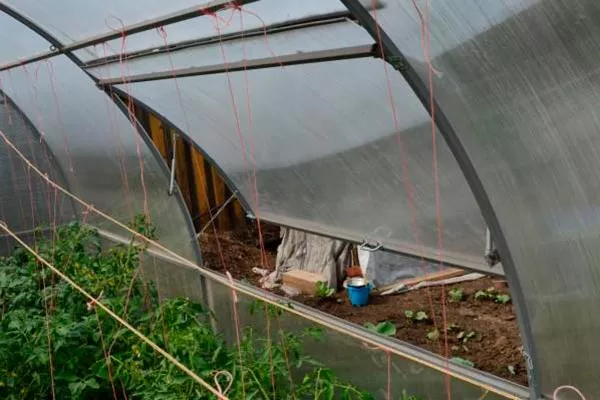
Ventilate the greenhouse daily, but close the windows at night to avoid damage to the bushes by morning fog.
Regular events are necessary for:
- maintaining optimal temperature and humidity indoors;
- providing fresh air;
- prevention of the appearance of pests that prefer a humid, closed environment;
- hardening of seedlings, which promotes their better development.
For convenience, you can use special ventilators equipped with a timer and a mechanism for automatically opening and closing the vents. This device is especially useful for gardeners who don't have time to visit the greenhouse often.
Watering and fertilizing
To ensure the healthy development of the Evpator hybrid, it's important to provide the soil with ample, but not too frequent, water. Ideally, water with warm, settled water 2-3 times a week.
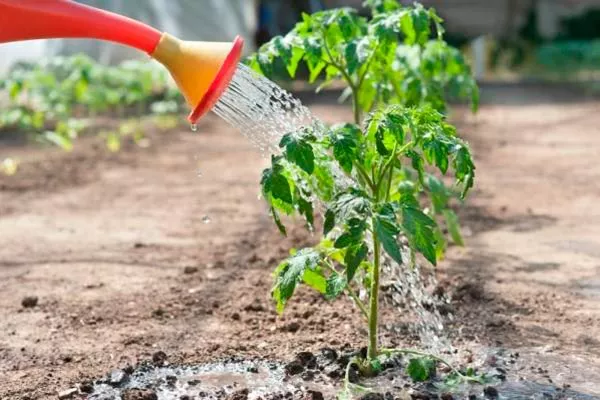
To reduce water consumption and improve soil structure, loosen it regularly to make it light and breathable.
To increase crop yields, timely application of fertilizers, including nitrogen, potassium and phosphorus, plays a key role.
Nitrogen fertilizing options:
- 1 liter of mullein infusion and 1 liter of wood ash per 10 liters of water. Use for watering.
- 20 g of chicken manure per 1 liter of water, bring the volume of the infusion to 10 liters. Apply under the root.
- Fill a 10-liter bucket 2/3 full with chopped nettles and tops, then top with water and let sit for 2 weeks. For watering, dilute the concentrate with water 1:10; for treating bushes, dilute it 1:20.
- 500 g of wood ash per 10 liters of water. After 3 days, strain and pour under the plants.
Apply nitrogen fertilizers once 2 weeks after planting the seedlings, then switch to potassium-phosphorus fertilizers, applying them once every 2 weeks.
Mineral fertilizers:
- 40 g of potassium sulfate per 10 liters of water. Use for foliar application.
- Add 20 g of superphosphate to 1 liter of hot water. Let it steep for 24 hours and bring the volume up to 10 liters.
- 10 g of diammophoska per 10 liters of water. Apply the solution to 1 square meter of soil (composition: potassium 26%, phosphorus 26%, nitrogen 10%).
- 1 tablespoon of nitroammophoska per 10 liters of water (composition: 16% potassium, phosphorus, and nitrogen). Consumption per plant: 500 ml.
Popular ready-made mineral fertilizers: Kemira Lux, Calcium nitrate, Bio Master, Rastvorin.
Treatment and prevention of diseases and pests
The Evpator hybrid is characterized by a high level of disease and pest resistance. However, to achieve optimal results, experts recommend preventative treatment with copper-containing agents three times before fruit formation, when flower stalks begin to develop on the bushes.
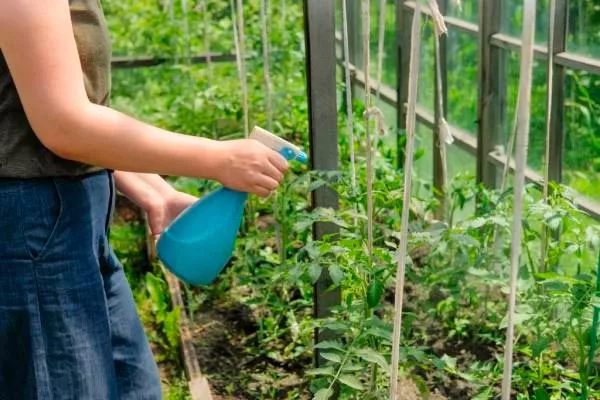
The main diseases and pests that threaten the crop:
- Cutworm moth. A moth-like insect attacks the plant in the form of moth caterpillars. Collect the caterpillars by hand, then treat the plant with the chemical Strela.
- Greenhouse whiteflySigns of damage include a sticky coating on the leaves, black, white, and yellow spots, and curling of the leaf blades. Confidor is effective in controlling the pest.
- Dry spot (alternaria)A fungal disease that causes brown spots with clear borders on leaves. To combat Alternaria, use Antracol and Tattu.
- FomozA disease that affects fruits, causing brown spots to form near the stalk. Treat with Consentor, Antracol, and Fomoz.
To ensure a healthy and abundant harvest, carefully monitor the condition of your plants and carry out preventative and treatment procedures promptly. This will ensure effective protection against pests and diseases.
How and when to harvest?
Pick tomatoes when they reach maturity and their color is characteristic of the variety. Tomatoes ripen gradually, so harvest as they ripen, rather than waiting for all the tomatoes on the vine to ripen at once.
When to collect:
- In open ground. Begin this process from late July and continue until September, depending on your region. Monitor temperatures and weather conditions, as late frosts can damage the bushes.
- In the greenhouse. Harvest approximately 1-2 weeks earlier than in open beds, as indoor conditions for vegetable growth and ripening are more stable and favorable.
Pick the tomatoes carefully to avoid damaging the stems or breaking them. Twist them around their axis or remove a small portion of the stem. Do this in the morning or evening, when the temperature is not too high. This will help keep the tomatoes fresh and prevent them from overheating.
Pros and cons
The Evpator tomato variety has several advantages and disadvantages that should be considered when growing it. It's important to explore the main pros and cons of this hybrid.
Among the disadvantages of the crop, some gardeners note the need for regular removal of excess shoots, the need for tying, and better productivity indicators when grown in a greenhouse.
Reviews
The Evpator tomato is an excellent choice for gardeners seeking a productive and easy-to-grow variety with excellent flavor. Thanks to its strong immunity and consistent yield, this hybrid is easy to grow. Proper care will ensure high-quality, juicy tomatoes for a long time.