
Etude is a high-yielding cluster hybrid characterized by disease resistance and excellent flavor. It is suitable for greenhouse cultivation, producing vigorous bushes with large, uniform fruits. Thanks to uniform ripening and thick skin, the tomatoes store and transport well. This low-maintenance crop requires proper care.
Description of the bush and fruits
The tomato was bred by specialists at Scientific and Production Corporation NK. LTD. All testing was completed in 2021, as confirmed by official documents. These documents do not contain information about the parental lines.
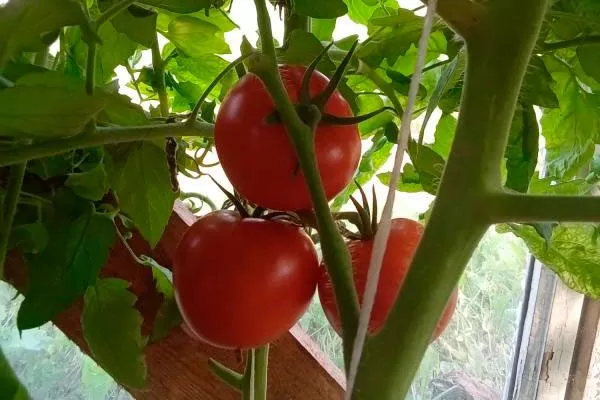
Distinctive features:
- plant - indeterminate, spreading, with strong and flexible shoots;
- leaves - medium-sized, green, with serrated edges, moderate foliage, and several ovaries are formed on each shoot;
- inflorescences – simple, collected in brushes;
- tomatoes - large, fleshy and juicy, when unripe they are light green, and as they ripen they turn pink and then bright red;
- weight - varies from 77 to 90 g, but individual specimens can reach 180-200 g;
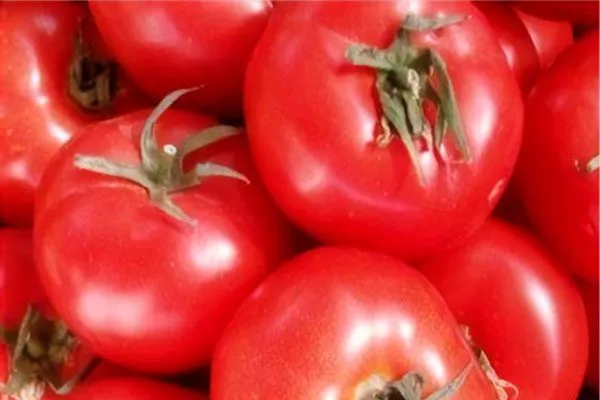
- form - round, without ribs or dents;
- pulp – dense;
- skin – elastic and smooth;
- taste - sweet and sour, with piquant notes.
Etude is a table variety and is widely used in cooking. The vegetables are used in first and second courses, appetizers, sauces, jams, and canning. They retain their flavor even after cooking and are excellent for eating fresh.
Main characteristics
This is a mid-season variety. With proper care, tomatoes can be harvested 110-117 days after germination. Productivity is at least 30.2 kg per square meter, and under favorable conditions can reach 33 kg. These yields depend on the weather and the quality of care.
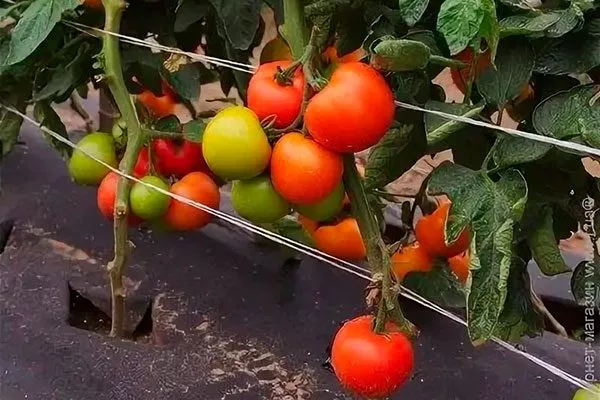
The crop is resistant to common diseases, including late blight and mosaic. Its shelf life reaches 2-3 weeks, allowing you to enjoy fresh vegetables longer.
Landing features
Etude is a cluster tomato. To prevent delayed ripening, it's important to control the number of flowers, leaving 5-6 ovaries. This will ensure uniform fruit size and a uniform fruiting process. Harvest the clusters when the first three tomatoes are fully ripe, cutting them off at the base of the tree.
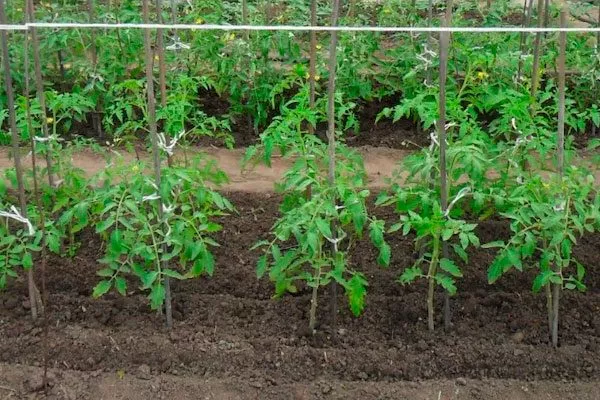
- ✓ Optimum soil temperature for planting seedlings: not lower than +15°С.
- ✓ The need to use phytolamps to ensure at least 14 hours of daylight.
Follow these recommendations:
- Growing this hybrid from seedlings is essential. Sow seeds no later than mid-March, after preparing the soil. Provide the seedlings with supplemental light—at least 14 hours of daylight per day. Use phytolamps if necessary.
- After the seedlings appear, maintain the temperature at +17°C for 5 days, then increase to +22°C.
- Provide seedlings with regular but moderate watering. To stimulate growth, use activators or complex fertilizers.
- At a temperature of 24°C, the seeds germinate in 5-7 days. Plant the finished seedlings in a greenhouse in May, or in early June if the weather is unfavorable. Before transplanting, harden the plants off, starting with 15 minutes of fresh air and gradually increasing the time to 8 hours over 10 days.
Subtleties of agricultural technology
Crop care directly impacts growth, yield, and disease resistance. Proper care promotes full development and improved quality.
Watering and fertilizing
Water your tomato plants regularly, keeping the soil slightly moist. Under normal conditions, water 2-3 times a week, and daily during hot and dry periods.
Plants require fertilizer, and be sure to alternate organic matter with mineral fertilizers. Pay particular attention to applying fertilizer at three key stages:
- during the flowering period;
- during the formation of ovaries;
- during active ripening of fruits.
Use bird droppings, yeast, iodine and crushed eggshells to enrich the bushes with nutrients.
Should I dive?
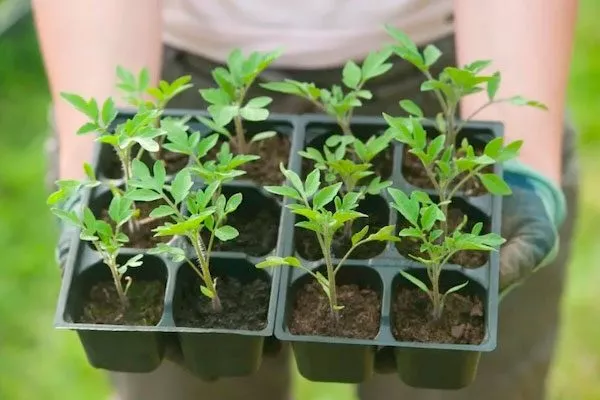
Throughout the growing season, Etude hybrid tomatoes need to be properly trained. Prick out the plants as seedlings, transplanting them into individual containers when two true leaves appear.
- ✓ High resistance to cladosporiosis, verticillium wilt, fusarium wilt and tobacco mosaic.
- ✓ It is necessary to form a bush into three stems for optimal yield.
After planting in the greenhouse, continue structuring the plants. Train the bush into three stems, removing all side shoots. Be sure to remove the tops of the tomatoes, trim the ovaries, and trim off excess leaves. Without pinching, the shoots can grow over 2 m.
Diseases and pests
This variety is resistant to diseases such as cladosporiosis, verticillium wilt, fusarium wilt, and tobacco mosaic. However, indoor cultivation creates conditions of high humidity and stable temperatures, which promote the growth of pathogenic fungi and bacteria.
If pathogens enter the greenhouse along with infected plants, preventative measures will need to be taken throughout the growing season. Follow these guidelines:
- do not plant tomatoes in the same place for several years in a row;
- regularly inspect the bushes and remove diseased leaves, shoots and fruits;
- disinfect the soil before planting with Trichodermin;
- avoid over-watering the soil;
- use organic and mineral fertilizers;
- Mulch the beds to prevent weed growth;
- To combat insects, use folk remedies: garlic infusion, pepper infusion, or soap solution.
Pros and cons
The Etude hybrid tomato offers multi-crop advantages. Gardeners consider the following qualities to be its key advantages:
The only drawback is the need to purchase seeds annually from specialty stores or nurseries. Seeds collected at home do not retain the characteristics of the parent plant, resulting in poor seedling growth and reduced productivity.
Reviews
Etude is an excellent choice for both beginner and experienced gardeners. It boasts consistent yields, disease resistance, and versatile fruit. Its firm flesh and pleasant flavor make it suitable for both fresh eating and canning. With proper cultivation practices, you can harvest a large quantity of high-quality tomatoes.