
The Elya tomato is an early, high-yielding variety for growing indoors and outdoors. It has excellent flavor and a great presentation. These red tomatoes store and transport well, making them suitable for commercial cultivation.
The history of the Elya tomato
The Elya tomato was developed by breeders at Agrofirm Aelita LLC and was approved for cultivation in 2008. Authors: N.V. Nastenko, V.G. Kachainik, A.V. Kandoba.
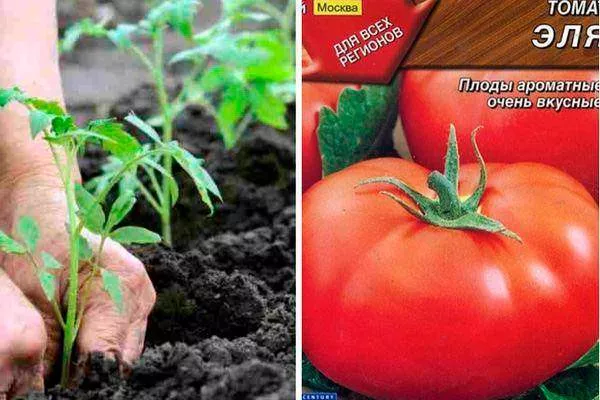
In addition to the Russian variety Elya, included in the State Register of the Russian Federation, there are other tomatoes with a similar name on the market:
- Elya 06 — a tall Polish variety with bushes growing up to 2 m in height.

- Elya 14 — another tomato of Polish selection, it has tall bushes and potato leaves.
- Elya 18 — This new variety of Polish selection has tall bushes and huge fruits, up to 500 g.
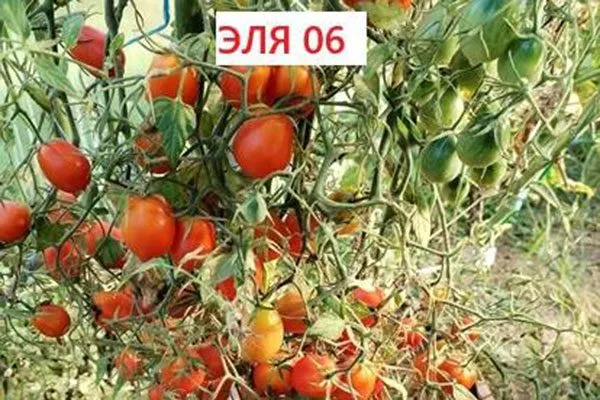
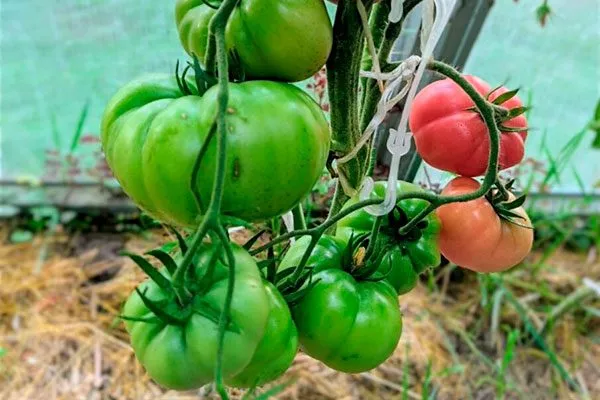
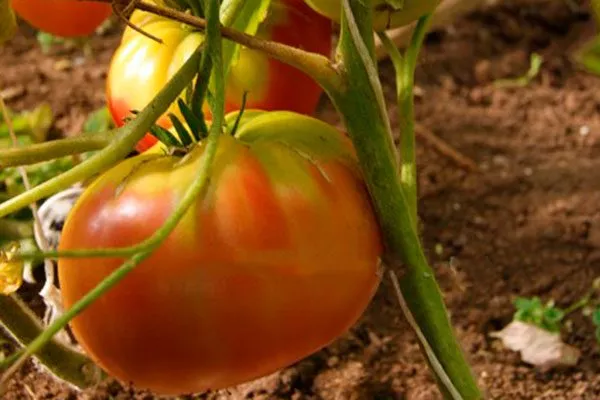
Elya variety code (Russian selection): 9252802.
Description of the plant and fruits
The bushes are indeterminate, with medium-sized green leaves and simple inflorescences. The peduncles are articulated. The fruits are medium-sized, with 3-4 seed chambers.
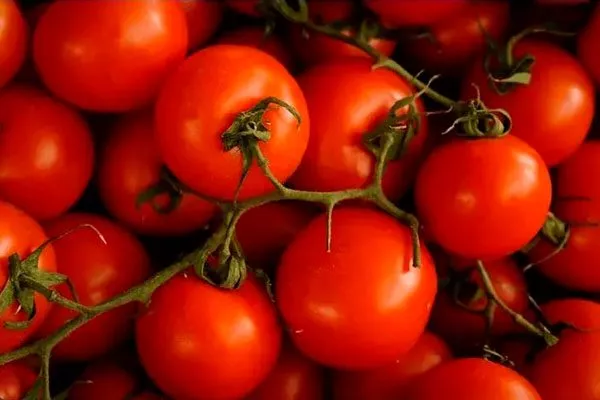
Brief description of fruits:
- Unripe fruit color: light green.
- Color of ripe fruit: red.
- Skin: smooth.
- Fruit shape: rounded.
- Fruit weight: 170 g.
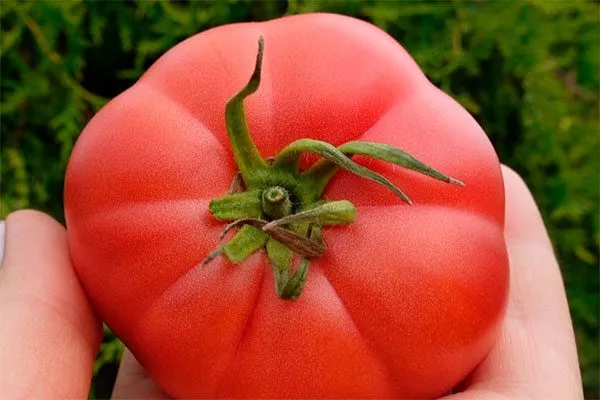
Taste and purpose
The originator markets this variety as a salad and pickling variety. It can be eaten fresh, salted, and pickled, and the fruits can also be used in various dishes, tomato juice, and all kinds of preserves. The flesh is aromatic, tender, and juicy, with a high sugar and vitamin content.
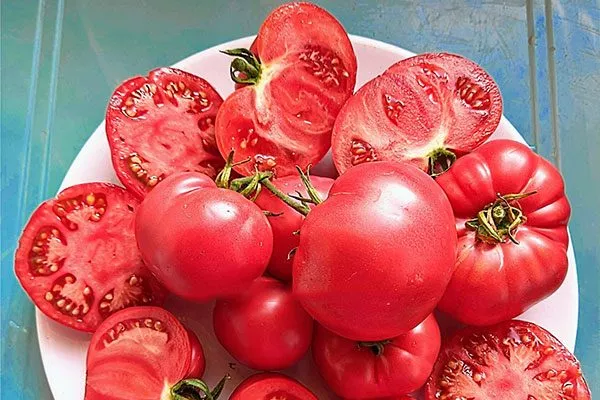
Characteristics of the Elya tomato
The Elya tomato is an early-ripening variety. It takes 100-105 days from germination to the ripening of the first fruits.
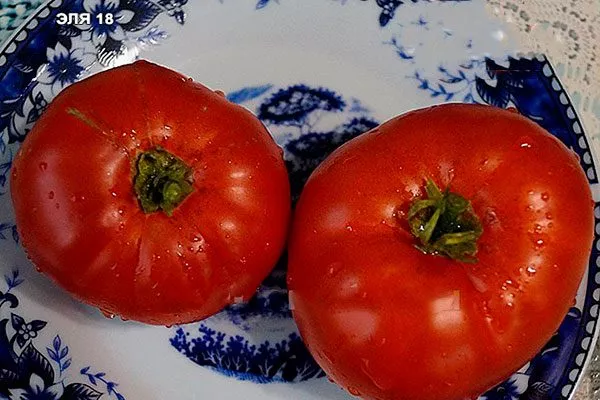
This variety has a fairly high yield, averaging 8.8 kg/m2. This tomato is resistant to verticillium wilt, tobacco mosaic virus, and fusarium wilt.
Pros and cons
The Elya variety has many advantages that experienced gardeners will certainly appreciate. However, before planting this variety in your garden, it's helpful to familiarize yourself not only with its advantages but also with its disadvantages.
Landing features
The indeterminate Elya variety is recommended for growing from seedlings. The seedlings are grown for about two months and then transplanted into the ground, either outdoors or indoors.
Preparing containers
Containers for growing seedlings must be disinfected if they have been used. New containers can be simply washed with hot water and soap. Disinfection eliminates bacterial spores and other pathogens that can cause tomato diseases. It is recommended to first rinse used containers under running water and then soak them in a biofungicide for a couple of hours.
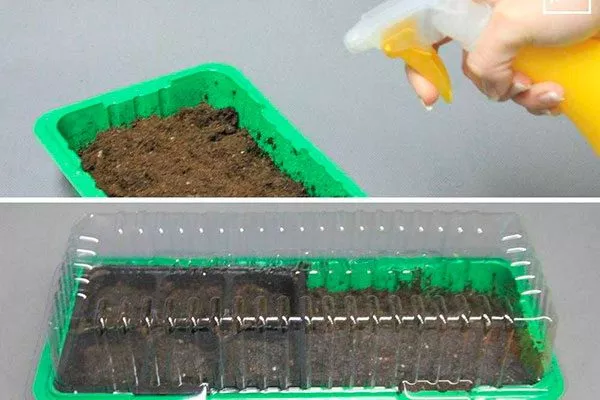
Large (communal) and individual containers can be used as containers. If you plan to transplant seedlings, it's more convenient to sow the seeds in a container and then transplant them into individual containers (350-500 ml). The planting containers should have drainage holes to allow excess water to drain.
Seed treatment
Seeds from major producers are usually completely ready for planting. They are treated with compounds that improve germination, protect against diseases, and so on. These seeds are typically colored red, green, or blue, and require no disinfection or soaking.
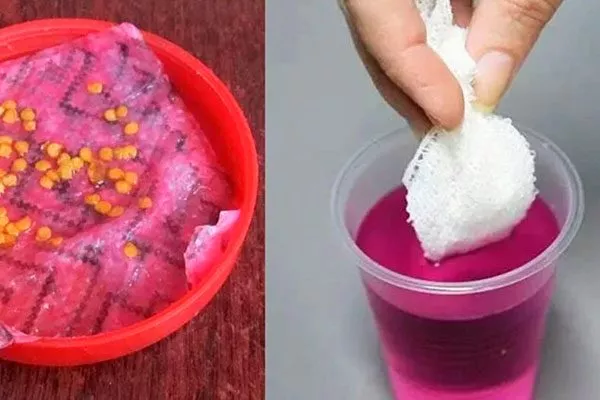
Home-collected seeds must be prepared for sowing: they are calibrated, tested for germination in a saline solution, disinfected in potassium permanganate or hydrogen peroxide, and then germinated using standard techniques—wrapped in a damp cloth or gauze. Instead of potassium permanganate, you can use garlic infusion (20 g infused in 100 ml for 2 hours), aloe juice, or biopreparations.
Soil mixture for seedlings
If you use peat containers to grow seedlings, you don't need to buy soil. To fill the empty containers, use special seedling soil mixes, such as Agricola, Fasco biosoil, and others.
Instead of store-bought soil, you can use homemade mixtures. For example, you can make a nutritious soil by mixing equal parts turf and fine river sand, then adding 2 parts peat. The soil for tomato seedlings should be neutral (pH 6-7).
Selecting a site
Tomatoes should be grown in well-lit areas that receive 6-8 hours of direct sunlight per day. Shaded areas and lack of ventilation are among the main causes of fungal diseases.
The planting site should be well-ventilated, but free of drafts and gusty winds. The site should be level; a slight slope is also suitable, but low-lying areas are unsuitable for planting tomatoes. High groundwater levels are also unsuitable for tomatoes; if the groundwater level is critical, raised raised beds should be created.
Choose a site for planting that hasn't grown tomatoes or other nightshades (potatoes, peppers, or eggplants) for 2-3 years. The best predecessors for the Elya tomato are pumpkins, legumes, cabbage, cucumbers, onions, garlic, watermelons, and greens.
Preparing the beds
The best time to apply fertilizer is autumn. Add any organic matter—rotted manure, compost, or rotted manure—during the tillage. If you weren't able to fertilize the soil in autumn, you'll need to do so in the spring, adding 3-4 liters of compost per square meter of the beds. Mineral fertilizers—superphosphate, potassium sulfate, and ammonium nitrate—can also be applied in the spring, after which the soil should be dug over or deeply loosened.
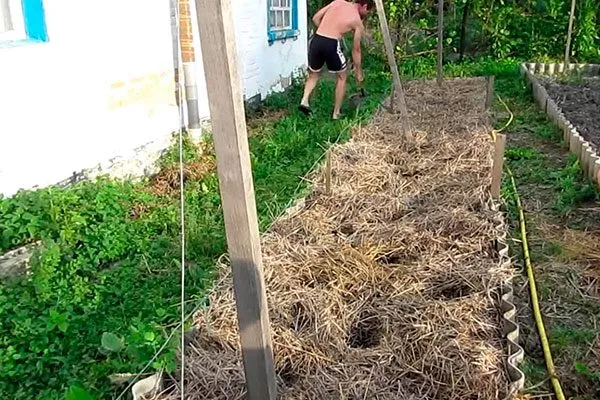
It is recommended to deacidify acidic soils in the fall by adding slaked lime, ash, or dolomite flour during tillage. However, if deacidification has not been done previously, these components can also be added in the spring. It is also recommended to disinfect the soil, for example, with Fitosporin.
Growing seedlings
The timing of tomato seedling sowing is determined based on the local climate. Sowing should be done approximately 60 days before the expected planting date.
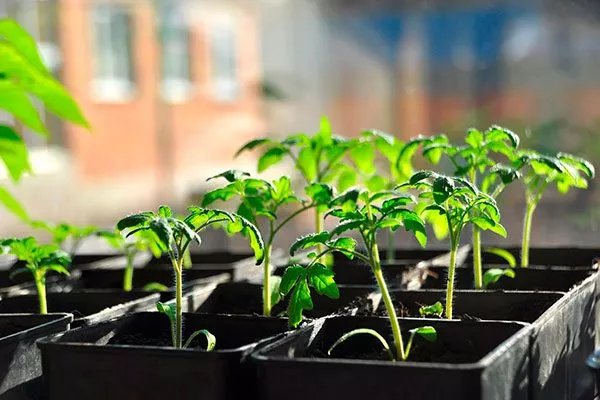
Features of growing seedlings:
- The soil in the containers is leveled and moistened. Furrows are made in the containers at intervals of 4 cm. The seeds are planted 1 cm deep. Space adjacent seeds 3 cm apart, even in individual cups. Two to three seeds are sown in the cups at a time to increase germination.
- Sprinkle the seeds with soil or moistened coconut coir. Water the seeds with a spray bottle and cover with a transparent material—a plastic lid, glass, or plastic wrap.
Place the seedling containers in a warm room, but not near windows. Until the seeds sprout, remove the covering daily to ventilate the mini-greenhouse.
Caring for seedlings
To grow healthy and strong seedlings, it is necessary to monitor their growing conditions daily, maintain optimal levels of heat, light, and humidity, monitor their condition, and apply fertilizer on time.
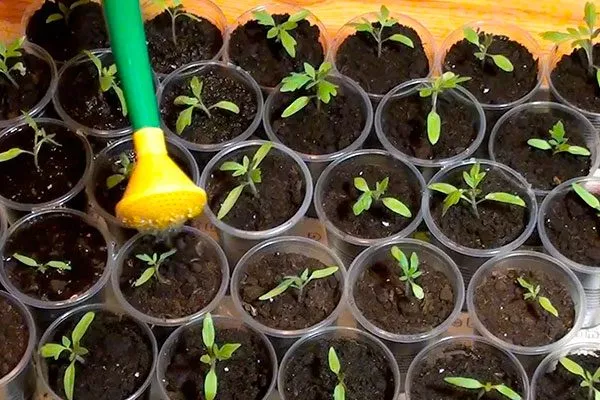
Features of caring for tomato seedlings Elya:
- Temperature. Until the seedlings sprout, maintain a room temperature between 23 and 25°C. Once germination occurs, lower it to 14 and 16°C to prevent them from becoming stunted. After 5-7 days, return the temperature to its previous level.
- Lighting. Immediately after germination, seedlings are provided with 24-hour lighting, including phytolamps. This is then reduced to 18 hours, and by the fourth or fifth week, to 11-12 hours.
- Watering. Before transplanting, water the seedlings 1-2 times a week, and after transplanting, 2-3 times. Use only warm water. Water only after the top layer of soil has dried.
- Top dressing. Fertilizing begins two weeks after picking. Before transplanting into the soil, the seedlings are fertilized twice. The first time, you can add nitrophoska (2 tablespoons per 10 liters of water), and the second time, superphosphate (1 tablespoon per 10 liters of water). It is recommended to combine fertilizing with watering.
- Picking. The seedlings are transplanted into individual containers when they have two true leaves. They are watered to make removal from the soil easier and are then transplanted into pots, after pinching the roots back by 1/3 of their length.
- HardeningBefore planting the seedlings in their permanent location, take them outside every day for two weeks to acclimate them to fresh air and improve their adaptability. The air temperature should be at least 12°C.
Transplanting
Seedlings are planted from mid-May to early June, depending on climate and weather conditions. For plastic-covered and polycarbonate greenhouses, planting occurs 2-3 weeks earlier.
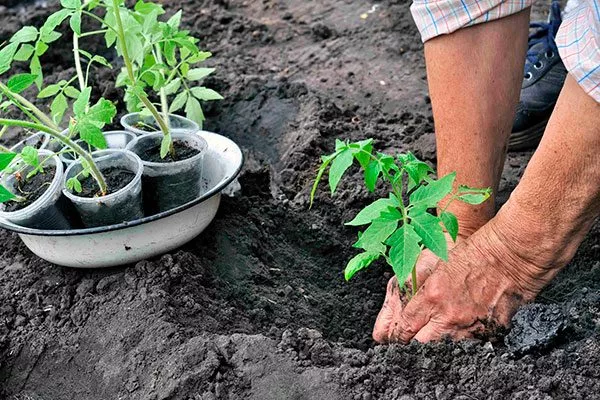
Features of planting tomato seedlings Elya:
- Dig holes for planting, either in a checkerboard pattern or in rows. The optimal layout for this variety is 50x40 cm.
- The holes should be 15-20 cm deep. They should be large enough to accommodate the seedling's root system or a peat pot, depending on what the seedling was grown in.
- An hour before transplanting, the seedlings are watered so that they can be easily removed from the planting containers.
- Place a little wood ash, crushed eggshells, onion peels and 1 teaspoon of superphosphate in each hole.
- A small amount of soil is added on top, the holes are watered, and after an hour, the seedlings are planted. They are transferred to the planting hole along with the root ball, using the transshipment method.
- To encourage the plant to form more additional roots, it is planted deeper than the level at which it grew in the pot.
- The roots are covered with soil, compacted, and then watered. Once the water has been absorbed, the soil is mulched with straw, compost, or simply dry soil.
Care Features
The Elya tomato requires standard care, including regular watering, fertilizing, and loosening the soil. The health and productivity of the plants directly depend on proper care.
Watering and loosening
The Elya tomato requires regular watering, the frequency of which in open ground depends on weather conditions and soil conditions. In a greenhouse, the amount and frequency of watering depend primarily on the plant's growth stage. In any soil, seedlings should not be watered for 7-10 days to promote root development.
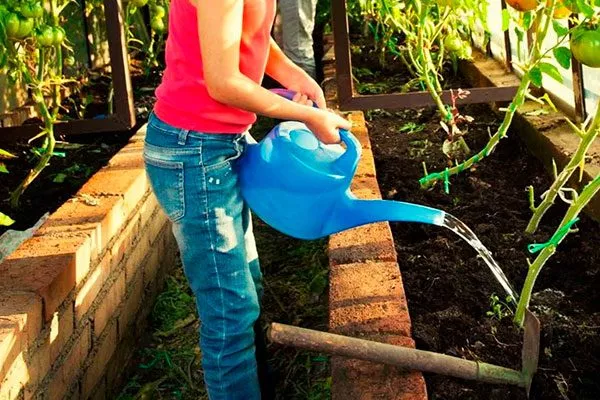
The soil should always be slightly moist, but not stagnant. On average, watering is 1-2 times a week; in hot weather, tomatoes should be watered more frequently. The water should be warmed in the sun and allowed to settle. The recommended watering rate during fruiting and ovary formation is 4-5 liters.
The soil is loosened the day after watering. Initially, the soil should be loosened to a depth of 8-10 cm, before the roots have time to develop. Subsequently, the soil should be loosened to a depth of 3-4 cm. This loosening ensures that the roots receive sufficient oxygen and also helps remove weeds.
Fertilizing
During the season, apply 2-3 additional fertilizers, the composition of which depends on the stage of vegetation. It is recommended to apply complex water-soluble mineral fertilizers to the Elya tomato.
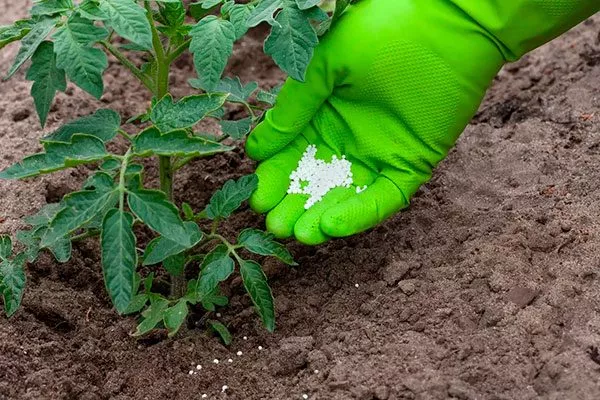
It is important to pay attention to the condition of the plant a few days after planting and respond appropriately:
- If the plants are weak, pale and thin, apply saltpeter or a universal fertilizer with equal content of nitrogen, potassium and phosphorus.
- If signs of magnesium chlorosis appear on the lower leaves, apply magnesium nitrate.
- To speed up the growth of green mass, yeast fertilizer is added.
- If the nights are cold, it is recommended to apply phosphorus fertilizer after planting.
During flowering and fruiting, tomato plants require phosphorus and potassium fertilizers. Potassium improves flower quality and fruit set, while phosphorus stimulates root development. Calcium supplements are also recommended—they prevent blossom-end rot and improve fruit structure.
Shaping and garter
Elya tomato bushes are trained with 1-2 stems. The stems are not very strong, so they need to be tied to a support; without it, the bush will simply fall to the ground.
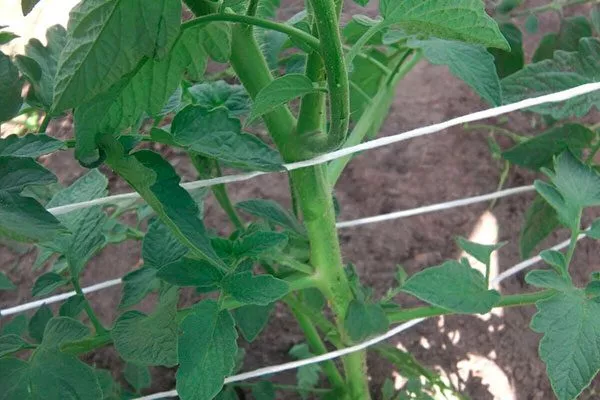
Stepchildren are removed from bushes after the first cluster has bloomed; the stepchildren are removed as soon as they grow to 5 cm in length.
Diseases and pests
The Elya tomato is resistant to many common diseases, but under unfavorable weather conditions and poor agricultural practices it can be affected by pathogens of various origins.
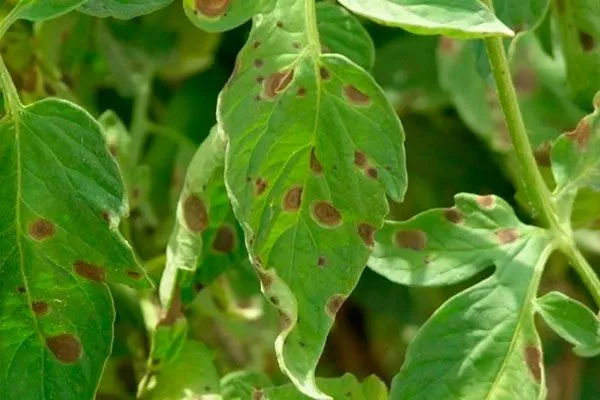
To prevent late blight and other diseases, preventative spraying with copper-containing solutions, such as Bordeaux mixture, copper sulfate, etc.
The Elya tomato is not susceptible to insect pests, but if they become widespread, aphids, cutworms, spider mites, and whiteflies may appear on the bushes. To combat these, insecticides such as Actellic, Karate, Confidor, and others are used.
Harvesting
Fruits for eating are harvested at biological maturity, when they turn red and are ready to eat. Unripe fruits are used for storage and transportation. Tomatoes are harvested with the stems attached; it's best to trim them with pruning shears rather than tear them off.
The harvested tomatoes are placed in shallow boxes, baskets, or other suitable containers. In rainy weather, tomatoes can be susceptible to late blight, so it's recommended not to wait until they reach biological maturity. It's best to pick them while they're still green and place them in a dry, semi-dark room to ripen.
Reviews
The Elya tomato is the perfect choice for lovers of classic red tomatoes. This variety's fruits are ideal for fresh eating and salads; their medium size, juicy flesh, and rich flavor make them an excellent choice for any gardener.