
Elf is an early-ripening hybrid characterized by high resistance to diseases and adverse conditions. The vegetables are small, red, but juicy and tasty, and are used in salads and preserves. The crop tolerates temperature fluctuations and drought, and can be grown in both raised beds and greenhouses, yielding excellent results even with minimal care.
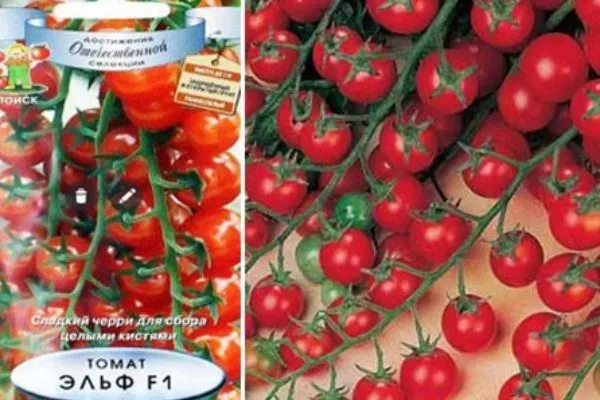
Description of the bush and fruits
Tall plants with unlimited growth reach 1.9-2 m. Without pinching, the tops continue to stretch.
Distinguishing characteristics:
- stems – strong;
- branches – compact;
- crown – dense, consists of dark green wrinkled leaves;
- inflorescences – simple, on articulated stalks;
- tomatoes - are formed in clusters, each of which contains up to 14-16 even vegetables;
- weight - about 15-17 g;
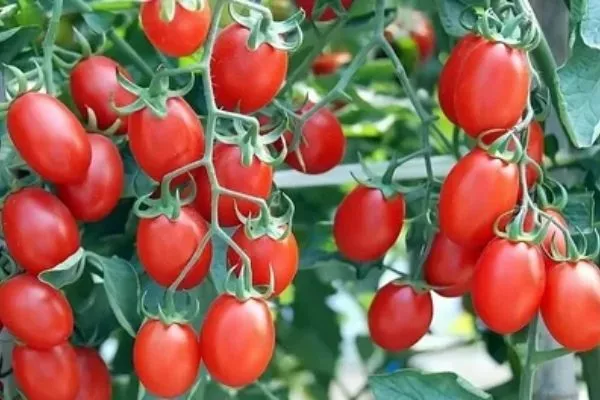
- configuration – round or oval;
- skin – smooth, dense, but not hard, protects against cracking;
- shade – At the stage of technical maturity, the fruits are light green, and when fully ripe they acquire a rich red color.
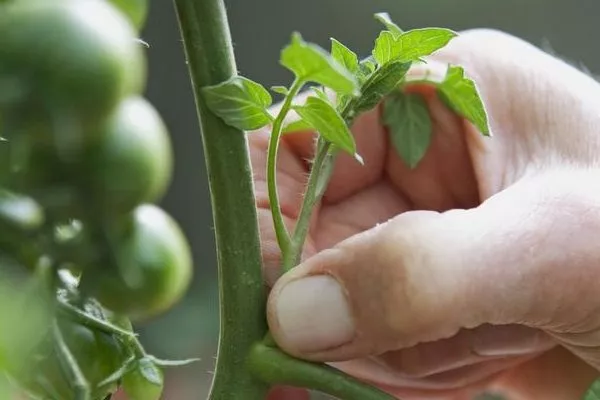
To achieve high yields, it is necessary to properly structure the bush, tie it up, and regularly remove side shoots.

Main characteristics
Miniature cherry tomatoes are renowned for their refined flavor and neat appearance, distinguishing them from larger varieties. Elf is one of the most popular hybrids, producing uniform, small tomatoes.
Origin and growing regions
The culture is the result of the work of Russian breeders of the agrofirm "Poisk": Gorshkova N. S., Tereshonkova T. A., Klimenko N. N. and Khovrin A. N. It was bred in 2014, and in 2015 it was included in the register of varieties permitted for cultivation in Russia.
The hybrid is primarily intended for greenhouses. However, in southern regions, the variety is successfully cultivated in open fields.
Ripening and fruiting, productivity
Elf is an early-ripening variety—the tomatoes ripen 90-95 days after germination. The first red tomatoes appear in early July, and the harvest continues until mid-August. This hybrid ripens evenly, so the tomatoes are harvested whole.
It's best not to leave overripe tomatoes on the vine, otherwise they may fall off. This hybrid demonstrates good productivity – with proper care, up to 5.2 kg of tomatoes can be harvested per square meter. They are easy to transport and have a short shelf life.
Scope of application
Tomatoes have firm flesh, and fully ripe ones have a slight crunch. They remain juicy and contain virtually no seed chambers.
Vegetables are versatile and are used for:
- pickling;
- fresh salads;
- snacks;
- food decoration;
- lecho.
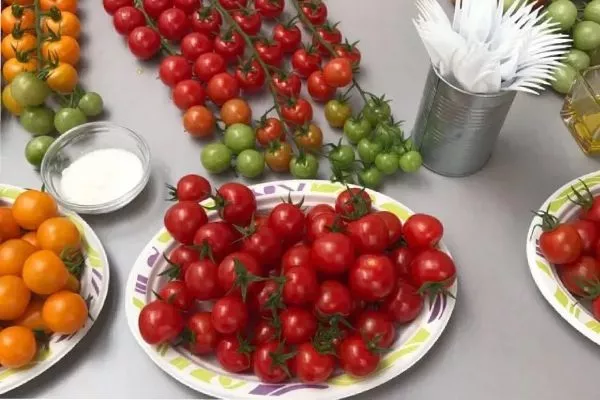
Tomatoes are not ideal for juice processing. This hybrid has excellent flavor: thanks to its high sugar content (6.8%), the fruits have a distinctly sweet taste with fruity notes in the aroma. In cool, open-field conditions, tomatoes can develop a sweet-and-sour flavor.
Growing and care
Elf requires minimal care and adherence to agricultural guidelines. This helps strengthen the plant's immunity and significantly improves productivity.
Sowing seedlings and transplanting to a permanent location
To ensure strong, high-quality seedlings, sow seeds in March, or at the latest in early April. If you sow seeds late, you risk the plants not producing a full harvest before the cold weather sets in.
- ✓ Optimum soil temperature for sowing seeds: +22-25°C.
- ✓ Required seeding depth: 1.5-2 cm.
- ✓ Distance between plants when planting: 40-50 cm.
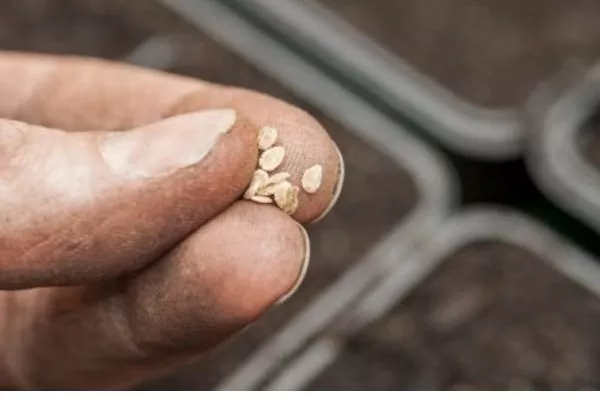
Helpful tips:
- If you didn't prepare the soil in the fall, you can use store-bought soil. A general-purpose mix will do, but specialized soil for tomatoes and peppers is preferable.
1-2 days before sowing, water it with a hot solution of potassium permanganate, bright pink in color - it destroys fungal spores and harmful microorganisms, saturates it with potassium and magnesium. - Purchased seeds do not require processing, but if you collect them yourself, soak them for 1-2 hours in a slightly pink solution of potassium permanganate, then dry them.
- For better germination, pre-germinate the seeds: wrap them in a damp cloth and keep at a temperature of about +20°C, monitoring the humidity level.
To increase tomato disease resistance and yield, harden off the plants by placing them in the refrigerator for 12 hours, then keeping them in a warm place for the same amount of time. Repeat this process 2-3 times. - When planting, plant the seeds 1.5-2 cm deep in moist soil, cover with plastic wrap, and place the container in a warm, bright location. Windowsills can be cold in March, so place foam or a blanket under the seedling containers. Ventilate the seedlings for 5-10 minutes daily.
- Two weeks after germination, when the seedlings have developed 2-3 true leaves, transplant them. When transplanting, plant the seedlings deep down to the cotyledons to prevent stretching and to promote a strong root system.
- Transplant the seedlings into open ground or a greenhouse 1.5-2 months after germination. Regardless of the growing location, choose the sunniest and warmest spot. The plant requires space, adequate light, and regular fertilizing.

Watering and fertilizing
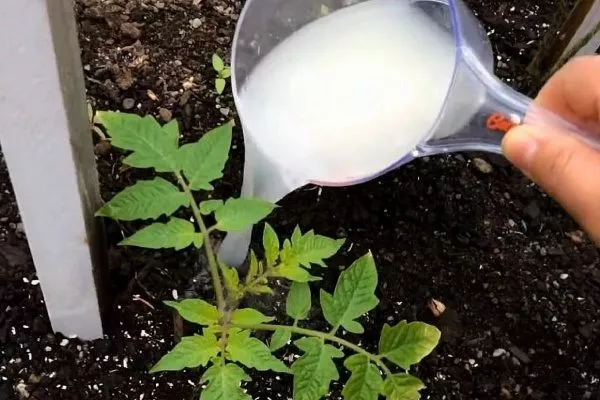
Moisten the tomato plants at the roots with warm water every 10-14 days, using about 10 liters per plant. After watering, be sure to ventilate the greenhouse to prevent excess moisture, which can negatively affect fruit set and create favorable conditions for disease development.
Fertilize the crop every 2-3 weeks. Apply the first fertilizer 14 days after planting the seedlings, using an infusion of mullein or fermented nettle. Select minerals specifically for tomatoes.
Bush formation
To ensure optimal air and light access, plant the plants in 2-3 stems. This is an important care step that guarantees a good harvest and high-quality fruit.
Follow the recommendations:
- pinch the growth point after the 5th brush with ovaries appears, leaving one leaf above it;
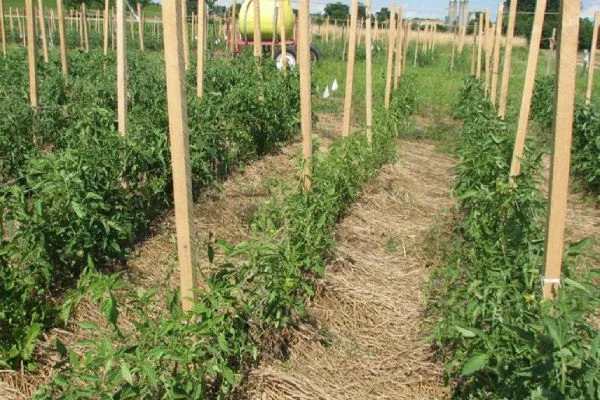
- start gartering a few days after planting the seedlings, then repeat every 10 days;
- remove excess flowers to encourage the formation of new ovaries;
- in greenhouses, pinch after the 7th bunch, which promotes abundant fruiting and allows the bush to grow up to 2 m;
- To increase the sugar content of the fruit and improve lighting, trim the lower leaves.
Soil care
After each watering or rain, loosen the soil to improve root aeration and prevent surface crusting. This helps the plant receive more oxygen.
Weeding is an essential agricultural practice. Remove weeds, as they can rob tomatoes of nutrients. They also create a favorable environment for the spread of diseases and pests. Regularly keep the beds clean.
Mulching is an effective way to maintain optimal soil moisture levels and prevent weed growth. Cover the soil with straw, peat, or compost to improve soil structure and provide plants with additional nutrition.
Harvesting
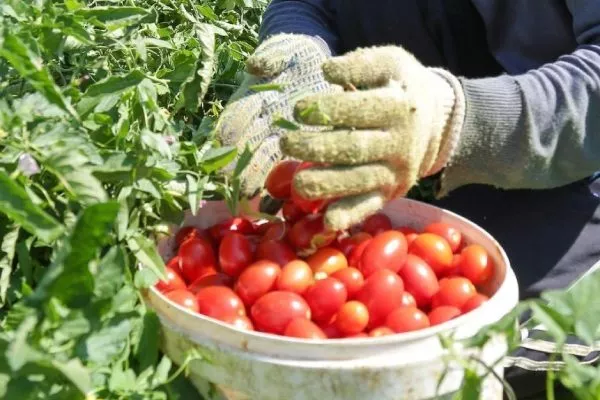
The Elf tomato plant produces fruit in waves, requiring regular plucking. Pick the tomatoes carefully to avoid damaging the vines. Repeat this process 2-3 times a week.
The final harvest occurs when temperatures are between 8-11°C. The harvest doesn't have a long shelf life, so it's best to consume the vegetables immediately or use them for preserves.
Pest and disease control
The crop is characterized by good resistance to diseases such as Fusarium wilt (a fungal tracheomycosis) and Cladosporiosis (brown spot), making it less susceptible to these problems. However, preventative measures are required.
Diseases and pests that can affect Elf tomatoes:
- Phytophthora. Causes wilting and rotting of fruits. Apply fungicides such as Topaz, Ordan, or Fundazol. Apply every 10-14 days, starting from the flowering stage until the end of the growing season.
- Blackleg. It attacks seedlings in the early stages and causes stem rot at the base. Fitosporin-M is effective – it reliably protects plants from fungal infections.
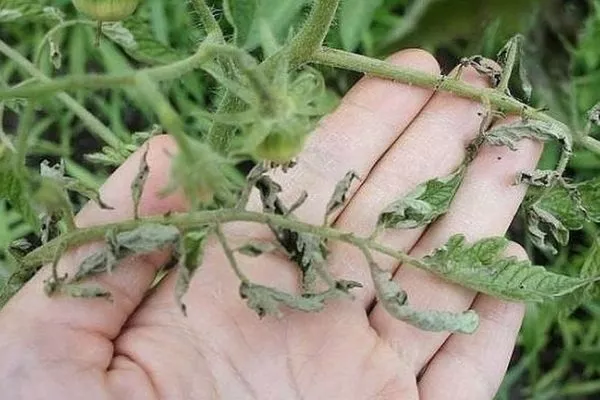
- Mosaic. It is accompanied by spotting and leaf curling. Since the disease is incurable, use healthy seeds and seedlings. Protection from insects that transmit the virus is important in preventing mosaic.
- Root and blossom end rot. They can develop due to improper irrigation or calcium deficiency. To prevent problems, maintain a proper watering regime and apply calcium-containing fertilizers, such as nitroammophoska.
- Aphid. The insect feeds on plant sap, weakening and causing wilting. The insecticide Iskra can help control these pests.
- Colorado beetle. It often attacks tomatoes, especially in greenhouses. Treat with Karbofos or Aktara, which kill both adults and their larvae.
- Spider mite. The pest causes leaves to turn yellow and dry out, and plants to become covered in a thin web. Spray them with Aktara.
- Whitefly. It feeds on tomato sap, weakening the plants. Confidor and Lepidocide can be used to control the pests.
Pros and cons
The Elfa bush is covered with large clusters of red fruits that are not only appetizing but also aesthetically pleasing. This hybrid has several key advantages:
- ✓ Resistance to Fusarium wilt and Cladosporiosis.
- ✓ High sugar content of fruits: 6.8%.
- ✓ Wave-like fruiting, requiring regular harvesting.
Reviews
Elf is an easy-to-grow hybrid that even beginners can easily grow. Its strong immunity and favorable environmental conditions make it an excellent choice for greenhouse or open-air gardening. Its early ripening and excellent transportability make it popular for both personal consumption and commercial cultivation.