
The Dzhur-Dzhur tomato is an interesting and promising hybrid with few leaves and abundant fruit. This Russian-bred hybrid is versatile in every way and can be successfully grown in various regions and in any soil type.
Description of the tomato Jur-Jur
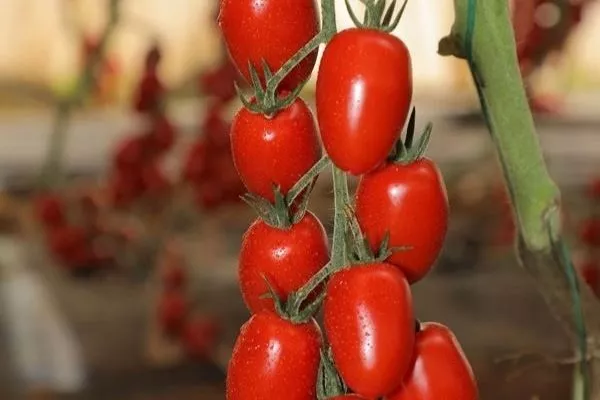
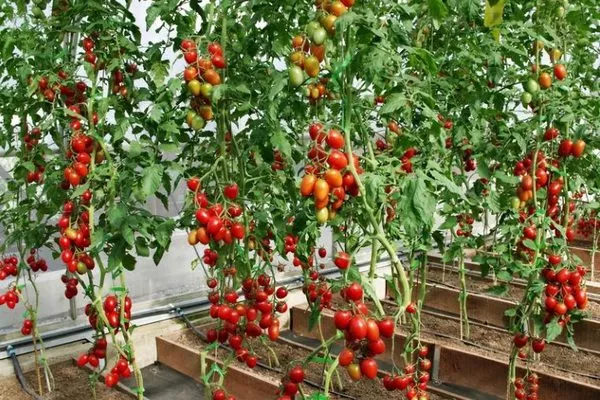
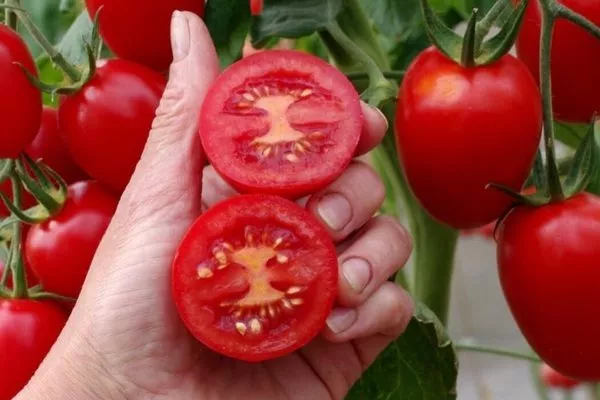
The Jur-Jur tomato is an indeterminate variety, with tall bushes that can reach up to 2 meters in height. The foliage is sparse. The leaves are green, standard, and medium-sized. The fruits are medium-sized, with 2-3 chambers. The tomato stalks are articulated.
Brief description of fruits:
- Unripe fruit color: light green.
- Color of ripe fruit: red.
- Form: obovate.
- Weight: 45-65 years
- Pulp: dense.
The first inflorescence appears on the 7th leaf, with subsequent inflorescences appearing 1-2 leaves apart. Each cluster produces 6 to 12 fruits.
The history of the Jur-Jur tomato
Tomato Dzhur-Dzhur is a hybrid bred by V. I. Blokin-Mechtalin (breeder and general director of the Agrofirm "Partner", author of many varieties and hybrids of different crops).
Characteristics
The hybrid variety Dzhur-Dzhur has excellent agronomic characteristics, allowing it to be grown in virtually all regions of the country—in open or closed ground.
Variety qualities:
- Ripening periods. It's a mid-early hybrid. It takes 100 to 105 days from germination to fruit ripening.
- Productivity. A high-yielding variety. An average bush yields 24-26 kg of fruit.
- Disease resistance. It is highly resistant to most nightshade diseases. It is resistant to verticillium wilt, fusarium wilt, and leafroll virus, and is tolerant to late blight.
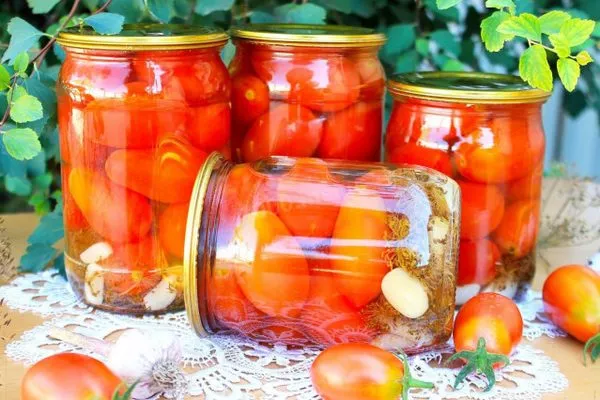
- Taste and use of fruits. The taste is excellent (read about other delicious and sweet tomato varieties Here). Tomatoes are versatile and suitable for fresh consumption, as well as for various preserves, including whole-fruit canning.
Pros and cons
The Dzhur-Dzhur hybrid, along with its advantages, also has a couple of characteristics that may seem critical to gardeners. In any case, it's best to learn about all the pros and cons before planting.
Pros:
Cons:
Landing
The Dzhur-Dzhur hybrid is grown using seedlings. The finished seedlings are transplanted into open ground. Whether to grow in a greenhouse or under plastic film depends on the gardener's preferences and the climate of the specific region.

Seed preparation
The Jur-Jur tomato is a hybrid, so you need to buy seeds; self-harvesting is not an option, as the plants will not retain their varietal qualities.
Site selection and preparation
The Jur-Jur tomato prefers well-lit, warm, draft-free, and wind-protected locations. When planting outdoors, choose sites close to fences or on the south side of buildings.
The hybrid will grow more productively in light, well-warmed, fertile loamy and sandy soils. It is not suitable for marshy areas or lowlands with waterlogged soils.
The Jur-Jur F1 tomato can be grown in the same spot for several years in a row. It grows best after cucumbers, onions, garlic, root vegetables, legumes, and green manure. It is not recommended to plant tomatoes after nightshade crops.
Selection and preparation of containers
Jur-Jur tomato seedlings can be grown in either shared or individual containers. In the former case, the seedlings will need to be transplanted (pricking out), while in the latter case, pricking out is possible. Suitable containers include plastic containers, 72x72x72 mm cell trays, peat pellets, or cups.
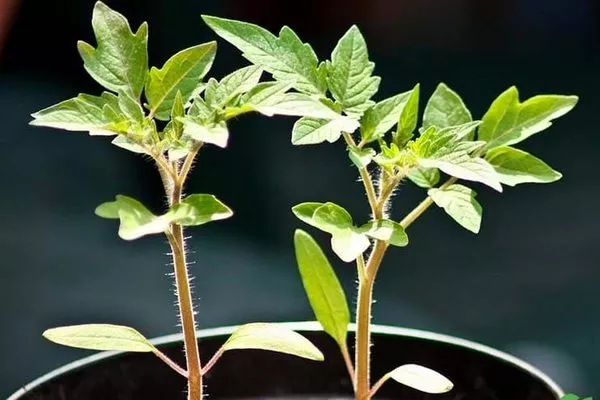
Containers for planting are thoroughly washed with hot water, and if they are to be used again, they are also disinfected, for example, with a solution of potassium permanganate or hydrogen peroxide.
Preparing the soil mixture
Seedlings are grown in store-bought soil or homemade. The former is easier but more expensive. The latter is more time- and effort-intensive, and you also need to know how to properly prepare the mixture.
It is important not only to mix the required ingredients in the correct proportions, but also to disinfect the resulting mixture—heat it in the oven or soak it in potassium permanganate or another antiseptic.
Approximate composition of soil mixture for tomatoes:
- Peat — 10 l. Has high moisture capacity.
- Sand — 10 l. Loosens the soil, improves its air permeability.
- Humus or compost — 10 l. Increases fertility.
- Wood ash — 1 l. Reduces acidity, enriches with potassium and microelements.
- Wood shavings — 1 l. Prevents soil waterlogging and root rot.
Vermiculite, perlite, or coconut fiber can also be added to the soil mixture for loosening. The resulting mixture should be loose and moist, with a slightly acidic or neutral reaction. Regular garden soil should not be used, as it can be overly acidic, salty, heavy, or infertile.
If you don't want to bother with preparing a potting mix, you can purchase ready-made seedling mixes at a local grocery store. These include "Dacha Recipes" garden soil with perlite, "Lyubo-Zeleno" seedling soil, "Fasco" biosoil with biohumus, "Ogorodnik" universal soil, and PETER PEAT "Hobby Line" tomato soil mix, among others.
Sowing seedlings
Prepared soil mixture or purchased substrate is poured into planting containers. Fill the containers or cups 3/4 full, leaving at least 1 cm to the top.
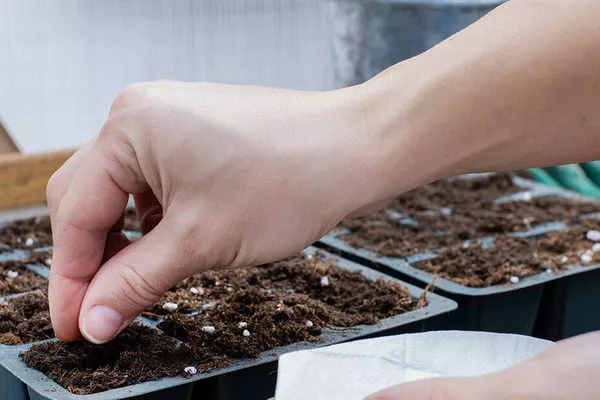
Features of sowing tomato Dzhur-Dzhur:
- The soil is moistened with a spray bottle and furrows or holes are made in it. Spaces of 4-5 cm are maintained between rows, and 2-3 cm between adjacent seeds.
- Cover the seed furrows with soil. The sowing depth should not exceed 1-1.5 cm. Moisten the seeds again with a spray bottle, using warm, settled water.
- Cover the containers or cups/pots with a transparent, translucent material, such as plastic film or glass. Place the seedlings in a warm room with indirect lighting. The optimal temperature at this stage is 22 to 25°C.
- The covering material is removed daily to ventilate the mini-greenhouse and prevent condensation. The soil is moistened if necessary.
As a rule, the first shoots appear after 4-7 days; as soon as they begin to emerge from the ground, the cover must be removed immediately, otherwise the sprouts will overheat and die.
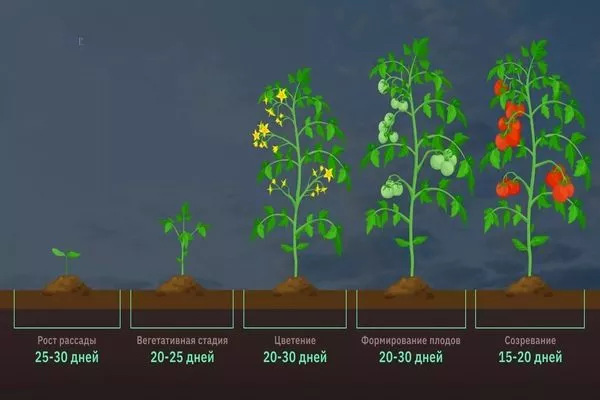
Growing seedlings
Growing strong and healthy seedlings requires constant monitoring and care. It's essential to monitor the temperature, provide the seedlings with light, water, and, after transplanting, fertilizer.
Features of caring for tomato seedlings Dzhur-Dzhur F1:
- As soon as the seedlings emerge, the room temperature should be sharply reduced to prevent the seedlings from stretching. For a week, it should be between 16 and 18°C during the day and 12 and 14°C at night. Then, the temperature is raised again to 20 to 22°C during the day and 16 to 18°C at night.
- Initially, seedlings require 24-hour light. After a week or two, reduce daylight hours to 16-18 hours, and after another couple of weeks, reduce to 12-14 hours.
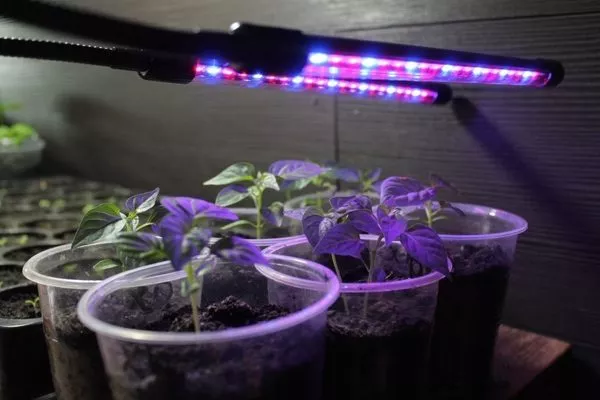
- Water the seedlings with warm, settled water. Water once a week before transplanting, and 2-3 times a week after. Watering should be done based on the condition of the topsoil—it should be dry.
- The seedlings are pricked out approximately 2–3 weeks after germination. By this time, the plants will have 2–3 true leaves. Prick the plants out into individual 350–500 ml containers.
When replanting, pinch the central root of the seedlings to encourage root branching. Water the seedlings, and once the soil settles, add more soil to the level of the first leaves. - After transplanting, tomatoes can be fertilized with mineral complexes designed specifically for seedlings. Repeat the feeding after two weeks. For more information on how to fertilize tomato seedlings, read on. Here.
Planting seedlings in the ground
Plant the Jur-Jur F1 tomato when the soil warms up to +10…+12°C and the air temperature reaches +16…+18°C. By the time of planting, the risk of recurrent frosts should be eliminated (or minimal).
Features of preparing beds:
- Prepare the soil in the beds 10-14 days before planting the tomatoes. Dig the soil to a depth of about 10 cm, breaking up clods with a shovel, removing weeds and their rhizomes, plant debris, and other debris.
- Add a loosening material to the beds, such as rotted sawdust, sand, or peat. Add organic fertilizers, such as humus or compost, at a rate of 3 liters per square meter.
- If the soil is acidic, wood ash or dolomite flour is added to it - from 0.3 to 1 kg per 1 sq. m.
- It is also recommended to treat the soil with an antifungal and antibacterial solution, such as a solution of copper or iron sulfate (50 g per 10 liters of water). However, it is better to use biological preparations, such as Fitosporin, which contains spores of beneficial phytobacteria that suppress pathogenic microflora, or Alirin-B or Gamair.
Stop watering the seedlings a week beforehand to allow a dense lump of soil to form, and water them generously 1-2 hours before transplanting into the soil to make it easy to remove the plant from the planting container.
The optimal age for planting seedlings is 55–65 days. They should be strong and healthy, with 6–8 true leaves, and a stem approximately the thickness of a pencil.
Soil preparation
Peculiarities of planting tomato seedlings
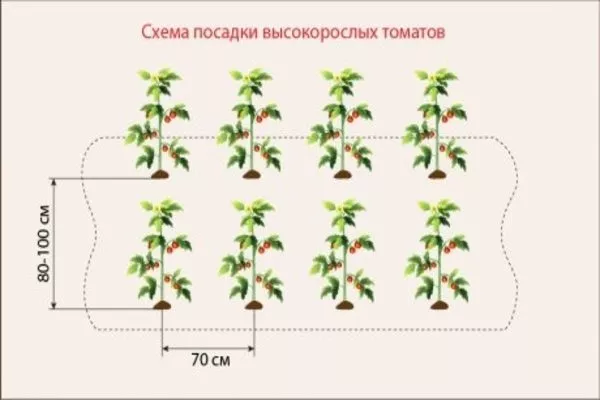
- Dig holes for planting. They should be deep and wide enough to accommodate the root ball.
- The distance between adjacent holes is 40-50 cm. No more than 3-4 plants are placed per 1 square meter.
- Add a couple of handfuls of compost or well-rotted manure to the bottom of the hole. Never use fresh manure, as it will burn the roots. You can also add a handful of crushed eggshells or onion skins, 1 tablespoon of superphosphate, 100-150 ml of wood ash, and 2-3 tablespoons of bone meal.
- Pour 2-3 liters of warm, settled water into the hole. After 0.5-1 hour, begin planting the tomatoes.
- The seedling is carefully moved into the hole—before the first true leaves appear—the roots are covered with soil, compacting the soil, and then watered again. Once the water has been absorbed, the soil is covered with dry soil or compost.
Features of planting in a greenhouse
The timing of planting tomatoes in a greenhouse depends on climate conditions and the type of structure. In unheated greenhouses, tomatoes are planted a couple of weeks earlier than in open ground. In temperate climates, planting in heated greenhouses can begin in April, as long as the temperature inside remains consistently above 18°C.
Care
The hybrid tomato Jur-Jur doesn't require any special care. However, due to its indeterminate nature, some maintenance (training, staking, etc.) is necessary.
Watering and loosening
Tomato Dzhur-Dzhur requires moderate watering, preventing over-watering and drying out of the soil.
Features of watering the tomato Dzhur-Dzhur F1:
- Cold water is not recommended for watering, as it stresses plants. The optimal temperature is around 20–25°C.
- Water is applied to the roots, being careful not to splash it on the leaves. The best irrigation method for tomatoes is drip irrigation.
- Before watering, check the condition of the soil; it should dry out to a depth of 1-2 cm.
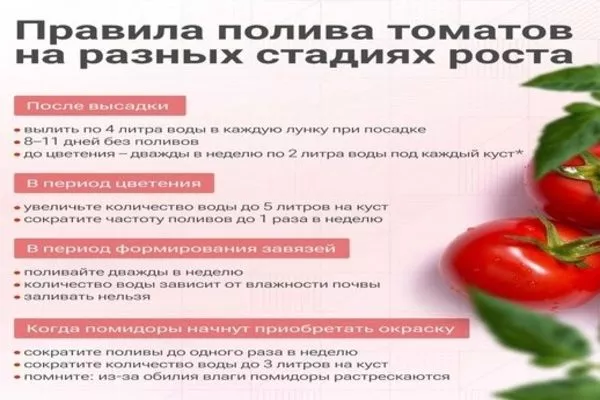
- Bushes especially need watering during flowering. During this period, watering becomes more frequent and abundant. On average, a bush requires 4-5 liters of water.
- Watering frequency depends on air temperature, soil moisture, soil type, and other factors. On average, tomatoes are watered once or twice a week.
- During the fruiting period, the frequency and volume of watering are reduced to prevent the fruits from cracking.
In greenhouses, tomatoes are watered according to the greenhouse microclimate. Despite the high humidity, the soil dries out quickly because rainwater is inaccessible in the enclosed space.
To ensure free air access to the roots, the soil is loosened after watering. The soil should still be slightly moist, but not waterlogged. After loosening, the soil can be mulched with humus or peat—these not only protect the soil from drying out but also enrich it and slow weed growth.
Fertilizing
Tomatoes need to be fertilized 3-4 times per season (after planting in the ground or greenhouse). The fertilizer composition depends on the growing season.
Approximate feeding regime:
- Two to three weeks after planting in the permanent location, apply fertilizers containing nitrogen and phosphorus. For example, urea and superphosphate are recommended. Complex fertilizers such as Fertika, Aquarin, and others can also be used.
- During the flowering and fruit formation stages. To stimulate flower cluster formation and fruit set, tomatoes are fertilized with compounds containing nitrogen, phosphorus, and potassium. You can also supplement the tomatoes with fertilizers such as chicken manure, superphosphate, and potassium sulfate.
- During fruiting, to improve the taste of tomatoes. During this period, the fertilizer should not contain nitrogen, only potassium and phosphorus. Monopotassium phosphate, for example, is suitable.
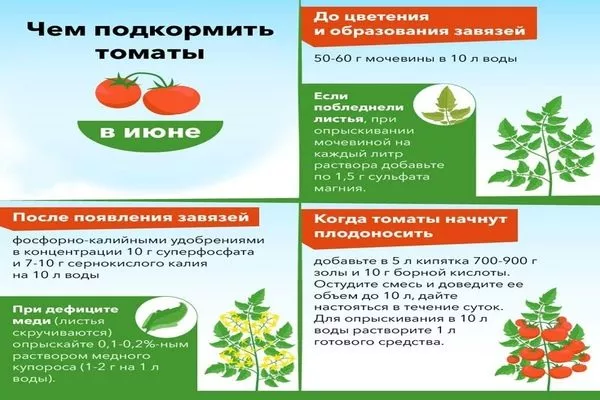
The frequency of fertilizing can be quite high, for example, every 2 weeks - this will help maintain the health of the bushes and increase their yield.
Pest and disease control
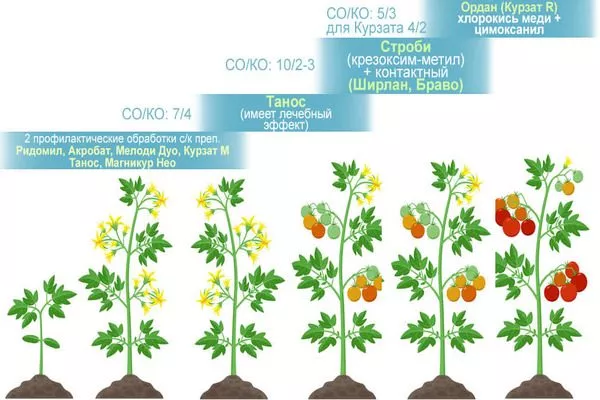
The hybrid is very resistant to many common diseases, but under unfavorable circumstances it can be affected late blight etc. Biological preparations, such as Sporobacterin and Trichodermin, help prevent damage and help the plant in the early stages of the disease.
In case of severe damage, tomato plants can be treated with fungicidal preparations, such as Quadris, Ridomil Gold, etc. You can also use folk remedies, such as wood ash infusion, baking soda solution, etc.
The Dzhur-Dzhur tomato can be affected by aphids, whiteflies, spider mites, cutworms, and other pests that attack nightshade crops. Preventative measures and chemicals, such as Batrider and Biotlin, are used to control them. However, these are used only as a last resort; biological products such as Bitoxibacillin and Lepidocid are preferred.
Harvesting and storage
Dzhur-Dzhur tomatoes are harvested when ripe. They are carefully separated from the cluster, each containing up to 12 fruits. The tomatoes are removed from the stalk, which is jointed and easily separated. Overripe tomatoes should be avoided, as these will not store well.
Harvested tomatoes are stored in a dark place at room temperature. The fruits retain their flavor and marketability for a long time, remaining fresh for a long time.
Reviews
The Jur-Jur tomato is a productive and hardy hybrid that will appeal to lovers of small, plum-shaped tomatoes. This hardy tomato will provide a bountiful harvest and pose no growing challenges. This hybrid is ideal for sale, processing, and other purposes.