
The Gina tomato has become a favorite of many gardeners due to its low maintenance and high productivity. It requires little care: no pinching or staking is necessary. The tomatoes boast excellent flavor and are suitable for both fresh eating and canning. The plants are resistant to most diseases and pests.
Historical facts
Gina is the result of breeding work by Dutch specialists. Crossing dwarf and large-fruited varieties produced a stable and reliable hybrid. It is successfully cultivated in a variety of climates across Europe and Asia.
In 2009, the variety was added to the Russian state register. The bushes have been adapted by domestic breeders for cultivation in all regions of the country.
Description of bushes and fruits
The plant is a seed-type determinate plant, reaching a height of up to 70 cm. Main features:
- The bushes have a spreading habit, medium branching, and moderate density. They are typically formed from two to three trunks growing directly from the root.
- The stems are strong, but due to the heavy fruits they require tying to a support.
- The plant's well-developed root system allows it to thrive even in poor soils. This variety requires no pinching.
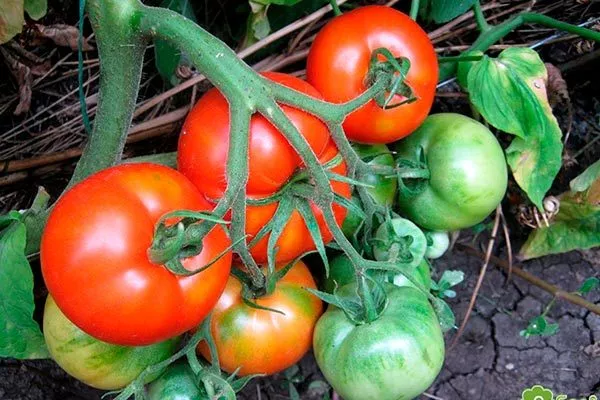
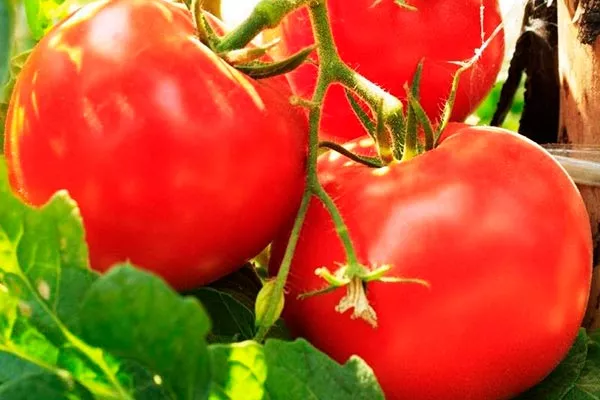
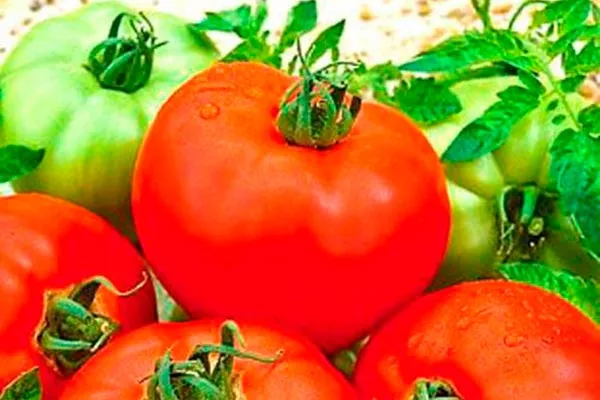
- The tomatoes are round in shape with subtle ribbing and orange-red in color when ripe.
- The weight of tomatoes varies from 190 to 210 g, and when grown in greenhouses it reaches 300-350 g.
- The skin is dense and glossy, protecting the fruit from cracking and ensuring easy transportation.
Key characteristics of the variety
Every gardener has their own tried-and-true favorite tomato varieties, which they grow season after season. But there are some varieties that will impress anyone. One such variety is the mid-season Gina tomato.
Taste and uses of tomatoes
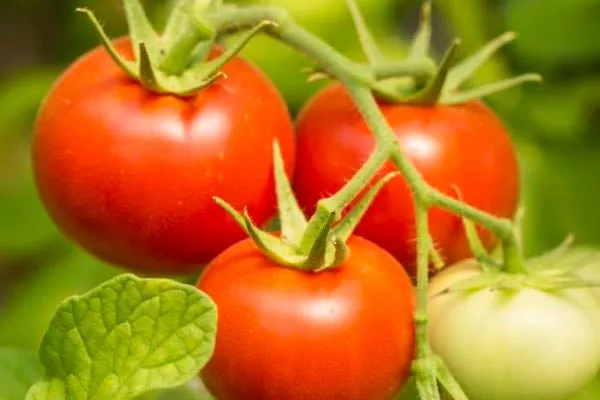
The fruit has a rich flavor, with a distinct tomato flavor, a dominant sourness, and a hint of sweetness. The flesh is juicy, meaty, and aromatic.
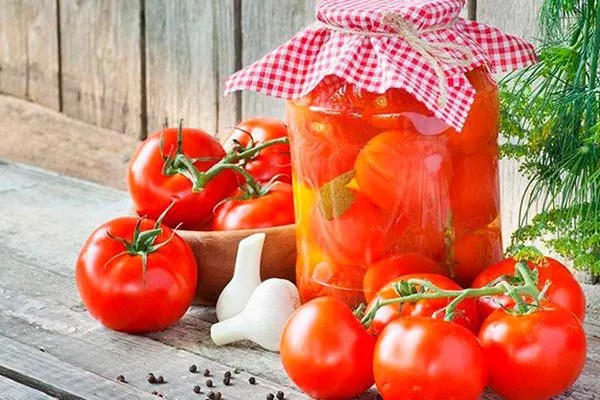
This versatile variety is suitable for fresh eating, canning, and pickling. The tomatoes are also used in sauces, juices, and dressings, where their flavor and distinct aroma are particularly noticeable.
Ripening, fruiting, sowing and transplanting times
Gina is a mid-season tomato in the nightshade family. It takes 110-115 days from germination to full ripening. The fruiting period extends from July to September, ensuring a long period of fresh, flavorful tomatoes.
- ✓ Optimum soil temperature for sowing seeds: +22-25°C.
- ✓ Seed sowing depth: 1-2 cm.
Seeds for seedlings are sown from mid-March to early April, 60-65 days before planned planting. This variety is heat-loving, so planting outdoors occurs in early June, after the last frost and when the soil has warmed sufficiently.
Productivity and ways to increase yields
If proper agricultural practices are followed, up to 10 kg of tomatoes can be harvested per square meter per season. However, weather conditions can affect productivity.
There are several ways to increase yields. Follow these recommendations:
- Remove excess leaves to prevent them from shading the bush. This improves light and photosynthesis.
- Trim lateral roots to develop a strong root system - this will improve the nutrition of the above-ground part of the plants.
- Pinch the tops, which helps stimulate the growth of lateral shoots and increase the number of fruiting branches.
- Remove shoots from the leaf axils to prevent nutrients from being wasted on their development.
To direct resources towards the development of already formed tomatoes, by the end of the season, pick off unformed flowers.
Required climatic conditions and regions
Seed crops are sensitive to sudden temperature fluctuations. A drop in temperature can lead to seedling frostbite, while heat and drought reduce the number of ovaries.
Create a suitable environment for the bushes:
- Ensure proper watering regime.
- Monitor humidity as too much can reduce the sugar content of tomatoes.
- The optimal temperature for growth and fruiting is from +12 to +30°C.
The variety is suitable for cultivation in all climate zones of Russia. In the southern regions, it is grown in open ground, while in temperate and northern climates, greenhouses are preferred. Gina is in demand in Ukraine and Moldova, and is also popular in Asia and Europe.
Varieties – Gina TST: What are the differences?
| Name | Ripening period | Disease resistance | Bush type |
|---|---|---|---|
| Gina | 110-115 days | High | Determinant |
| Gina TST | 100 days | High | Determinant |
Gina TST is a hybrid version that has attracted attention due to its unique characteristics. Key features:
- The bushes are early maturing and highly productive: the first fruits appear just 100 days after sowing.
- Ripe tomatoes are bright orange in color, have excellent flavor, and are resistant to cracking.
- The tomatoes are small, weighing from 100 to 190 g.
The culture does not require garters, pinching or shaping.
Seedling method
This cultivation method is particularly popular and is used even in warmer regions. It allows for the majority of ripe fruits to be obtained earlier than with seed propagation.
Preparation
Before sowing seeds and growing seedlings, it's important to do some preparatory work. This includes several key points:
- Seed preparation. To improve germination and protect planting material from diseases, disinfect the seeds. To do this, soak them in a potassium permanganate solution for 10-15 minutes (1 g per 1 liter of water), then rinse under running water. Sort the seeds, discarding any empty or damaged ones.
- Selection and preparation of soil. Seedlings require light, nutritious, and breathable soil. A mixture of peat, humus, and sand works well. Add a little wood ash to improve the structure and prevent diseases.
Warm the soil to prevent the introduction of harmful microorganisms. To do this, bake it in the oven or pour a hot solution of potassium permanganate over it.
Use containers with drainage holes to ensure good water drainage. Plastic boxes, pots, seedling trays, or peat pellets are suitable. Containers should be clean to prevent the spread of infections.
Sowing seeds and growing seedlings
Sow seeds 1-2 cm deep, spacing them 2-3 cm apart to avoid crowding. Follow these recommendations:
- Use the "surface" sowing method, meaning carefully spread the seeds and cover with a thin layer of soil. To improve germination, lightly compact the soil after sowing.
- Cover the container with film or glass to create a greenhouse effect, which will help maintain optimal humidity and temperature.
- The seeds will begin to germinate at temperatures around 22-25°C. Once the seedlings emerge, reduce the temperature to 18-20°C during the day and 15°C at night to prevent the plants from stretching. Maintain soil moisture, but avoid stagnant water.
- Moisten the seedlings with warm, settled water. Water sparingly to avoid waterlogging in the containers. Apply the liquid to the tray or around the edge of the container to avoid damaging the delicate roots.
- If there's insufficient light, use grow lights. Optimally, 12-14 hours a day.
When the seedlings have 2-3 true leaves, thin them out. To do this, transplant the plants into separate containers. This promotes root development and prevents crowding.
Transfer
Transplanting seedlings into open ground or a greenhouse is an important step, determining their health and future development. Follow these guidelines:
- Ten to fourteen days before transplanting, begin hardening off the seedlings, gradually acclimating them to cooler temperatures and direct sunlight. To do this, take them outdoors and place them in the shade for a few hours, gradually increasing the time spent outdoors and the amount of sunlight.
- Prepare the soil in the garden bed or greenhouse: dig it up, fertilize it with organic or mineral compounds, and create the desired structure based on the soil type.
- Transplant the seedlings to their permanent location when they reach a height of about 15-20 cm and have developed a sufficiently strong root system (usually 60-65 days after sowing). The recommended distance between plants is 40-50 cm to ensure good air circulation and growing space.
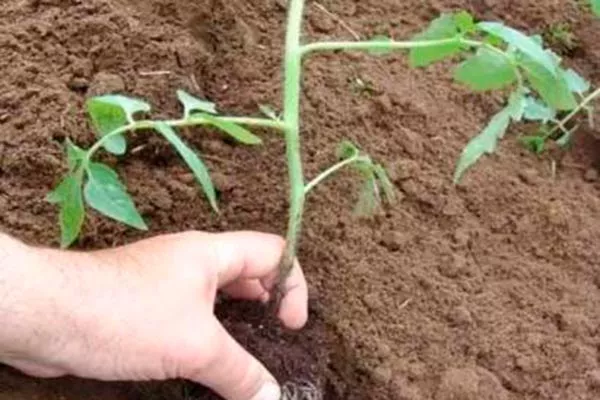
Carefully remove the transplanted seedlings from the container, being careful not to damage the roots. Place them in the prepared holes, carefully cover them with soil, and moisten them.
Seedless cultivation method
This method is used on warm soils, after pre-soaking the seeds. The planting site should be well-lit.
Step-by-step instructions:
- Dig small holes (no more than 2 cm) or make furrows.
- Sprinkle the soil with a small amount of wood ash.
- Place the seeds in the depressions.
- Sprinkle with soil.
- Water the soil thoroughly.
To prevent the soil from drying out, create a cover from film or agrofibre.
Care instructions
Caring for your tomatoes is crucial, as it affects your yield. By following standard farming practices, you'll be able to produce high-quality tomatoes throughout the season.
Watering and soil cultivation
Tomatoes, like other nightshades, require stable soil moisture, and the Gina variety is no exception. Water the plants during the following periods:
- When the top layer of soil begins to dry out.
- During flowering – at least twice a week.
- During the period of tomato formation, water every two days.
If the air temperature exceeds 28°C, water daily. Depending on the soil condition and temperature, use 0.5 to 1 liter of water per plant.
Soil cultivation is an important step in tomato care, helping to maintain optimal conditions for growth and fruiting. Key procedures include:
- Loosening. This process helps provide roots with oxygen, improving the soil structure and preventing crust formation. Regularly loosen the soil to a depth of 3-5 cm to avoid damaging the root system. This process allows the roots to develop well and effectively absorb water and nutrients.
- Mulching. Cover the surface around the plants. Mulch can be organic (shredded grass, straw, compost) or inorganic (agrofibre). This reduces moisture evaporation from the soil, prevents weed growth, stabilizes soil temperature, and improves its structure.
- Weeding. This is the process of removing weeds that can clog the space around the bushes and compete for water, light, and nutrients. Do this at the beginning of the growing season.
Weeds can be a source of pests and diseases, so removing them promptly helps prevent potential problems.
The right combination of loosening, mulching and weeding promotes healthy tomato growth, improves yields and reduces the risks associated with pests and diseases.
Fertilizer
Various fertilizers are used for nightshade crops. The most effective for Gina tomatoes are:
- Emerald;
- Ideal;
- Humate-Universal;
- Green manure;
- various types of organic fertilizers.
Before planting, thoroughly water the plants with settled or rainwater. The best time is early morning or late evening, when the air temperature is cooler and nutrient absorption is more efficient.
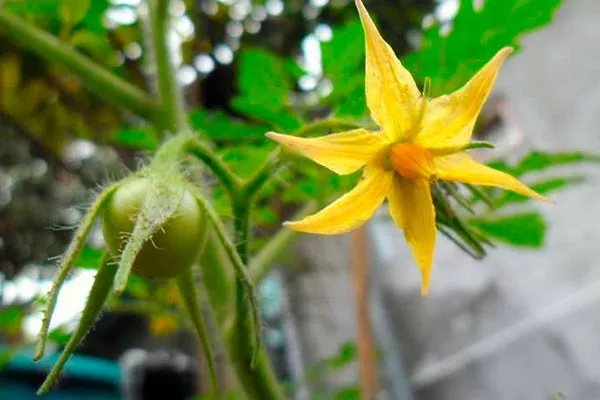
Fertilize the bushes one by one according to the following scheme:
- two weeks after transplanting the seedlings into the ground;
- 10 days after the first feeding;
- two weeks after the second nutrient application;
- 20 days after the previous event.
Shaping and tying bushes
The Gina variety's selective breeding allows it to thrive without shaping or staking. Its strong, compact shoots can withstand weight, and, in the case of large fruits, they can touch the ground, helping to retain moisture for the root system.
In regions with excessive rainfall, it is recommended to secure shoots. This will help prevent diseases caused by high humidity and moisture.
Disease and insect control
The Gina variety is characterized by high disease resistance. However, it may be susceptible to certain pests:
- Aphid. An insect that feeds on plant sap, slowing its growth and development. This leads to a halt in flowering and a decrease in the setting of new fruits. Aphids are carriers of viral and fungal diseases. The main signs of damage are yellowing and curling of leaves.
To combat the pest, use chemicals such as Biotlin, Askarin, and Iskra. Preventative measures include burning plant debris, tilling the soil in the fall, and spraying the area with Karbofos in the spring.
When treating with chemicals, it is important to first remove all tomatoes from the bushes, including ripe ones and those that are just beginning to turn red. - Colorado beetle. Its larvae can destroy a bush in just 18-20 days by eating the foliage. Control of the pest requires systematic measures: hand picking, regular soil loosening, and autumn digging.
Effective chemical treatments include Mospilan and Prestige. Alternative methods include planting beetle-repellent plants along the garden beds and around the perimeter of the plot, such as calendula, nasturtium, and garlic. - Mole cricket. The insect destroys the root system, which can lead to disease or even death of the bushes. Affected plants wilt, and the leaves turn yellow and fall off.
Zemlin and Medvetox can help combat mole crickets. Apply them to furrows dug around the area. After applying the granules, moisten them thoroughly.
For maximum crop protection from pests, use a comprehensive approach: a combination of chemical and folk remedies, autumn soil digging, and burning plant debris after harvesting.
To prevent diseases, it is sufficient to carry out regular treatments with the following preparations:
- Trichodermin;
- Gaupsin;
- Fitosporin;
- Quadris;
- Ridomil Gold;
- Bordeaux mixture;
- copper sulfate.
Treatments will help prevent infections and maintain crop health throughout the growing season.
Pros and cons
The Gina tomato boasts a number of impressive qualities that have made it popular not only in Russia but also in Europe and Asia. Here are its key advantages:
Among the disadvantages, gardeners note that the bushes do not tolerate sudden temperature changes well, which should be taken into account when growing them in variable climates. Gina has no other significant drawbacks.
Reviews
The Gina tomato is an ideal choice for those who value minimal effort when growing. It requires little attention, yet produces a consistent harvest of large, tasty fruits. The variety is disease-resistant and ideal for a variety of uses. Every year, this variety is becoming the choice of more and more gardeners, both experienced and novice.