
Dubrava tomatoes are medium-sized, making them ideal for canning and using in fresh salads. The compact, low-growing bushes make them suitable for growing in small spaces. This variety is characterized by early ripening, excellent productivity, and a long shelf life. It's important to understand the growing process.
History and regions of cultivation
Developed in 1993 by scientists from the Federal Scientific Center for Vegetable Growing. A. Agapov, A. Alpatiev, R. Skvortsov and L. Gurkina worked on the creation of the variety. In 1997 it was entered into the state register.
Dubrava is recommended for open-field cultivation, although it is also suitable for greenhouse conditions. The Central and Volga-Vyatka regions are the most favorable for tomato cultivation, but the crop also thrives in other regions.
Description of the bush and fruits
The plants are determinate, vigorous, and densely foliated. Bushes reach 40-60 cm in height, depending on climate, soil quality, and care. They can grow taller in greenhouse conditions.
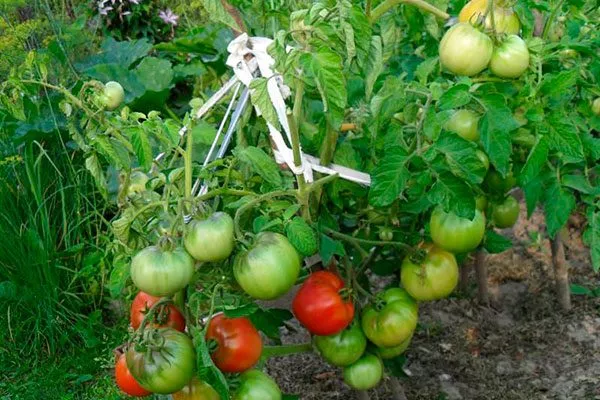
Other distinctive characteristics:
- The leaves are light green.
- The tomatoes have a round shape and their weight varies from 50 to 100 g.
- The pulp is dense, with a pleasant sweet taste and slight sourness.
The Dubrava variety was originally bred as a table variety, intended for fresh consumption. However, it has proven itself to be a versatile vegetable. The vegetables are excellent for salads and canning, especially pickling: they don't crack and retain their vibrant color, remaining appetizing in jars.
Thanks to their dense flesh, tomatoes are suitable for drying. To prepare them, the fruits are seeded, sliced, and dried in a vegetable dehydrator. This method of preserving is considered relatively new and allows for increased sweetness by concentrating the sugars in the fruit.
Main characteristics
Each tomato variety has unique qualities that help gardeners make the right choice. Dubrava deserves attention thanks to its excellent varietal characteristics:
- It is an early-ripening variety: in warm regions, the first fruits begin to ripen on the 85th day after the emergence of full shoots; in cool conditions, this period increases to 105 days.
- Productivity is excellent, but varies by region. In the central region, yields range from 133 to 349 centners per hectare. In the Volga-Vyatka region, yields reach 224 to 551 centners per hectare.
- Resistant to diseases, including late blight, which can affect vegetative mass.
- The oak grove is characterized by its flexibility: the bush is able to develop and form fruits even under unfavorable conditions – drought or high humidity.
- An additional advantage is that there is no need for pinching, which greatly simplifies care.
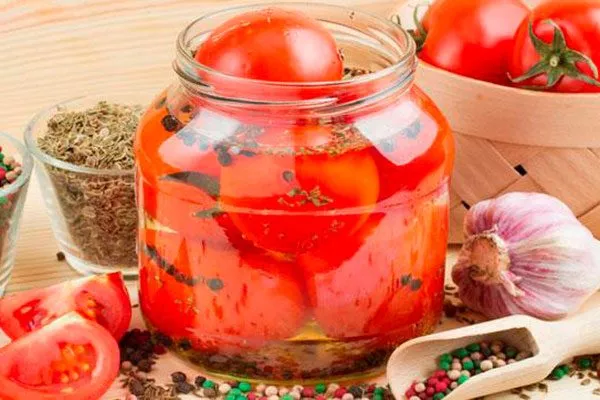
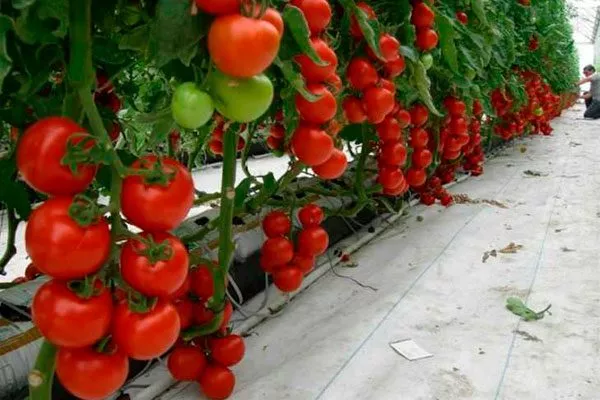
The fruits have excellent shelf life: when stored properly, they retain their marketable appearance for up to 1.5 months. They withstand long-distance transportation well, remaining attractive and edible.
Planting tomatoes Dubrava
Oak grove thrives in garden beds, greenhouses, and even indoor pots. This variety is heat-tolerant but frost-tolerant. Freezing soil can kill seedlings. The minimum acceptable growing temperature is 5°C.
Planting dates, site selection and preparation
If you plan to plant purchased seedlings, the planting time depends on the climatic conditions of the region, usually the end of April or the beginning of May.
Follow these recommendations:
- When growing Dubrava tomatoes from seeds yourself, start sowing at the end of March.
- Sow seeds indoors or in a greenhouse. Within 4-6 weeks, the plants will be strong enough to be transplanted outdoors.
- Use loose, fertile soil that is completely free of pests.
- The best choice is soil where zucchini, beans or greens were previously grown.
Disinfection and treatment of seeds
Before sowing Dubrava tomato seeds, disinfect and treat them to increase germination, improve disease resistance, and ensure vigorous plant development.
Follow the recommendations:
- Place the seeds in a 1% potassium permanganate solution for 20-30 minutes. This procedure will kill most pathogens that may be present on the surface of the planting material. After treatment, rinse the seeds in clean water and dry them.
- Warm the seeds for several hours at a temperature of +50…+55°C to activate biochemical processes.
- To improve germination, soak the seeds for 6-12 hours in solutions of growth stimulants - Zircon, Epin or Humate.
- To increase resistance to temperature fluctuations, harden the seeds. To do this, soak them in room-temperature water for 12 hours, then place them in the refrigerator for 12 hours (at a temperature of +1 to +3°C). Repeat this process 2-3 times.
- For additional nutrition, treat the planting material with a solution of boric acid (0.2 g per 1 liter of water) or wood ash (2 tbsp. per 1 liter of water, leave for 24 hours).
These preparatory measures will help grow healthy seedlings and ensure the active development of tomato plants.
Sowing and growing seedlings
Plant the prepared seeds in peat-humus soil, burying them to a depth of 2 cm. Moisten the soil with a spray bottle. To prevent seedling rot, ensure drainage holes are provided to allow excess moisture to drain away.
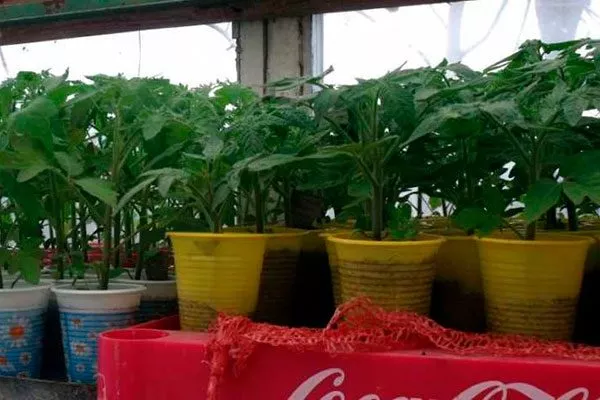
Cover the seedling containers with glass or film and place them in a well-lit area with a temperature of 18-25°C. Water as needed, using only warm, settled water.
Prevention of sprout elongation, picking and hardening of seedlings
The first shoots will begin to appear about a week after sowing. To prevent the shoots from stretching, maintain a daytime temperature of around 15°C and a nighttime temperature no higher than 12°C. After a week, return the seedling trays to a warmer location.
Prepare seedlings for planting in the garden:
- Dive the plants into separate 500 ml containers as soon as 2-3 true leaves appear on the seedlings.
- During the first two weeks after transplanting, seedlings require regular and moderate watering. This stage promotes the development of a strong root system.
Two months after germination, begin hardening off the seedlings. First, reduce watering and lower the room temperature. Then, take the seedlings outside for a few minutes at a time, gradually increasing the time spent outdoors.
Planting in open ground
To get a good harvest of Dubrava tomatoes, you need to choose the right planting location. Follow these guidelines:
- Plant the crop where cucumbers, lettuce, carrots, cabbage, beans, onions or greens were grown in the previous season.
- Give preference to a well-lit place with warm soil.
- The soil should be loose, nutritious, and allow good aeration to the roots. It's best to keep the area protected from wind and drafts.
- Before planting seedlings, dig the soil, remove weeds and their roots, and apply organic or mineral fertilizer. Plant the seedlings only after the threat of frost has passed and the soil has warmed to a depth of 15 cm.
- Place the bushes according to the standard pattern for compact determinate plants – 40×60 cm.
- Before planting, water the holes with a solution of potassium permanganate to disinfect and protect the seedlings from infections.
- Plant tomatoes deep enough so that the first leaves are 2 cm above ground level, which promotes the development of a strong root system.
- Avoid watering for the first 7-10 days after planting to allow the plants to adapt to their new location. Once the plants have established themselves and their leaves no longer look limp, begin watering.
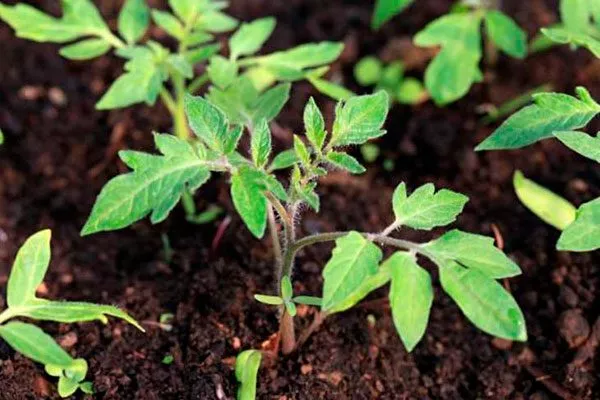
If the sun is too strong, temporarily shade the seedlings. After rooting and new leaves emerge, shape the bush, removing excess shoots and leaving 2-3 stems. This increases yield and prevents overcrowding.
Caring for Dubrava tomatoes
Caring for tomatoes involves simple agricultural practices. The low height of the bushes eliminates the need for staking or pinching. However, it's important to regularly remove weeds from the beds and loosen the soil regularly.
Watering, weeding and fertilizing
Don't water the bushes daily; instead, water when the top layer of soil is slightly dry. Morning or evening is best. Use mulch to reduce moisture evaporation.
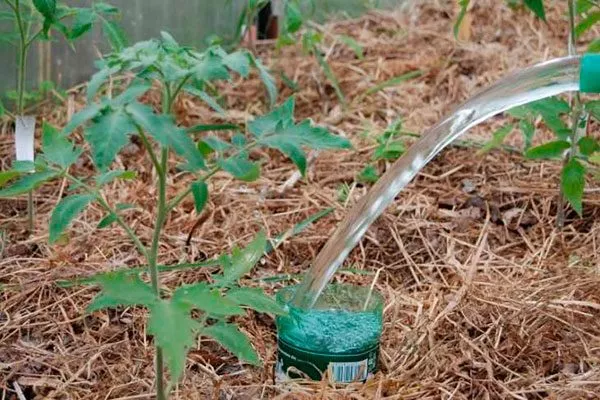
Provide proper soil care:
- After watering, perform shallow loosening to improve soil aeration and oxygen supply to the roots, preventing the formation of a soil crust. Loosen the soil to a depth of 10-12 cm the first time, then to a depth of 5 cm.
- Regular weeding is also crucial. Clean, weed-free soil is essential for healthy tomato plants. Weeds can harbor fungal spores that cause disease. Weed regularly, preferably after every watering.
Frequent nitrogen fertilization can lead to excessive vine growth, exhausting the plant and reducing yield. Phosphorus and potassium are essential for tomatoes throughout the growing season. Apply phosphorus-potassium fertilizers every two weeks.
Signs of nutrient deficiency
Sometimes the leaves of seedlings or mature plants may turn yellow. There are several reasons for this. The sooner the problem is addressed, the better the harvest.
Main problems:
- Yellowing with red veins on the lower leaves – A sign of nitrogen deficiency. To correct the situation, apply liquid nitrogen fertilizer. One application is sufficient.
- Yellowing with spots and leaves curled upwards – zinc deficiency. Use Izgari Zinc solution to correct this deficiency.
- Yellowness with a whitish tint - indicates an iron deficiency. Feed the crop with Ferropol.
Yellowing of seedling leaves can be caused by sudden temperature changes, transplanting, or pinching of the roots. If the problem occurs when growing the plant in a pot, it may be due to insufficient soil for the roots.
Forming bushes, tying and pinching out side shoots
The Dubrava tomato is a low-growing variety that generally doesn't require staking, but this has its advantages. Staking helps simplify care, improves fruit condition, and accelerates ripening.
The main advantages of shoot fixation:
- care becomes easier;
- the fruits remain clean;
- tomatoes do not touch the ground, which reduces the risk of rot;
- the trunk does not break, even if there are a lot of tomatoes on it;
- The bushes are better illuminated, which promotes faster and more uniform ripening of the fruits.
To form a two-stemmed structure, remove side shoots from the three lower axils. For a three-stemmed structure, remove side shoots from the two lower axils. Break off the side shoots when they reach a length of about 8 cm, leaving a 2 cm stump. This method helps to obtain a larger harvest.
Features of growing in a greenhouse
The Dubrava variety requires minimal care, making it an excellent choice for beginning gardeners. It's easy to grow, but to ensure a good harvest, follow a few important guidelines:
- Regular ventilation. This helps reduce the risk of fungal diseases, especially in high humidity greenhouses.
- Attracting insects. This is a self-pollinating variety, but temperature fluctuations can reduce pollen viability, so provide access to insects to help with pollination.
- Fruit picking. To extend the fruiting period and increase productivity, regularly remove ripe red and brown fruits of medium size from the shoots.
With proper care, this crop will be free from pests and diseases. Vegetable growers who have grown this variety before often return to it the following season, confident in its reliability and excellent results.
Diseases and pests
The Dubrava tomato has a good immune system, but there is a risk of disease and insect attacks. It's important to begin treatment promptly:
| Disease/Pest | Symptoms | Methods of struggle |
| Late blight | Brown spots on leaves and stems, dark stains on fruits, rapid tissue necrosis. | Fungicide treatments (Fitosporin, Topaz). Remove affected plants. Regularly ventilate greenhouses; avoid overwatering. |
| Gray mold | Water-soaked spots on stems and leaves, covered with a grey coating. | Eliminate affected areas. Spray with Hom and Ordan. Regulate humidity and avoid overcrowding. |
| Mosaic | Yellow, green or brown mosaic patterns on leaves, plant deformation. | Destroy infected bushes. Disinfect planting material with potassium permanganate. Disinfect tools. |
| Whitefly | Sticky coating on leaves, yellowing and wilting, small white insects are visible. | Set traps (yellow sticky tape). Use insecticides such as Aktara and Confidor. Garlic or tobacco infusions are also effective. |
| Spider mite | Fine webbing on leaves, yellowing and drying out. | Use acaricides Fitoverm and Actellic. Humidify the greenhouse air. Remove severely affected leaves. |
| Aphid | Sticky coating, curling of leaves, accumulation of small green or black insects. | Treatment with soap solution, infusions of wormwood, onion peel or biological preparations - Fitoverm, Biotlin. |
| Fusarium wilt | Plants become lethargic, lower leaves turn yellow, and generally wither even with sufficient watering. | Spray with fungicides – Previkur Energy, Fundazol. Maintain crop rotation and disinfect the soil. Water the roots without wetting the leaves. |
| Noctuid caterpillars | Damage to fruits, leaves with large holes, wormholes in stems. | Manual collection of pests. Use of biological products such as Lepidocide and Fitoverm. Pheromones and traps can also help. |
| Thrips | Silvery spots on the leaves, they curl and dry out. | Use insecticides such as Aktara and Karbofos. Apply onion peel infusion. Remove weeds around the area. |
| Blackleg | Darkening of the stem base, rotting of the root collar, wilting of plants. | Remove affected bushes. Sprinkle the base of the stems with dry sand or ash. Water with a weak solution of potassium permanganate. |
Harvesting and storage
Start harvesting tomatoes in June. You don't have to wait for them to fully ripen, as brown tomatoes ripen on their own. Harvested on time, tomatoes store well and transport well, but don't let them get overripe, or they may crack.
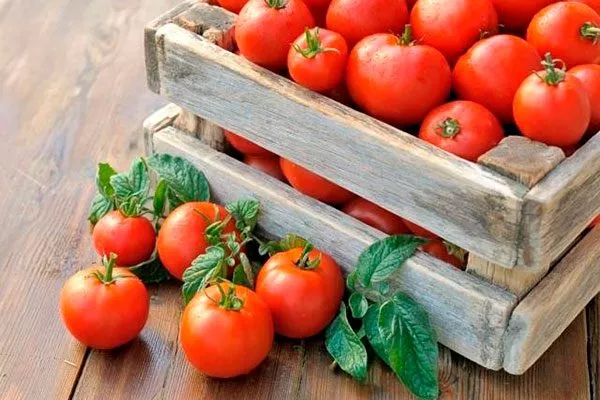
Under the right conditions, the harvest can be stored for 2-3 weeks. Create favorable conditions:
- Optimum temperature – +8…+12°C. At lower temperatures, the flavor is lost, and at higher temperatures, rapid ripening and spoilage occur.
- Humidity - should be at the level of 80-85%
- Lighting. Store tomatoes in a dark place to avoid premature ripening.
Place tomatoes stem-side up in a single layer to avoid mechanical damage. Use wooden crates or cardboard boxes. If you want to preserve tomatoes longer, pick them when they're technically ripe (green-brown). Under these conditions, they'll ripen slowly.
Pros and cons
Oak groves have many advantages that make them attractive to gardeners. Before planting, it's important to consider their advantages and disadvantages.
Among the disadvantages, gardeners note a sour taste of tomatoes, average resistance to late blight and fungal infections, and cracking of fruits during ripening.
Are there any analogues?
Many gardeners note that the Richi variety is similar to the Dubrava variety in terms of seed price, appearance, and taste. Its distinctive characteristics include:
- The bushes are strong, reaching a height of 50 to 70 cm with a moderate amount of foliage and small green leaves.
- The tomatoes are medium-sized, round, and weigh up to 120 g. When unripe, they are light green in color, but turn red as they ripen.
- The pulp is quite dense, but very juicy, with a small number of seeds.
- The skin is smooth, the fruits withstand long-distance transportation well and are stored for a long time.
However, the variety is less demanding in terms of growing conditions and also allows for the collection of seeds for subsequent sowing.
Reviews
Dubrava is an ideal variety for gardeners who value stability and ease of care. Thanks to its resistance to various weather conditions and diseases, this variety remains in demand for many years. These tomatoes are suitable for canning, marinating, and other preserves. With proper care, you can reap bountiful harvests.