
The Drova tomato is a Russian variety with small, long fruits that catch the eye with their distinctive shape. This tomato is easy to grow in a summer cottage, garden plot, or farm field; it's hardy, easy to grow, and quite productive for its size.
The history of the Drova tomato
The Drova variety was developed by breeders at Agrofirm Aelita LLC. Its authors are V. G. Kachainik, M. N. Gulkin, O. A. Karmanova, and S. V. Matyunina. The variety was approved for cultivation in 2019. It is suitable for cultivation in all regions.
Description of the plant
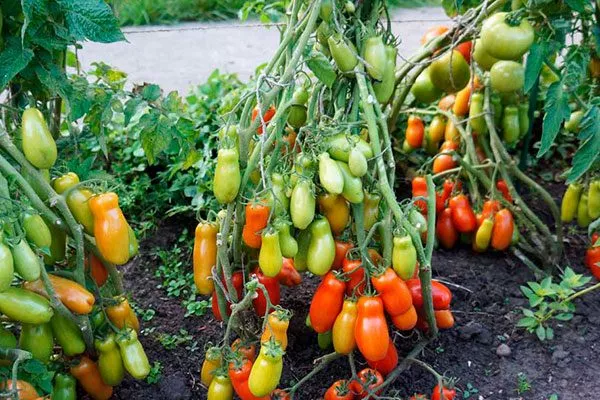
The Drova tomato has a low, standard bush and belongs to the determinate plant type (with limited growth). In open ground, it reaches a height of 40-60 cm, and in a greenhouse, 70-80 cm.
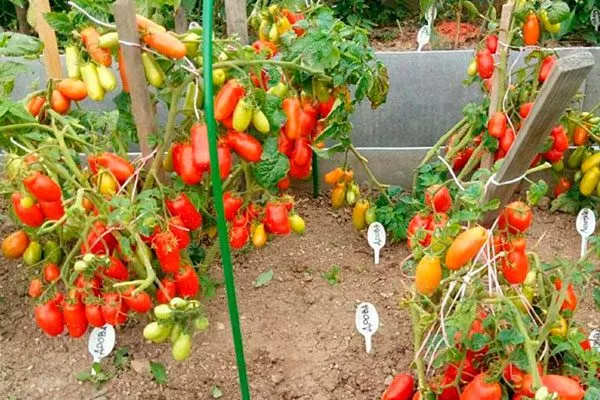
The leaves are medium-sized and dark green. Foliage density is moderate. The inflorescences are simple, with 5-10 ovaries forming in a single raceme.
Description of fruits
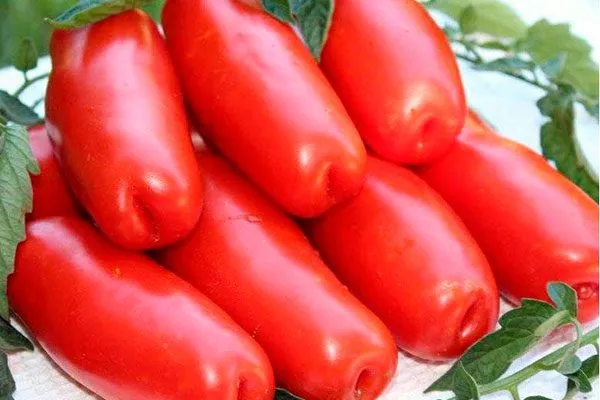
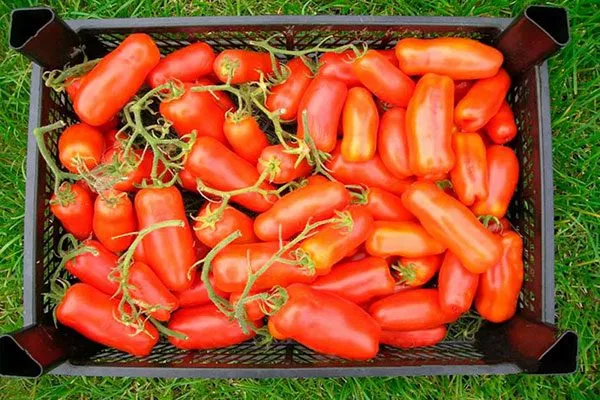
The Drova tomato has an unusual name, as do its fruits. They are small and look nothing like typical tomatoes. They resemble peppers, uneven plum tomatoes, or even chopped logs—hence the unique name.
Brief description of fruits:
- Colour of ripe/unripe fruit: red/green.
- Shape: cylindrical.
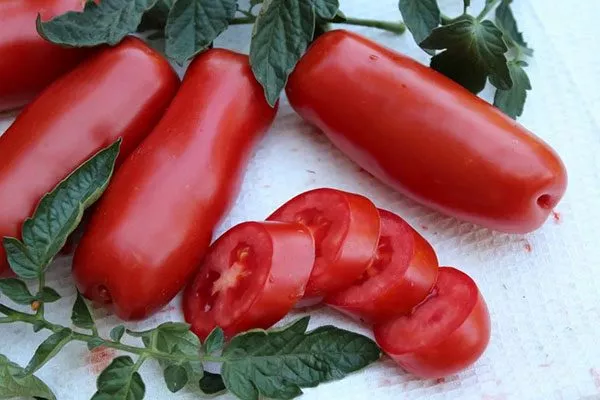
- Pulp: dense, fleshy, slightly juicy, with a small number of seeds.
- Weight: 70-100 g.
- Skin: smooth.
- Length: 10–12 cm.
Taste and purpose
The fruits have a sweet, pleasant flavor. They are eaten fresh, used for canning, dried, and cured, and used to make juices, ketchups, tomato pastes, and borscht dressings.
Characteristics of the Drova tomato
The Drova tomato is a mid-early variety. It takes 105 to 115 days from germination to the ripening of the first fruits. The average yield is 9 kg per square meter. One bush produces approximately 1 kg of fruit.
Pros and cons
The Drova tomato is quite unique; along with its advantages, this variety also has disadvantages that can become an obstacle to its cultivation.
The Drova tomato can be grown using either seedlings or direct seedlings. The latter method is more popular among gardeners, as it yields an earlier harvest.
Seed preparation
It's recommended to prepare home-collected seeds for planting. To improve their germination rate and ensure good plant development, the seeds are heat-treated. They are first kept in the refrigerator for several days and then heated on a radiator.
- ✓ The seed hardening temperature should be strictly from +1 to +3 °C in the refrigerator and not higher than +50 °C when heated.
- ✓ The concentration of potassium permanganate for seed disinfection should be 1%, processing time – 20 minutes.
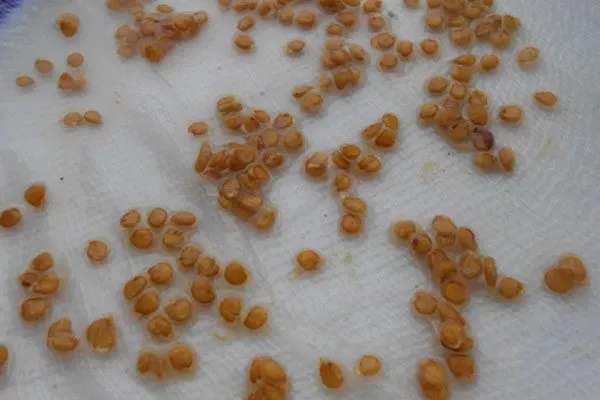
The seedlings are placed in a saline solution (1 tablespoon per 250 ml of water) to discard any that float to the surface—they are not viable. Next, the seeds are disinfected, for example, in a potassium permanganate solution, treated with a growth stimulant, and germinated.
How to choose a site and prepare the soil
Tomatoes should be planted in well-lit areas, level or with a slight slope. The soil should be well-drained and loose, with no stagnant moisture. Drafts and strong winds are also undesirable for tomatoes.
The planting area is prepared in the fall, cleared of plant debris, and dug to a depth of a spade. Compost or rotted manure is added to the soil at a rate of 5-6 kg per square meter.
Planting in the ground
Seeds are sown outdoors around the first half of May. The timing should be specified for each region, based on air and soil temperatures. These should be between 15 and 18°C and between 10 and 12°C, respectively. The risk of recurrent frosts should also be past.
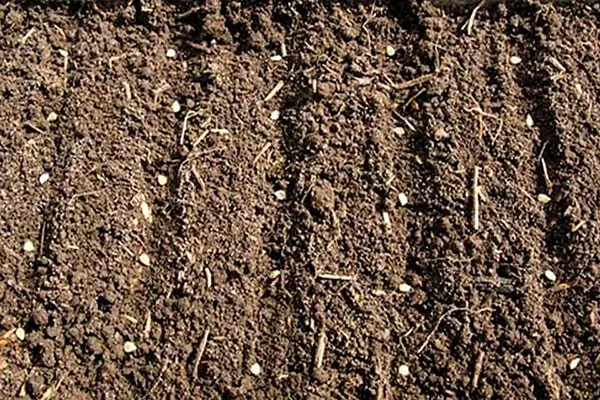
Features of sowing tomato Drov in the ground:
- Shallow holes are prepared for planting. Spaces of 40 cm are maintained between adjacent holes.
- Sow 3-4 seeds in each, at intervals of at least 1 cm. When seedlings appear, all excess sprouts are pulled out, leaving only one, the strongest one.
- The seeding depth is 1 cm or slightly deeper. The denser the soil, the shallower the sowing depth. The seeds are covered with soil to a depth of 2 cm. The soil is compacted and watered with settled water.
- The crops are covered with plastic film. Or a small greenhouse is built on top, with the covering material stretched over wire arches. The crops are aired daily, preferably in the middle of the day.
Seedling method
Seedlings are sown 60-65 days before planting. In temperate climates, tomatoes are sown from approximately March 20 to April 10. Seedlings are transplanted from mid-May.
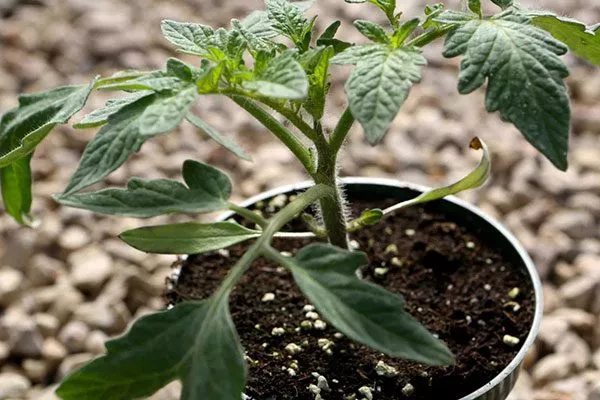
Features of growing tomatoes from seedlings:
- Peat pots are the most convenient way to grow seedlings, as they can then be placed root-first into the hole, allowing the plants to be moved to a new location with virtually no stress. You can also sow seedlings in regular plastic containers, containers, or cassettes.
- Fill the planting container with a ready-made nutrient substrate—available at a local grocery store—or with a homemade potting mix. For example, you can mix 2 parts garden soil with 1 part compost and 1 part humus.
- The soil mixture must be baked in an oven preheated to 150°C. It is kept there for 15-20 minutes to kill any pathogenic bacteria. The container is also disinfected by rinsing it with boiling water.
- Sow seeds in moist soil, planting them no more than 1 cm deep. Space adjacent seeds 3 cm apart. Cover the seedlings with plastic film, which must be removed immediately after germination. Seedlings are pricked out after three true leaves have formed.
Seedlings are planted outdoors when daytime temperatures reach 15 to 20°C. Seven to 10 days before planting, the seedlings are hardened off by being brought outside. Initially, for a short time, and then for several hours.
Features of planting seedlings:
- For planting, prepare holes approximately 10 cm deep and in diameter. They are made large enough to accommodate the roots freely along with the root ball (or peat pot).
- In addition to the fertilizer applied to the soil in the fall, use additional fertilizer in the spring: sprinkle a handful of ash and half a tablespoon each of superphosphate and potassium salt into the holes. You can also sprinkle some onion skins or eggshells into the bottom of the hole.
- Optimal planting pattern: 50 x 40 cm.
- The seedlings are placed in holes, the roots are covered with soil, compacted, and then watered with warm, settled water.
Care
The Drova tomato is easy to grow and requires minimal care, as dictated by the crop's growing practices. This variety responds very well to watering, fertilizing, and loosening.
Watering mode
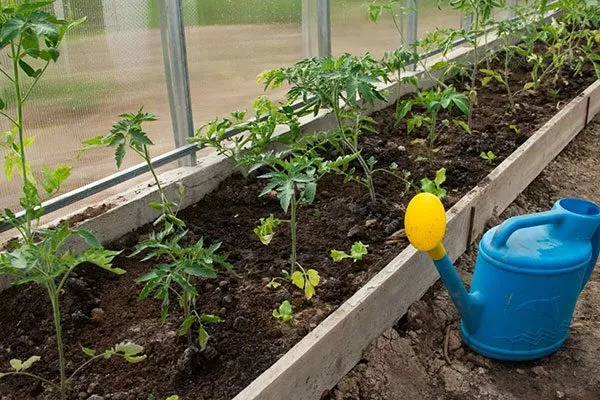
Planted seedlings are watered 1-2 times a week, depending on rainfall, weather, and soil conditions. When flowering begins, the watering rate increases.
Top dressing
Drova tomatoes are fertilized four times per season. The first feeding is done shortly after planting, then during flowering, and during fruit set. The final feeding is during fruiting.
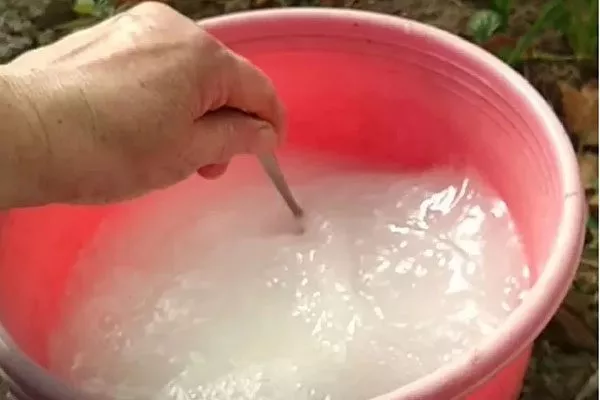
To fertilize bushes, you can use either organic matter - diluted manure or droppings, or mineral complexes.
Garter and shaping
Drova tomato plants don't require pinching or shaping; they only need support. However, even this isn't necessary, as the bushes are quite low and compact, and the fruits are small.
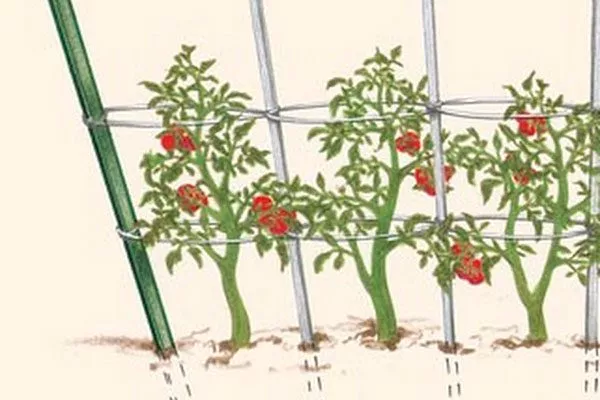
However, to avoid them breaking off during abundant fruiting, it is still recommended not to neglect the garter.
Loosening and weeding
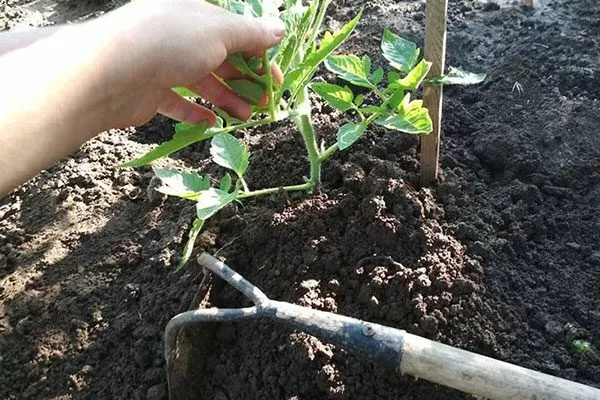
It's best to loosen the soil in tomato beds after every watering or rainfall. Loosen the soil carefully to avoid damaging the surface roots and stems of the plants.
Diseases and pests
Drova tomatoes have a high resistance to diseases and pests, but you can't leave things to chance—the bushes need to be regularly inspected for pests and signs of disease. For prevention, spray them with a soap solution or an onion peel infusion.
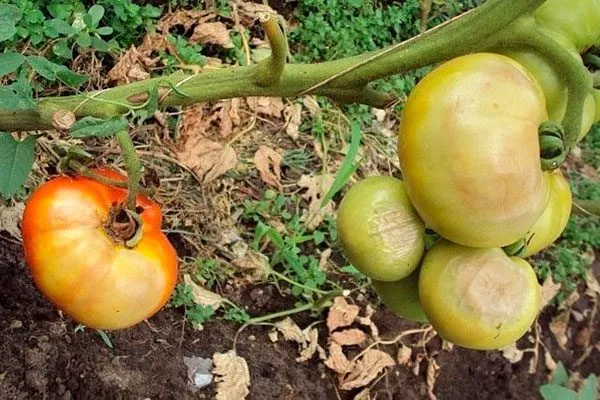
Under unfavorable growing conditions and poor agricultural practices, the Drova tomato can become susceptible to anthracnose and macrosporiosis, which can be controlled with Thiovit Jet and Bordeaux mixture, respectively. If the fruit is affected by blossom-end rot, it indicates a calcium deficiency.
Whiteflies pose the greatest threat among insect pests. Confidor or other effective insecticides are used against them. Aphids are another dangerous pest for the Drova variety, and can be controlled with Fufanon, Zubr, and other insecticides.
Harvesting and storage
The fruits ripen in July-August, depending on climate conditions and growing methods. Tomato ripeness is determined by the stems—if there are no green spots, the fruits are ready to harvest. For storage, tomatoes should be harvested when they are technically ripe.
Reviews
The Drova tomato is an acquired taste, perfect for those who prefer smaller, less juicy fruits. This tomato is also a favorite for preserves; its oblong fruits are delicious in marinades and look beautiful in jars.