
The Dragon tomato is a promising variety bred in Japan. Its plum-shaped fruits are bright and beautiful, with a pleasant flavor, and most importantly, they are versatile, delicious both fresh and canned.
Who bred the Dragon tomato?
The Dragon tomato is marketed as a Japanese-bred product. Thiram-treated seeds from the Japanese company United Genetics are available for purchase.
Description of the variety
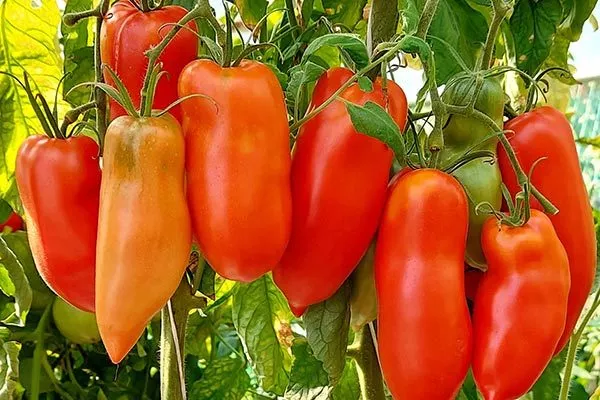
The Dragon tomato plant grows as a low, semi-spreading, standard-type plant. Its maximum height is 40-50 cm. Its fruits are small, even small, and pointed at the ends.
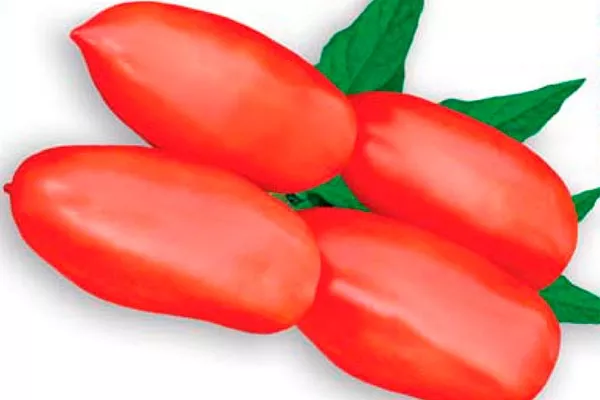
Brief description of fruits:
- Color of ripe fruits: red.
- Color of unripe fruits: green.
- Form: plum-shaped.
- Skin: smooth and dense.
- Pulp: dense.
- Weight: 70-80 g.
Taste and purpose of fruits
The fruits have a sweet, pleasant flavor. They can be eaten fresh, added to salads, used in a variety of culinary dishes, and even pickled and marinated. The fruits are small and dense, making them ideal for jarring.
Characteristics
The Dragon tomato is a mid-early ripening variety. It takes 110-120 days from germination to the first fruits ripening. The average yield is 6 kg per plant. Disease resistance is average.
Pros and cons
The Japanese Dragon tomato is aimed at the amateur; it's sure to please both plum-loving and canned tomato enthusiasts. Before choosing this variety for your garden, it's helpful to familiarize yourself with all its advantages and disadvantages.
Cons: It can be affected by some common fungal, viral and bacterial infections of nightshade crops, as it has average disease resistance.
Landing
The Dragon tomato can be grown both outdoors and in greenhouses. Seedlings are recommended, especially for regions with short summers.
Seed preparation
The seed producer states that the product has undergone all necessary processing and is ready for use. This means it does not require disinfection. Furthermore, the seed supplier clarifies that the seeds do not require soaking.
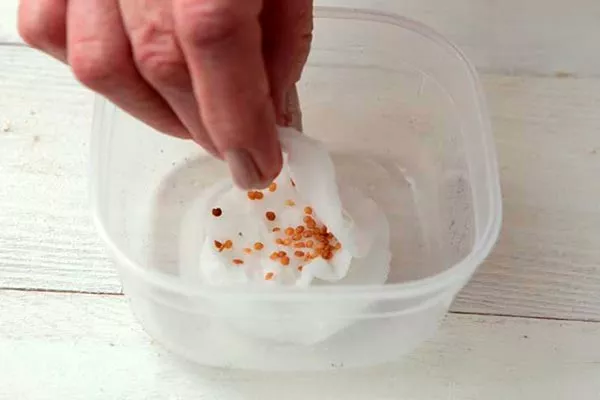
If desired, the seeds can be tested for quality by immersing them in a salt solution. Any defective or faulty seeds, if any, will rise to the top. It's also recommended to harden the seeds if the tomatoes are to be grown outdoors. To do this, place them in the refrigerator several times, acclimating them to temperature fluctuations.
How to choose a site?
To get a good tomato harvest, it's important to choose the right location. The Dragon tomato, like other crops, prefers well-lit areas free from shade and drafts.
The planting site should be level or slightly elevated. Low-lying areas are unsuitable for tomatoes, as rainwater accumulates there, causing rot. It's also important to keep in mind that the planting site should be large enough, as the Dragon variety produces very large bushes.
Growing seedlings
Dragon tomatoes are sown for seedlings in March—the exact timing depends on climate conditions. In the south, sowing occurs in early March and even late February; the further north the growing region, the later the tomatoes are sown.
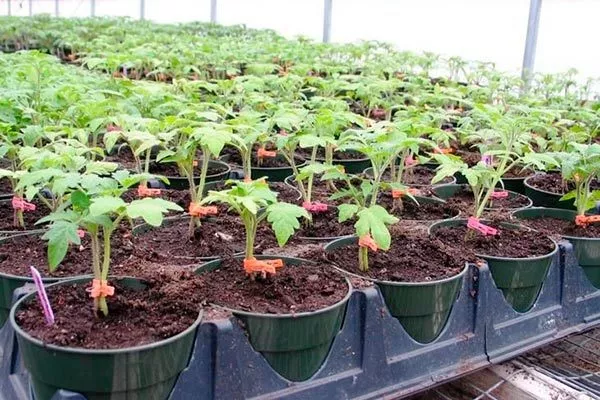
Features of growing Dragon tomato seedlings:
- A variety of containers can be used for sowing: large containers, peat pots and pellets, individual cups, and trays. Containers should be at least 12 cm deep, as tomatoes have taproots.
- The planting container is filled with prepared or homemade soil. The nutrient substrate can be prepared from equal parts of turf, humus, peat, and sawdust.
- The soil is leveled, slightly moistened, and the seeds are sown, planting them 1 cm deep. Rows are made in the containers at intervals of 2-3 cm. Space adjacent seeds 1.5-2 cm apart. Sow 2-3 seeds per cup to ensure 100% germination and to select the best, strongest, and healthiest seedlings.
- Cover the seeds with a transparent material—polyethylene film or glass—and place them in a warm, dry, well-lit area. The optimal temperature for germination is 27 to 28°C.
Once seedlings emerge, the containers are moved to a room with a temperature of 18 to 20°C during the day and 16 to 18°C at night. The optimal humidity is 75%, or the seedlings will be susceptible to rot.
Features of caring for Dragon tomato seedlings:
- In February, daylight hours are still very short, so seedlings, even those on south- and southeast-facing windows, require supplemental lighting. This is achieved by using phytolamps, and daylight should be 10-12 hours.
- Tomato seedlings require regular watering; the soil should not be allowed to dry out, but standing water is also a bad idea, as they can become infected with blackleg. Before the first leaves appear, watering is recommended using a syringe or a sprinkler—avoid getting water on the plants. Later, a small watering can can be used.
- For the first three weeks, water the seedlings 1-2 times a week, then 3-4 times a week until planting. Sprinkler irrigation is recommended 2-3 times a week.
- The first feeding is done approximately 10 days after transplanting, once the seedlings have rooted and established themselves. Nitrophoska or another fertilizer containing nitrogen and phosphorus can be used for this purpose. You can also water the seedlings with a wood ash infusion. Fertilize at two-week intervals, for a total of four times.
- The containers are turned over 2-3 times a week to ensure that all plants receive enough sunlight and the seedlings do not stretch out.
Soil preparation
Tomatoes grow well in fertile loamy or sandy loam soils enriched with organic matter. They should be well-drained, permeable to water and air, and loose. The optimal pH range is between 6 and 6.5. Below 5.5, there is a risk of blossom-end rot.
- ✓ Optimum soil temperature for planting seedlings: +10 °C at a depth of 10 cm.
- ✓ Recommended soil acidity: pH 6-6.5 to prevent blossom end rot.
The soil is prepared in the fall by digging it over with a spade, removing plant debris. Humus, peat, bird droppings, compost, superphosphate, and potassium salt are added during the digging. Green manure crops can also be sown in the fall to improve soil quality. These are mown and incorporated into the soil in the spring. For example, you can sow oilseed radishes.
Peculiarities of planting seedlings in the ground
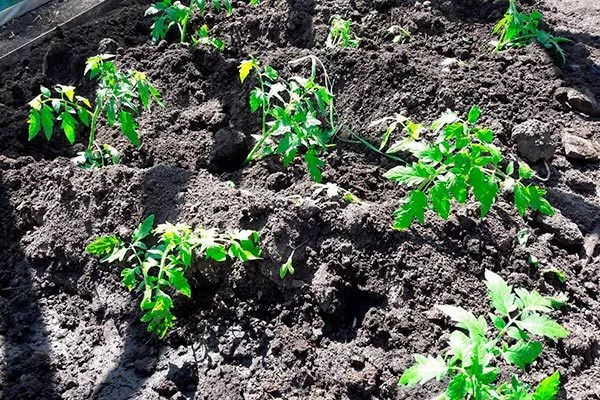
Seedlings are planted when the risk of night frost has passed. The air temperature should not fall below 15°C, and the soil should warm to 10°C at a depth of 10 cm. In the south, seedlings are planted in the ground in early May, in the central zone in mid-May, and in the north in late May or early June.
Landing features:
- Dig holes approximately 15 cm deep for planting. They should be large enough to comfortably accommodate the tomato plant's root system. The roots of the seedlings should not bend.
- Pour 3-5 liters of water into the holes. After half an hour to an hour, when the water has been absorbed and the soil has settled, plant the seedlings. Plant 3-4 plants per square meter.
- Before planting, water the seedlings generously to ensure they can be carefully removed from their containers without damaging the roots. Tomatoes grown in peat pots and pellets are planted in the holes along with the containers.
- The seedling is placed in the hole, the roots are covered with soil, and the soil is carefully compacted by hand to create a small depression so that water can be poured under the roots. The planted tomatoes are watered again and then given a 10-12 day break.
Care
Caring for the Dragon tomato consists of standard agricultural practices. To ensure a good harvest, tomatoes need watering, fertilizing, loosening the soil, and spraying for preventative and therapeutic purposes.
Watering
Dragon tomatoes require infrequent and generous watering. Watering once or twice a week is sufficient, or two or three times in hot weather. Water should be applied at the roots, preventing any contact with the above-ground parts of the plant. The best time to water is morning or evening. Use water warmed by the sun; cold water is harmful to tomatoes.
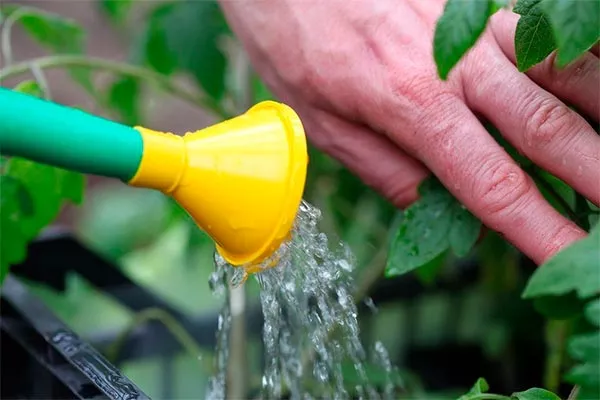
During flowering, tomatoes require more water to ensure fruit set and development. The soil should always be kept slightly moist.
Fertilization
Tomatoes planted in the ground are fertilized for the first time two weeks after planting. For fertilizing, you can use mullein diluted in water (1:1) with the addition of superphosphate (20 g per 10 liters of water). Then, fertilize the tomatoes twice more, at two-week intervals, using a complex fertilizer with a low nitrogen content.
Bushes can also be fed by foliar sprays. Fertilizers such as monopotassium phosphate, calcium nitrate, and urea are used. Foliar feeding is recommended every 10 days. The best time for this is evening, during calm and dry weather.
Loosening and mulching
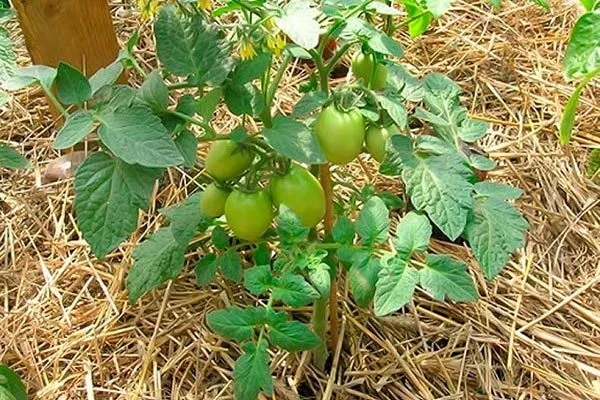
The row spacing is loosened after rain and watering to ensure the roots receive sufficient oxygen. The maximum loosening depth is 4 cm. Enriching the soil with oxygen allows plants to better absorb nutrients. Along with loosening, mulching is also performed—sprinkling the soil with straw, hay, sawdust, etc.
Garter and shaping
The Dragon tomato plant grows low and doesn't require any shaping or support. However, pinching out the side shoots won't hurt. Removing the side shoots allows the plant's growth energy to be directed toward producing more fruit.
Prevention of diseases and pests
To prevent bacterial and fungal diseases in tomatoes, it is recommended to add Gliocladin tablets to the planting holes. This product protects tomato plants from root and basal diseases. Subsequently, preventative treatments are carried out every two weeks, including spraying the plants with copper sulfate, boric acid, or iodine solution.
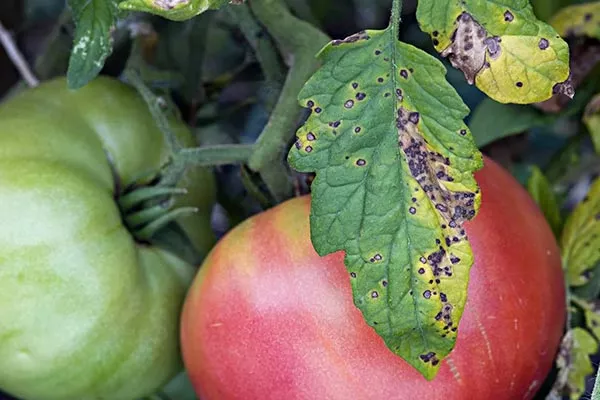
Silar is used to prevent powdery mildew, and Bronex is used against late blight. Bacterra is recommended during the fruiting period. Trichoderma Veride is also an effective preventative and therapeutic agent.
Among the pests, whiteflies and thrips pose the greatest danger to the Dragon tomato, against which you can use sticky traps, and spraying with a soap solution helps get rid of aphids.
- ✓ Resistance to temperature changes: can withstand both heat and humidity.
- ✓ Compact bushes: do not require tying, which reduces the amount of maintenance work.
Harvesting
The fruits are harvested in dry, warm weather. It's best to pick tomatoes in the morning, before the dew falls or after it has completely dried. In a greenhouse, harvesting is possible at any time. It's recommended to cut the fruits with stems using pruning shears rather than pick them.
Harvested tomatoes are placed in wide containers such as boxes, basins, or baskets. It's best to store the fruit in a single layer. If stored in 2-3 layers, they should be separated by paper.
Reviews
The Dragon tomato is an interesting, productive variety that's easy to grow. It's hardy and productive, producing large quantities of high-quality fruit with excellent quality characteristics. This variety can be grown for both food and commercial purposes.