
The Precious tomato is one of the most popular varieties, recognized for its high-quality fruit and ease of cultivation. This variety is characterized by good productivity, excellent flavor, and resistance to adverse weather conditions. With proper cultivation practices, you can reap bountiful harvests throughout the season.
Origin
Developed by scientists from Kostroma and approved for use in 1960, this determinate variety has a universal purpose.
Features of shrubs and fruits
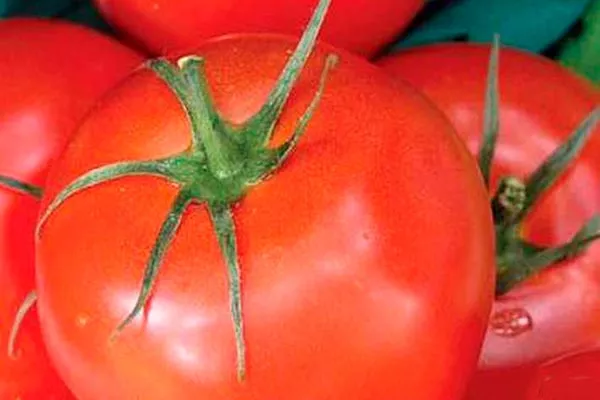
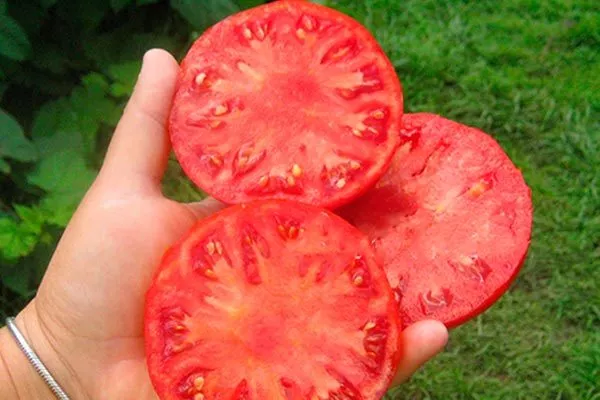
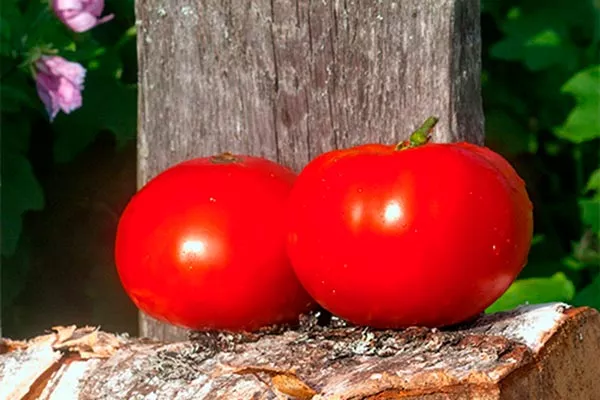
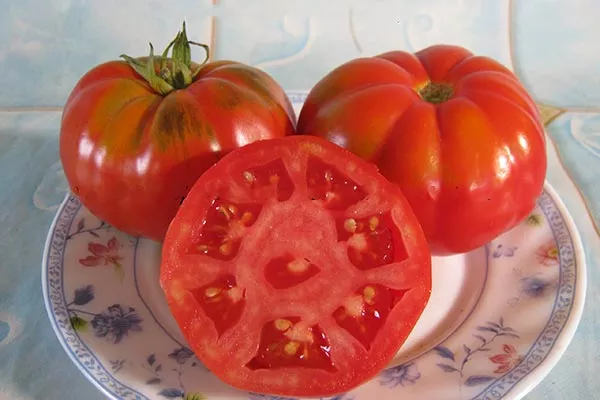
The plant is low-growing, reaching a height of 45-55 cm. The leaves are ordinary and green. Ripe tomatoes are bright red. Each tomato weighs between 80 and 150 g and is round in shape. A cluster typically produces 3 to 5 tomatoes. The flesh is crimson-red, and the skin is smooth.
Taste characteristics
The Precious is a versatile variety, ideal for a variety of culinary uses. It's great fresh, canned, or frozen. Its flavor is rich and very pleasant.
Ripening and fruiting
It belongs to the mid-season varieties – vegetables are harvested 80-90 days after the first shoots appear.
Other characteristics of the variety and positive aspects
The crop is characterized by high stress tolerance, therefore it withstands various weather conditions well. However, regular inspection of the plants helps prevent potential problems with diseases and pests.
The main advantages of the Jewel:
Agricultural cultivation techniques
The crop is successfully grown from seedlings, planting 4-5 seedlings per square meter. In a greenhouse, plants are trained to have two or three stems, while in open areas, they are trained to have one or, at most, two shoots.
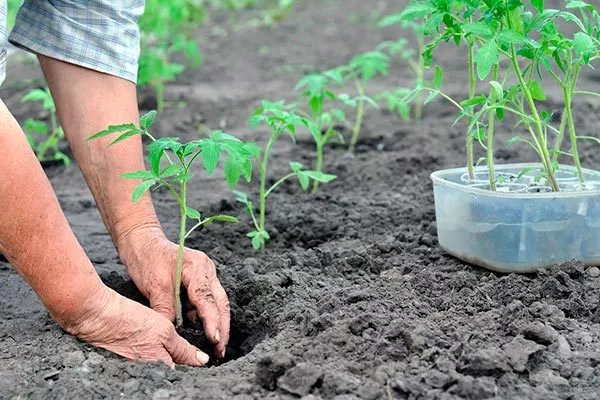
- ✓ Optimum soil temperature for sowing seeds: 22-25°C.
- ✓ Seed sowing depth: 1-1.5 cm.
- ✓ Distance between plants when planting in the ground: 40-50 cm.
Sow seeds for seedlings in mid-March. When the plants have 2-3 permanent leaves, transplant the seedlings into individual containers. Plant tomatoes in a greenhouse in mid-May and in the open ground in early June. Tie the plants to a support.
Caring for tomato plants
Achieving a good tomato harvest requires regular care. Agronomic practices include:
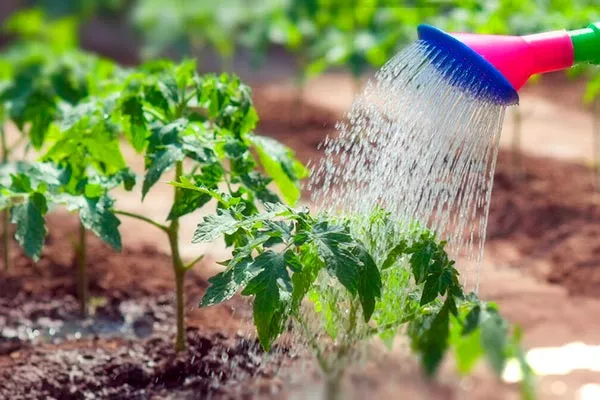
- Watering. Water the plants regularly, especially in hot weather. Apply water daily. During rainy summers, water as the soil dries out.

- Weeding. The procedure is necessary to keep the area clean and prevent weed growth.
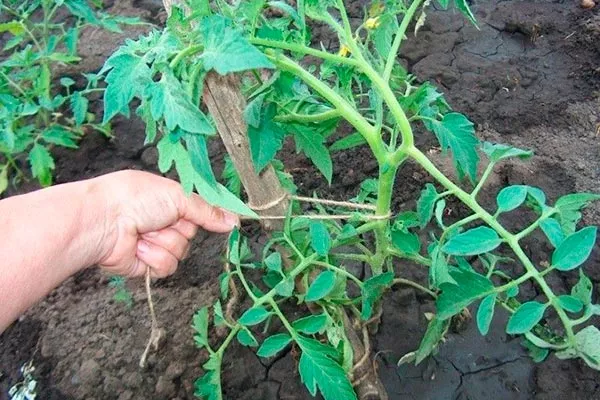
- Garter. In a greenhouse, tie the bushes to a crossbar on the ceiling, and in open areas - to a support.
- Pinching out stepsons. This is a necessary procedure to prevent the bushes from growing excessively and to ensure all the fruits have time to ripen before frost. Remove the lower leaves that touch the ground.
- Loosening. Helps prevent the development of fungi that can occur in wet, oxygen-free soil and retains moisture.
- Top dressing. Apply at least three times per season using both mineral and organic fertilizers. Be careful not to overfeed the plants.
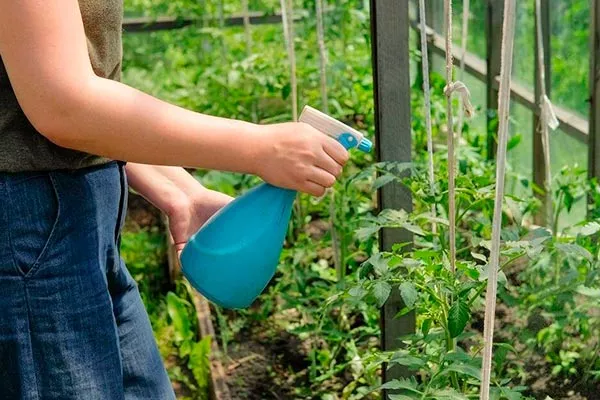
Despite its strong immune system, the crop can be susceptible to various diseases and pests. It's important to prevent these problems early:
- Late blight (fruit rot). Brown spots appear on leaves and fruits, gradually expanding and becoming covered with a gray coating. Vegetables begin to rot and develop spots. During the period of active growth and after rain, apply fungicides such as Ridomil Gold, Topaz, or HOM. Remove affected areas.
- Powdery mildew. A whitish coating on green foliage that gradually leads to yellowing and death. Use fungicides with antifungal properties, such as Topsin-M or Fundazol. Treat the bushes during the growing season to prevent the disease.
- Aphid. Leaves become deformed and yellow, and small insects appear on the plant. This leads to reduced yields and the development of diseases. Spray with insecticides such as Aktara or Fitoverm. Folk remedies such as garlic or tobacco infusion are also effective.
- Colorado beetle. Large lesions appear on the leaves, which become perforated and turn yellow. The larvae feed on them, weakening the plant. Regularly inspect the plantings and remove the pests by hand. Insecticides such as Decis or Bazudin will help.
- Gray mold (botrytis). Wet, gray spots on tomatoes and leaves that spread quickly. This leads to rotting and premature fruit loss. Remove damaged areas and apply fungicides such as Previcur Energy or Topsin. Improve ventilation in the greenhouse or open field.
- Whitefly. Leaves wilt, and small white winged insects appear that can carry viral diseases. Insecticides such as Confidor or Actofit will help. Set insect traps and practice crop rotation as a preventative measure.
- Rust. Yellow spots with rusty dots appear on the undersides of leaves, which eventually lead to wilting and leaf drop. Spray with copper-containing products, such as Hom or Bordeaux mixture. Remove infected parts of the bushes.
| Disease | Resistance of the variety Precious | Recommended preventive measures |
|---|---|---|
| Late blight | Average | Treatment with fungicides during the period of active growth |
| Powdery mildew | High | Preventive treatment with fungicides |
| Gray mold | Low | Improving ventilation, removing affected areas |
Reviews
The Precious tomato is a versatile variety suitable for both experienced and novice gardeners. Its high productivity, disease resistance, and excellent flavor make it an ideal choice for gardening. Following the recommended care and cultivation practices will boost your immunity and yield generous harvests.