
The Daughter tomato is a popular early-ripening variety with excellent flavor. Its fruits are fleshy, juicy, and smooth-skinned, making them ideal for fresh consumption. Disease resistance, excellent transportability, and good yield make it popular among vegetable growers.
Description of the variety
Developed by breeders Lukyanenko A. N., Dubinin S. V. and Dubinina I. N. from Agrofirma Sedek LLC and officially approved for use since 2010. Belongs to the indeterminate type.
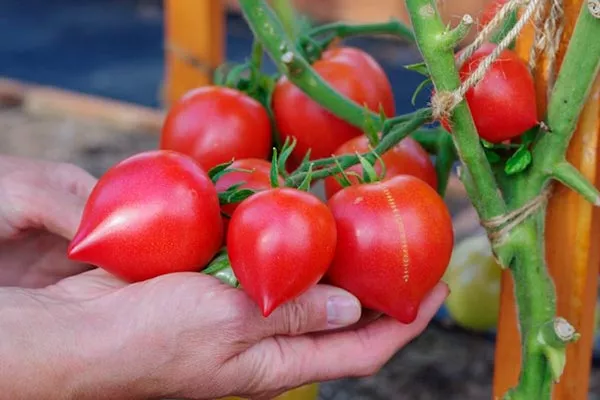
Distinguishing characteristics:
- Bushes – reach up to 1.6 m in height and are characterized by short internodes.
- Leaves - large, rich dark green color.
- Tomatoes - They are flat-round in shape and large in size. Their weight ranges from 230 to 380 g.
The tomatoes have a meaty texture, smooth skin, and a pleasant flavor. This hybrid is perfect for eating fresh, making salads, and adding to sauces.
Characteristics of the variety
The Daughter tomato is a mid-early variety, ripening 105-110 days after planting. With proper care and maintenance, yields reach 9 kg per square meter. The vegetables transport well and retain their freshness for a long time, making this variety ideal for storage and shipping.
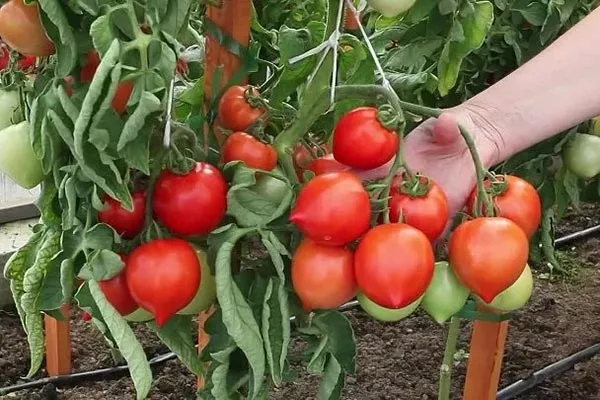
This variety is highly resistant to fungal, bacterial, and viral diseases, including verticillium wilt and tobacco mosaic virus (TMV). This allows it to be grown without the extensive use of chemical pesticides, making it an environmentally friendly and convenient tomato.
Planting and growing
For successful cultivation, planting in both open ground and plastic greenhouses is acceptable. It's important to maintain optimal spacing between plants to ensure they have sufficient space for full growth and development. Caring for the bushes involves standard agricultural practices.
Sowing seeds
To obtain high-quality seedlings, sow seeds 55-60 days before planting in the ground or greenhouse. The optimal time for sowing is late February or early March, depending on the regional climate.
- ✓ Optimum soil temperature for planting seedlings: +14…+16°C.
- ✓ Seed planting depth: 1-1.5 cm.
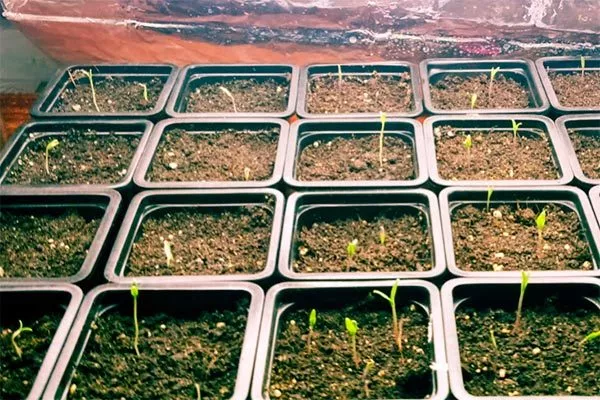
Follow the recommendations:
- Pre-treat the planting material with a potassium permanganate solution or a growth stimulant to improve germination and disease resistance. Afterward, rinse the seeds with clean water and dry them.
- For sowing, use light, fertile soil consisting of garden soil, humus, and sand in a 2:1:1 ratio. To disinfect, water the soil with boiling water or a Fitosporin solution.
- Place the seeds in containers or boxes, making furrows 1-1.5 cm deep. Maintain a distance of 2-3 cm between them. Cover the seeds with a thin layer of soil, compact it lightly, and water with warm water.
- Cover the containers with plastic wrap or glass and place them in a warm place with a temperature of 22…25°C. Keep the soil moist, but not overly wet, until the seedlings emerge.
- Once the first shoots appear, remove the cover and move the containers to a well-lit location with a temperature of 18 to 20°C. Water the seedlings moderately, using settled water. When the plants develop one or two true leaves, transplant the seedlings into individual pots.
Transplanting
Begin the procedure when the danger of frost has passed and the soil has warmed to 14–16°C. In most regions, this period occurs in mid-May or early June.
Follow certain rules:
- The plant prefers sunny sites with fertile, well-drained soil. Loamy or chernozem soils are ideal. The planting site should not have previously been planted with other nightshade crops.
- Dig over the bed and add organic fertilizer (humus, compost) or wood ash. If the soil is acidic, add dolomite flour or lime. Make the holes 15-20 cm deep.
- Planting pattern: distance between plants – 40-50 cm, distance between rows – 50-60 cm. This arrangement ensures good ventilation and access to light.
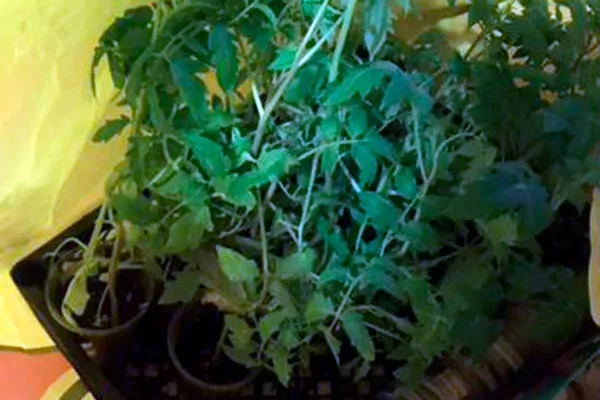
The landing process:
- Water the holes with warm water.
- Carefully remove the seedlings from the cups, trying to keep the soil ball on the roots.
- Place the seedlings vertically or at an angle (if the plants have become elongated), deepening them to the first true leaves.
- Cover with soil and compact lightly.
- After planting, water the plant again and mulch the soil with peat, straw or dry grass to retain moisture.
Following all recommendations will provide tomatoes with optimal conditions for growth and fruiting.
Caring for the Daughter tomato
Provide your crop with comprehensive care. Perform simple maintenance procedures to maintain healthy plants, vigorous growth, and abundant fruiting:
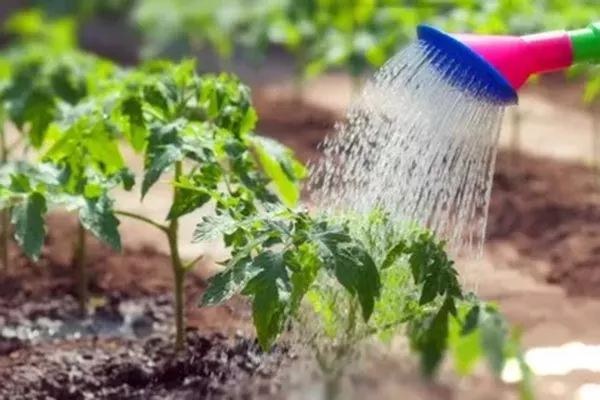
- Watering. Pour water at the roots, but avoid dripping onto the leaves and stems. This will prevent fungal diseases. Use warm, settled water (20…22°C). Water the bushes every 4-5 days before flowering, and every 2-3 days during flowering and fruit formation.
Once the fruit begins to ripen, reduce the amount of water to prevent cracking. - Loosening and mulching. Loosen the soil after each watering or rain to improve root aeration. Mulch the soil with peat, straw, or compost to retain moisture and suppress weed growth.
- Top dressing. Two weeks after planting, apply an infusion of mullein or bird droppings. During flowering, apply potassium-phosphorus fertilizers (such as superphosphate). During fruit formation, use complex mineral fertilizers or wood ash.
Apply fertilizers under the roots or in the form of foliar sprays. - Pinching out stepsons and shaping bushes. Remove side shoots (stepchildren) every 7-10 days, leaving 1-2 main stems. Trim the lower leaves as the bush grows to improve ventilation and reduce the risk of disease.
- Garter. Daughter tomatoes require support due to their tall growth. Use wooden stakes, trellises, or netting. Secure with soft materials to prevent damage to the stems.
Remove weeds regularly to prevent them from robbing your plants of nutrients and providing a haven for pests.
Ripening and harvesting times
The Daughter hybrid is characterized by rapid ripening. The entire cycle from sowing seeds to harvest takes approximately 100-110 days. During this time, ripe tomatoes begin to appear, ready for picking.
Harvest Features:
- Pick tomatoes promptly to prevent them from overripening and to preserve their excellent flavor. Regularly inspecting the plants will help you spot fully ripe tomatoes early.
- Tomatoes are ready to pick when their color becomes uniform and deep red over the entire surface.
- Carefully remove ripe vegetables from the bush to avoid damaging them. Use scissors or gently break the fruit off by hand.
- Overripe tomatoes lose their juiciness and attractiveness and become more vulnerable to pests and diseases.
Harvested tomatoes retain their freshness and flavor longer if they are not damaged during harvesting.
Diseases and pests
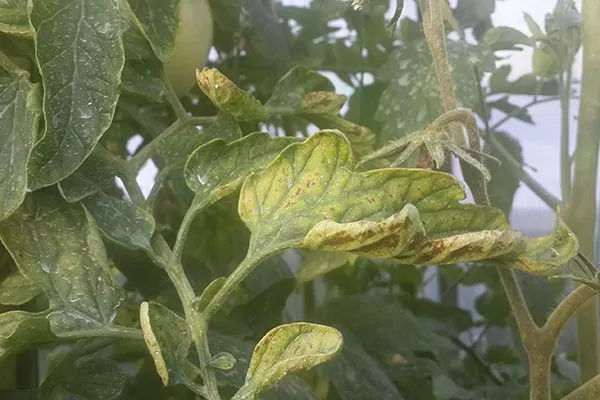
The Daughter hybrid has a strong immune system. However, under unfavorable conditions, the bushes may be susceptible to the following diseases and pest attacks:
- Late blight. One of the most dangerous tomato diseases. Symptoms include yellowing leaves, softening of the fruit, and the appearance of a gray coating. For prevention and treatment, treat plants with fungicides such as Fitosporin or Ridomil Gold.
- Mosaic. A viral disease that causes leaf and fruit deformation. If infected plants are found, remove them from the area to prevent spread. Insecticides such as Aktara and Confidor are helpful.
- Bacterial cancer. The disease manifests itself as rot on stems and fruits. To prevent the disease, spray the bushes with antiseptics such as copper sulfate or Bordeaux mixture.
- Whitefly. The insect lays eggs on the leaves, causing them to turn yellow and wither. To control it, use insecticides designed to kill the pest, such as Fitoverm and Lepidocide.
- Mole cricket. The parasite damages the root system, which can lead to plant death. Use bait and pesticides, such as Medvetox.
- Mealybug. When infested, a white, flour-like coating appears on the leaves. Insecticides such as Aktara, Confidor, and Fitoverm are effective in killing the insect.
To avoid most diseases and pests, follow these agricultural recommendations:
- Keep the area clean.
- Follow crop rotation rules.
- Inspect the bushes regularly.
- Carry out preventive treatments with fungicides and insecticides.
- Before planting, treat the soil with a solution of Fitosporin to prevent fungal diseases.
- Two weeks after planting, apply foliar feeding with microelements to strengthen the plant’s immunity.
- During the flowering period, treat the plants with an insecticide to prevent pests.
With proper care, the Daughter variety of tomatoes will remain healthy and produce a bountiful harvest.
Pros and cons
This variety attracts gardeners with its many advantages. But before planting, it's important to carefully consider the hybrid's shortcomings. Daughter has a host of advantages:
Among the disadvantages, they note the need for prevention from pests and diseases, and the mid-early ripening period.
Reviews
The Daughter tomato is deservedly popular due to its excellent taste, low maintenance, and consistent yield. These tomatoes are ideal for both fresh salads and winter preserves. This hybrid is characterized by disease and pest resistance, making it easy to grow and harvest.