
The Dobryi tomato is a popular hybrid ideal for greenhouses and home gardens. It is resistant to low temperatures, making it an excellent choice for northern regions. The bushes produce abundant harvests, and the fruits have a sweet flavor and juicy flesh. With proper care, you can grow a plant with a strong immune system.
Growing regions, history
A group of breeders developed the Dobry tomato, and the result was successful. This variety became available on the market in 2012. The authors of the development were S. F. Gavrish, V. V. Morev, E. V. Amcheslavskaya, O. A. Volok, and F. S. Gavrish.
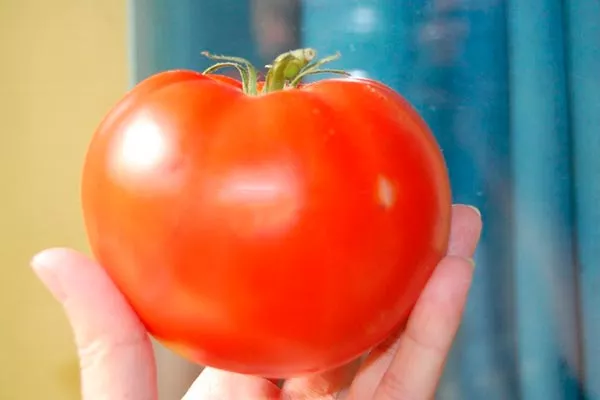
The hybrid is well adapted to growing in a variety of climates, but is particularly suitable for the central and southern regions of Russia. It is widely cultivated in the Moscow region, the south, the Krasnodar region, and other areas with moderate and warm climates. In the northern regions, it is grown in greenhouses.
Characteristic features of the variety
Dobry is a hybrid chosen by both novice and experienced gardeners. Although it appeared in Russia relatively recently, it has already gained popularity among gardeners and agricultural enterprises that produce it in large quantities.
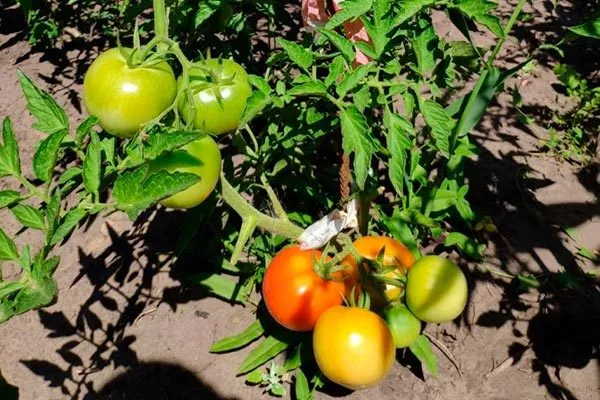
Fruits and bushes, taste and purpose
This variety is characterized by an indeterminate growth pattern—its shoots develop quickly and without restriction. Distinguishing characteristics:
- Reaches 1.5 m in height.
- The foliage is large, abundant, and dark green in color.
- Tomatoes turn bright red when fully ripe.
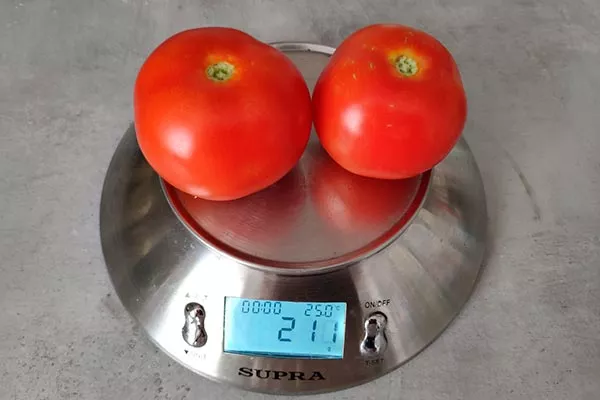
- The weight of tomatoes varies from 130 to 170 g.
- The pulp of the vegetables is dense and juicy.
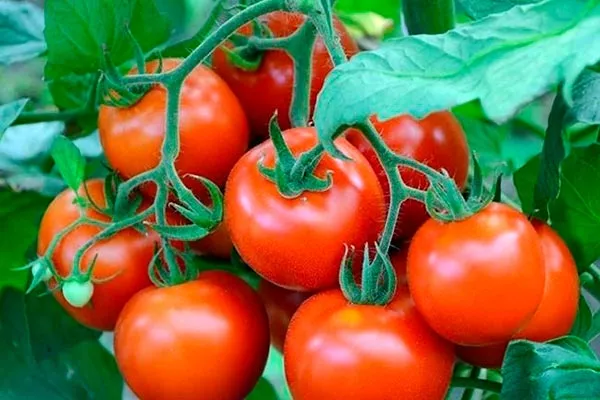
Dobry is a versatile variety suitable for a variety of culinary purposes. The vegetables are eaten fresh, added to salads, sauces, and juices. They are also excellent for winter preserves: puree, juice, ketchup, and even tomato jam.
Yield and ripening period of tomatoes Dobry
This is a mid-late variety—the fruits ripen approximately four months after sowing. For this reason, it is recommended to grow it in greenhouses, as tomatoes grown outdoors may not have time to ripen before the onset of cold weather.
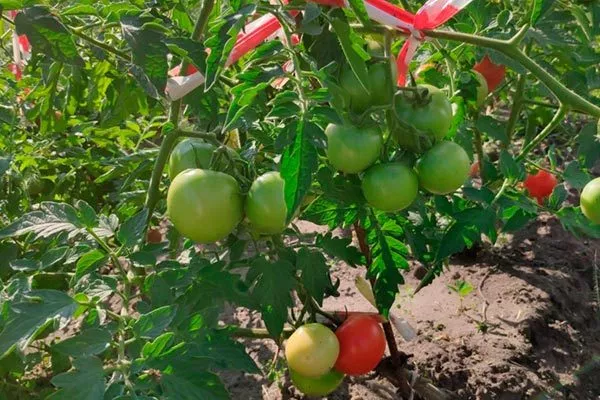
The clusters form on the bushes until October. The hybrid is extremely productive: with proper care, a single plant can yield up to 5 kg of high-quality sweet tomatoes, and 10-13 kg per square meter.
Resistance to unfavorable conditions of the variety
The hybrid tolerates temperature fluctuations and is successfully grown in greenhouses, where more stable conditions are created. It demonstrates resistance to several common diseases, making it less susceptible to infection.
Dobryi is drought-resistant. Thanks to its strong roots and adaptability to changing weather conditions, it can withstand periods of water stress. However, to maximize productivity and maintain health, regular, but not excessive, watering is essential.
Agricultural technology
The crop is grown using seedlings to ensure high-quality fruit. To obtain high-quality seedlings, sowing is carried out two months before the planned greenhouse planting.
Seed preparation
Not all seeds of this hybrid are pre-treated, so when purchasing branded varieties, it's important to carefully read the packaging information. Sometimes, producers already prepare the seeds, which increases their cost.
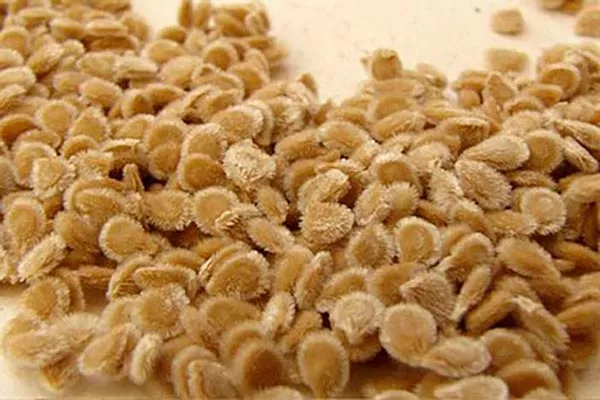
If the planting material has not been processed in advance, prepare it yourself:
- To ensure seedlings are resistant to diseases, place the seeds in a cloth bag and soak them in a solution of potassium permanganate (1 g per 1200 ml of water) for 20 minutes, then rinse them.
- Soak the seeds in solutions of biological preparations that promote germination, such as Epin and Zircon. Soak for 4 to 6 hours.
Before sowing, harden the seeds by placing them in a warm place for a day, and then in a cold place for 1-2 days.
Preparing seedlings
Place the seeds in prepared containers with a soil mixture consisting of soil, humus, and ash. Plant them 1.5 cm deep and space them 2 cm apart.
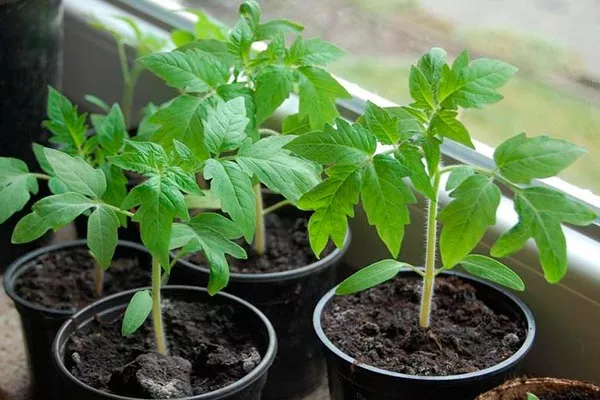
Next, follow the requirements:
- Cover the containers with plastic or glass to create a greenhouse effect and speed up germination. The room temperature should be at least 24°C. Monitor the condition of the topsoil and moisten it with a spray bottle.
- When the third leaf appears on the plants, transplant the seedlings into individual plastic cups. To stimulate root development, pinch off the main root.
The seedlings will grow in cups for about a month before being transplanted into the greenhouse. During this period, they need watering and fertilizing with a nitrophoska solution (15 g per 10 liters of water). A week before transplanting, spray the seedlings with a boric acid solution.
Preparing the greenhouse and planting seedlings
Before the event, disinfect the premises. Follow these steps:
- Fumigate wooden structures with sulfur, and treat metal-frame greenhouses with a bleach solution. Change the soil every five years, and use Bordeaux mixture for disinfection.
- Two weeks before planting, bring the seedlings indoors to acclimate. To plant the young plants, dig holes 50 cm apart and about 15 cm deep. Add granular complex fertilizer containing nitrogen, potassium, and phosphorus—elements essential for growth—to the bottom of each hole.
- Plant the seedlings deep enough to reach the first leaf and tilt them slightly to encourage lateral root formation. After planting, gently compact the soil around them.
- ✓ Optimum soil temperature for planting seedlings: not lower than +15°C.
- ✓ Recommended air humidity in the greenhouse: 60-70%.
To support the plants, drive in stakes or stretch twine from a nearby stake to the greenhouse crossbar to which the growing bushes will be attached.
Care
The Dobryi tomato doesn't require any special care, but to ensure a bountiful harvest, it's important to follow a few guidelines. Experienced vegetable growers recommend following standard agricultural practices.
Top dressing
Every 10 days, fertilize the bushes with a complex fertilizer containing equal amounts of nitrogen, phosphorus, and potassium. Apply the fertilizer both under the roots, dissolved in water, and by spraying the leaves with a 0.2% solution.
Apply foliar feeding in the evening to avoid sunburn on damp leaves. If spots appear on the foliage, fertilize the bushes with calcium. Pale foliage indicates a nitrogen deficiency. Proper fertilization significantly impacts plant productivity.
Pinching out side shoots and garter
The Dobry hybrid is a tall plant that requires special care. Initially, train it to a single stem, removing side branches and side shoots to ensure fruit develops on the main stem. When pinching, remove excess leaves that impede proper air circulation.
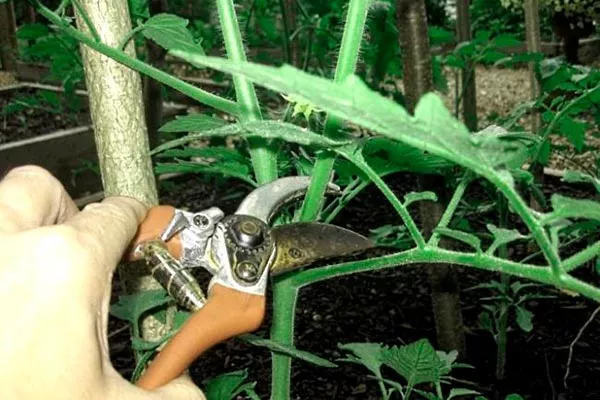
Follow these important guidelines:
- Trim the leaves after the first cluster, located closer to the bottom, begins to bear fruit. Only at this point should you remove the foliage below this cluster. Leave the top leaves alone, as they provide nutrition for the vegetables growing below.
- Once the tomatoes on the lower trusses have filled out, you can remove the next few leaves located above the truss, up to the one where the tomatoes are beginning to fill out. Repeat this process as the plant grows. By August-September, the stem becomes almost bare, and only the upper portion of the plant remains with leaves.
Regularly tie the bushes to the trellis as they grow. An important aspect of care is regular ventilation of the greenhouse to avoid overwatering, which can negatively impact plant development. Ensure a constant supply of fresh air and good ventilation by opening the doors on both sides.
Watering and temperature regime
Tomatoes prefer their roots to be constantly moist and their leaves to be kept in a dry climate. Maintain optimal temperature and humidity conditions in the greenhouse. Nighttime temperatures should be between 16-18°C (61-64°F), and daytime temperatures should reach 25-27°C (77-80°F).
If the temperature is higher and the room is poorly ventilated, pollen may stick together or dry out on the stigma, resulting in a lack of pollination. If only 2-3 fruits are formed after flowering, high temperatures may be the cause.
Diseases and pests, preventive measures
Hybrid tomato varieties are highly resistant to diseases such as fusarium wilt and tobacco mosaic. However, when grown in greenhouses with high humidity, they can become susceptible to late blight:
- The disease manifests as brown spots with green edges on stems and fruits, as well as a white coating on the undersides of leaves. Spores quickly spread to neighboring plants, resulting in the death of inflorescences and flower stalks.
- At the first sign of disease, immediately remove the affected areas and treat the plants with Oxychom, Hom, Bordeaux mixture, or Albit. For prevention, use Fitosporin or copper-containing preparations.
| Disease | Sustainability | Preventive measures |
|---|---|---|
| Late blight | Average | Treatment with copper-containing preparations |
| Fusarium | High | Crop rotation, soil cultivation |
The main measures for preventing late blight include:
- Regular autumn treatment of the greenhouse and soil.
- Crop rotation.
- Sparse planting.
- Constant ventilation of the greenhouse to avoid moisture stagnation.
- Fertilizing the soil with potassium and phosphorus fertilizers.
- Soil treatment with lime and dolomite flour.
- Disinfection of the greenhouse frame using a solution of laundry soap and water.
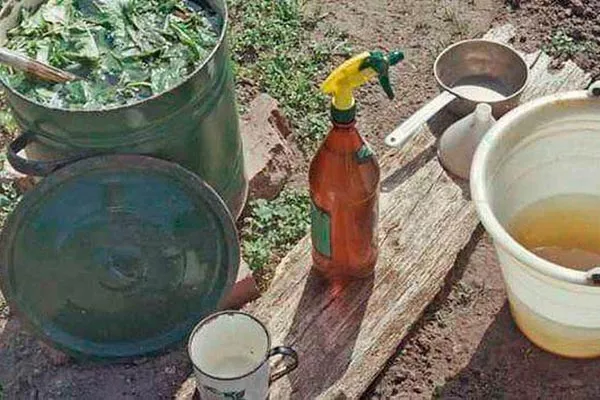
To combat pests (slugs, spider mites, and Colorado potato beetles), use both chemicals and natural remedies. For example, spray the bushes with an infusion of dandelion, garlic, and hot pepper.
Pros and cons
The Dobry hybrid has many advantages that make it an excellent choice for a home garden. Among its advantages are the following:
- Resistance to low temperatures. It can withstand temperatures down to -2°C, which allows it to be successfully grown in cold climates.
- High yield. One bush can produce up to 5 kg of fruit, making it a productive choice for a summer cottage.
- Excellent taste. The pulp is very juicy, sweet, without bitterness or acidity, which makes it ideal for various culinary purposes.
- Versatility. The fruits are used for preparing salads, sauces, juices, and for winter preparations.
- Long shelf life. Vegetables can be stored for up to 2 months without losing their flavor, making them convenient for storage.
- Resistance to diseases and pests. The crop is practically not susceptible to diseases, which makes caring for the bushes much easier.
Among the disadvantages, gardeners note the long maturation of the vegetative part, late ripening of tomatoes, the need to shape the plants and constantly remove side shoots, the use of purchased seeds and the impossibility of cultivation in open ground.
Reviews
The Dobryi tomato is a versatile and easy-to-grow hybrid that will reward you with a bountiful harvest even with minimal care. These sweet and juicy tomatoes are perfect for a variety of dishes and preserves. Although it requires some training, its excellent flavor and disease resistance make it an excellent choice for cultivation.