
The Wild Thyme tomato is grown both outdoors and in greenhouses. This variety is characterized by its fleshiness and rich flavor, as well as its distinctive coloring both inside and out. It boasts high productivity and resistance to various diseases, making it popular among gardening enthusiasts, although it has its own unique characteristics.
History of origin
WildThume GWR is a unique tomato variety developed by American exotic crop expert Bill Jeffers, better known as Papa Vic.
Interesting facts:
- This variety is part of the multi-colored WildThume tomato line, the name of which is written as one word, unlike Russian-language sources, where it is often written separately.
- The name was taken from Janette Abramson's nickname on an American tomato forum. She gave Jeffers seeds of the second-generation Purple Haze hybrid, which launched the series. The second word in the name indicates the cultivar, in this case GWR, which stands for "green when ripe."
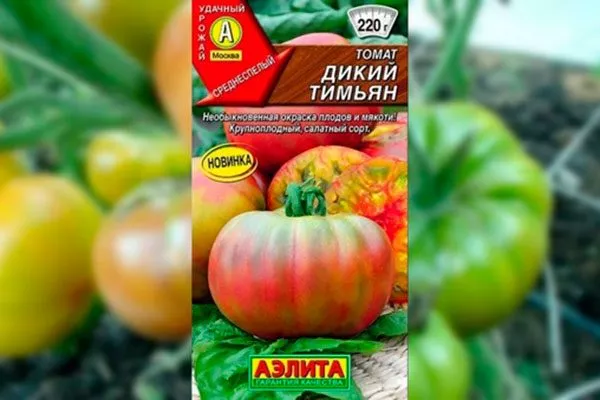
- Previously, Russian gardeners could only acquire WildThume GWR seeds from collectors or through exchanges on forums. Today, they are sold by the Aelita agricultural company in attractive packaging.
Description and characteristics
Wild thyme seeds are susceptible to damage from drafts. However, for greenhouse-grown plants, regular ventilation is essential. Extended periods of drought negatively impact the health of this plant.
What does the bush look like?
Wild Thyme is a tomato variety developed by American breeders and is characterized by early ripening. It has the following characteristic traits:
- the height of the bush varies from 70 to 120 cm and depends on the growing conditions;
- Tomato leaves with a bright green color resemble potato leaves in shape and size, being wide and long, with rounded edges and a pointed end;
- the stems of the plant are strong and thick, capable of supporting the weight of already ripe fruits;
- The first buds are formed above the eighth or ninth leaf of the plant.

Fruit
Many Russian gardeners are unsure when tomatoes are fully ripe, and overripe fruits often lose their texture and appear unappealing. Varietal characteristics:
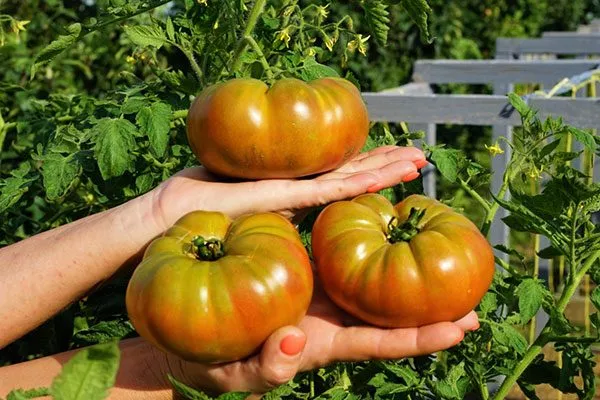
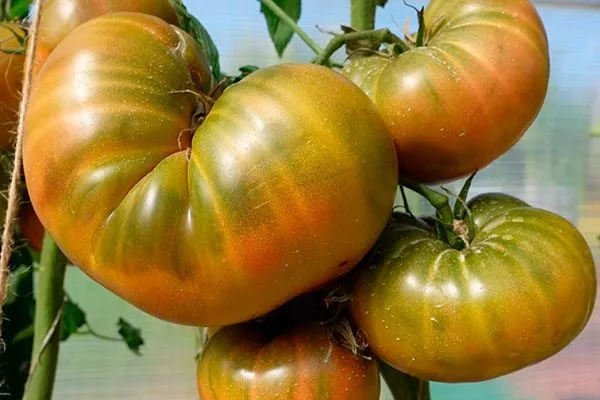
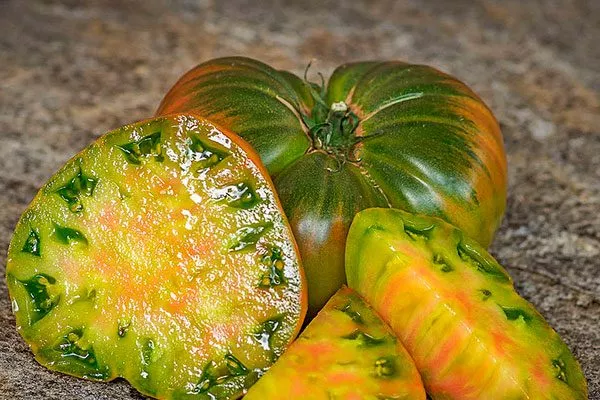
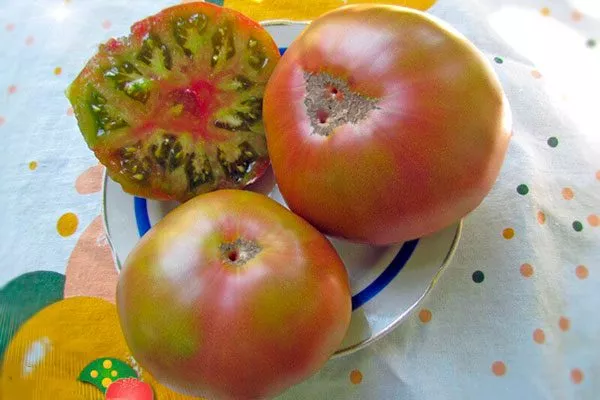
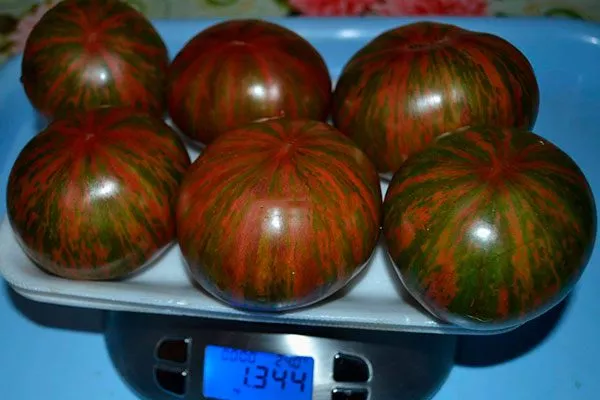
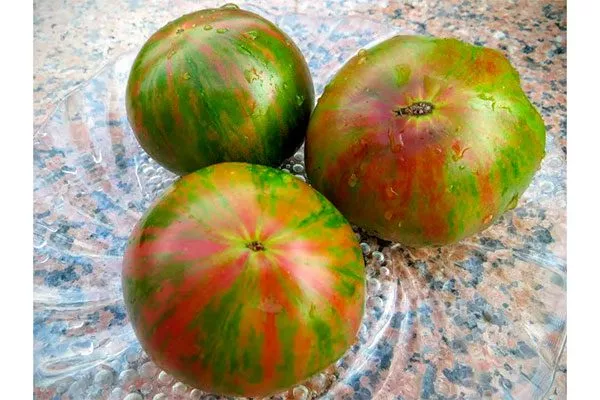
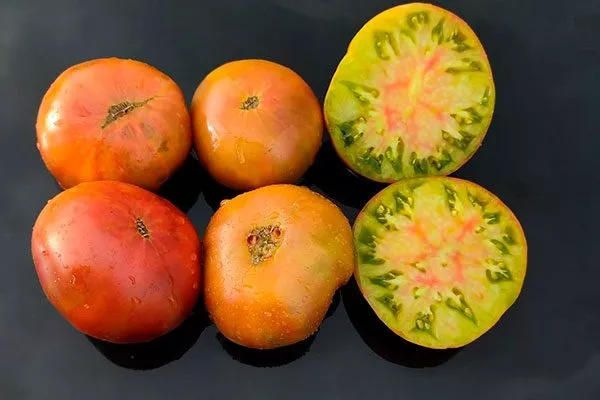
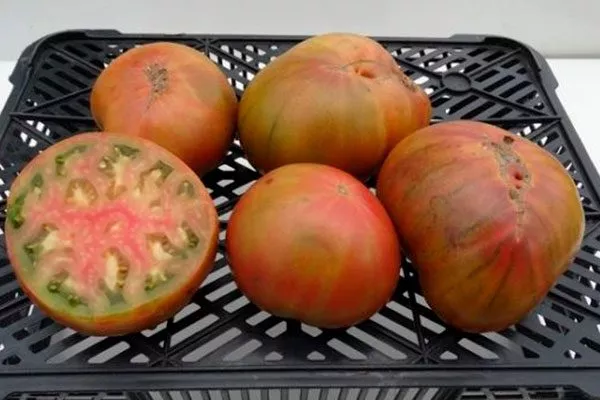
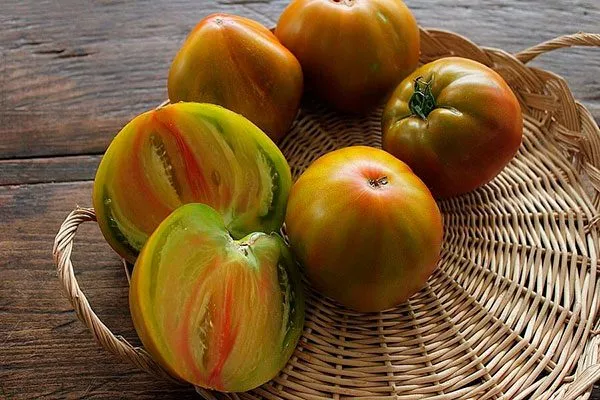
- Wild thyme's color is unusual, and when the tomato is cut in half, the inside looks even more exotic. Initially, the tomatoes are green, then the skin takes on yellowish, pinkish, and terracotta hues, and the greenish-olive color gradually deepens to a richer shade.
Multicolored spots occupy a large area. An overripe tomato takes on a brown tint. - To appreciate the flavor of green tomatoes, try them at different stages of ripening. The ideal stage is when all the colors have appeared on the skin, but the primary hue remains green.
Overripe tomatoes are often soft and lackluster in flavor. But overall, the flavor is rich, sweet, and slightly tart, reminiscent of kiwi, with additional fruity and spicy notes. - The weight of the fruit varies depending on the cultivation methods, the average weight is 170-220 g, but on the lower branches, when formed in a single-stem system or when regulating the ovaries, vegetables weighing up to 500-600 g are found.
- The fruit is flattened and round, although only medium-sized ones are symmetrical, but not always. Large fruits resemble a distorted oval in cross-section.
- Ribbing is moderate to slight, present around the stalk and sometimes extending to the sides. The skin is very thin, and the seeds are small.
- Wild thyme is a true beef, as its fruit chambers are small and well-filled. The walls are thick, and the flesh is juicy, meaty, and oily.
Productivity and ripening time
Wild thyme is classified as a mid-season crop. Ripening occurs 107-112 days after the first shoots emerge. However, weather conditions can sometimes cause slight variations in this timeframe. Gardeners can harvest from July to September.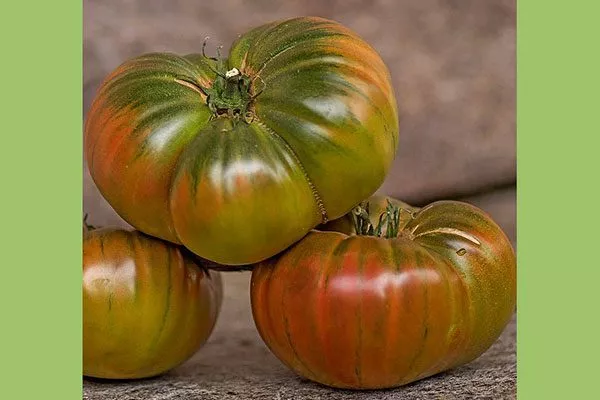
Performance Features:
- in greenhouse conditions, the yield of thyme can reach 10-12 kg or more;
- in open ground the indicator will be slightly lower.
Some sources indicate that a vegetable garden can yield 5-8 kg per square meter. Despite this, the variety is worth considering.
Resistance to diseases and pests
Wild thyme has a strong immune system and is rarely attacked by fungi and parasites when properly cared for and under favorable conditions. However, it is threatened by:
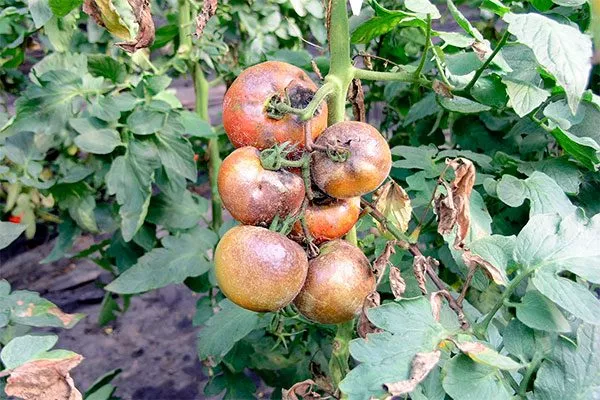
- late blight – This is a disease that can be recognized by dark spots on the leaves, their decay and putrefactive lesions of the fruits, especially in damp and warm weather;
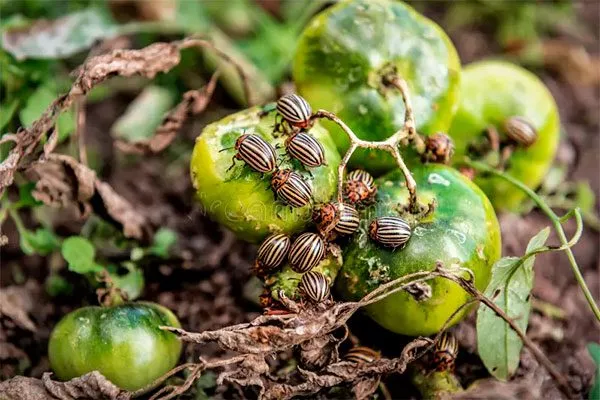
- Colorado potato beetle – an insect with a characteristic striped cover that devastates the leaves and shoots of tomatoes, reproduces quickly and becomes active during periods of heat and drought;
- scoop moth – an insect that lays eggs on tomato leaves, from which caterpillars emerge after a week and feed on the leaves and fruits for a month.
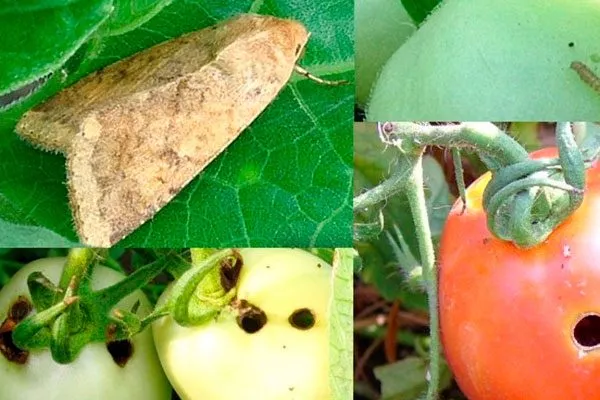
To combat pests, complex methods are used:
- The Colorado potato beetle is caught by hand and treated with Colorado and Destroy, as well as an infusion of onion peels.
- Strela is effective against cutworms, killing both larvae and caterpillars. Apply according to the instructions 3-4 times per season.
- To prevent fungal infections in tomatoes, use copper sulfate solutions and the fungicide Barrier. It's important to focus on prevention, avoiding overwatering and acidification of the soil.

Wild thyme has increased resistance to verticillium wilt, fusarium, bacterial spot and rot, which rarely affect bushes even under unfavorable conditions.
Growing
This variety requires careful attention to agricultural practices. If you follow all care recommendations, you won't encounter any problems. However, if you neglect it, you'll have to work hard, otherwise the variety won't reach its full potential, and the yield will be modest, containing many low-quality fruits.
Sowing seeds
To grow wild thyme, you need to determine the right time to plant the seeds to obtain seedlings. Several factors should be considered:
- regional conditions and climate features in which tomatoes will be grown;
- A weather forecast that can warn of possible frosts, allowing for timely adjustments and avoiding over-harvesting of seedlings—this isn't critical, but it can increase the cost of heating and lighting young plants.
Various methods are used to warm and treat seeds: they are treated or soaked until they swell, and special stimulants are used for low-quality or questionable planting material.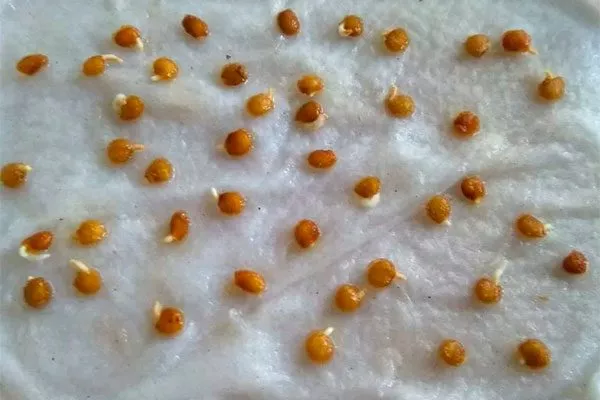
The planting depth is approximately 5 mm to prevent slow germination, reduced emergence, and excessive energy expenditure by seedlings as they break through to the surface, which can lead to their weakening.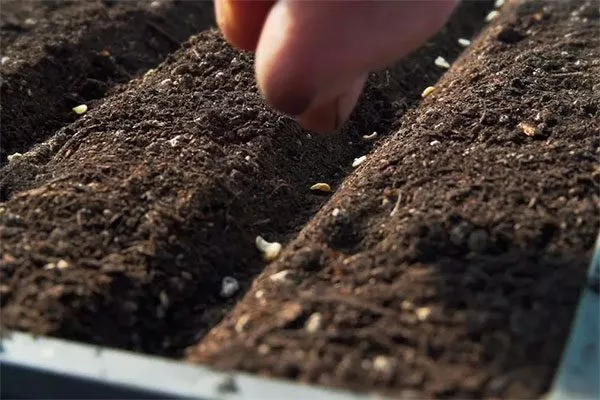
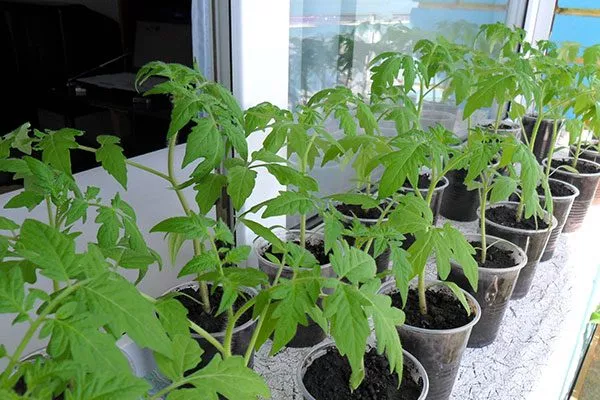
Seedling
Young seedlings are grown in greenhouse-like conditions: the seed container is generously moistened with water and covered with glass or film. Regular ventilation is provided, and condensation is removed.
Peculiarities:
- Wild thyme germinates ideally at a temperature of +23-25°C, with an acceptable temperature range of +20-28°C.
- Immediately after the first seedlings emerge, to prevent the hypocotyls from becoming elongated, the seedlings are hardened off for a week. For optimal growth, the following conditions are required: night temperatures of 10-12°C, daytime temperatures of 14-16°C, and bright, continuous light.
- After the set time, the daylight hours are reduced to 12-14 hours, and the temperature is raised to room temperature, but not below +18°C.
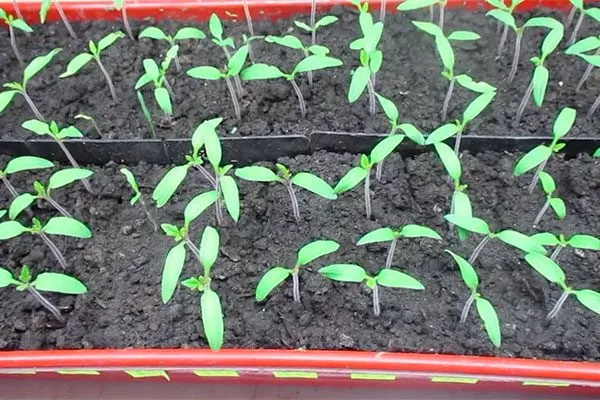
Before transplanting to a permanent location, the following steps must be taken:
- regularly water the seedlings;
- loosen the substrate between waterings;
- after 1-2 true leaves appear, transplant;
- 2 weeks after picking, add a complete mineral complex;
- If you plan to grow wild thyme in the garden, hardening it off by gradually moving it into the fresh air is necessary.
Landing at a permanent location
Wild thyme seedlings should be transplanted when they are 50-60 days old. However, the Aelita agrofirm website contains an inaccuracy in the description: seed producers recommend transplanting seedlings to the garden beds only after 75 days, which is too long even for late-season varieties, and Wild thyme is considered mid-season.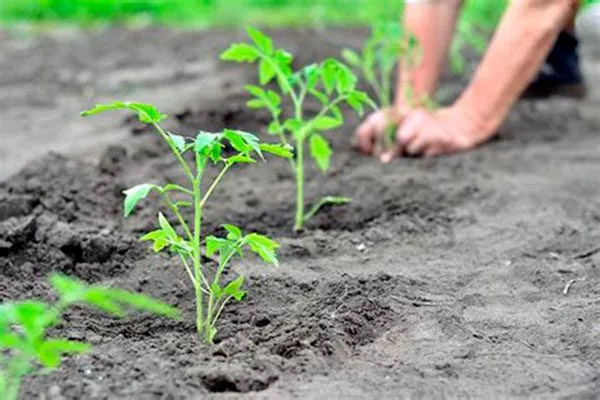
Nuances:
- Before planting in greenhouses or gardens, the soil should warm up to +10°C, and the open air to at least +15°C.
- Agrofirm "Aelita" suggests the following layout for planting tomatoes in beds: 30 cm apart, 80 cm deep. This is especially useful when you plan to train tomatoes into two or three stems.
- Some gardeners prefer to leave up to seven shoots on wild thyme, which reduces the size of the fruit but reduces the risk of cracking, deformation, and blossom-end rot. In this case, the bushes should be spaced more loosely.
The best predecessors for tomatoes include:
- carrot;
- onion;
- dill.
Before transplanting, add a starter fertilizer to the holes if the beds haven't been prepared previously. The seedlings are buried to a depth of the first true leaf, after which they are thoroughly watered and covered with mulch.
How to care?
When growing tomatoes, special attention should be paid to several aspects. The final yield and fruit size significantly depend on the quality of fertilizers and the consistency of irrigation.
Watering
This variety doesn't tolerate excessive soil moisture, but it also dislikes drought. The plant should be watered once every two weeks or more often if needed, depending on soil conditions.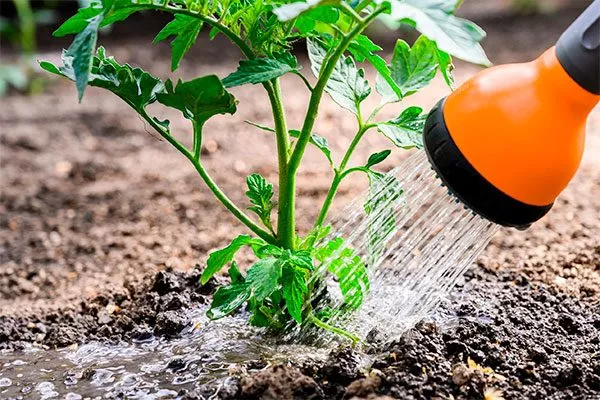
Key requirements:
- Apply water directly to the roots, avoiding contact with the leaves;
- It is advisable to let the liquid used settle and warm it up a little, and carry out the procedures themselves early in the morning or late in the evening;
- Irrigation needs to be uniform and moderate;
- Between waterings, the soil should dry out slightly (by 5-10 cm) to avoid excess moisture and drying out.
Top dressing
During the growing season, Wild Thyme is fed several times:
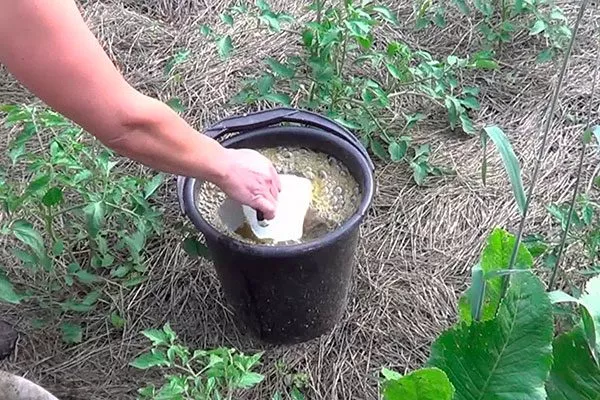
- after the bushes have taken root, use an infusion of bird droppings or mullein with the addition of wood ash;
- when the second flower brush appears, after ten days, 15 g of fertilizers with a high content of potassium and phosphorus are added to 10 liters of organic solution;
- during the period of the beginning of fruit ripening, phosphorus-potassium compositions and organic infusion are used, but in smaller quantities;
- Two weeks after the vegetables begin to ripen, you need to mix 20 g of Superphosphate with 10 liters of Agricola-3 solution and irrigate the plantings using 4 liters of fertilizer per 1 sq. m.
Pinching out side shoots and garter
As the bush develops, remove side shoots. Ideally, leave two or three main stems and remove all other shoots. Side shoots should be removed when they reach 5-7 cm in length. Note that they should be carefully broken off approximately 1 cm from the main stem.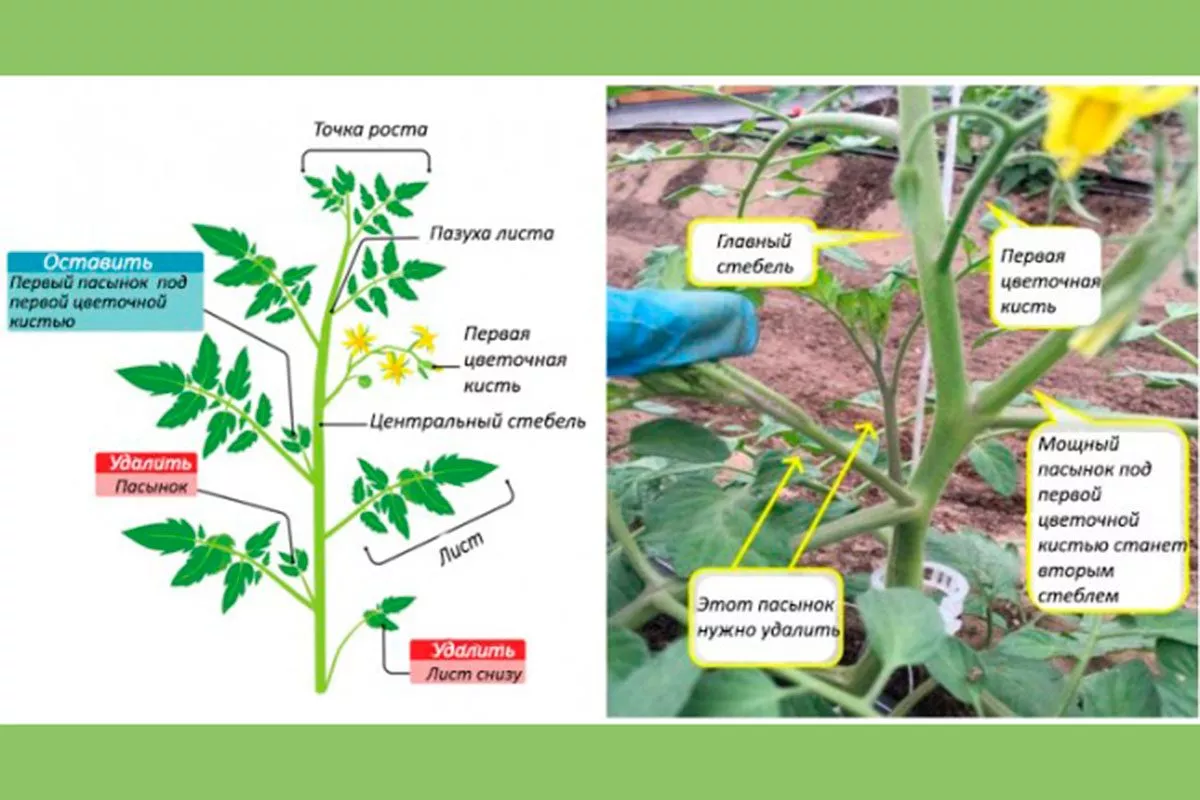
When the wild thyme bush exceeds 1 m in height, it will begin to droop under the weight of its fruit. To prevent the tomatoes from falling over, place wooden or metal supports near the bushes and secure the stems with strong twine or thick thread.
Loosening
Wild thyme is a tomato variety particularly prized for its ability to thrive in highly permeable soil. To ensure sufficient oxygenation for the plant's roots, regular loosening is recommended—at least twice a month, with the soil loosened to a depth of 10 cm.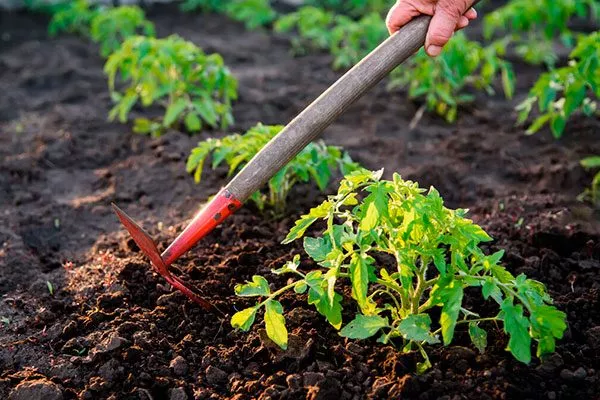
Don't forget about weed control, which not only competes with tomatoes for nutrients, but also contributes to poor aeration and creates favorable conditions for mold growth.
Similar varieties
Wild Thyme tomatoes are distinguished by their flattened, round shape, varied colors, large size, green cut, and sweet flavor. These same characteristics are shared by other exotic tomato varieties, such as:
- Harvard Square;
- Green Copy;
- Captain Lucky;
- Cooper River;
- Rusty Heart of Everett.
Pros and cons
The key point to note is the unique flavor of the Wild Thyme tomato variety. Not all gardeners are satisfied with it, often due to misperceptions about its characteristics. As tomatoes ripen, they not only change color but also flavor, and fully ripe tomatoes can be overly bland.
The flesh's consistency may also suffer, becoming less firm. To find your ideal flavor, it's recommended to taste tomatoes at different stages of ripening.
Bifa Wild Thyme has many benefits:
Disadvantages of this culture include:
Reviews
Wild Thyme from Bill Jeffers is an indeterminate, mid-season tomato variety with multicolored fruits. Its unusual coloring is due to its high chlorophyll and anthocyanin content. This variety is characterized by good immunity but requires careful care. The fruits have a rich aroma, and the flesh is sweet with fruity notes.