
The Wild Rose tomato is characterized by its excellent flavor, weather resistance, and productivity, making it suitable for growing even in areas with risky farming. This variety is ideal for both greenhouse and open-air gardening. Since its introduction, Wild Rose has won the hearts of many fans with its incredibly sweet aroma.
History of creation
Development of the variety began in the late 20th century through the efforts of scientists at the Transnistrian Research Institute of Agriculture, located in Tiraspol. The following specialists participated in the development of the new variety:
- Guseva L. I.;
- Nikulaesh M. D.;
- Kachainik V. G.;
- Sadykina E. I.
It was this team that initiated the process of registering the variety in the State Register of Breeding Achievements, working with the Aelita agricultural firm. Over the course of two years, the variety underwent rigorous testing and analysis. In 1999, Wild Rose was officially approved by the global agronomic community.
This variety is recommended for cultivation in private garden plots and for industrial purposes, with no restrictions on geographic zones.
General characteristics of the Wild Rose tomato variety
In the south of the country, the variety grows successfully and produces a harvest in open soil, while in the central and northern regions it is grown in greenhouse structures without additional heating.
Appearance of bushes
The wild rose is a bush with a branched crown, reaching a height of two meters. Like other continuous-growing plants, it requires regular pruning and support. Key external characteristics include:
- The leaves are green, large in size, and in huge quantities (the foliage is strong).
- The inflorescence is a simple raceme. The first develops above the ninth leaf, and subsequent ones develop one or two leaves apart. Each raceme typically contains three to four ovaries.
- The peduncle has a narrow joint with the tomato.
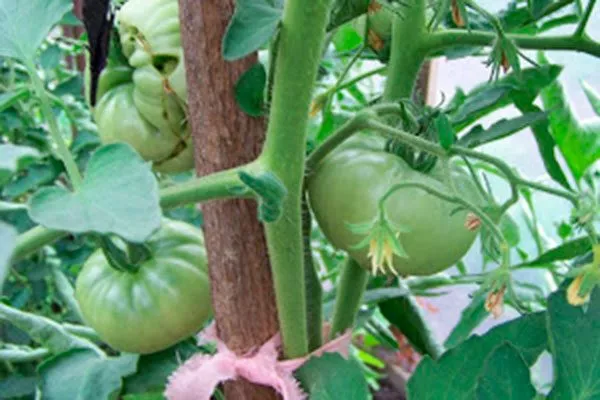
The abundance of leaves protects tomatoes from direct sunlight. As time passes and the fruit ripens, it's necessary to gradually remove the green matter, starting from the lower parts of the plant. Greenhouse tomatoes require regular ventilation to prevent fungal infections.
Description of the fruits of the Wild Rose variety
The fruits of the Wild Rose variety are large and pink in color. They are slightly flattened and ribbed, so uneven skin coloring may occur during the initial stages of development. However, this is not a cause for concern, as the greenish and yellowish hues fade over time.
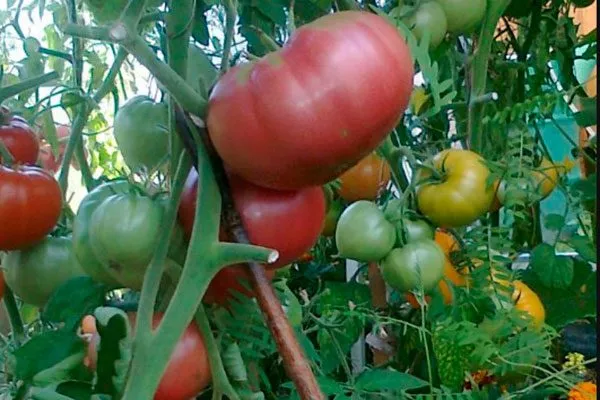
Fruit characteristics:
- rounded format, slightly compressed at the top and bottom;
- the skin is smooth, with a slight shine;
- ripe tomatoes are a pleasant pink color;
- they are medium-sized, weighing 300-350 g;
- there are 4-6 seed nests inside;
- the pulp is not liquid, but fleshy, juicy, without voids;
- the skin is thin;
- 3-4 fruits ripen on one brush;
- moderate acidity, sugar content reaches up to 3.7%, and dry matter content – up to 7%.
Wild Rose tomatoes are not prone to cracking, but their thin skin is not suitable for long-distance transportation. Their shelf life is limited, no more than 1-2 weeks. To extend their shelf life, it is recommended to pick tomatoes from the vine before they are fully ripe.
Ripening time and yield
This variety is characterized by early maturity, as the period from the emergence of the first green shoots to fruit ripening takes approximately 110-115 days. The main harvest traditionally occurs in the third ten days of July and continues throughout August. However, this timeframe may vary depending on the specific climate of the growing area.
One square meter of soil can yield up to 5.5-6 kg of delicious and juicy tomatoes. To maximize the yield, it's important to select sunny plots for cultivation. However, in areas with more unfavorable climates, growing tomatoes without protective structures such as greenhouses is not recommended.
Scope of application of fruits
Particular attention should be paid to the excellent flavor characteristics of tomatoes. Mature fruits are characterized by high juice content, fleshiness, and a sweet tomato aroma. These qualities make the harvest ideal for fresh-picked consumption and suitable for a variety of preserves.
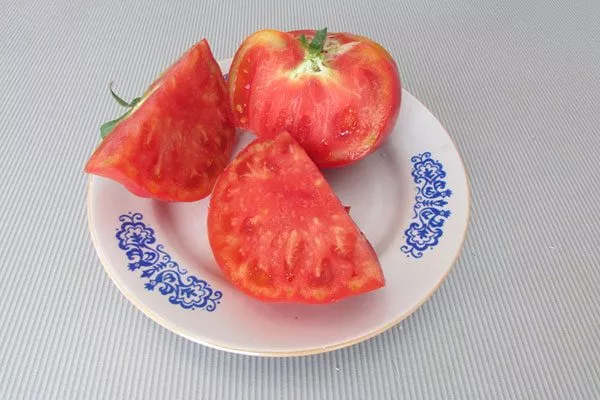
To preserve the maximum amount of vitamins, tomatoes can be frozen or dried. This variety is an excellent ingredient for preparing a variety of dishes:
- juice;
- vegetable sauce;
- paste;
- fresh salads and slices;
- first and second courses.
Resistance to diseases and pests
Wild Rose bushes are highly resistant to fungal diseases, including spotted mosaic, and are rarely attacked by insect pests. However, to ensure maximum crop protection, preventative measures are recommended.
Regions, resistance to adverse weather conditions
In terms of adaptability to various weather conditions, this variety is resistant to high temperatures, as well as excess sulfates, chlorides, sodium carbonates, and other salts in the soil. It can tolerate increased soil moisture, but is sensitive to sudden cold snaps and prolonged rainfall.
Wild rose is ideal for farming in such districts as the North-West, Central, North Caucasian, Ural, West Siberian, East Siberian and Far Eastern, as well as in:
- Central Black Earth Region;
- Middle Volga and Lower Volga regions:
- Volga-Vyatka region.
Features of planting and growing
This variety is primarily intended for seedling cultivation, but in the south, direct sowing of seeds into the soil is acceptable. This method will delay harvesting by two to three weeks, thereby eliminating the Wild Rose's key advantage—its early ripening.
- ✓ Optimum soil temperature for sowing seeds: not lower than +25°C.
- ✓ Required air humidity in the greenhouse: 60-70%.
- ✓ Required amount of light per day: at least 12 hours.
Preparation
For wild rose seedlings to thrive, they require a soft, fertile, and well-moistened substrate. This can be purchased at a gardening store or created at home using the following ingredients:
- 3 parts garden soil;
- 1 part each of peat, sand and organic matter (compost, humus, etc.);
- For 10 kg of mixture – 200 g of charcoal and 1 tbsp of superphosphate.
For planting purposes, it is recommended to select seeds directly from the variety's creator, Aelita. High-quality planting materials are also available from other reliable producers, including:
- "Agrosuccess";
- "Siberian Garden";
- Plasma Seeds;
- "Agreks";
- "Search";
- "SeDeK".
If there is no information on pre-treatment on the seed packaging, you will need to do it yourself:
- Soak in a salt solution (1 teaspoon of salt in 200 ml of water for 10 minutes). Seeds that float to the surface are not suitable for planting.
- For disinfection, it is recommended to soak the planting material in a weak solution of potassium permanganate for 20 minutes, then rinse with running water and dry.
- To increase germination, use any growth stimulants in accordance with the instructions.
- Sowing sprouted seeds increases the germination rate. Place the seeds in cheesecloth, moisten with warm water (at least 25 degrees Celsius), and leave in a dark, warm place for 3 days. Once sprouts appear, the seeds are ready for planting.
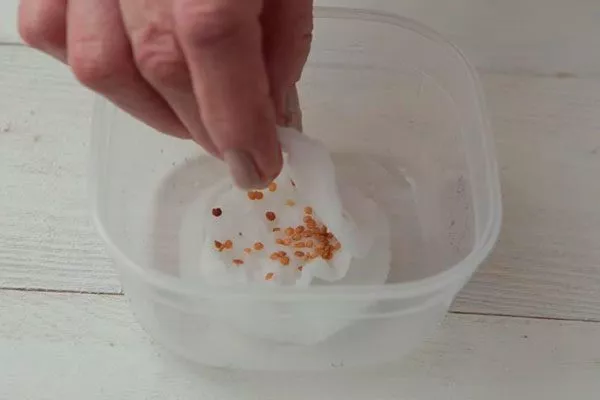
Seeds can be placed in a variety of containers, from a common wooden box to individual disposable plastic cups or peat pots.
Sowing seeds for seedlings and growing them
Sowing and subsequent care of seedlings is carried out according to the standard scheme:
- Prepare containers for future sprouts and disinfect them. For plastic and wooden containers, use boiling, while peat pots require no additional treatment.
- Fill the containers about two-thirds full with fertile potting mix.
- Spray it with cool, settled water.
- On the surface of the substrate, create furrows to a depth of 1.5 cm, while maintaining a gap of 3 cm between them.
- Place the seeds in them and sprinkle with a thin layer of soil or peat.
- Moisten the soil again with a spray bottle. This will prevent the seeds from being washed out of the holes.
- Cover the containers with plastic wrap or clear glass.
- Move the seedling trays to a room with a temperature of 25°C for stable growth. Until the sprouts form, periodically open the seedlings for ventilation and water them to prevent the soil from becoming crusty.
- In 7-9 days, you'll see the first green shoots. After this, remove the cover and move the seedlings to a bright spot, such as a windowsill or a heated balcony. The temperature should be moderate – 18°C – to prevent the plants from stretching excessively. Keep the seedlings in this position for about 7-10 days.
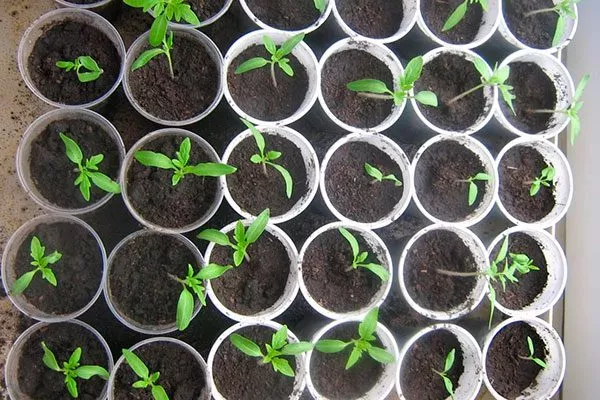
Please note some subtleties:
- During the first week after the seeds have sprouted, leave them at a temperature of about +18°C, and then move them again to an appropriate room with a temperature of +23°C.
- When the first 2-3 true leaves appear on the seedlings, you can begin transplanting them into larger pots. It's best to use separate containers, as this will make it easier and quicker to remove the seedlings when transplanting them to their permanent location.
- During the growing process, feed the seedlings twice using a complex of mineral fertilizers.
- Watering should be carried out as the top layer of soil dries out.
- Two weeks before finally moving the seedlings to their permanent growing location, begin hardening them off by placing them outdoors. This will speed up the plants' adaptation to the garden bed conditions and increase their survival rate.
Transplanting seedlings into a greenhouse or open ground
The best time to transplant seedlings into a greenhouse is from May 10 to 20, and it is recommended to transfer them to open beds after May 20, up until June 10, when the soil has warmed up well.
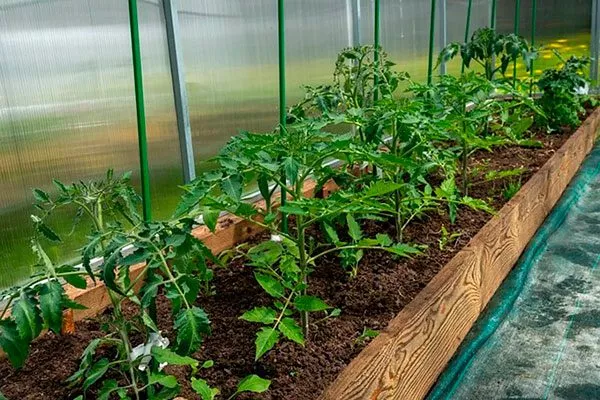
Although wild roses can grow in a variety of soil types, for their health and productivity, it's best to use aerated and nutritious soil enriched with wood ash, humus, or peat. Some gardeners add mineral mixtures to the beds before planting.
The process of planting seedlings in the ground includes the following steps:
- Dig holes 35 to 40 cm deep, placing them in a checkerboard pattern with an interval of 50 x 60 cm.
- Water the seedlings the day before they are moved to make it easier to remove the root ball.
- Water the holes before planting – add about 4-5 liters of water to each hole.
- Remove the seedling from the pot and carefully place it in the hole, holding it upright.
- Fill with fertile soil up to the level of the cotyledon leaves.
- Firm the soil firmly around the roots and water additionally.
There are several key aspects to consider:
- Immediately after repotting, install supports to secure the plant. The ideal height is 160-200 cm. This can also be done while filling the holes for planting.
- To protect young bushes from cold weather in open ground, create a protective shelter using metal arches and polyethylene film. Alternatively, you can use agrofibre.
- Up to three plants can be placed in an area of 1 square meter, which will allow each of them to receive a sufficient amount of elements and moisture necessary for growth and development.
- During the first week after repotting, avoid over-watering the soil. During this period, the plant's root system has not yet fully adapted to the new conditions, making it difficult for the plant to absorb moisture. This property often promotes rot.
Further care of tomatoes
The Wild Rose cultivar requires careful and experienced care. At first glance, it appears to be a typical indeterminate (unrestricted growth) early-ripening variety with no special requirements. However, to ensure delicious produce and a bountiful harvest, all care must be taken.
Fertilizing and watering
Fertilizer selection for Wild Rose should be carefully considered. Best results are achieved with regular monthly fertilization. We recommend using Humate-Super fertilizer, preparing a working solution of 20 g per 1 liter of water (at a liquid temperature of approximately 30°C). Apply the solution at a rate of 4.5-5.5 liters per 1 square meter.
- First feeding: 2 weeks after transplanting, use complex mineral fertilizer.
- Second feeding: during the flowering period, increase the proportion of phosphorus and potassium.
- Third feeding: during fruiting, use organic fertilizers.
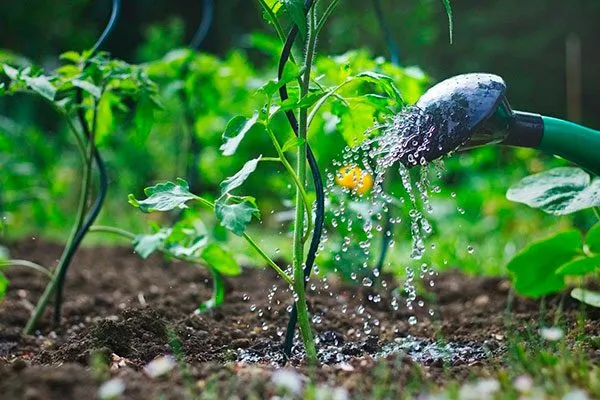
The variety is particularly sensitive to moisture rules:
- The best option is to install drip irrigation, but regular watering is also acceptable;
- young plants should be watered once a week, using 1-1.2 liters of water per bush;
- In hot and dry weather, adult tomatoes need to be watered daily, and on cloudy days – once every three days.
Pinching, shaping, loosening and weeding
To harvest fruit as quickly as possible, grow bushes with a single main stem, carefully removing any side shoots. This approach will ensure a harvest of large, tasty fruit.
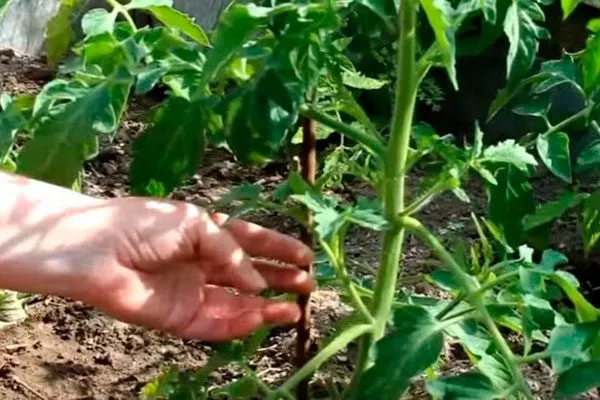
Main events:
- It is necessary to regularly loosen the surface of the soil in the tree trunk circle after watering to reduce moisture evaporation.
- An effective solution is to use mulch, which will absorb excess moisture and prevent the growth of weeds that take nutrients from the fruit.
- One of the most effective methods of protecting soil from drought, cracking and pests is spreading mulch between rows.
Harvesting and storage
The fruit is harvested when it's fully ripe. If for some reason you have to pick it early, don't worry: it will ripen further indoors, preserving its flavor and appearance.
Tomatoes travel well, although their downside is that they don't keep well for long—after a while, they begin to dry out and spoil. This variety can only be transported short distances.
Disease prevention and pest control
Domestic tomato varieties have increased resistance to viral and mycelial diseases. However, to prevent their occurrence, it is recommended to annually renew the topsoil in the greenhouse. Before filling, it is important to treat the new substrate by soaking it in water with potassium permanganate. The same applies to disinfecting the plants themselves.
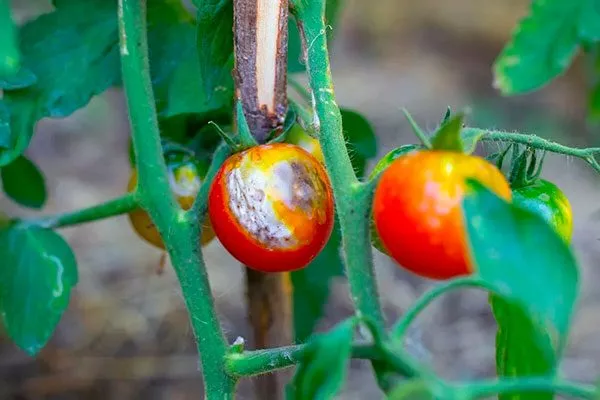
Features of insect resistance:
- To combat pests, you can use water with ammonia or a soap solution. It's important to avoid getting these products into the soil.
- Spider mites are effectively destroyed by insecticides, and their use should begin before budding begins on the bushes.
- Mulching the bed with straw or peat will help protect plants from slugs.
Pros and cons
Before choosing a particular variety, it is important to carefully study its characteristics.
Reviews
Wild roses have unique qualities: they produce delicious fruit, but even a small harvest requires considerable effort. This variety is very popular among gardeners due to its positive characteristics. The plant is undemanding in terms of care and is suitable for both outdoor and indoor cultivation.