
The Detsky tomato is a popular variety and a true gem for any garden or windowsill. Its compact bushes and delicious, vibrant fruits attract not only gardeners but also those who appreciate fresh, healthy vegetables. This variety is characterized by early ripening, strong immunity, and good productivity, provided it receives proper and timely care.
Features and characteristics of the Cherry Tomato "Children's"
This early-ripening, determinate ornamental plant is renowned for its low-maintenance care and adapts well to the climatic conditions of the CIS countries. Tomatoes are grown both for personal consumption and for sale. They are successfully cultivated in greenhouses, garden beds, pots, and even on balconies.
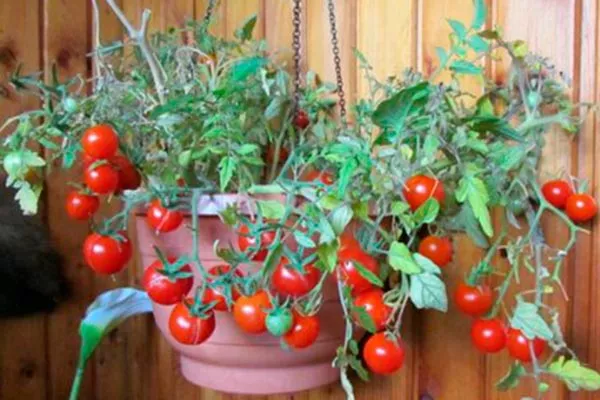
Description of the plant
Low-growing shrubs with distinctive ornamental qualities. They are compact, standard-type plants, reaching up to 50 cm in height. They form simple inflorescences and do not require pinching.
The leaves have a characteristic tomato shape: pointed at the ends, smooth on the surface, and slightly pubescent. They are a rich green color.
Fruits and their taste qualities
The tomatoes are oval-shaped and weigh between 15 and 20 grams. When fully ripe, they turn bright red. Each cluster produces 6-8 fruits.
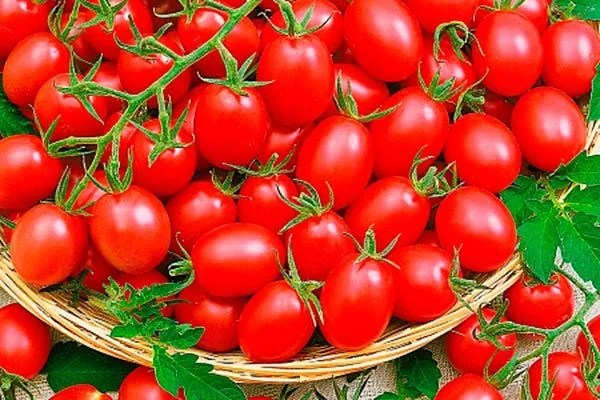
The bushes are decorative during flowering. This variety has a pleasant flavor: the dense flesh is rich in sugars, making the vegetables sweet and juicy.
Ripening and fruiting
The Detsky variety is an early-ripening one, beginning to bear fruit 85-90 days after germination. In greenhouse conditions, ripening occurs earlier. Harvesting begins in early June and continues until mid- to late August.
Tomato yield "Children's"
With proper agricultural practices, the crop demonstrates excellent productivity. Approximately 6-7 kg of fruit are obtained per square meter, and this figure is even higher in greenhouse conditions.
Disease resistance
This variety is characterized by high immunity and resistance to most common diseases and pests. However, without proper care, the plant's protective properties are significantly reduced.
Where is it grown?
The crop is successfully grown outdoors in the southern regions and the Moscow region. In areas with harsh climates, the shrubs are grown in greenhouses or on balconies.
Methods of application
The Detsky tomato variety is versatile. The fruits are suitable for canning, pickling, summer salads, and winter preserves. They are often used for processing into sauces, marinades, vegetable purees, and juices.
Planting times and rules
Growing seedlings doesn't require any special skills, but it's important to follow a few key points to ensure healthy and strong plants. Follow these recommendations:
- Purchase planting material from specialized stores or reputable producers. Before planting, disinfect the seeds: soak them in a weak solution of potassium permanganate or a special disinfectant, and dry.
- Use light, fertile, and well-drained soil. A ready-made seedling mix is suitable. You can also make your own by mixing equal parts peat, humus, and sand. The soil should be neutral in pH.
First, water the soil with a weak solution of potassium permanganate to prevent diseases. - Sow seeds 60-65 days before the expected planting date in the garden or greenhouse. Place the seeds in containers or seedling trays at a depth of about 1 cm. Lightly cover them with soil and gently moisten.
To speed up germination, cover the container with film or glass and place it in a warm place with a temperature of +23-25°C. - Once the first shoots emerge, remove the film and move the containers to a well-lit location to prevent the plants from becoming leggy. Make sure they receive 12-14 hours of light per day. If natural light is insufficient, use grow lights.
Water the seedlings regularly, but moderately, so that the soil does not become too wet. - When the seedlings have 2-3 true leaves, transplant them into separate containers to allow them to develop and strengthen. Carefully separate them, being careful not to damage the roots.
- Two weeks after transplanting, apply fertilizer using a weak solution of a complex composition. Subsequently, feed the seedlings 1-2 times a month using liquid fertilizers for seedlings.
- A week before planting outdoors, begin hardening off the plants. To do this, gradually increase the time the plants spend outdoors or on the balcony. Initially, leave them outside for 1-2 hours, increasing the amount of sun exposure each day.
- ✓ Optimum temperature for seed germination: +23-25°C.
- ✓ Required daylight hours for seedlings: 12-14 hours.
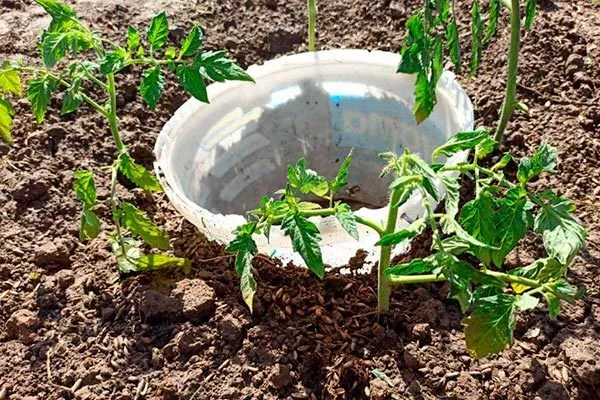
Plant seedlings outdoors or in a greenhouse in mid- to late May, once the threat of night frosts has passed and daytime temperatures have stabilized. Choose sunny, draft-free areas for planting. Light daytime shade is acceptable.
The soil should be light, well-drained, and fertile, with a neutral pH. If the soil is too loose, mix it with river sand. Two weeks before planting, dig the area to the depth of a spade to remove weeds and improve aeration.
Two to three days before planting, prepare holes 20-25 cm in diameter and 15-17 cm deep. Place a drainage layer of 20 g of wood ash and onion peels at the bottom. Soak the seedlings in a growth stimulant such as Epin or Zircon for 2-3 hours.
Step-by-step algorithm:
- Carefully place the seedling with straightened roots into the hole.
- Fill with soil and lightly compact it around the stem.
- After planting, water each plant with settled water (approximately 1.5 liters per bush).
Care instructions
The Detsky variety's bushes require proper attention and care. To ensure a good harvest, follow these simple cultivation practices:
- Water the bushes 3-4 times a week, pouring water at the roots. The recommended rate per plant is 3 liters. In hot weather, increase the frequency to 5 times a week. Avoid overwatering the soil to prevent root rot.
- During the active growth stage of green mass, feed the seedlings with nitrogen. Two weeks after the first feeding, add phosphorus and potassium. After another two weeks, use commercial nutrient solutions containing all the necessary elements for tomato development.
Stop fertilizing two weeks before the expected start of fruiting. - After each watering, rake the root zone with a fine rake to improve soil moisture retention. Weed at least once a week.
Train the bushes into 2-3 stems. To do this, pinch the tops using disinfected pruning shears. This technique promotes abundant fruiting and larger fruits.
Pest and disease control
The crop is characterized by high resistance to late blight, thanks to its rapid maturation and abundant yield. The variety is virtually immune to blossom-end and root rot.
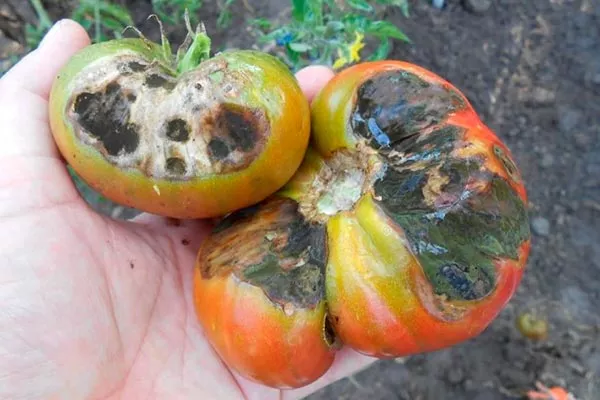
Home-grown tomatoes often suffer from Fusarium wilt. This fungal disease is caused by high humidity. Symptoms include yellowing of the leaves, curling, lightening of the veins, and rapid death of the lower plants.
Prevention includes:
- regular ventilation of the room;
- loosening the soil;
- compliance with the irrigation regime.
If a bush becomes infected, remove it and treat the soil, as the fungus spreads quickly. The plant does not tolerate overwatering or cold watering.
Pros and cons
Before you start growing seedlings, make sure you have studied all the pros and cons of the variety.
Among the negative qualities, some vegetable growers note the limited number of tomatoes in each bunch and their small weight.
Reviews
The Detsky tomato is an excellent choice for those who want delicious tomatoes early in the season. Its compact size, low maintenance, and high yield make it ideal for experienced gardeners and even beginners. Its tasty and juicy fruits are perfect for both summer salads and winter preserves. Proper farming practices are essential for a bountiful harvest.