
The "Children's Sweetness" tomato is deservedly a favorite among gardeners. Its early maturity, low maintenance, and excellent flavor make it ideal for growing in small plots. With proper care and timely preparation, this variety will provide tasty and healthy tomatoes with minimal labor.
Historical facts
Detskaya Sladost' is not a hybrid variety. It was created by Moscow breeders at the Vegetable Crop Selection Research Institute. In 2011, it was added to the state register. Since then, it has become popular.
Description and characteristics of the tomato variety "Children's Sweetness"
Every year, this variety becomes increasingly popular among gardeners. It is successfully grown in a wide range of climates—from the hot and arid south to the cool and short summers of Siberia.
Appearance of bushes
"Children's Sweetness" is a low-growing variety. The plants are compact, reaching a height of no more than 60 cm, with slender stems. The leaves are small and light green. This variety is determinate, meaning it stops growing after the flower cluster forms at the top.
Description of the fruits of the Children's Sweetness variety
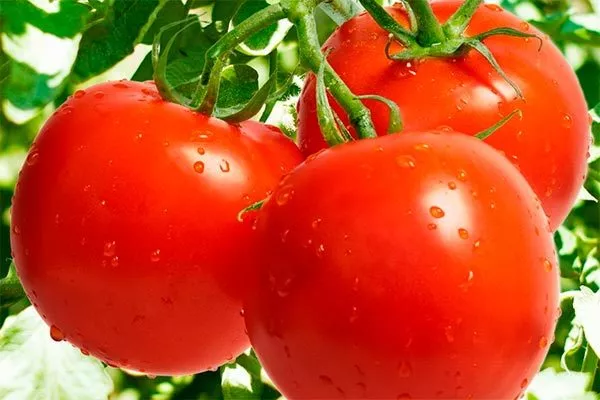
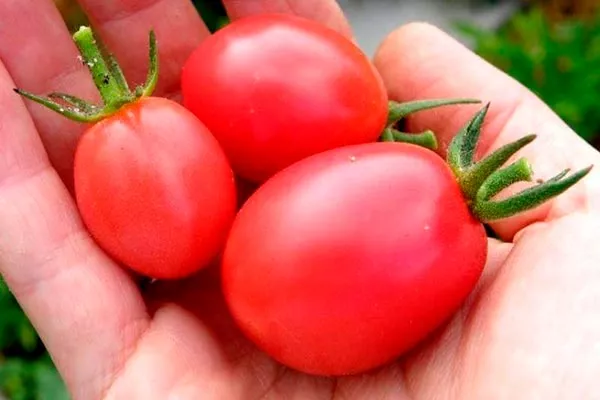
Small tomatoes weighing between 50 and 70 grams. The fruits are ovoid, with bright red, smooth skin. The flesh is medium-firm. Ripe tomatoes have good shelf life and are resistant to cracking, ensuring long-term storage.
Taste characteristics
This delicacy has an excellent sweet taste with a juicy, sugary pulp. The fruits are rich in vitamins and microelements, making them particularly beneficial. This variety is widely used in baby food and dietary nutrition.
- ✓ The height of the bushes does not exceed 60 cm.
- ✓ Fruit weight varies from 50 to 70 g.
- ✓ Ripening period: 80-85 days after emergence.
Ripening time
This is an ultra-early variety—the tomatoes ripen 80-85 days after germination. The harvest period is from mid-June to late August, although the exact timing depends on the region's climate.
Tomato yield "Children's sweetness"
One square meter of Detskaya Sladost tomatoes yields approximately 6 kg. Good productivity is ensured by a short growing season and proper plant care.
Disease resistance
The crop is characterized by resistance to common diseases such as fusarium wilt, verticillium wilt, and blossom-end rot. Thanks to its short growing season, the variety is less susceptible to late blight—plants produce their main crop before the disease appears.
To maintain a high level of immunity, it is recommended to carry out preventive treatment of seeds and soil before planting.
In what regions is it grown?
Variety testing confirmed that the "Children's Sweetness" tomato is suitable for cultivation in all regions of Russia. Its high tolerance to temperature fluctuations and drought allows it to maintain productivity in any conditions.
It is recommended to cultivate this variety in film greenhouses and hothouses, but many gardeners successfully plant it in open ground, obtaining a good harvest.
Purpose and application
These tomatoes have a balanced flavor, making them ideal for fresh eating and summer salads with greens. Their small size makes them ideal for whole-fruit canning—the skin doesn't crack during cooking, and the flesh retains its firmness.
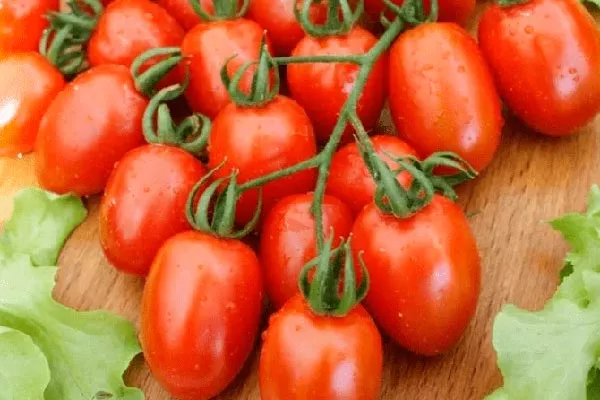
Tomatoes are used to make tomato juice, lecho and paste.
Planting seedlings and transplanting into the ground
The future yield of a crop depends on proper cultivation. It's important to follow certain rules.
Timing of planting seedlings and transplanting into the ground
The preferred method for growing the "Children's Sweetness" tomato is from seedlings, although in southern regions, a direct-seeding method is also possible. Sow the seeds 40-50 days before planting them in their permanent location, which is usually in late March or early April.
Follow these recommendations:
- Transplant seedlings in mid- to late May, when the threat of night frosts has passed.
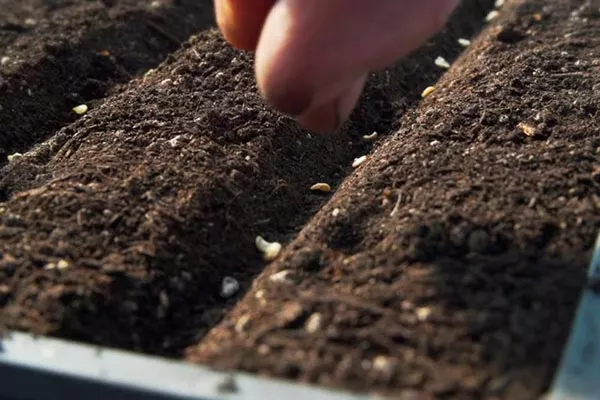
- Fertile soil, such as store-bought gardening mix, is ideal for germinating seeds. Before sowing, moisten the soil thoroughly and make furrows 1-1.5 cm deep.
- To ensure even germination and avoid the need for thinning, plant seeds 3-4 cm apart.
- The best sowing method is individual seedling trays, with 1-2 seeds placed in each compartment. This allows the seedlings to root more quickly after transplanting, minimizing stress.
- Plants require plenty of sunlight to grow properly. Insufficient light can be compensated for with fluorescent lamps to prevent the seedlings from becoming leggy.
The "Children's Sweetness" tomato is most often grown in greenhouses, but in southern regions it can also be planted in open ground. The soil should be fertile and well-drained.
Planting tomato seeds for seedlings
Prepare wide containers 15-20 cm high with drainage holes and fill them with a loose, nutrient-rich substrate consisting of turf, sand, humus, and leaf mold in a ratio of 2:1:1:1. The recommended seed planting depth is 0.5-1 cm.
- ✓ Optimum soil temperature for planting seeds: +22-23°С.
- ✓ Recommended seed planting depth: 0.5-1 cm.
- ✓ Required daylight hours for seedlings: at least 12 hours.
After sowing, moisten the soil thoroughly, cover the containers with plastic wrap or glass, and then place them in a dark, warm place with a temperature of 22-23°C. Under these conditions, sprouts will appear in 5-7 days.
Move the containers to a bright windowsill, lower the temperature to 18-20°C, and provide at least 12 hours of daylight. Once the seedlings have established themselves, acclimate them to outdoor conditions by removing the plastic or glass.
Conditions and care of seedlings
When the two true leaves are reached, transplant the "Children's Sweetness" seedlings into individual containers. Ten days later, apply the first fertilizer with Kemira Lux or nitroammophoska. Care for the seedlings includes regular watering at the roots as the top layer of soil dries out.
During the first three weeks, the growth of seedlings will be slow, which is normal for this variety.
Transplanting seedlings into a greenhouse and open beds
Plant seedlings in the greenhouse in May, but some gardeners successfully transplant them to open beds in early June. Follow these rules:
- Before transplanting, harden off the seedlings for two weeks. To do this, gradually move the plant containers onto the balcony or outside, starting with a few minutes a day and gradually increasing the time spent outdoors. This process helps the seedlings adapt to the outdoor conditions more easily.
- The crop prefers fertile, well-aerated soil. When planting outdoors, raised beds are recommended to allow the plants to warm up better in the sun.
- The day before transplanting, water the seedlings generously to facilitate the removal of the root ball and to give the bushes additional energy before the stressful procedure.
- Even though this variety is a determinate plant, it still requires support. The stems often break under the weight of the fruit, so install a trellis or insert stakes into the holes for additional support.
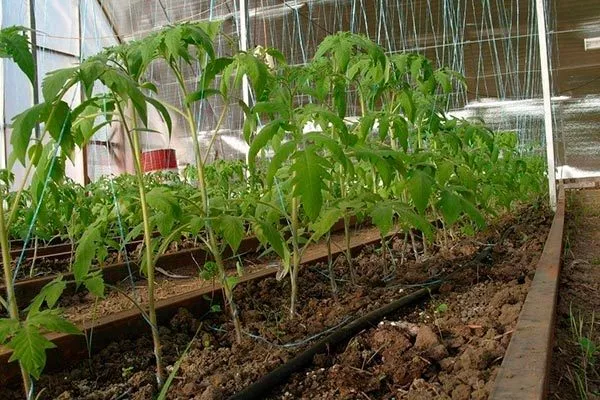
For planting, prepare holes deep enough to accommodate the roots and soil. The recommended planting pattern is 40 cm between plants and 50 cm between rows, allowing for up to 6 plants per square meter.
Sowing seeds in open ground
Plant in garden beds at the end of May, when the soil has warmed up completely and the threat of night frosts has passed. Prepare the soil beforehand by fertilizing it with humus or a complex fertilizer. Tomatoes respond well to nitrogen and potassium fertilizers and require micronutrients such as magnesium, boron, and iron.
Please consider the following points:
- Dig up the soil thoroughly and fertilize it.
- Do not soak the seeds and sow them dry.
- Pour warm or hot water into the hole before planting.
- Place 3-4 seeds in each hole, then cover them with humus.
- Cover the beds with thick film until the seedlings appear, and in cold weather do not remove it prematurely.
Feed young plants with minerals and water regularly.
Further care
The "Children's Sweetness" variety doesn't require complex care. However, proper attention to the plant directly impacts its yield.
Watering
Water the plants in the morning, avoiding contact with the stems and leaves. The water temperature should be between 20-25°C and should be settled. Some gardeners recommend using rainwater. If the outside temperature drops, suspend watering.
Loosening and mulching
Proper soil care is a key step in growing the Detskaya Sladost tomato variety. Loosening the soil and mulching help maintain optimal conditions for plant growth and development. Loosening the soil helps oxygenate the soil, which is important for root health.
After each watering or rain, a crust forms on the soil surface, preventing air from entering. To prevent this, loosen the soil to a depth of 4-5 cm. Do this for the first time 5-7 days after planting.
Mulching helps retain soil moisture, prevent crusting, and suppress weed growth. Use organic materials for mulch: straw, sawdust, peat, or compost. Apply mulch after the soil has warmed, evenly spreading a 5-7 cm thick layer around each bush.
Pinching out stepsons
Remove side shoots growing in the axils between the main stem and leafy branches, as they rob the plant of energy and nutrients. This can lead to small fruit.
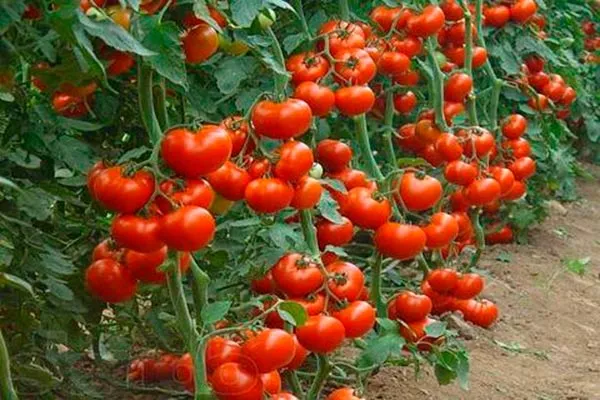
The "Children's Sweetness" variety requires moderate pinching, but regular inspection of the bushes and removal of side shoots will help ensure better tomato growth. Remove all side shoots below the first flower cluster to facilitate plant development.
Top dressing
For sweet tomato varieties, a nutrient solution consisting of potassium chloride and table salt is recommended. Dissolve 20 g of each in a bucket of warm, settled water, then apply 500 ml of the solution under the roots of each plant.
After transplanting the seedlings into the garden bed, apply nitrogen fertilizers, such as urea or ammonium nitrate, just once. Throughout the season, feed the plants with phosphorus-potassium fertilizers, and don't forget about micronutrients such as magnesium, boron, and iron.
What to do to make tomatoes sweet?
Choose a sunny planting location: the more light your tomatoes receive, the sweeter they will be. Follow these other tips:
- Provide plants with sufficient moisture - for low-growing bushes this is at least 2.5 liters of water at a time.
- Harvest Detskaya Sladost tomatoes when they are fully red. The riper the tomatoes, the higher their sugar content.
- Follow the correct fertilizing schedule: fertilize the plants for the first time two weeks after transplanting, and the second time when the first vegetables appear on the bushes.
- Help your tomatoes pollinate by gently shaking the plants twice a week.
- Remove the lower shoots located below the first flower cluster to facilitate plant development.
- As the fruits ripen, reduce the frequency of watering.
If night temperatures drop to +8°C or below, remove the fruit from the bushes and let them ripen in boxes.
Treatment against diseases and pests
To keep your tomato plants healthy and disease-free, implement preventative measures to ensure a good, high-quality harvest. The crop is susceptible to late blight.
To prevent this disease, remove leaves that touch the ground to reduce the risk of fungal spread. Use fungicides to protect plants. Effective treatments include:
- Epin;
- Sporobacterin;
- Fitobacterin.
In addition to chemical treatments, folk remedies can also help combat diseases and pests. Use a solution with baking soda to disinfect the soil. An infusion of onion and garlic is effective against insects.
Pros and cons
The tomato variety "Children's Sweetness" has its own strengths and weaknesses, which are important to consider when choosing it.
Tomato planting material requires renewal every five years to maintain its quality.
Reviews
The "Children's Sweetness" tomato is an ideal choice for those who appreciate early-ripening, compact plants with excellent flavor. This variety is characterized by good productivity, disease resistance, and ease of care, making it popular among gardeners in our country. To obtain generous harvests of high-quality vegetables, it is important to follow proper agricultural practices.