
The Delikates tomato boasts not only delicious flesh but also ease of cultivation. This variety is a favorite among gardeners who grow their own tomatoes, as well as those who lack time for complex agricultural practices, and even those who have no other space than small boxes on their balconies.
History of creation and characteristics of the variety
Today, you can find varieties such as Moscow Delicacy, Pickled Delicacy, Italian Delicacy, and so on. This abundance of options is due to the extraordinary appeal and taste of the term "delicacy" itself.
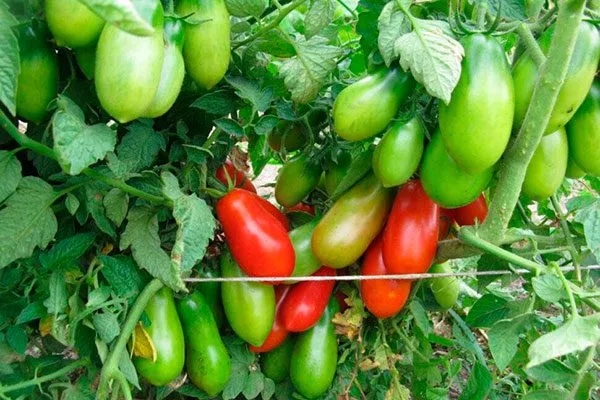
In 2001, the variety was registered in the State Register of Breeding Achievements of Russia and approved for use. This date is indicated in most publications. In reality, it was only included in the State Register in 2007.
Registered data on the Delicates tomato variety:
- It is the result of the work of experts from one of the leading domestic agricultural companies, Allen.
- Approved for cultivation in private farms on open ground.
- This variety requires garter and bush shaping.
- It belongs to salad varieties, is characterized by medium early maturity and is determinate.
- The name "Delicates" itself foretells quality and flavor, which fully justifies it. Juicy and slightly sweet fruits with a distinct aroma fully live up to their name.
- It's easy to grow and thrives in both greenhouses and outdoors. Some tomato growers prefer to plant Delicatesse in flower pots on balconies.
Description of the bush and fruits
This variety is characterized by low-growing bushes, which do not exceed 40-60 cm in height, but have a compact form and strong stems. Some sources report that the plants can reach up to 200 cm.
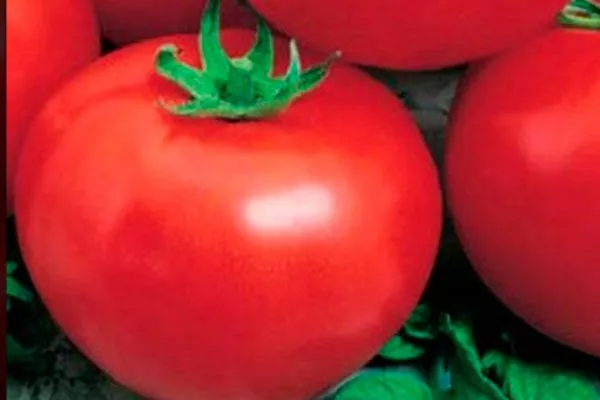
Other varietal characteristics and parameters:
- The leaves are medium-sized, characteristically green in colour, often curled and reminiscent of potato leaves.
- The inflorescence is a simple cluster. Each bush produces about 7 such clusters, each bearing 5-6 fruits.
- Plants of this variety are characterized by a determinate growth type, that is, they do not continue to grow after the fruits have formed.
- The stems are quite strong, but during the ripening and harvesting period they need support due to the large fruits.
- The fruits are large, round, slightly flattened at the top and bottom. They have an attractive soft pink or bright pink hue.
- The vegetables weigh about 100-120 g, the flesh is medium-firm, very juicy, and the skin is smooth and not prone to cracking.
Key characteristics of the variety
This delicacy is perfectly adapted to both open-air and greenhouse cultivation. This variety is tolerant of temperature fluctuations and demonstrates high growth and fruiting rates, whether in cooler or hotter conditions.
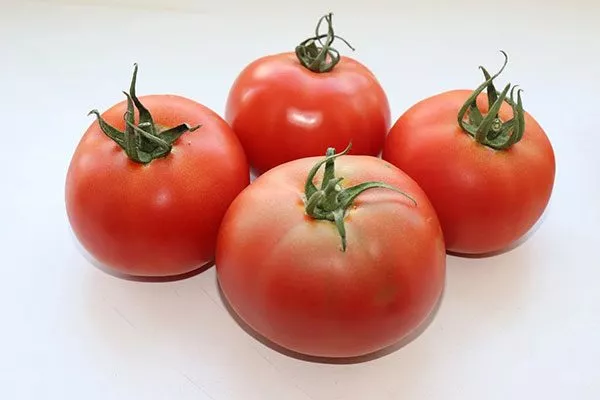
Taste and uses of tomatoes
It has a sweet taste and exquisite aroma. It retains its aroma and appearance after heat treatment, making it ideal for various types of canning, including whole-fruit preserves and large-jar pickling.
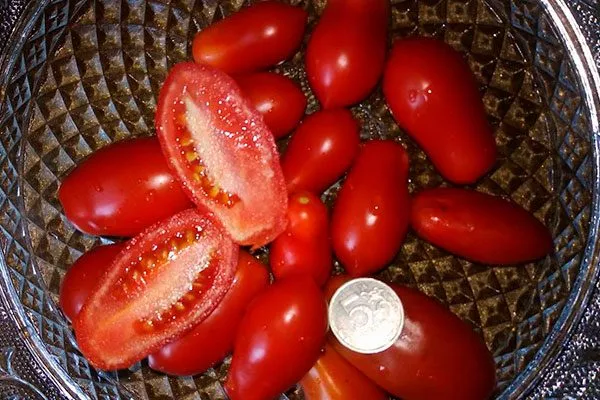
Vegetables are often eaten fresh. Their low dry matter content allows them to be made into delicious juices and pastes.
What are the benefits of these tomatoes?
This delicacy is a true treasure trove of essential vitamins and minerals. It contains a lot of vitamin C, which strengthens the immune system and reduces the risk of contracting colds.
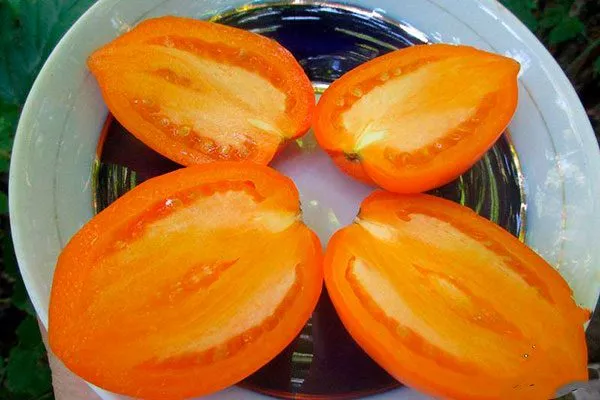
Tomatoes are rich in antioxidants, which have a positive effect on the appearance of the skin, slow down the aging process, and promote overall well-being.
It has unique properties that make it indispensable for maintaining health:
- Carotenoids, including lycopene, help improve vision and protect the eyes from the negative effects of ultraviolet rays.
- Vitamin K present in tomatoes promotes proper blood circulation and reduces the risk of bleeding.
- Folic acid is critical for pregnant women because it affects fetal development.
- Minerals such as potassium and magnesium support cardiovascular health and stabilize blood pressure.
- The pulp contains dietary fiber, which promotes regular digestion and prevents constipation.
Ripening, productivity and ways to increase yields
The first fruits can be harvested 110-115 days after the green shoots appear. Tomato harvesting season extends from the summer months until the autumn months of September.
From 6 to 8 kg of raw material can be harvested per square meter, equivalent to 1.5-2 kg per bush. Planting eight bushes per square meter yields up to 16 kg. When grown in a greenhouse, average yields are 5 kg per plant.
To achieve these results, you should plant tomatoes in a greenhouse and follow basic agricultural recommendations:
- Provide regular moistening using settled water.
- Ventilate the room.
- Support the bushes with supports, since although they have determinate growth, the branches can twist under the weight of the fruit.
- Cut the side shoots to the first brush, leaving a stump of about 1 cm on them.
Fertilizer can be applied monthly—the variety doesn't require a lot of fertilizer. However, if the soil is poor, it's recommended to add fertilizer every 2-3 weeks.
Weather resistance and regions
This variety is characterized by good tolerance to low and high temperatures, as well as drought. Therefore:
- It is ideal for planting in greenhouses in moderate and harsh climates;
- can be grown on balconies throughout Russia;
- In southern climate zones it can be cultivated outdoors.
Varieties of the variety
There are a huge number of varieties of the Delikates variety, but not all of them are related to this cultivar type. Many simply share the key term in their name.
| Name | Growth type | Fruit shape | Fruit color |
|---|---|---|---|
| Russian delicacy | indeterminate | rounded | red |
| Moscow delicacy golden | indeterminate | elongated with a pointed tip | emerald-gold |
| Moscow Delicacy Creamy F1 | indeterminate | elongated with a pointed tip | creamy golden |
| Raspberry delicacy | indeterminate | rounded | red |
| Eastern delicacy Gold of the East | indeterminate | pear-shaped | yellow and orange |
| Eastern delicacy Golden Spark | determinant | ovoid with a pointed nose | bright yellow |
| Eastern delicacy Sherbet | indeterminate | oval | bright red |
| Eastern delicacy Lemon Sparkle | indeterminate | rounded | citric |
| Eastern delicacy Pink Frigate F1 | indeterminate | heart-shaped | pink-raspberry |
| Crimean delicacy | indeterminate | rounded | dark pink |
| Emerald delicacy | indeterminate | cylindrical | amber with a greenish sheen |
Russian delicacy
The Russian Delicacy cherry tomato is a tall, indeterminate hybrid. The bushes are covered with numerous clusters, each bearing 30 to 40 tomatoes.
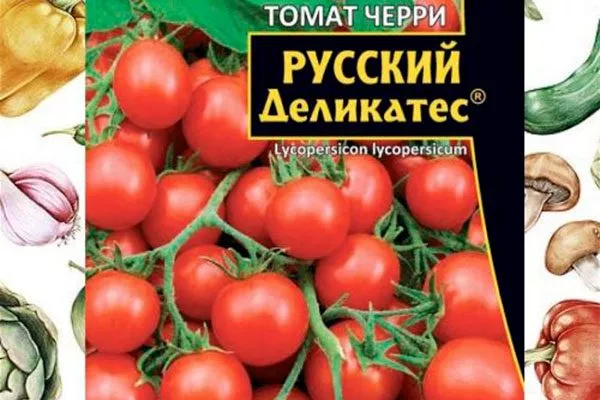
Tomatoes are harvested when they are fully ripe, picked whole from the vine. This variety matures within 90-95 days from planting.
Cherry characteristics:
- average weight – 18-20 g;
- the number of seeds is minimal;
- the flesh is of medium juiciness;
- the skin is strong and does not burst;
- taste – a harmonious combination of sweetness and sourness.
This variety is recommended for cultivation in vegetable gardens.
Advantages of the variety:
Disadvantages: the need to support the bushes.
Moscow delicacy golden
The tomato is a tall, indeterminate variety whose strong stems can grow up to 200 cm in height and require regular pruning.
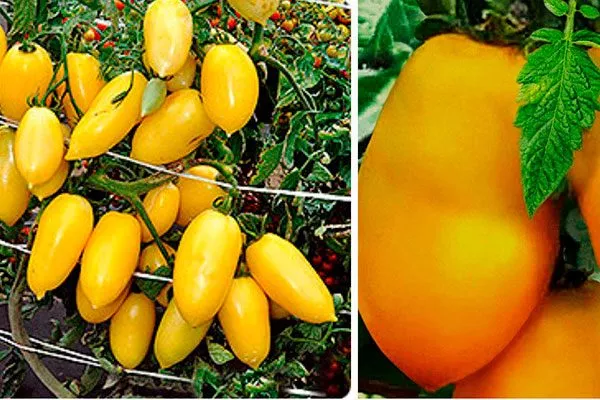
Fruit characteristics:
- weight from 90 to 120 g;
- elongated shape with a characteristic pointed tip;
- fleshy and dense consistency of the pulp;
- increased content of carotenoids;
- emerald-golden hue;
- a small number of seminal compartments.
The fruit ripening time is from 111 to 122 days from the moment of planting the seeds.
Advantages of the variety:
Disadvantages: mandatory pinching and tying of plants is required.
Moscow Delicacy Creamy F1
This is a medium-sized indeterminate tomato hybrid, reaching a height of 120 cm. Its shoots are strong and well-developed. Each plant produces 7-8 fruiting branches, each bearing 6-8 beautiful tomatoes. Ripening time is 95 days from sowing.
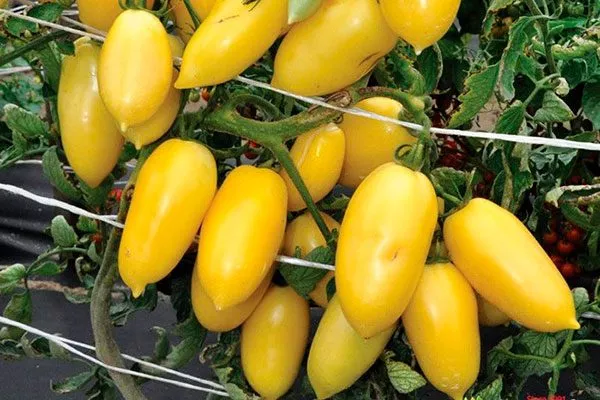
Fruit characteristics:
- elongated shape with a pointed tip;
- — average weight about 70 g;
- the pulp is dense, juicy, but not excessively so;
- color creamy-golden;
- The taste combines sweetness and soft acidity.
Advantages of the variety:
Disadvantages: the need to tie up the bushes.
Raspberry delicacy
This is an indeterminate, medium-sized variety. This hybrid reaches a height of 120-130 cm and requires support and training. Each fruit cluster will be adorned with three red "delicacies."
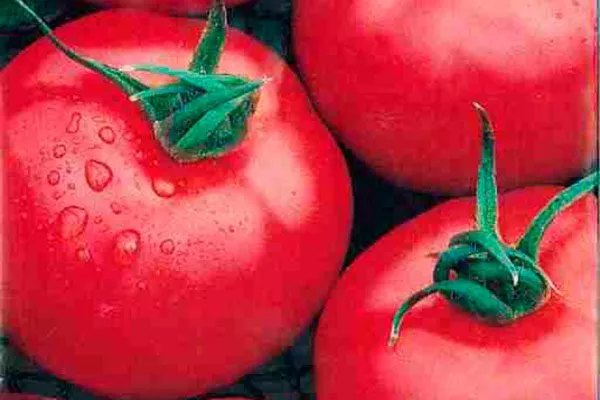
The fruits of this variety reach maturity within 105-110 days after sowing. Their characteristics are as follows:
- average weight 150-200 g;
- the pulp is dense and fleshy;
- the number of seed chambers is minimal;
- the skin is strong and does not break.
Among the advantages of Raspberry delicacy are:
There is also one drawback – the need for regular feeding.
Eastern delicacy
The Eastern Delicacy tomato line, developed by Poisk breeders, includes a number of varieties distinguished by their productivity and excellent flavor.
Recently, breeders have introduced many new subvarieties from this series to the seed market, each with unique characteristics:
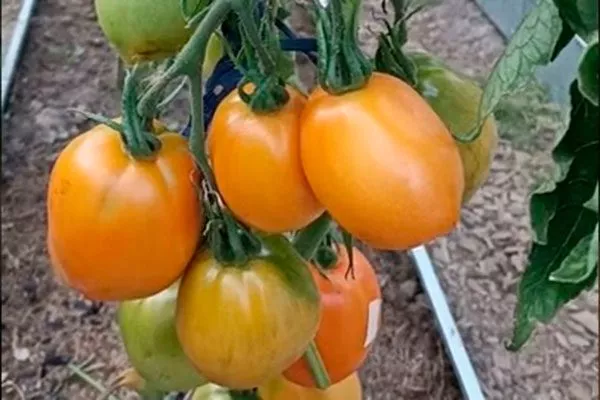
- Eastern delicacy Gold of the East. This variety is distinguished by its tall growth—stems reach 200 cm—but is not prone to excessive shoot growth. Fruits are produced in groups of 4-6. The average weight ranges from 200-250 g, but larger specimens, up to 400 g, are also found.
They are pear-shaped and slightly elongated. The skin is dense, smooth, and brightly shiny, with vibrant shades of yellow and orange. The yield is 10-15 kg per square meter.

- Eastern delicacy Golden Spark. It is highly frost-resistant and has a determinate growth pattern, resulting in compact bushes about 50 cm tall. The fruits weigh between 120 and 150 g, are ovoid with a pointed tip, and are bright yellow in color, sometimes with a greenish tint at the base.
One bush can yield up to 3-4 kg of tomatoes, and one square meter – up to 10-12 kg.
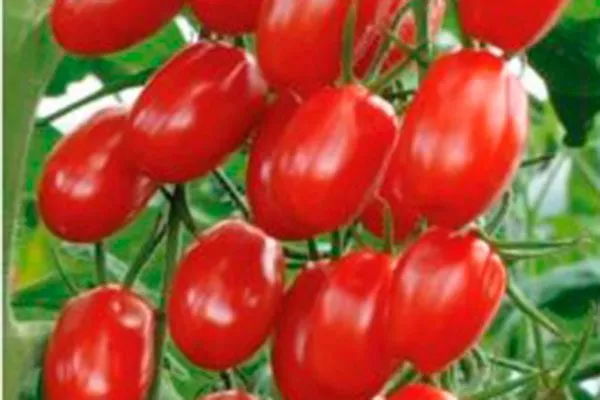
- Eastern delicacy Sherbet. This early-fruiting hybrid is disease-resistant and able to withstand adverse weather conditions. It forms bushes up to 200 cm tall, with each branch bearing 18 to 24 fruits, which form on clusters.
The fruits are oval-shaped, bright red in color, and weigh from 15 to 20 g.
- Eastern delicacy Lemon sparkle. The bushes reach a height of up to 200 cm and are distinguished by their flexibility. The fruits weigh 50-60 g, with dense walls containing 2-3 seed chambers.
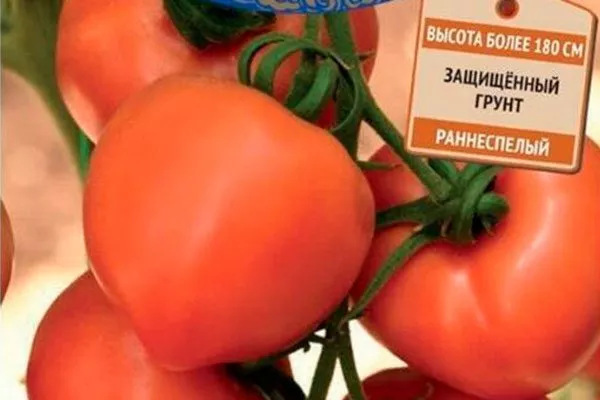
- Eastern delicacy Pink frigate F1. This indeterminate tomato variety grows approximately 180 cm tall with short node spacing and strong, well-foliated shoots. The heart-shaped fruits with slightly elongated tips weigh 140-160 g.
They are pinkish-crimson in color and have a matte skin. They are resistant to damage and ideal for transportation and storage.

Crimean delicacy
It stands out for its high productivity, disease resistance, and excellent flavor. This variety is most often grown in greenhouses, where harvesting begins in July and continues until September, with a single bush yielding 10 to 12 kg of berries.
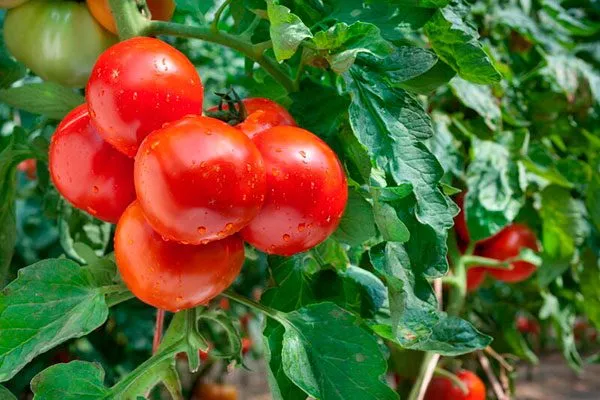
The Crimean Delicacy bushes reach a height of 200 cm and require careful training and support. This variety is distinguished by its ability to bear fruit even in cool conditions and does not lose fruit during hot weather.
Fruit:
- weigh from 120 to 160 g;
- have a smooth, rounded appearance;
- the ribs are expressed only at the peduncle;
- the skin is richly dark pink with a slight burgundy hue, without the characteristic glossy shine;
- pulp with a dense and fleshy composition;
- The taste is sweet with sourness and fruity aroma.
Emerald delicacy
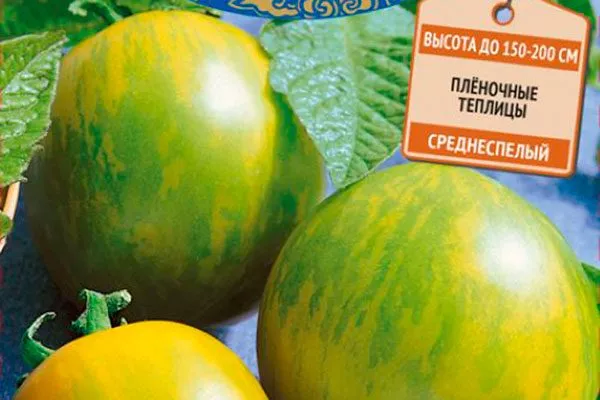
This innovative new addition to the agricultural market from Russkiy Ogorod is part of the premium product line under the Moskovsky Delikates brand. It is classified as a tall or indeterminate tomato variety, reaching a height of 200 cm.
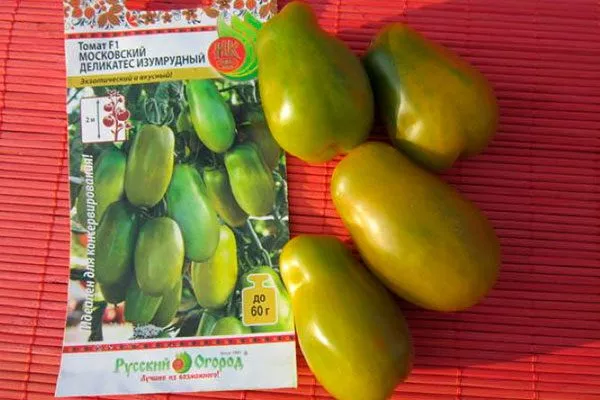
The bushes are flexible, slender, moderately deciduous, and have an open structure. Inflorescences form close together, each bearing 12 to 20 ripening fruits. During the July-August season, the plant is overflowing with fruit.
Description:
- The tomatoes resemble a cylinder with a slight constriction in the middle.
- The weight of each varies from 50 to 70 g.
- The skin has an amber hue with a greenish sheen, and the flesh is dense and slightly crunchy, and it is bright green in color.
- The taste of tomatoes is sweet and sour with fruity notes.
This variety is famous for its productivity – one bush can produce 4-5 kg of fruit.
How to grow seedlings?
According to standard recommendations, sowing should take place 60 days before transplanting to their permanent locations. Delikates is a variety that requires at least 1.5 months to fully mature in the garden before harvesting.
- ✓ Optimum soil temperature for sowing seeds: 22-25°C.
- ✓ Required air humidity for seedlings: 60-70%.
Seed preparation
To avoid risks, it is worth following the classic method for preparing planting material:
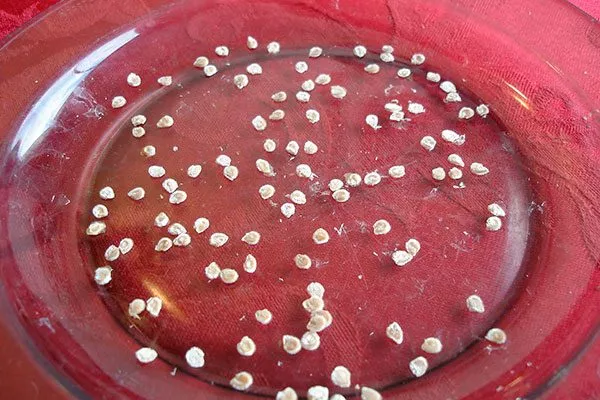
- First, the seeds are disinfected by leaving them for 20-30 minutes in a weak 1% solution of potassium permanganate, after which they are thoroughly washed and placed in a growth stimulating agent.
- As such a composition, you can use a mixture of aloe and water in a 1:1 ratio or a honey solution prepared from 1 teaspoon of honey and 200 ml of water, as well as modern products, including Epin, Humate or Energen.
- Then the seeds are carefully placed in moistened gauze, left in it for a period of 12 hours to one day, after which they are sown without waiting for the sprouts to appear.
Container and soil
To sow seedlings, use shallow containers filled with potting soil. This material can be purchased at gardening stores. Creating your own potting soil is easy:
- To do this, you need to mix peat, turf soil and compost in equal proportions;
- add half of the sand;
- 10 kg of such a mixture must include 200 g of charcoal and complex fertilizer, which includes phosphorus, potassium and nitrogen.
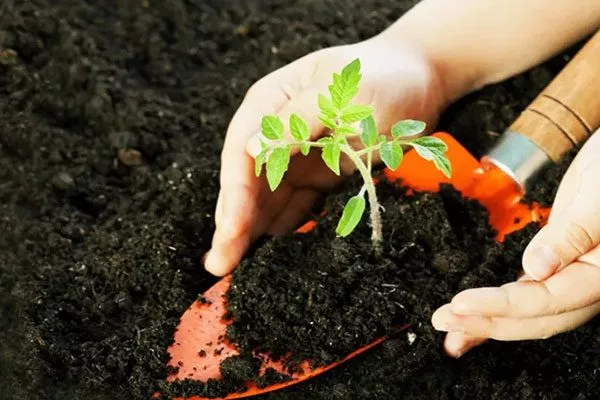
This soil composition provides plants with the macro- and microelements necessary for their healthy growth.
Sowing
The sowing process begins in early March, but local climate conditions should be taken into account for certainty. By the time the seedlings are transplanted to their permanent location, they should have grown for at least 65 days.
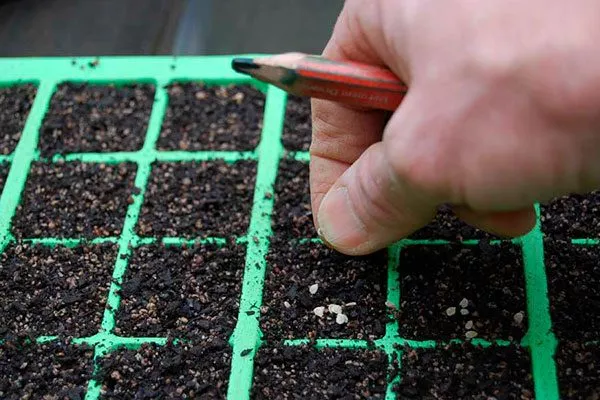
Step-by-step instructions:
- Disinfect the containers selected for sowing beforehand.
- Fill with fertile substrate.
- Make holes for the seeds about 1 cm deep.
- Place seeds in each hole, spacing them 2 cm apart. Otherwise, you'll have to thin the seedlings after the first green shoots appear.
Caring for seedlings
Care procedures are standard, but be sure to take into account all varietal requirements:
- During the initial growth period, before green shoots appear, water the soil regularly to avoid the formation of a dry crust on the soil surface;
- when the greenery appears, remove the protective film completely and then water once every 5-7 days;
- subsequently, create suitable conditions for seedlings in terms of temperature and lighting in the room;
- When the seedlings have 1-2 true leaves, transplant them into individual pots with peat for optimal growth and preservation of the root system.
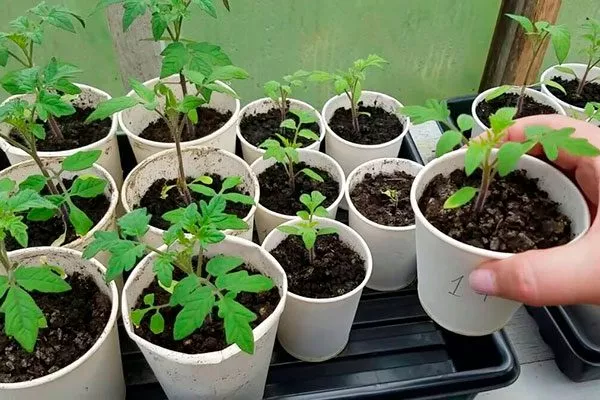
To strengthen the sprouts, they need to be fed according to the rules:
- use Epin, for which a solution is prepared: 12 drops of concentrate per 1 liter of water;
- Spraying is carried out once every two weeks, and if the sprouts are developing well, it can be done less often.
Before transplanting to a permanent location, it's a good idea to acclimatize the plants. This process involves placing the seedlings outdoors for a week, gradually increasing the time from 20 minutes to 2 hours per day.
Transfer
Depending on the location and climatic characteristics of the region, the optimal period for transplanting plants to their final location occurs between the end of May and the beginning of June.
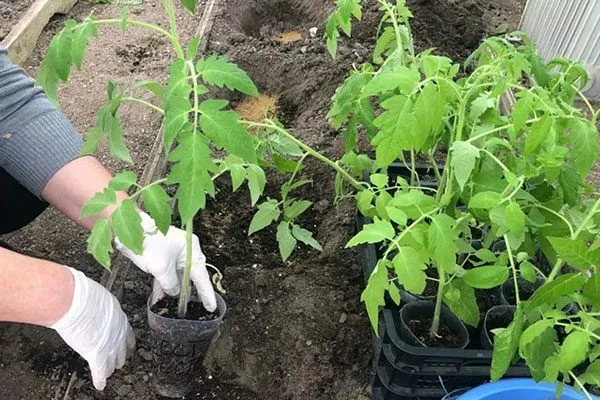
The choice of a specific planting location depends on individual conditions and can be in a greenhouse, in open ground, or in flower pots.
Requirements:
- a sunny location with protection from gusts of wind is required;
- For planting, it is recommended to use light, well-drained soils;
- The soil should be disinfected with a 1% solution of potassium permanganate and enriched with phosphorus-potassium fertilizers to stimulate the development of the root system.
The process of transplanting seedlings:
- Prepare holes the size of peat pots or clods of soil with intact root systems (if transplanting has not been done). Leave 70 cm between rows of plants, and 30-40 cm between plants within a row.
- At the time of planting, install supports for each bush.
- Carefully transfer the bushes into the holes.
- Sprinkle with substrate.
- Tamp it down a little.
- Moisturize.
- Add more soil if necessary.
Aftercare of tomatoes
The cultivation method for the Delicates tomato variety differs from that used for other determinate varieties. Despite the short stature of the plants, they require careful care throughout their growth period.
Spraying and fertilizing
Begin moistening the substrate under the bushes immediately after planting. The next watering should be done a week later. Delicatesse is drought-tolerant, so the seedlings should be watered moderately, using warm water.
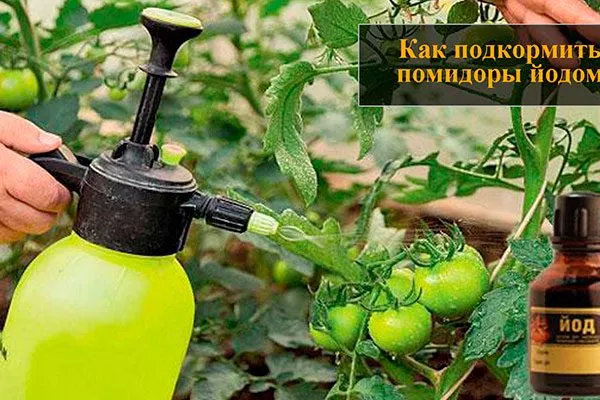
Fertilizers should be balanced and include mineral mixtures high in potassium, magnesium, and phosphorus, as well as nitrogen components as needed. Organic fertilizers include humus, peat, or cow manure.
Shaping, tying and pinching
Caring for and growing a bush requires considerable time and effort. Periodically, you'll need to remove foliage and excess shoots to ensure the flowers and fruit can fully utilize the nutrients.
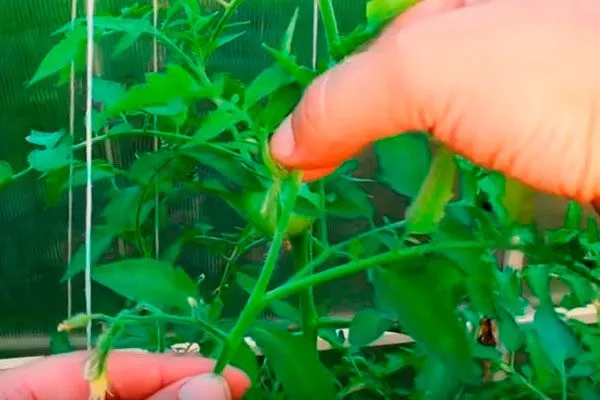
Main actions:
- Each bush must be supported to prevent it from breaking under the weight of the harvest. As the plant develops, it is secured to a supporting structure.
- The standard approach to shaping a bush is to retain only one or two main stems, and cut off the remaining side shoots.
- The further formation of the bush depends on the specific growing conditions.
The nuances of growing in open ground and in a greenhouse
The Delikates variety thrives especially well in open ground in southern Russia, where it can withstand water stress and drought. In colder, wetter regions, it is grown under a protective film canopy or in a greenhouse.
An important aspect of growing Delikates in a greenhouse environment is ensuring sterility. This is achieved by disinfecting the planting containers, substrate, and seeds with a 1% solution of potassium permanganate.
Treatment and prevention of diseases and pests
The variety has a strong immune system and resistance to both apical and root rot diseases. To prevent the development of late blight, brown spot, and powdery mildew, preventative treatments are recommended:
- If you notice symptoms of brown spot, immediately remove all infected plant parts, including shoots, leaves and fruits, and destroy them.
- To combat this disease, use the fungicide Zaslon, which is sprayed twice a day every ten days.
- To combat powdery mildew, use a solution of potassium permanganate (1.5 g per 5 l of water).
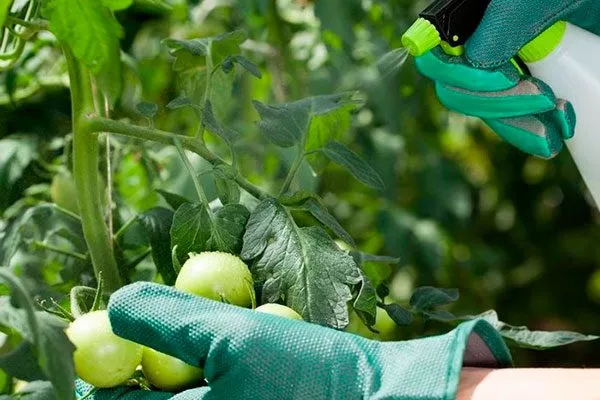
Among pests, the Colorado potato beetle and greenhouse whitefly pose a particular threat, and Confidor is effective against them. However, keep in mind that insecticides should be discontinued before flowering and two weeks before harvesting. Other measures:
- To protect against whiteflies, it is recommended to wash the leaves with a soap solution, use sticky traps, or treat with infusions of garlic/dandelion rhizomes.
- To combat the Colorado potato beetle, use a solution of tobacco (250 g per 5 liters of water) and pour it around the bush, and sprinkle it with crushed onion peel on top.
The crop can be attacked by slugs, which can be controlled by sprinkling it with mustard powder at a rate of approximately 1 tbsp per 1 sq. m.
Pros and cons
This delicacy is loved by almost all consumers, gardeners, and farmers. There are many reasons for this:
Among the disadvantages are the lower productivity level and the need for careful maintenance, particularly fertilization during the plant's development period. No other significant drawbacks were identified.
Reviews
Delikates is an excellent choice for beginning gardeners. It adapts to a variety of climates, requires minimal care, and rewards generously. And the most surprising thing is that these tomatoes can even be grown in a city apartment.