
The Delano tomato is a favorite of both novice and experienced gardeners in our country. This is due to its high productivity, excellent taste, and strong immune system. Growing this crop doesn't require any special skills or knowledge, but proper care, timely maintenance, and proper agricultural practices are the key to a bountiful harvest.
History of selection
Delano – American tomato variety, characterized by an indeterminate growth pattern, that is, the ability to grow and develop throughout the entire season.
Description of the plant, fruits, their taste and purpose
The bushes reach 13-1.5 m in height. They have a strong and stable structure. Characteristic features of tomatoes:
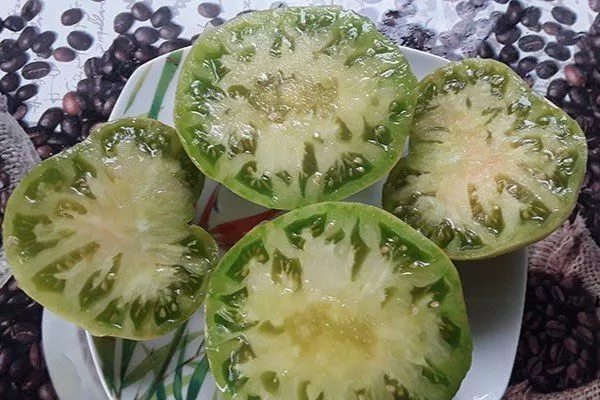
- Form - flat-round.
- Weight - varies from 200 to 350 g.
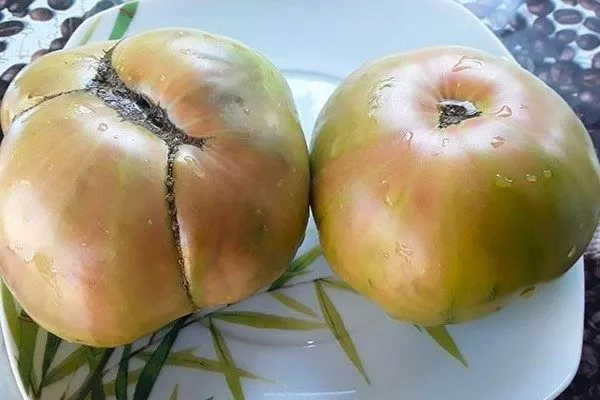
- Color - green-grassy with ochre shades.
- Taste - sweet with a spicy accent.
- Pulp – sugary and jelly-like, juicy and aromatic.
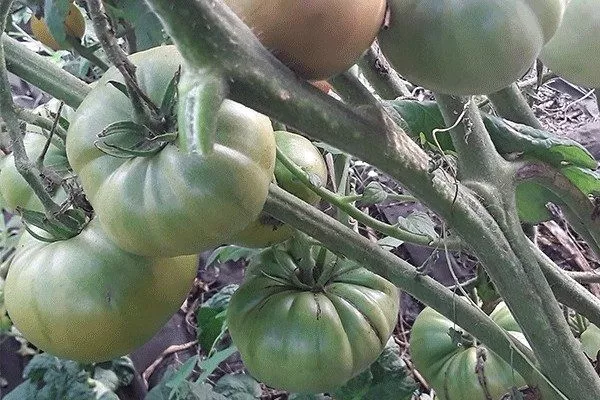
A single cluster produces 4 to 7 tomatoes, making this variety particularly attractive for commercial cultivation. Delano tomatoes are excellent for fresh consumption, canning, and cooking.
Characteristics of the variety
It's a mid-season crop: the fruits ripen 110-120 days after the first shoots emerge. The variety has a high yield—up to 5-6 kg can be harvested from a single bush, and with proper care and optimal conditions, this figure can increase.
The fruits are rich in vitamins A, C, and B, potassium, magnesium, and antioxidants. Consuming them helps strengthen the immune system, improve cardiovascular function, and maintain healthy skin. The sweet pulp makes this variety especially valuable for those following a healthy diet.
Timing of planting seedlings and transplanting into the ground
For growing tomatoes, it's recommended to use seedlings. Sow the seeds 6-8 weeks before the expected end of frost. Once they sprout and form strong bushes, transplant the seedlings into open ground. The optimal time for transplanting is May.
Subtleties of planting
Before sowing, treat the seedlings with a weak solution of potassium permanganate or a special growth stimulant to disinfect the seeds and increase their germination rate. Recommendations for growing seedlings:
- Sow the seeds in prepared, nutritious soil consisting of a mixture of humus, garden soil, and sand (in equal proportions). Plant the seeds at a depth of about 1-1.5 cm. Space the seeds 2-3 cm apart.
- Cover the containers with plastic wrap or glass and place them in a warm place with a temperature of 25°C. Once the seedlings emerge, remove the cover and reduce the temperature to 18-20°C to prevent the seedlings from stretching.
- When the plants have 2-3 true leaves, transplant them into individual cups. This promotes root development.
- For full growth, seedlings require good light (12-14 hours a day) and moderate watering. A week before planting, begin hardening off the plants by placing them outside, gradually increasing the time spent there.
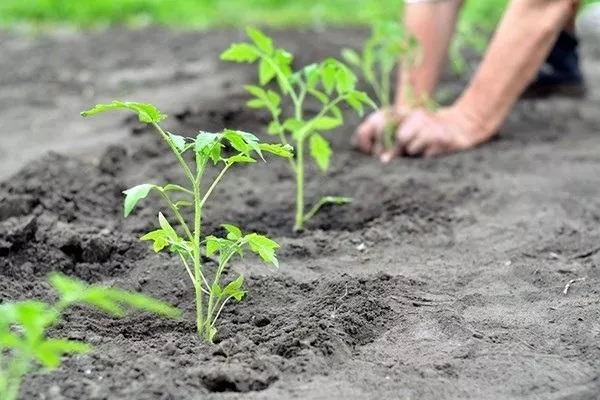
Begin planting the seedlings in the ground. Tomatoes prefer sunny, wind-protected locations. Dig the soil, add humus or compost, and a little ash.
- ✓ Optimum soil temperature for planting seedlings: +12-15°C.
- ✓ Distance between plants: 40-50 cm, between rows: 50-60 cm.
Please follow the requirements:
- Carry out the procedure when the threat of night frost has passed and the soil has warmed to 12-15°C. This is usually mid- to late May, depending on the region.
- Dig holes 40-50 cm apart, leaving 50-60 cm between rows. Plant the seedlings deep enough to reach the first leaves to encourage the development of a strong root system.
- After replanting, water the plant generously with warm water and mulch the soil if necessary to retain moisture.
Care Features
To get a bountiful harvest of high-quality tomatoes, it's important to care for your plants and give them the attention they deserve. Follow these simple gardening practices:
- Watering. Tomatoes require moderate but regular watering. Apply water to the roots, avoiding contact with the leaves to prevent fungal diseases.
During the active growth and flowering phase, water 1-2 times a week. Reduce watering frequency during fruit formation and ripening to prevent cracking. Use only warm, settled water. - Top dressing. 10-14 days after planting the seedlings, apply organic fertilizer—an infusion of mullein or chicken manure diluted with water. During flowering and fruiting, use mineral complexes containing phosphorus and potassium to stimulate fruit formation.
Fertilize 3-4 times per season, alternating organic and mineral fertilizers. - Loosening and mulching. Regularly loosen the soil around the bushes to improve oxygen access to the roots and prevent crust formation. To retain moisture and suppress weed growth, mulch the soil with straw, peat, or sawdust.
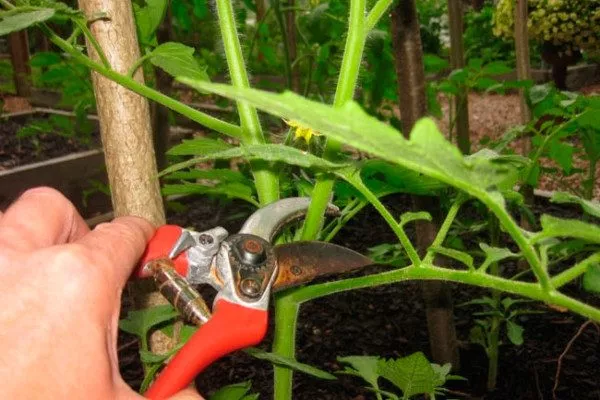
- Formation of a bush. Remove side shoots every 7-10 days, leaving the main stem or 1-2 additional shoots, depending on your growing scheme. To improve light and ventilation, trim off the lower leaves, especially if they begin to turn yellow.
- Prevention of diseases and pests. To prevent fungal diseases, spray plants with fungicides or an infusion of garlic or onion peels. Preventative insecticide treatment will protect tomatoes from pests such as aphids, whiteflies, and spider mites.
Inspect your bushes regularly to prevent problems in a timely manner. - Pinching and pinching. Removing the tops of the stems at the end of the season helps direct the plant's resources toward ripening the tomatoes that have already formed. Pinching out the side shoots improves ventilation and reduces the risk of disease.
Harvest ripe fruits regularly to stimulate the formation of new specimens.
Reviews
The Delano tomato combines many advantages: disease resistance, high productivity, and versatility. This variety guarantees a consistent harvest with minimal effort. With proper care, you'll be able to grow high-quality vegetables and produce generous harvests.