
The Dedushkin tomato is an early-ripening hybrid characterized by high yields and low maintenance. The compact bushes accommodate space-constrained plots. The pink tomatoes are medium-sized, suitable for all-purpose use, and have a pleasant, sweet flavor. The variety is drought-resistant and disease-resistant.
Description of the bush and fruits
This is a determinate plant, which stops growing after reaching a certain height. Distinguishing features:
- bushes – compact, grow up to 70-80 cm;
- leaves - medium sized, green;
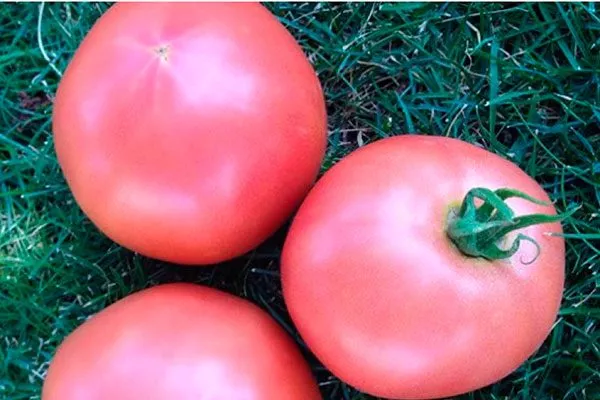
- tomatoes - flat-round, with a smooth surface, weighing from 125 to 135 g.
- peel color – When not fully ripe they are light green in colour and turn pink when ripe.
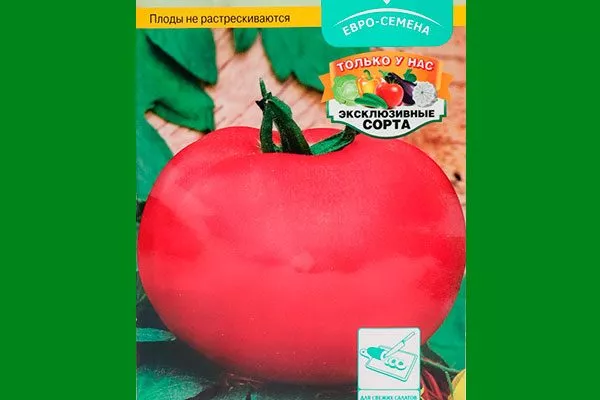
The vegetables have a good taste and are suitable for fresh consumption and for preparing various dishes.
Main characteristics
The hybrid was bred by Yu. D. Tarasov in Russia and added to the register in 2013. It is an early-ripening variety: 95-100 days pass from germination to ripening. The first harvests are collected within 3-4 months after sowing.
Features of the culture:
- productivity reaches 16.5 kg per 1 sq. m;
- fruit harvesting continues from July to September;
- the bushes are successfully grown both in open ground and in film greenhouses;
Dedushkin is resistant to blossom-end rot, drought, and extreme heat, allowing it to produce consistent results even in conditions of high temperatures and low moisture.
Features of sowing
This tomato variety is grown using seedlings—this is an important step for producing healthy and productive plants. Prepare the seed beforehand:
- Calibration. Select large, full-bodied beans. Avoid small or damaged ones.
- Disinfection. Immerse the seeds in a 1% solution of potassium permanganate for 20-30 minutes, then rinse with clean water.
- Germination. Wrap the seeds in a damp cloth and leave for 12-24 hours at a temperature of +22…+25°C.
- Hardening (optional). Place in the refrigerator (+1…+3°C) for 12 hours, then in a warm place for the same amount of time. Repeat this procedure 2–3 times.
- ✓ Optimum soil temperature for sowing seeds: +22…+25°C.
- ✓ Required seeding depth: 1 cm.
- ✓ Distance between seeds when sowing: 1.5-2 cm.
Tomato seedlings require loose, nutritious soil with good drainage. The optimal composition:
- 2 parts garden soil;
- 1 part humus;
- 1 part peat or coconut substrate;
- 0.5 parts river sand.
Additionally, add ash (200 g per 10 kg of mixture) and superphosphate (20 g per 10 kg of soil). Before planting, bake the soil in an oven (100-120°C) for 30 minutes or pour boiling water over it to disinfect.
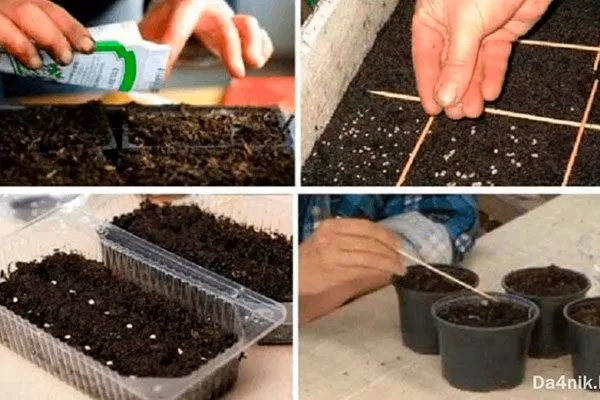
Sow seeds in large containers (wooden or plastic boxes) with 7-10 cm high sides. Individual cups, peat pots, or seed trays are also suitable (unless you plan to transplant). The bottom of the containers should have drainage holes to allow excess moisture to escape.
Step-by-step algorithm:
- Fill the container with prepared soil and moisten it slightly.
- Make furrows 1 cm deep at intervals of 3-4 cm.
- Place the seeds 1.5-2 cm apart.
- Cover with a layer of soil (0.5-1 cm) and compact carefully.
- Spray with warm water from a spray bottle.
- Cover with film or glass to create a greenhouse effect.
Ensure the correct temperature conditions:
- before sprouts appear – +23…+25°С;
- after the shoots appear – +18…+20°C during the day and +14…+16°C at night.
Cultivation
Water the bushes moderately, but only with settled, room-temperature water. Apply it at the roots, avoiding contact with the leaves. When seedlings appear, remove the covering, gradually acclimating the plants to fresh air.
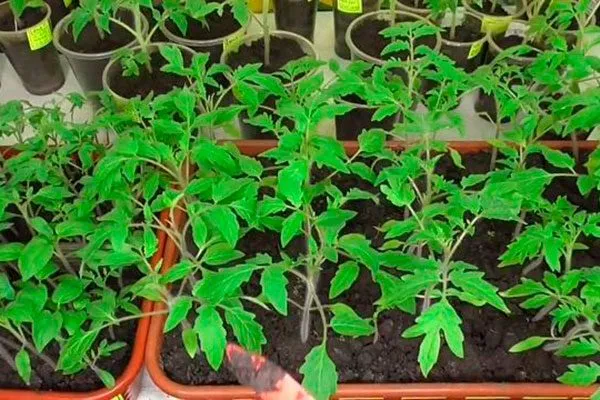
When 2-3 true leaves appear (approximately 10-14 days after germination), transplant the seedlings into separate containers with a volume of 200-300 ml.
The picking process:
- Water the soil well.
- Carefully remove the seedlings, being careful not to damage the roots.
- Shorten the central root by 1/3.
- Plant the seedlings in separate containers, deepening them up to the cotyledon leaves.
- Water and place the containers in a shaded area for 1–2 days to allow them to adapt.
Follow these recommendations:
- Dig up the soil and add humus (5 kg per 1 sq. m) and ash (200 sh per 1 sq. m).
- Place them at a distance of 40–50 cm from each other.
- Add a handful of compost and a little superphosphate to each hole.
- Harden off the seedlings 7-10 days before transplanting (take them outside for a few hours).
- Plant the seedlings in the evening or in cloudy weather.
- Plant the plants deep enough to reach the first true leaves.
- Moisten with warm water.
Care
After planting, shade the seedlings for 5-7 days and avoid watering them to help them root better. Ensure proper care, including various agricultural practices:
- Watering. Water 1-2 times a week, using 3-5 liters of water per plant. Increase the frequency in hot weather. Apply the warm water to the roots, being careful not to let any drips fall on the leaves. Don't overwater, but don't let the soil dry out completely.
- Top dressing. 10-14 days after planting, apply an infusion of mullein or bird droppings in a 1:10 ratio. At the beginning of flowering, fertilize the plants with a mixture of 10 g of superphosphate and 10 g of potassium sulfate per 10 liters of water.
During the tomato fruiting period, apply ash infusion or potassium-phosphorus fertilizers. During fruiting, yeast fertilizer or ash is effective. - Soil care. After each watering, loosen the soil to prevent crusting and ensure oxygen reaches the roots. Mulch the beds with straw, peat, or sawdust—this helps retain moisture and reduces weed growth. Additionally, remove any weeds that rob the plants of nutrients.
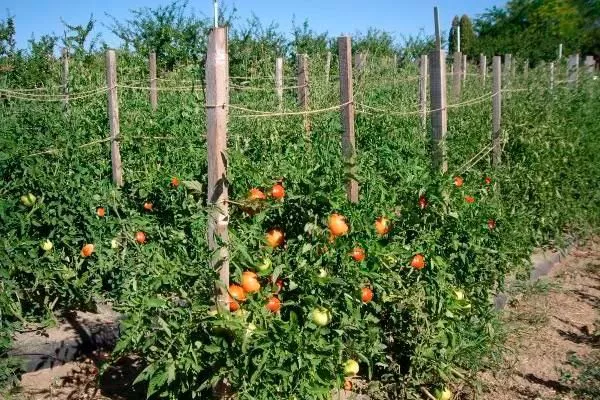
- Formation, pinching and gartering. Train the plant into 2-3 trunks. Prune side shoots every 7 days, but leave a few of the strongest side shoots. Secure the stems and branches with soft twine two weeks after planting, tying them to a trellis or 1-meter-high stakes.
Diseases, pests
Although Grandfather's vine is resistant to blossom-end rot, it can be susceptible to other diseases and insect attacks. Common problems include:
| Disease/Pest | Symptoms | Reasons | Methods of control |
| Late blight | Dark brown spots on all parts and vegetables, the appearance of a white coating on the back of the leaves. | High humidity, sudden temperature changes. | Treatment with fungicides Fitosporin, Trichodermin, Bordeaux mixture, preventive spraying with garlic infusion (50 g per 1 liter of water). |
| Cladosporiosis | Yellow spots on the upper side of the leaves, with a velvety brown coating on the underside. | Excessive humidity, poor ventilation in the greenhouse. | Reduce watering, use iodine solution (30 drops per 10 liters of water), copper-containing preparations - Hom, Bordeaux mixture. |
| Mosaic | Spotty coloration of leaves (alternating light green and dark areas), their curling, decreased productivity. | A viral disease transmitted through seeds and garden tools. | Removing diseased plants, disinfecting tools, soaking seeds in a weak solution of potassium permanganate before sowing. |
| White and gray rot | White or grey 'fluffy' coating on stems, leaves and fruits. | Excessive moisture, dense plantings. | Removal of infected parts, treatment with Fitosporin or ash solution (200 g of ash per 10 l of water). |
| Aphid | Curling of leaves, appearance of sticky coating. | Aphids are carried by ants. Warm and dry weather is a common cause. | Use a soap solution (100 g of laundry soap per 10 liters of water), an infusion of onion peel or garlic. |
| Whitefly | Yellowing of leaves, white coating, larvae on the back side. | Infected planting material, excess moisture, close planting. | Installing sticky traps, spraying with tobacco infusion or Fitoverm. |
| Spider mite | Thin web, drying of leaves. | Stagnant air in greenhouses, lack of protective measures against parasites and diseases. | Treatment with garlic solution, acaricides - Akarin or Fitoverm. |
Take the following preventative measures:
- observe crop rotation – do not plant tomatoes after potatoes, eggplants and peppers;
- treating seeds before planting with a solution of potassium permanganate or Fitosporin;
- regular ventilation of greenhouses to prevent high humidity;
- use of mulch (straw, mown grass) to protect the soil;
- moderate watering and loosening of the soil - moisture may stagnate.
- placing repellent plants (marigolds, basil, garlic) near tomatoes.
By following these recommendations, you will be able to boost your immunity and get a good harvest throughout the season.
Reviews
Dedushkin is a reliable and stable variety that boasts abundant yields and high resistance to adverse conditions. Its low maintenance and excellent flavor make it suitable for both open ground and plastic shelters. This variety is the best choice for gardeners who value ease of care and excellent results.