
The Debosliv tomato is a unique variety that attracts attention with its unusual appearance and excellent characteristics. It combines good productivity, disease resistance, and a rich, sweet flavor. With proper and comprehensive care, it will yield positive results and bountiful harvests.
History of creation
Created in 2010 by French breeder Marcel Bosleve, this hybrid was created by crossing Cherry and Beefstack varieties. As a result, Bosleve developed a unique variety that quickly gained popularity among gardeners and connoisseurs of unusual tomatoes.
Description of the bush
Debosliva is a versatile variety suitable for both open-field and plastic greenhouse cultivation. It is characterized by high resistance to adverse weather conditions and various diseases.
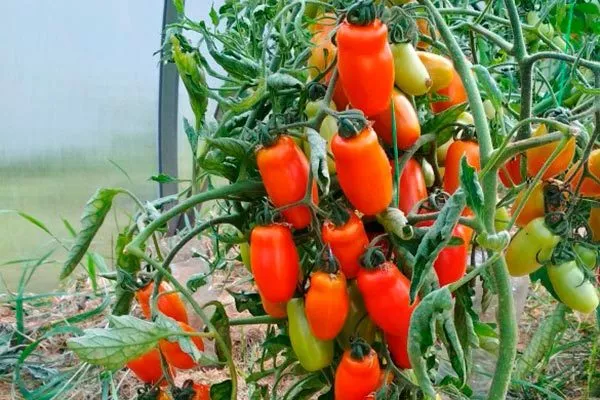
The bush is indeterminate, with slender stems. Long, complex clusters can reach up to 50 cm, and the small number of leaves on the plant ensures better light for the fruit.
- ✓ Long complex brushes up to 50 cm require mandatory tying to prevent damage to the stems.
- ✓ A small number of leaves on the plant allows for better illumination of the fruits, but requires more frequent watering due to increased evaporation.
Main qualities of fruits
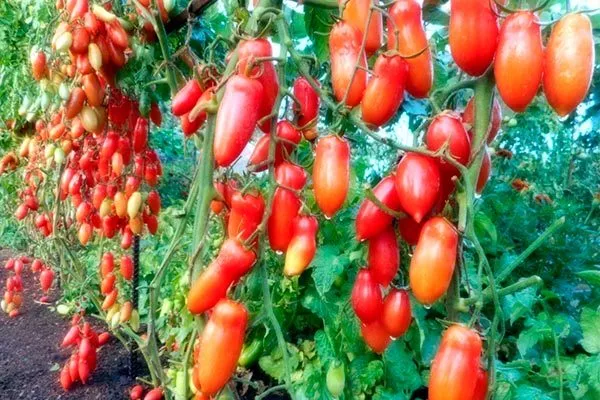
Tomatoes have a unique pear-shaped form. They range from 5 to 7 cm in length and 4-5 cm in width. Each fruit weighs approximately 100 g. The skin is smooth, thin, and has a bright shine. The color can range from light green to deep red, depending on the ripeness.
Taste characteristics
This variety is renowned for its rich, sweet flavor and unique aroma, due to its high sugar content. The fruits are suitable for eating fresh, adding to salads, and also for making sauces and ketchup.
Ripening and fruiting
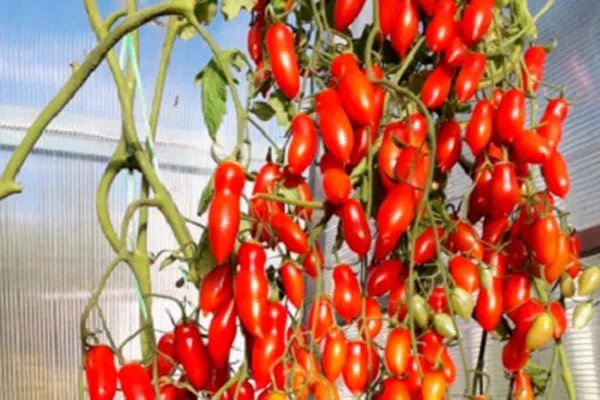
Deboslivo is a mid-season variety – the fruits are ready for harvesting in just 110-120 days.
Growing and care
To increase germination and protect against diseases, soak tomato seeds in a potassium permanganate solution or growth stimulant for 12-24 hours. Grow strong seedlings:
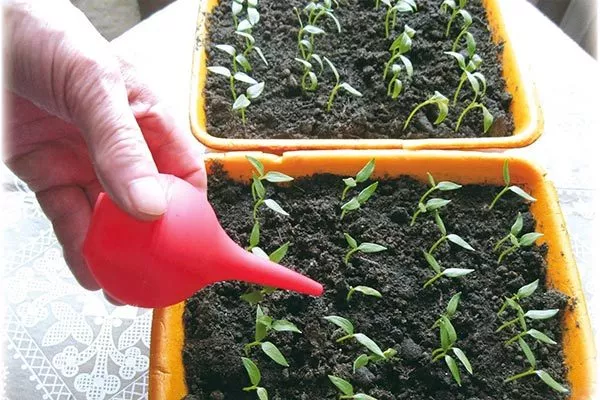
- Sow seeds in a prepared substrate (a mixture of garden soil, humus, and sand) in late February or early March. Plant the seeds 1-2 cm deep.
- Cover the containers with plastic wrap or glass and place them in a warm place with a temperature of 22 to 25°C. Once the seedlings emerge, remove the covering and reduce the temperature to 18 to 20°C.

- When the seedlings have 2-3 true leaves, transplant them into separate pots to strengthen the root system.
- Transplant the seedlings to a permanent location when they reach 50-60 days of age and the soil temperature warms up to +15°C.
- Dig over the beds, adding humus or compost, and wood ash. The soil should be loose and well-drained. Leave 50-60 cm between plants and 70-80 cm between rows.
- ✓ The optimal soil temperature for transplanting seedlings should be at least +15°C, which is critical for preventing stress in plants.
- ✓ The distance between bushes of 50-60 cm and between rows of 70-80 cm ensures sufficient ventilation and access to light, reducing the risk of fungal diseases.
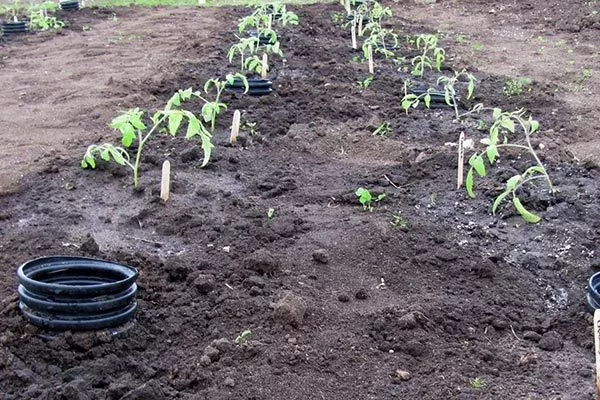
Provide your plants with comprehensive care. Follow standard agricultural practices:
- Water the seedlings at the roots with warm water as the top layer of soil dries out. Avoid overwatering to prevent root rot.
- Apply the first fertilizer two weeks after repotting, using an infusion of mullein or bird droppings. During flowering and fruiting, use a complex fertilizer containing potassium and phosphorus.
- For indeterminate varieties, leave 1-2 main stems. Remove side shoots as they appear to direct the plant's resources toward fruit formation.
- Tie stems to supports or trellises to support heavy clusters.
- Mulch the soil around the bushes with straw, peat or grass to retain moisture and reduce weed growth.
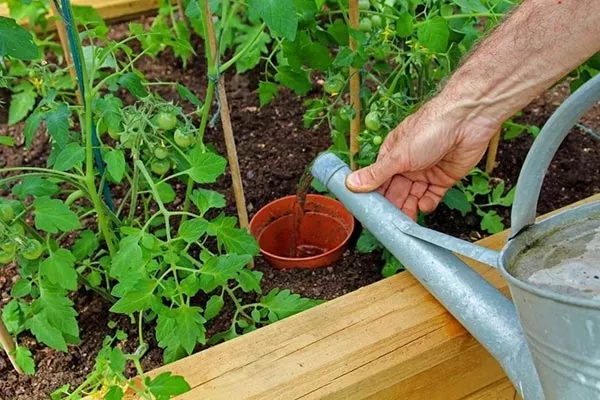
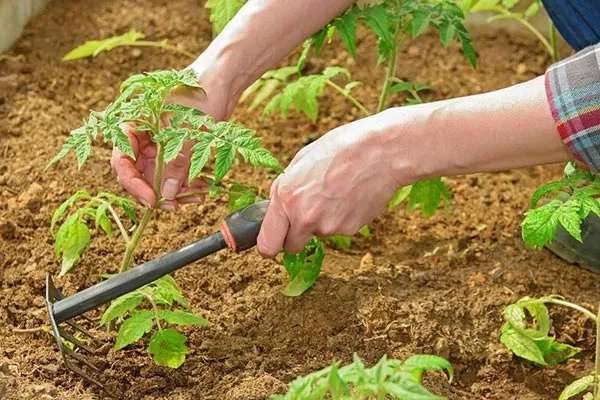
Disease and pest prevention measures
To prevent tomato damage from diseases and insects, it's important to follow a number of preventative measures at all stages of cultivation. Follow these recommendations:
- Before sowing, disinfect the seeds using disinfectants such as a weak solution of potassium permanganate or specialized preparations.
- If you're using ready-made seedlings, inspect them carefully before planting. Pay close attention to the root system: carefully trim away any damaged or dried roots, and treat them with a disinfectant solution.
- Maintain even soil moisture, avoiding both drying out and overwatering. To reduce watering, mulch the beds with straw, dried leaves, or peat.
- Feed your plants regularly, but avoid over-fertilizing, as this can weaken the plant and lead to disease.
- Regularly clear your garden beds of fallen leaves, weeds, and other plant debris, as they can become a source of disease and a hiding place for pests.
- Conduct preventative spraying with insecticides and fungicides. Apply in the morning or evening to avoid sunburn and increase the effectiveness of the products.
To prevent late blight and other fungal diseases, use biological products such as Fitosporin. Avoid planting tomatoes in the same spot for several years in a row. Planting basil, calendula, or garlic near tomatoes helps repel pests.
Pros and cons
The Debosliv tomato boasts numerous advantages that make it attractive to gardeners. This variety not only boasts a distinctive appearance and rich flavor, but also offers a number of important benefits:
This variety also has some drawbacks. It takes longer to ripen than other varieties and is not suitable for long-term storage.
Reviews
The Debosliv tomato is a good choice for those who appreciate unusual varieties with a vibrant flavor and high yields. Despite its longer ripening period and limited shelf life, this crop is noteworthy for its strong immunity, ease of care, and versatility. The key is to follow proper cultivation practices.