
Dana is a popular tomato variety that has received numerous positive reviews. It has become popular due to its low maintenance and excellent taste. This variety is suitable for both gardeners and larger-scale production due to its good productivity and resistance to external factors. Proper care is essential.
Breeding history
Developed by scientists at the N. I. Vavilov Institute of General Genetics, it was included in the State Register under the name Dana in 1983. The variety is intended for industrial production, but is also successfully grown by gardeners across the country.
Description and characteristics of the tomato variety Dana
This is an excellent choice for growing both in the garden and on a professional farm. It is highly resistant to stress and temperature fluctuations, and its flavor will delight all vegetable lovers.
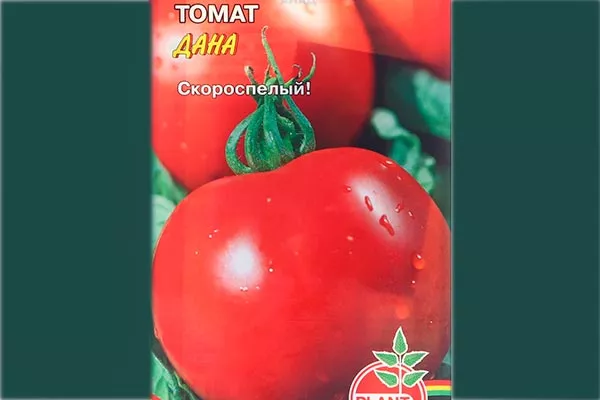
Fruit and plant characteristics, tomato taste
Dana has a determinate growth habit and is versatile, making it suitable for both open ground and plastic greenhouses. The bushes reach a height of 55-65 cm, have a semi-spreading habit with moderate branching. The leaves are light green, and the flowers are white or yellow, approximately 2 cm in diameter.
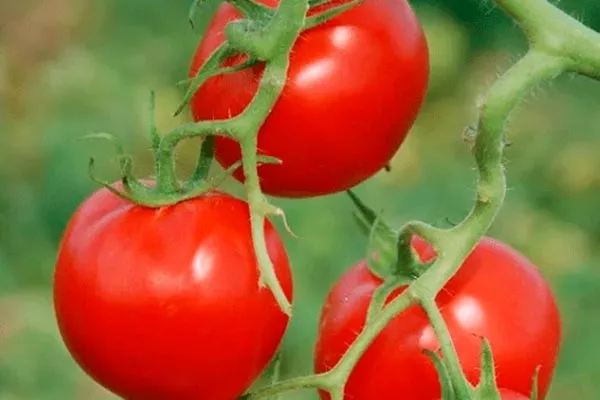
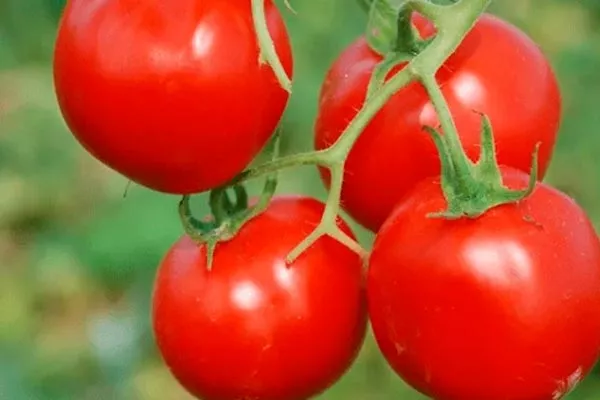
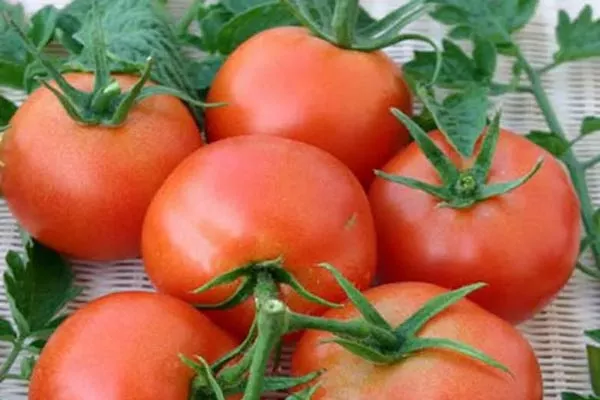
The tomatoes are flat-round in shape and weigh between 200 and 250 grams. The skin is smooth and shiny, and the flesh is plump and juicy. This variety is renowned for its excellent flavor: the fruits are sweet, juicy, and aromatic, perfect for a variety of dishes, including salads and casseroles. They are also used for canning.
Ripening time
The fruits ripen in 107-117 days, making this an early-ripening variety. Vegetable growers harvest the first crop as early as mid-July.
Tomato yield Dana
This variety is characterized by high productivity, ranging from 2.6 to 6.9 kg per square meter, with a yield of 3-4 kg per bush with proper care. This variety produces fruit uniformly, with tomatoes ripening almost simultaneously.
Resistance to adverse factors
The Dana tomato tolerates adverse environmental conditions. The plant is not afraid of unexpected cold snaps and continues to grow even during them. In hot and dry weather, the plant actively produces fruit.
The crop prefers sunny locations, as when grown in the shade, the vegetables may develop white veins in the flesh, while the core remains hard. The variety does not tolerate either overwatering or dry soil. To protect against rot and pests, maintain an optimal watering regime.
Where is it grown?
This variety is popular with gardeners. The bushes are successfully cultivated throughout Russia due to their ability to adapt to harsh climatic conditions.
Methods of application
Dana tomatoes are widely used in cooking. Fresh from the garden, simply wash, slice, and salt to taste—it's a simple recipe even a child can handle. These red, firm tomatoes make delicious winter salads.
Features of agricultural technology
Choosing the right planting location is key to a good harvest. Although this variety is easy to grow, the plants produce better fruit, and the fruit is sweeter and juicier, if the bed receives uniform sunlight. It's best to plant the seedlings in raised beds.
How to prepare seeds?
Before planting, treat the seedlings. To do this, soak the seeds in a weak solution of potassium permanganate or hydrogen peroxide to prevent disease. Then harden them: place them in a cool place for several hours or warm them up (leave the seeds at room temperature for uniform swelling).
Sowing seeds
Plant in prepared containers with light, nutritious soil. Place the seeds 1-2 cm deep, carefully covering them with soil.
After sowing, lightly moisten the soil and cover the container with plastic or glass to create a greenhouse effect, which accelerates germination. The optimal temperature is 22-25°C.
How to care for seedlings?
Once the seedlings emerge, provide the seedlings with sufficient light, as tomatoes are demanding. To achieve this, place the containers in a sunny location or use grow lights.
- ✓ The optimal soil temperature for planting seedlings should be at least 15°C to avoid stress on the plants.
- ✓ The distance between bushes should be at least 40 cm to ensure sufficient air exchange and prevent diseases.
Rules for planting seedlings
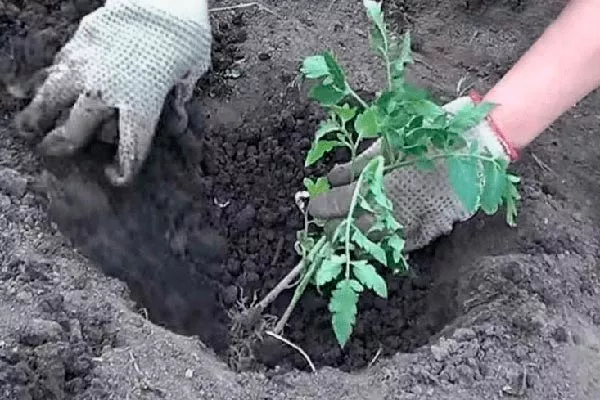
Tomato seedlings can be planted outdoors once the danger of frost has passed and the soil temperature has reached 15-18°C. Choose sunny sites with loose, well-drained soil. Space plants at least 30-40 cm apart to prevent them from shading each other and preventing proper air circulation.
Care tips
To ensure healthy bushes and a bountiful harvest, it's essential to maintain proper care. Proper watering and regular fertilizing are crucial, as they help the plant develop and bear fruit.
Watering
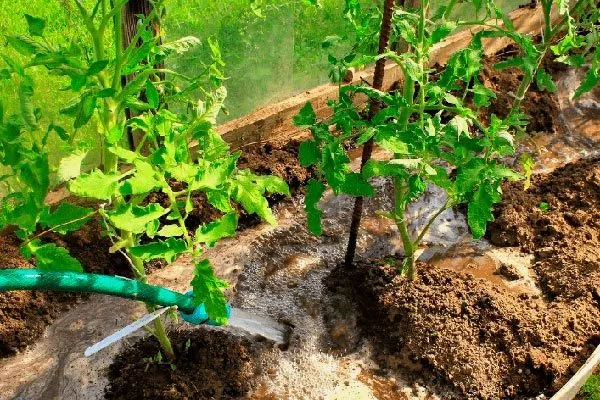
Provide the bushes with ample water, especially during active growth and flowering. Use warm, settled water, avoiding contact with the foliage to prevent disease. Apply the water at the roots, being careful not to over-water the soil to prevent root rot.
Top dressing
This is an important part of tomato care, promoting healthy growth and a bountiful harvest. Choose the right time for feeding and the right fertilizer to ensure your plants receive all the necessary nutrients.
Follow the pattern:
- Ch2 weeks after planting the seedlings in open ground or a greenhouse. At this point, the bushes begin to actively develop, and they need elements to stimulate growth.
- Ch2-3 weeks after the first feeding. This is the time when flowering and ovary formation begin, and tomatoes require more nutrients to form fruits.
- Prand the appearance of the first fruits. This fertilizer will help plants produce high-quality and fleshy tomatoes.
- For 2-3 weeks before harvest. During this period, provide the bushes with phosphorus and potassium to increase yield and improve the taste of the fruit.
Fertilize with both liquid and dry fertilizers. It's important to apply them directly to the roots, not to the foliage, to avoid burning and spreading diseases.
Effective fertilizers:
- Organic – An infusion of mullein, chicken manure, and wood ash. They contain all the necessary microelements and help strengthen the root system.
- Minerals – Superphosphate (to improve root formation and flowering), potassium fertilizers (to strengthen plant tissue and improve fruit quality). It's important not to exceed the recommended dosage to avoid putting undue stress on the plants.
- Complex – contain the necessary elements in a balanced form, suitable for all stages of tomato development.
Regular fertilizing not only promotes the growth and development of tomatoes, but also increases their resistance to diseases, improves the taste of the fruit, and increases yield.
Treatment against diseases and pests
The Dana variety is fairly disease-resistant, but if not properly cared for or planted in the wrong location, it can be susceptible to late blight, macrosporiosis, and septoria. Regular inspection of the bushes allows for early detection of pests and appropriate treatment.
One of the most common insects is spider mites, while slugs generally avoid this variety, as its fruits are not particularly juicy. To prevent diseases, spray with biofungicides such as Baktofort, Fitosporin, or Skor.
Positive and negative qualities
Before growing, carefully study the varietal characteristics of Dana to avoid possible difficulties.
Reviews
The Dana tomato is a reliable choice for those looking for a productive and tasty variety with good resistance to external influences. With proper care, it can yield a bountiful harvest, delightful both fresh and preserved. Its versatility and adaptability make it an excellent choice for beginning gardeners and novice gardeners.