
Dachny is a variety with compact bushes and small tomatoes. They are characterized by excellent flavor—sweetness combined with a slight tartness. This variety is ideal for both gardening and home processing, delivering excellent results with minimal care.
Description of the bush and fruits
A hybrid variety with a determinate growth pattern – it has a limited plant height, reaching a maximum of 60 cm. The plant is compact, with a well-developed root system.
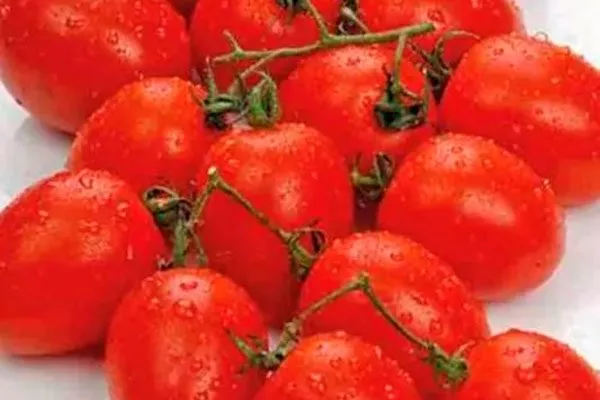
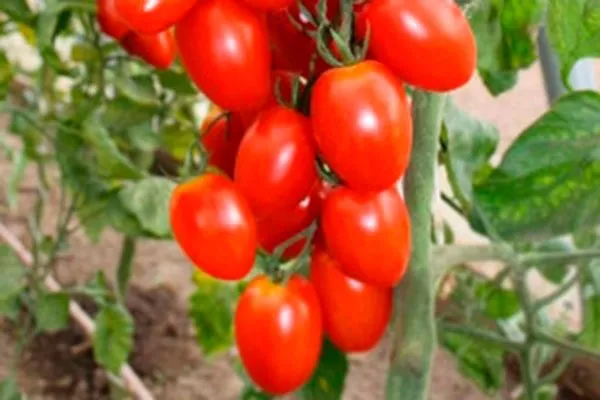
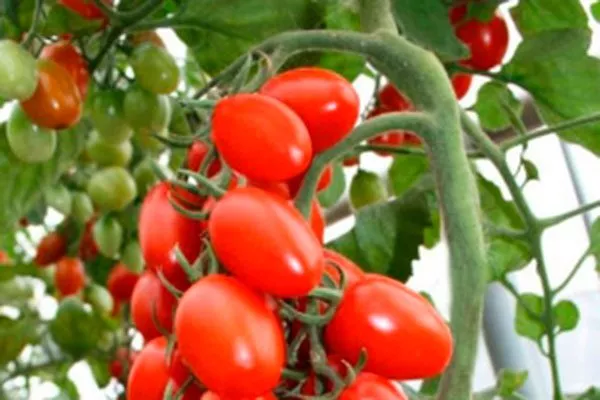
The tomatoes are round-oval in shape with a slight cylindrical tint. They weigh between 20 and 30 grams. The compact bushes require moderate pinching and produce 8 to 10 clusters, each containing 20-25 small fruits.
Main characteristics
The Dachny tomato is an early-ripening variety, and some gardeners consider it ultra-early, as the first fruits can ripen as early as 85-90 days after mass germination. On average, the harvest ripens 95 days after the start of the growing season.
Other distinctive features:
- The variety is characterized by good yield for early tomatoes.
- One bush produces approximately 3 kg of fruit, and with proper care, the yield can reach 4 kg. In commercial fields, the yield ranges from 300 to 360 centners per hectare.
- The commercial yield of fruits varies from 75 to 100%.
The cultivar's advantage is its resistance to low temperatures and certain diseases, such as fusarium wilt and blossom-end rot. Although the bushes are susceptible to late blight, its early maturity allows for harvesting before the onset of this disease outbreak.
Purpose and taste
Tomatoes have a superb flavor that captivates even the most discerning palates. Their tender, fleshy flesh adds a vibrant flavor, turning every tasting into a true delight. Their sweet notes make them an ideal addition to salads, sauces, tomato pastes, and other dishes.
The Dachny variety is characterized by a slight tartness, making it an excellent choice for homemade preserves: tomato puree, ketchup, juices, and other canned goods. Its flavor pairs well with vegetables and herbs, opening up a wide range of culinary possibilities.
Features of cultivation
If you plan to use seedlings for cultivation, it's important to sow them promptly, as it takes less than 100 days from planting to the first fruits. Seeds are sown in April, and the mature seedlings are transplanted into open ground by the end of May.
Soil requirements
The plant requires moderately heavy and fertile soil. For growing seedlings, you can use store-bought soil or prepare your own by mixing garden soil with manure.
- ✓ The soil pH level should be strictly within 6-6.5 for optimal nutrient absorption.
- ✓ The soil must contain at least 3% organic matter to ensure the necessary structure and water-holding capacity.
Before planting seedlings, prepare the soil in advance: in the fall, dig over the soil and enrich it with organic fertilizer. Add 5-7 kg of humus or compost and 80-100 g of phosphorus-potassium fertilizers per square meter. In the spring, loosen the soil further, then apply nitrogen fertilizer to ensure proper nutrient supply.
Sowing seeds and growing seedlings
Sow seeds in late March or early April. Helpful tips:
- Peat pots or plastic cups are suitable for this procedure. Plant the seeds no more than 1 cm deep to speed up germination. Seedlings appear in 5-6 days.
- Three weeks after planting, feed the seedlings with mineral fertilizer with a high nitrogen content.
- When two true leaves appear on the plants, pick them out and transplant them into separate containers.
Preparation and transplantation into the ground
Choose a sunny location protected from strong winds and drafts. The soil should be loose, fertile, well-drained, and neutral or slightly acidic (pH 6-6.5).
Follow the recommendations:
- In the fall, dig up the area and add organic fertilizers (humus, compost) at a rate of 5-6 kg per 1 sq. m.
- In the spring, before planting, loosen the soil, remove weeds and add mineral fertilizers: Superphosphate (20-30 g per 1 sq. m) and potassium sulfate (10-15 g per 1 sq. m).
- To improve the soil structure, add sand or peat to heavy soil.
- By the time of planting, the seedlings should be 20-25 cm high, with 5-7 true leaves and the first flower cluster.
- Water the seedlings 1-2 days before transplanting to make it easier to remove the plants from the containers and to minimize damage to the root system.
- Transplant when the soil warms up to +15°C, and night temperatures settle at +10…+12°C (usually this is the end of May or the beginning of June).
- Dig holes 15-20 cm deep and space them 40-50 cm apart between plants and 50-60 cm apart between rows. Add a handful of compost or wood ash to each hole, mix it thoroughly with the soil, and moisten well.
Plant vertically, deepening the plants to the first true leaves. This promotes additional root development and improves nutrition.
Post-transplant care
Caring for the Dachny variety involves timely watering and regular fertilizing. These measures provide the plants with the necessary moisture and nutrients, promoting their healthy growth and development.
Fertilizer
For full growth, bushes require regular fertilization. Complex mineral fertilizers containing nitrogen, phosphorus, and potassium are the optimal choice.
Follow the pattern:
- The first feeding is carried out after transplanting the seedlings into the soil.
- Apply fertilizer every 10-14 days throughout the season.
- First feeding: 7-10 days after transplanting, use a complex fertilizer with NPK 10-10-10.
- Second feeding: at the beginning of flowering, increase the proportion of potassium (NPK 5-15-15).
- Third feeding: when fruits are forming, use a fertilizer with a high potassium content (NPK 0-15-30).
Organic matter (humus or compost) is also beneficial. It not only enriches the soil with nutrients but also improves its structure, promoting the active functioning of microorganisms.
Watering
Water the plants in the morning or evening, when sunlight is at its lowest, to avoid leaf burn. Water every 2-3 days. Maintain this schedule during the period of active growth and ripening.
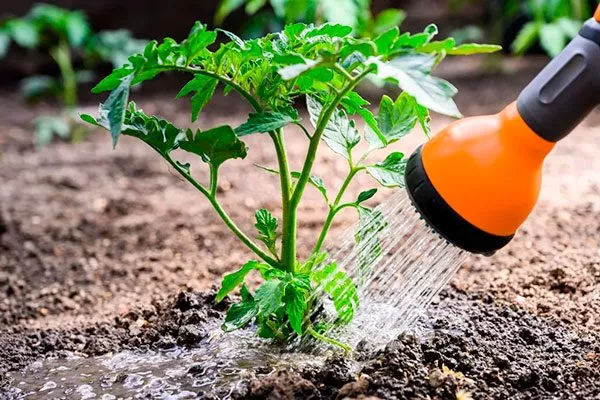
The amount of water depends on weather conditions, soil type, and the age of the plants, but on average, one bush requires 1-2 liters. Watering should be moderate to avoid waterlogging, which can lead to root rot.
Diseases and pests
Dachny is resistant to a number of common diseases, including fusarium wilt and blossom-end rot. However, if cultivation practices are improper or weather conditions are unfavorable, the plants may be susceptible to other diseases:
| Disease/Pest | Signs | Reasons | Control measures |
| Late blight | Dark spots appear on leaves, stems, and fruits. The spots gradually enlarge, and the plant begins to wilt. | High humidity and sudden temperature changes. | Treat bushes with fungicides such as Fitosporin or Bordeaux mixture. Remove affected parts. Regularly ventilate greenhouses and maintain crop rotation. |
| Alternaria (dry spot) | Brown spots with concentric zonation on leaves, which lead to their drying out. | Infection through plant debris in the soil. | Use of Hom or Quadris preparations, thorough cleaning of the area. |
| Gray mold | Wet, grey-brown spots on leaves and fruits, covered with mould. | Overwatering, poor ventilation. | Use of Topaz or Switch preparations, reduction of humidity levels. |
The crop can be attacked by pests:
- Whitefly. Small white insects that cover leaves with a sticky liquid. Use sticky traps, spray the bushes with an Aktara solution or garlic infusion.
- Spider mite. The appearance of fine webbing on leaves and spots that gradually cause plants to wilt indicates the presence of an insect. Treatments such as Fitoverm or Actellic, or spraying with a soap solution, will help.
- Aphid. It forms colonies of small parasites on the undersides of leaves, causing them to become deformed and curl. Treat plants with onion peel infusion, wood ash solution, or use Iskra and Biotlin.
Treat the soil before planting with preparations against pathogens (for example, a solution of potassium permanganate).
Harvesting and storage
Dachny tomato clusters ripen almost simultaneously. After harvesting, decide how to use them: for salads and other dishes, processing, or canning.
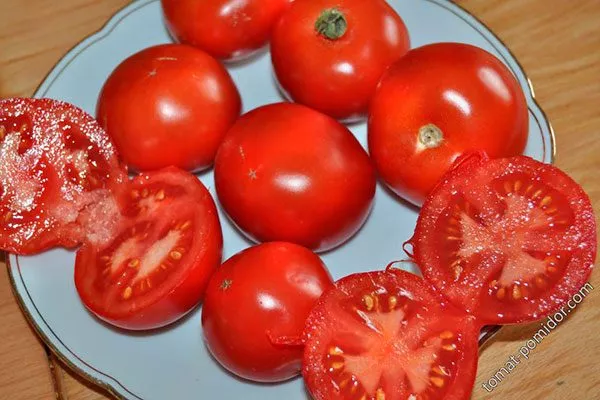
Storing at room temperature doesn't guarantee a long shelf life, so it's best to refrigerate the fruit. This way, they'll retain their nutritional value and appearance for up to 3 weeks. If you find any damaged or rotten fruit in the produce drawer, remove them immediately.
Pros and cons
The Dachny variety is popular due to a number of advantages, but it is important to study its disadvantages as well.
Among the negative qualities, some note the tomato's less-than-refined taste and rather ununique appearance. However, for most gardeners, these characteristics are not significant.
Reviews
The Dachny tomato is an ideal choice for those who value early ripening and low-maintenance care. With good disease resistance and consistent yields, this variety is a reliable option for bountiful harvests. These tomatoes boast a pleasant flavor, and their shelf life and versatility allow them to be used both fresh and for canning.