
The Black Pearl tomato is a variety with unrivaled characteristics and high yields. These tomatoes impress with their rich color, fleshy texture, and sweet, slightly tart flavor. Suitable for both greenhouse and open-field cultivation, this variety boasts good disease resistance and delivers consistent results.
Description of the bush and fruits
The plant is tall, reaching approximately 1.5 m in height. The cultivar has the following distinctive features:
- the stem is strong and quite thick;
- leaves – in moderate quantity, medium size, dark green;
- inflorescence - intermediate type, the first one is formed after the 9th leaf, the subsequent ones - every three;
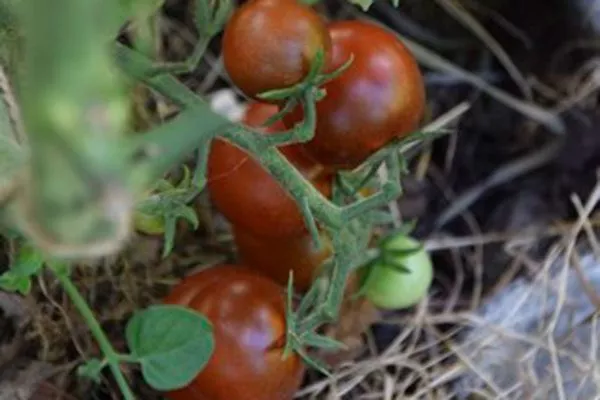
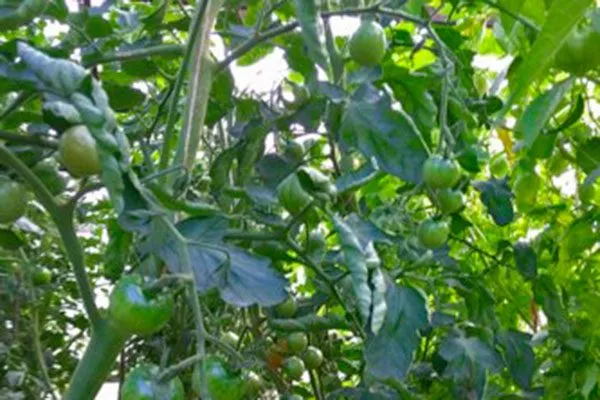
- Tomatoes - when unripe they have a green tint with a small spot at the base, while when ripe they acquire a rich brown color;
- shape and weight – tomatoes are flat-round, their weight varies from 35 to 40 g;
- The pulp is fleshy, dense, juicy and sugary.
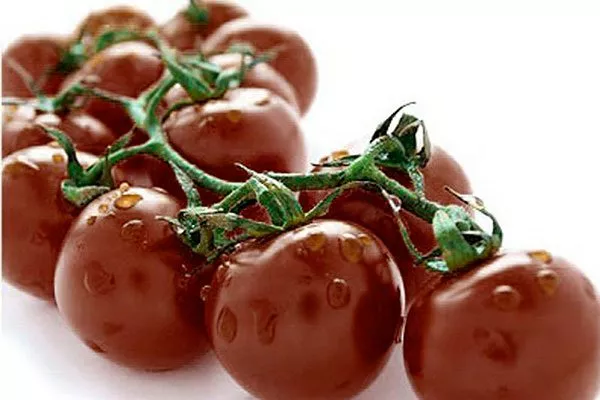
Throughout the season, new stems continue to grow, forming clusters. Each cluster ripens with 6 to 12 juicy fruits. Their color depends on the ambient temperature: the warmer the climate, the darker their color.
Characteristics of the variety
Black Pearl was developed by Russian breeders S. F. Gavrish, V. V. Morev, E. V. Amcheslavskaya, T. V. Degovtsova, O. A. Volok, and M. Yu. Vasilyeva. In 2015, it was included in the State Register and approved for cultivation.
This is an indeterminate cluster tomato with unique varietal characteristics:
- Growing regions. Recommended for cultivation in greenhouses throughout Russia, and in open ground only in areas with a warm climate.
- Ripening period, yield. This mid-early variety produces fruits that are ready to harvest approximately 100 days after sowing. Experienced gardeners recommend harvesting them slightly unripe. It is characterized by excellent productivity: 1 square meter yields 8.6 to 9.2 kg of ripe and juicy tomatoes.
- Resistance to diseases, pests, and bad weather. The variety completes fruiting before late blight, but can be affected by gray mold. It has high stress tolerance and is resistant to adverse weather conditions.
- Scope of application. Tomatoes have a rich flavor that harmoniously balances sweetness and a hint of tartness. These meaty, juicy, and aromatic vegetables are perfect for fresh salads, sauces, and culinary dishes.
Gardeners appreciate the crop for its unpretentiousness and minimal maintenance.
How to grow?
Obtaining high-quality seedlings and transplanting them into the garden are the key stages of tomato cultivation. It's important to follow certain recommendations to ensure your future plants yield bountiful harvests.
Planting seeds
Sow the seedlings 55-60 days before transplanting. To disinfect the seeds, soak them in a weak solution of potassium permanganate for 15-20 minutes, then rinse with clean water. To stimulate growth, you can soak the seeds in Epin or Zircon.
A light, fertile substrate made from a 1:1:1 mixture of garden soil, humus, and peat is suitable for seedlings. Fill the containers with it and plant the seeds 1-1.5 cm deep in the furrows. Lightly moisten the soil and cover with plastic wrap or glass to create a greenhouse effect. The optimal temperature for germination is 23 to 25°C.
Caring for sprouts
Once the seedlings emerge, remove the covering and provide them with suitable growing conditions. Follow these recommendations:
- Maintain the room temperature: during the day – +20…+22°C, at night – +16…+18°C.
- Seedlings require 12-14 hours of light per day. If natural light is insufficient, use phytolamps.
- Provide moderate watering to the plants. Use warm, settled water as the top layer of soil dries out.
- When 2-3 true leaves appear, transplant the seedlings into separate cups.
Transplanting
The seedlings are ready to be transplanted to the garden beds when they reach a height of 20-25 cm. Choose well-lit areas or transfer the plants to a greenhouse, planting them in a 50x50 cm pattern. Begin moving the seedlings outdoors 10-14 days before planting, gradually increasing the time spent outdoors.
Please fulfill several requirements:
- Dig holes 15-20 cm deep, add humus and ash to each.
- Plant seedlings in the evening or on a cloudy day.
- After planting, water the bushes generously with warm water.
- ✓ Optimum soil temperature for planting seedlings: not lower than +15°C.
- ✓ The distance between plants when planting in open ground should be at least 50 cm to ensure sufficient ventilation.
The Black Pearl tomato requires careful care at all stages of cultivation, but with the right approach, it delivers high yields. By following basic recommendations, you'll be able to harvest delicious and flavorful fruits for a variety of culinary preparations.
Fertilizer
Fertilize your bushes regularly, alternating organic and mineral fertilizers. Apply them according to the following schedule:
- 10-14 days after planting in the ground. Use an infusion of mullein (1:10) or bird droppings (1:20) – 500 ml per bush. Alternatively, mix 10 g of ammonium nitrate, 20 g of superphosphate, and 15 g of potassium sulfate per 10 liters of water.
- At the beginning of flowering. Use an ash infusion (200 g of ash per 10 liters of water, leave for 24 hours) – 1 liter per plant. Complex fertilizers containing boron and potassium are equally effective.
- During the period of mass formation of tomatoes. A solution of Superphosphate (30 g per 10 l of water) for watering or yeast feeding (100 g of fresh yeast, 15-20 g of sugar per 10 l of water, leave for 2 hours, then dilute 1:5) is suitable.
- 2 weeks after the third, to prolong fruiting. Apply potassium-phosphorus fertilizer (as per instructions). Apply foliar application of boric acid (1 g per 1 liter of water) to improve fruit set.
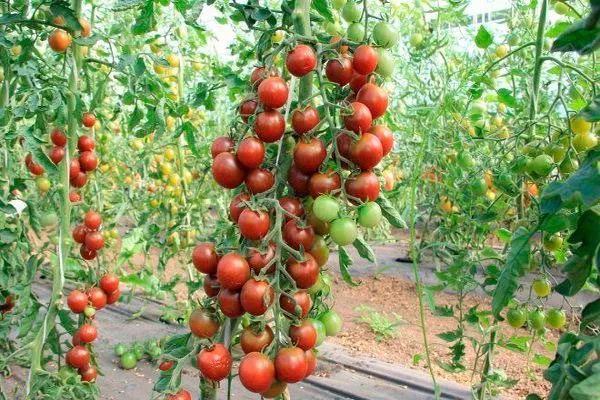
Regular watering and balanced nutrition will ensure good development, abundant fruiting, and rich flavor of the Black Pearl tomato.
Watering
Moderate moisture is the key to excellent tomato growth and harvest. Water your tomato plants according to the season:
- before flowering – once every 5-7 days;
- during flowering and fruiting – once every 3-4 days;
- in hot weather - every other day, but without over-watering.
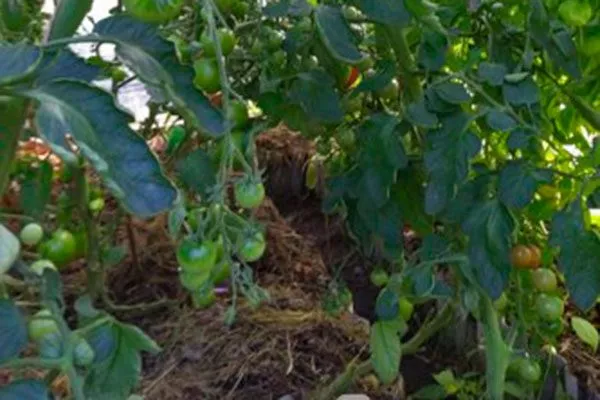
Pour 2-3 liters of water under each plant, depending on the soil moisture level. The liquid should reach the roots without touching the leaves. Drip irrigation or furrow irrigation are the best options. Use warm, settled water (22…25°C) to prevent disease.
Pest and disease control, prevention
The crop has a strong immune system, but plants can suffer if care is not properly maintained. Excessive humidity in a greenhouse or prolonged rainfall in open ground can promote the development of gray mold.
In August, with fluctuating temperatures and cold nights, especially in the central part of the country, the threat of late blight arises. Copper-containing fungicides are effective in combating fungal infections:
- Hom;
- copper sulfate;
- Bordeaux mixture.
For gray mold, sprinkle affected areas of the stems with wood ash. Avoid using chemicals during active harvesting; instead, use biofungicides such as Fitosporin, as well as solutions of fermented milk products or iodine.
To prevent fungal diseases, ensure moderate watering and ventilation of the greenhouse. If rain makes it impossible to reduce humidity, regularly spray the plants with the following solutions:
- Trichoderma;
- whey (1:10);
- kefir (with the addition of a few drops of iodine).
The Black Pearl variety is not naturally immune to insects. To combat aphids, spider mites, and other small pests, use soapy solutions. A mixture of ammonia and water will repel pests. Hand-pick slugs and Colorado potato beetles or treat with insecticides.
Pros and cons
Before planting seedlings in your garden, carefully study all the characteristics of the crop, its advantages and disadvantages. Black Pearl has the following advantages:
Among the negative qualities, gardeners note only one point - the possibility of tomatoes cracking when overripe.
Reviews
Black Pearl is an ideal choice for those who appreciate easy-to-grow and delicious tomato varieties. It is characterized by good productivity, disease resistance, and an attractive appearance. It is perfect for fresh dishes and preserves. This variety will delight both experienced gardeners and novices, providing a consistent, high-quality harvest.