
The Black Prince is an interesting tomato variety that amazes Russian gardeners with its unusual dark burgundy color and wonderful dessert flavor. It is loved not only for its unique harvest but also for its uniform ripening, high productivity, and robust plant immunity. It is suitable for both open-air and greenhouse cultivation.
Historical facts
The authorship of the black-fruited tomato variety belongs to domestic breeders:
- Korotkov S. A.;
- To V. M.;
- Dynnik A. V.
In 2000, it was added to the Russian Federation State Register. Today, it is popular among domestic gardeners from various regions of the country, as well as Belarusian, Ukrainian, and Moldovan gardeners.
Main characteristics
This vegetable variety boasts many excellent characteristics. Please familiarize yourself with them and the botanical description if you plan to grow Black Prince at your dacha.
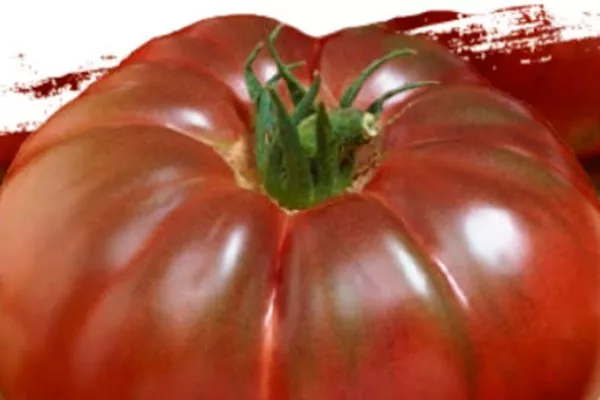
General information about black-fruited tomatoes
Tomatoes with dark, almost black skin have long ceased to be an exotic sight in our gardens. Vegetable growers happily grow these exotic-looking fruits, recognizing their advantages over ordinary red tomatoes. They have the following characteristics:
- amazingly sweet taste with a fruity note, due to the high content of sugars and dry substances;
- thinness of the peel;
- delicate texture of the pulp that melts in your mouth;
- The fruit contains a high content of substances beneficial to human health, such as anthocyanins, lycopene, and carotenoids.
Black tomatoes are a true summer dessert, with a fruit-like flavor. This delicacy not only provides a culinary delight, but also helps prevent cancer and has a rejuvenating effect on the body thanks to the anthocyanins (powerful antioxidants) found in the dark skin.
- ✓ High resistance to late blight and other nightshade diseases.
- ✓ Requires formation of a bush into one stem for maximum productivity.
Distinctive features of plants
Black Prince is a mid-season, indeterminate tomato variety with dark skin. Black Prince bushes are tall, well-developed, and vigorous. They have a branched root system that extends 0.5 m wide and 1 m deep. A description of their appearance includes:
- "height" - 1.5-2.5 m;
- strong stem;
- good foliage;
- Foliage: dark green, pointed, medium-sized.
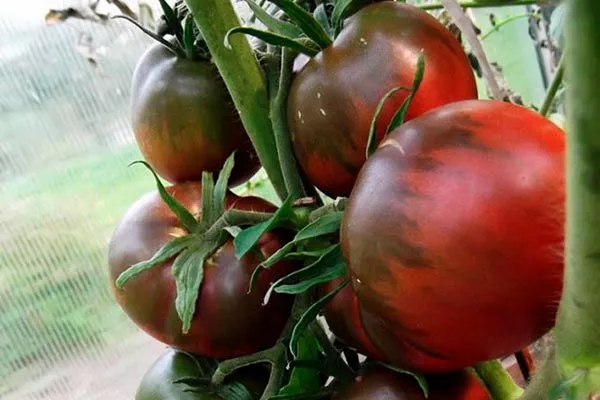
Plants produce inflorescences after the 7th or 9th leaf, alternating them every 3 leaves. A cluster consists of 6-8 fruits. Experienced gardeners, to obtain larger tomatoes, leave no more than 5 buds on each ovary.
Due to its tall growth and high productivity, this variety requires staking. Moreover, not only the stems but also the crown must be secured. This will prevent the plant from breaking under the weight of the ripening fruit.
Fruit characteristics
This vegetable variety is considered a large-fruited variety. Tomatoes have the following characteristics:
- flat-round shape with pronounced ribbing;
- weight - from 110 g to 300 g (some specimens reach a weight of 450 g);
- green color with a large dark spot in unripe tomatoes;
- black-crimson color of the thin skin on top and bright crimson on the bottom of fully ripe fruits (they have no spot);
- fleshy, raspberry-colored pulp with 6 seed nests and a moderate amount of seeds, tender consistency, juicy and aromatic.
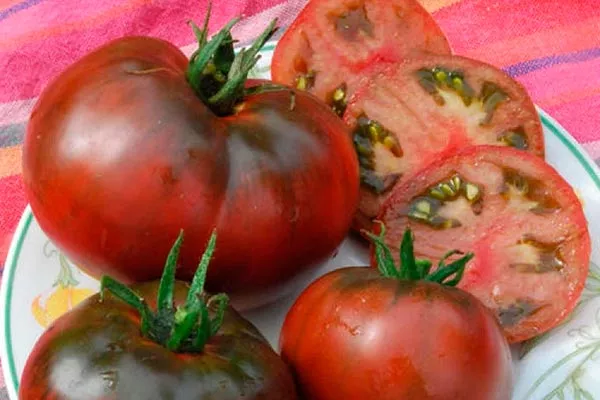
The Black Prince harvest wins the hearts of gardeners with its excellent taste. These tomatoes are sweet, almost without tartness, and melt in the mouth. However, they are not suitable for long-term storage or long-distance transport; they quickly lose their marketable appearance. They are prone to cracking during ripening.
Growing regions
This tomato variety can be grown in various climate zones across the country and neighboring countries. It thrives in both open garden beds and greenhouses. In northern regions, it requires greenhouse conditions, while in the south, it thrives outdoors.
The Russian State Register has approved the Black Prince tomato for cultivation in the following regions:
- Northern;
- North-West;
- Central;
- Volga-Vyatka;
- Central Black Earth Region;
- North Caucasian;
- Middle Volga;
- Lower Volga;
- Ural;
- West Siberian;
- East Siberian;
- Far Eastern.
Disease resistance
Black Prince bushes are resistant to late blight. They also have good immunity against other diseases that affect nightshade crops:
- bacteriosis;
- Alternaria;
- spotting;
- black leg;
- blossom-end and root rot.
Because plants release toxins into the soil, they are rarely attacked by harmful insects. Slugs are an exception. To control them, regularly treat tomato plants with soapy water (1:5).
Ripening period and yield
The black-fruited variety is a mid-season tomato. Its harvest takes 110-120 days (after germination). Harvesting occurs in July-August.
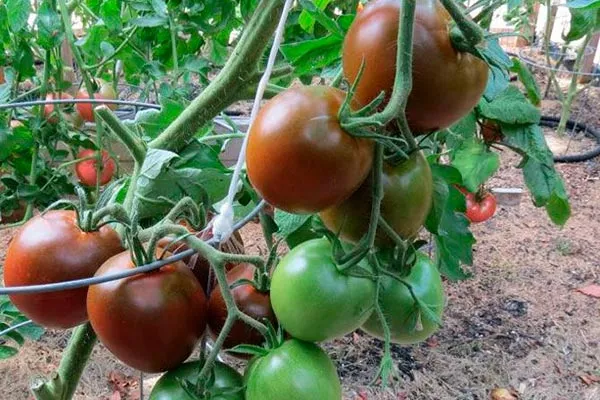
The dark-colored tomato is famous for its high yield:
- 2 kg from 1 bush (6-7 kg/sq. m when observing the recommended planting density) is the minimum amount of fruit that a gardener can get when growing the Black Prince variety in an open bed;
- 4-5 kg per bush (up to 50 fruits) is the maximum plant productivity that gardeners achieve through intensive agricultural practices and greenhouse cultivation.
Application of fruits
Black Prince tomatoes are intended for fresh consumption. They are also used in hot and cold dishes, as well as in canned goods for the winter. This variety isn't universal in its intended use:
- its harvest is not suitable for whole-fruit canning due to the large size of the tomatoes;
- It doesn't make sense to make juice from black tomatoes because of their high dry matter content (there will be little liquid and a lot of waste);
- Due to the thinness of the skin, the fruits are not suitable for long-term storage, freezing, or transportation.
The vibrant flavor of dark-colored tomatoes is best revealed when added fresh to summer vegetable salads. They are excellent for making sauces, lecho, and tomato paste.
How to grow seedlings?
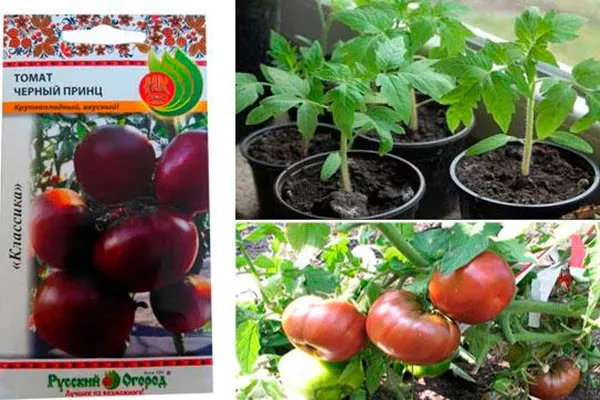
Vegetable growers grow black-fruited tomatoes using seedlings. Adhering to the correct soil and container selection, pre-planting seed preparation, timing, and sowing procedure increases the chances of producing strong and healthy seedlings.
- ✓ Optimum temperature for seed germination: +25°С.
- ✓ The need for additional lighting of seedlings to ensure 14 hours of daylight.
Optimal timing for sowing
Sow Black Prince seeds for seedlings at the right time: approximately 2 months before the planned date of transplanting the seedlings to the garden bed and in the first half of March, from the 1st to the 15th of the month.
Determine the day for sowing based on the optimal timing for transplanting seedlings into the garden:
- the last days of April, the beginning of May - if you plan to grow tomato bushes in a greenhouse;
- starting from May 15th - “relocation” of seedling bushes to open areas of the garden in the southern regions;
- End of May, from June 1 to 5 – transfer of seedlings to an open bed in regions with a cool climate.
Seed preparation
Don't be lazy about thoroughly preparing your black tomato seeds before planting to ensure rapid and uniform germination. Follow these steps:
- CalibrationInspect the seed. Discard any damaged or small seeds. Reserve the dense, large seeds for planting. Place them in a glass with a salt solution (15 g per 250 ml of water). Let sit for 15 minutes. Discard any seeds that float to the surface, and dry any that settle on a napkin.
- Warm-upPlace the selected seed material into a canvas bag and leave it on the radiator for 2 days.
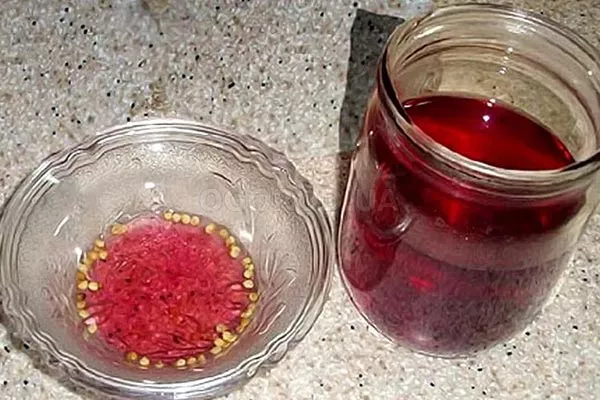
- DisinfectionPlace the seeds in a bowl with a 1-2% potassium permanganate solution. Leave them there for 15 minutes. Then rinse with clean water.
- BubblingTo oxygenate the seeds, soak them in lukewarm water using an aquarium air pump. Continue this process for 15-18 hours.
- Soaking in a growth stimulator solutionLeave the seeds for 3 hours in lukewarm water with a little Zircon or Epin added.
- HardeningPlace the seeds, wrapped in linen and plastic, in the refrigerator for 8 hours. Then bring them into a warm place. After 8 hours, return them to the cold again. Exposure the seeds to temperature changes at least 5-6 times.
- GerminationPlace the seeds on a saucer lined with damp cheesecloth and leave in a warm place (25°C) until sprouts appear. Moisten the cheesecloth periodically. Do not allow it to dry out.
Container and soil requirements
Prepare suitable containers and soil for growing tomato seedlings. Use wooden or plastic planting boxes with drainage holes in the bottom. The sides should be 10 cm high. You will also need individual pots for transplanting the seedlings. Peat pots are preferred.
Use a general-purpose seedling substrate purchased at a flower shop. You can also make your own if you prefer.
Soil preparation
If you prefer to grow Black Prince seedlings in boxes filled with homemade potting mix, prepare it using the following ingredients:
- peat - 7 parts;
- sawdust - 1 part;
- garden soil - 1 part.
You can also make a nutrient substrate using a different recipe by combining peat with humus and mullein (6:2:1).
Don't forget to disinfect your homemade soil mixture before sowing the seeds. Water it with a potassium permanganate solution or heat it in the oven (or frying pan). It's also a good idea to disinfect the inside of the planting containers with potassium permanganate.
Sowing
Sow black tomato seeds in a box with nutrient substrate, observing the following standards:
- sowing step in a row (furrow) - 3 cm;
- the distance between the grooves is 4-5 cm;
- seeding depth - 1-2 cm.
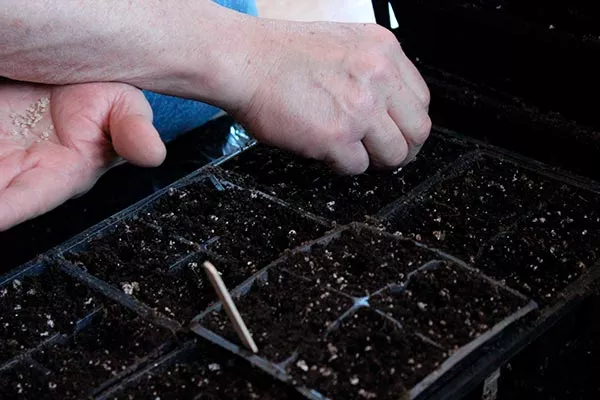
Carefully cover the seeds with soil. Water the seedlings using a spray bottle. Cover them with plastic or glass to create a greenhouse effect. Keep them in a warm place out of direct sunlight. Seedlings will appear in 9-10 days.
Conditions and care of crops
During the first ten days after sowing, maintain the room temperature in the seed trays at 25°C. The soil should be moderately moist. After the sprouts emerge, remove the plastic wrap. Move the seedlings to a sunny windowsill in a cooler location (20°C).
Care for Black Prince seedlings by following these procedures:
- watering (water the seedlings moderately with warm, settled water once a week);
- loosening (gently loosen the soil under the plants);
- top dressing (the first time, water the plants with a solution of complex fertilizer for nightshade crops 2 weeks after picking, the second time, apply superphosphate or potassium sulfate after another 14 days);
- supplementary lighting (keep seedlings under phytolamps to provide them with 14 hours of daylight).
Picking seedlings and hardening
When the seedlings have 2-4 true leaves, transplant them into cups. It's best to transplant them two weeks after germination, when the plants are strong enough and have a well-developed root system. At this age, they will be more resilient to stressful manipulation.
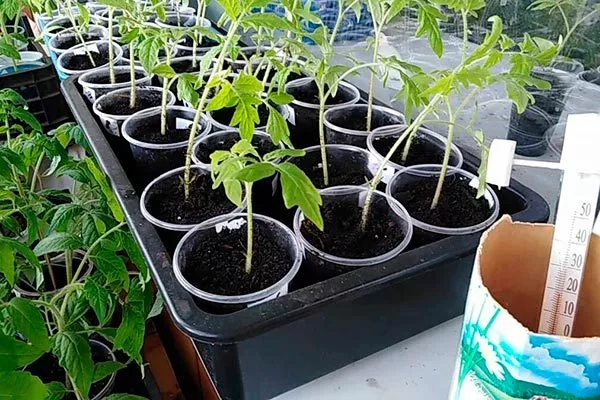
Fourteen days before transplanting the seedlings to the garden, begin strengthening their immunity and increasing their cold resistance. Harden them off by placing them outside. The first time, leave the seedlings outside for three hours. Then, add an hour to their time outside. Let them spend their last night outside under plastic.
Planting in a permanent place
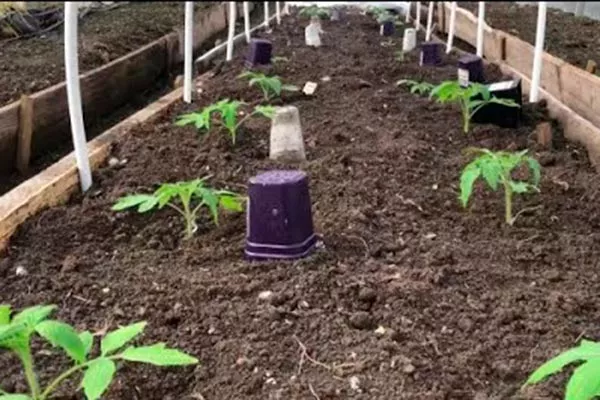
Experienced gardeners transplant Black Prince seedlings to an open garden bed or greenhouse no earlier than May. By then, there should be no risk of frost.
Choosing a location
Choose a plot of your garden to grow a black-fruited tomato variety that meets the following requirements:
- sunny;
- windless;
- protected from drafts;
- not located in a lowland with close groundwater levels;
- located where you grew vegetables such as cucumbers, zucchini, carrots, cauliflower, parsley or dill last season;
- with loose and fertile soil, characterized by neutral acidity.
Dig over the soil in the area. Clear it of weeds and their roots. If the soil is dense, add coarse sand to improve its texture. If the soil is acidic, add chalk, lime, or wood ash.
Improve the fertility of the soil intended for growing dark-skinned tomatoes with fertilizers:
- humus (consumption - 5-7 kg per 1 sq. m);
- Superphosphate (34 g/sq.m);
- potassium sulfate (20 g/sq.m).
Algorithm of actions
Plant Black Prince seedlings on a cloudy day or in the evening. Follow these steps:
- Make planting holes in the soil in advance. Considering the fact that the root system of this variety is well developed both in width and depth, make the holes large enough. Maintain a distance of 40-50 cm between holes and at least 60 cm between rows.
- Twenty-four hours before planting the seedlings, water the holes with boiling water or a potassium permanganate solution. This will help kill pest larvae and pathogens living in the soil.
- Plant the plants together with the root ball (using the transshipment method), without breaking it up. This will protect their roots from damage. The seedlings will be less susceptible to stress and will establish themselves more quickly in their new location.
- When replanting tomatoes, add wood ash (100 g per plant) and ammonium nitrate (50 g per plant) to the holes. Be sure to apply fertilizer at this stage if you didn't improve the soil fertility in the fall.
- Water the planting with warm, settled water.
Do not exceed the manufacturer's recommended planting density for black chokeberries, which is 3 plants per square meter.
Caring for the Black Prince tomato
Make sure to properly carry out care if you grow dark-skinned tomatoes and want to get a rich harvest.
Watering
Tomatoes are moisture-loving vegetables. Don't allow the soil beneath the plants to dry out. Water it thoroughly, regularly, and promptly. Avoid stagnant water around the trunk to prevent rot. Follow these watering guidelines:
- perform the procedure at least once every 7 days;
- use 3-5 liters of water per plant;
- during the flowering period, reduce the moisture consumption rate to 2 liters per bush;
- do not use cold water for irrigation (it should be settled and warmed in the sun);
- Water the tomato planting in the morning or during the day if the weather is cloudy.

Top dressing
To ensure maximum crop yield, fertilize the planting. Apply fertilizer every 14 days, alternating root and foliar applications.
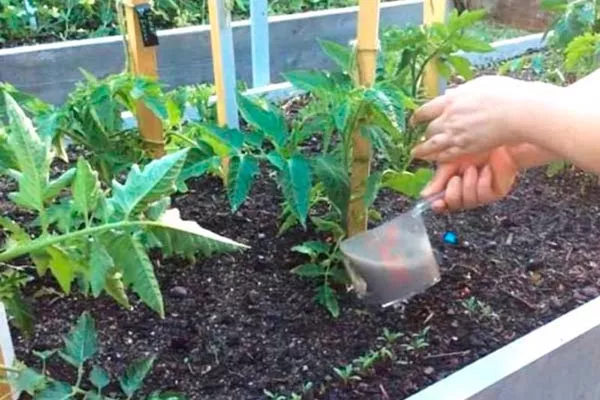
Provide Black Prince plants with sufficient nutrients such as phosphorus and potassium. Apply solutions of the following to their roots:
- organic matter (cow manure, bird droppings, humus);
- mineral compositions;
- wood ash.
Feed the crop with ash. Apply it dry or as an aqueous infusion when planting seedlings and during fruit set. Superphosphate is an ideal mineral fertilizer for tomatoes. It will benefit the plants where the tomatoes ripen.
Don't neglect foliar feeding. It offers many positive benefits:
- Nutrients applied by spraying on the leaves are absorbed by the green organism within 2-4 hours (with root feeding - 2-4 days);
- increasing the plant's ability to resist infections and pests;
- formation of a greater number of inflorescences by 15-20%;
- acceleration of crop ripening (fruits ripen 7 days earlier).
For foliar feeding, use a boric acid solution (1 g per 1 liter). Apply it to the planting during flowering and fruiting. Other nutrients can also be used for spraying green foliage: calcium nitrate, urea, monopotassium phosphate, as well as Epin and Immunocytophyte.
How to prune out side-children correctly?
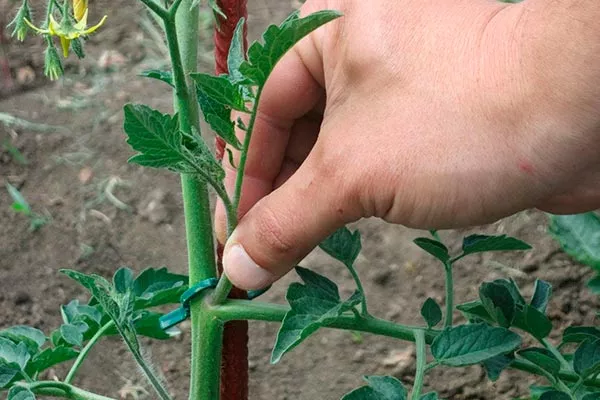
Black chokeberry bushes require shaping into a single stem and pinching the tops. These measures will ensure high productivity. Be sure to remove side shoots and lower leaves from the plants. Excess lateral shoots drain nutrients, which impairs flowering and fruiting.
Follow the rules:
- Stepchildren that have reached a length of 2 cm are subject to removal;
- perform the manipulation in the morning;
- The weather should be dry.
If you do everything correctly, the breaks on the plants should have time to heal within a day.
Soil care
Care not only for your black tomato plants but also for the soil they grow in. This is an excellent preventative measure against diseases and pests, which will help strengthen the health of the crop and increase its yield. This includes the following measures:
- weeding (regularly get rid of weeds that take away nutrition from the bushes);
- shallow loosening, carried out after each watering of the bed and rain (the procedure is aimed at preventing the formation of a dense, air-impermeable crust on the soil);
- mulching the soil under tomato bushes with organic matter to reduce the amount of watering and weeding.
Tying up bushes
Due to their tall growth, Black Prince plants require tying to supports:
- trellises;
- high wooden stakes.
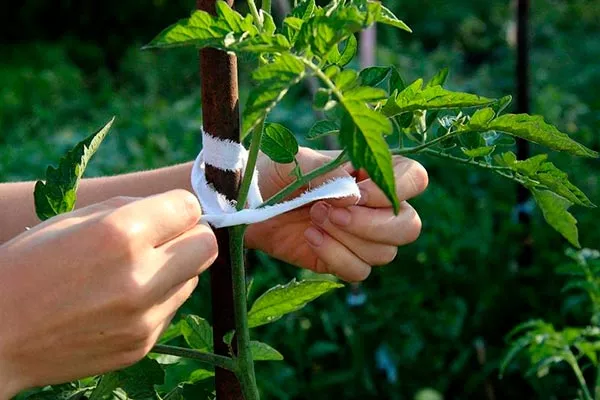
Also, secure the fruit clusters. Otherwise, they risk breaking under the weight of the ripening tomatoes.
The nuances of growing in open ground and in a greenhouse
Grow the black chokeberry variety indoors and outdoors, taking into account the following features:
- remember the need to change the location of the greenhouse annually if it is portable;
- If you use a permanent greenhouse for growing tomatoes, disinfect the soil in it with a solution of potassium permanganate or boiling water, replace the top layer of soil with new nutrient substrate;
- to ensure that the harvest has time to ripen before the onset of frost, pinch the bushes growing in shelter after the 7th cluster, and in the open bed - after the 5th;
- When growing tomatoes in a greenhouse, pay attention to its ventilation;
- equip the greenhouse with additional lighting sources;
- maintain the temperature in the shelter at +22-25°C;
- Grow tomato plants in an open garden bed in regions with warm climates (they should receive plenty of heat and light throughout the growing season);
- Plant only hardened seedlings in unprotected soil;
- Regardless of where they are grown, carry out preventative treatments for plants against infections and pests to completely eliminate the possibility of them becoming ill.
Features of cultivation and possible difficulties
Experienced gardeners offer beginners some helpful tips on growing Black Prince tomatoes, taking into account the intricacies of its cultivation techniques:
- Keep the soil in the bed loose. Fluff it periodically. Add sand or peat if necessary. Remember that the crop does not grow well in heavy, compacted soil.
- Spray Black Prince plants with a potassium permanganate solution (5 g of potassium permanganate and 10 liters of water). This will prevent disease and increase yield.
- To increase the productivity of bushes, accelerate the ripening of fruits and improve their taste, use foliar feeding with a solution of boric acid (10 g of substance per 10 liters of water).
When cultivating this variety of crop, complications may arise:
Harvesting and further storage of fruits
Black tomato bushes produce fruit over a long period of time. They ripen gradually. Harvest as the fruits ripen. It's acceptable to pick green tomatoes and ripen them indoors. This is especially true for tomatoes on the top shoots, which haven't had time to ripen before the cold weather sets in.
Store Black Prince tomatoes at temperatures between 12-15°C. Medium-ripe tomatoes will keep in these conditions for up to 7 days, while fully ripened tomatoes will keep for a couple of days.
Pros and cons
The varieties of vegetable crops have many advantages:
The Black Prince also has several drawbacks. Gardeners complain about the fruit's poor shelf life and transportability, as well as its tendency to crack. It's not suitable for whole-fruit canning or juice processing.
Reviews
Black Prince is an excellent variety of sweet, dark tomatoes. Gardeners love it for its abundant and consistent fruit production, remarkable flavor, and unique appearance. They are eaten fresh as a summer dessert and used in a variety of dishes.